What Are the Adverse Reactions to Pronidesivir (GS-441524)
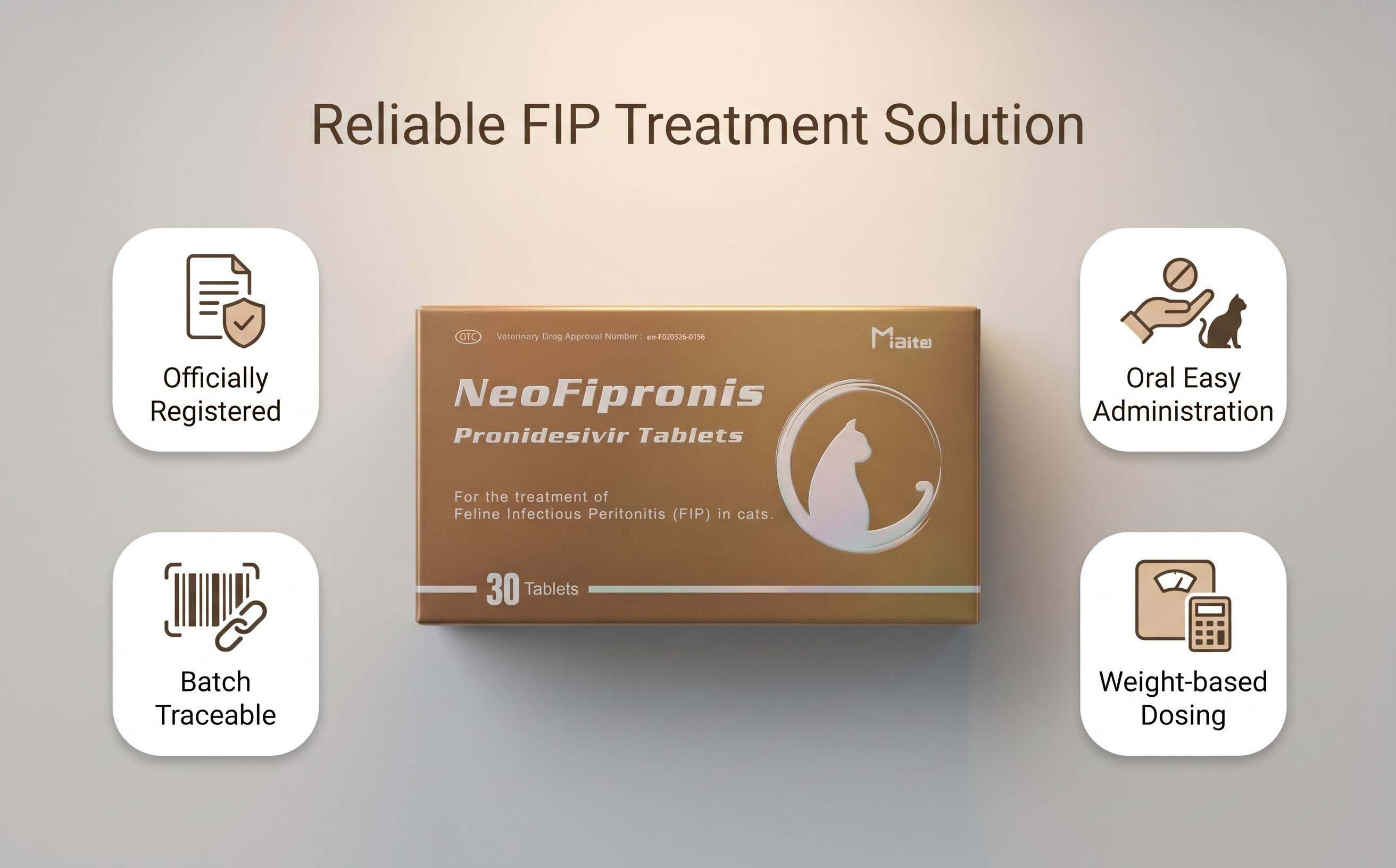
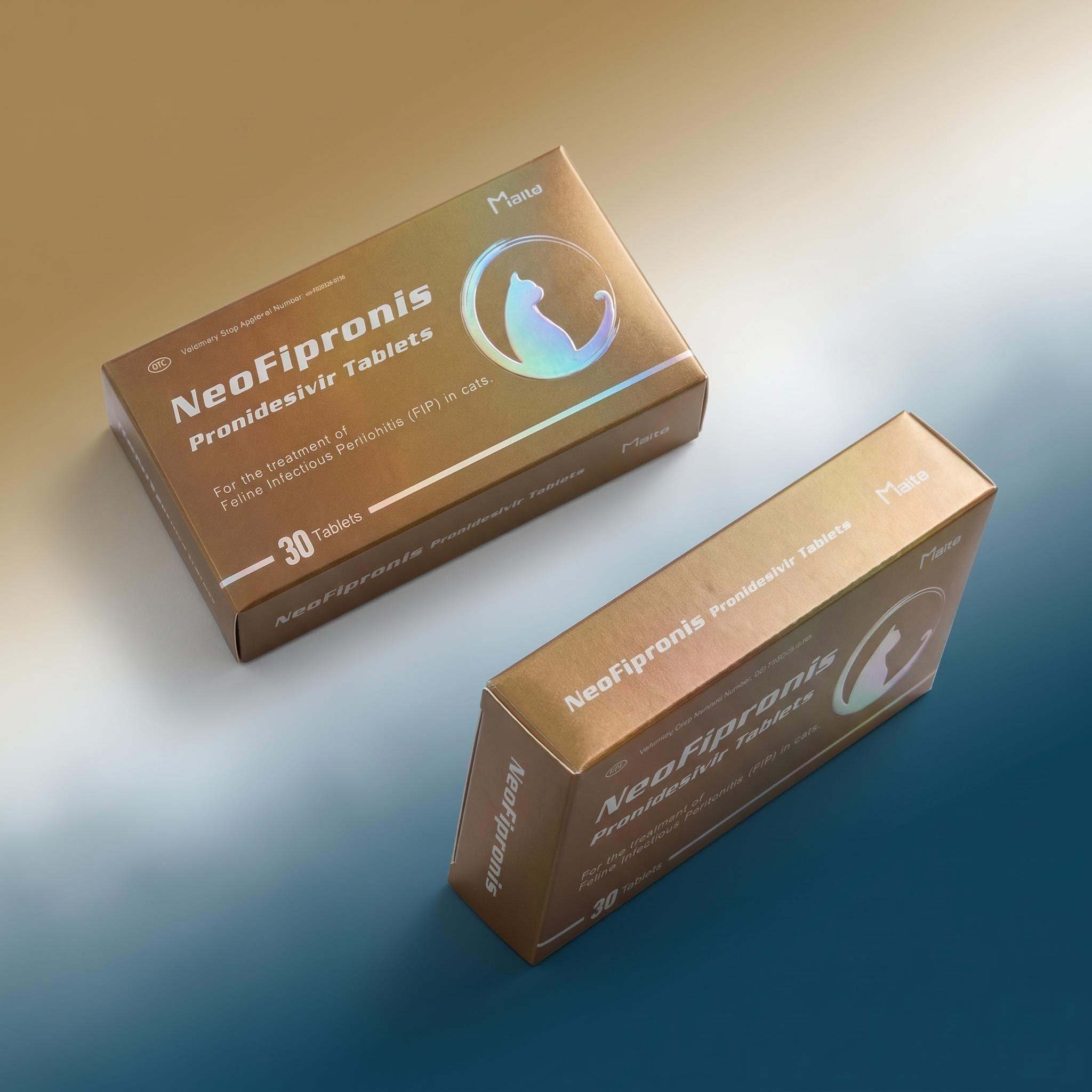
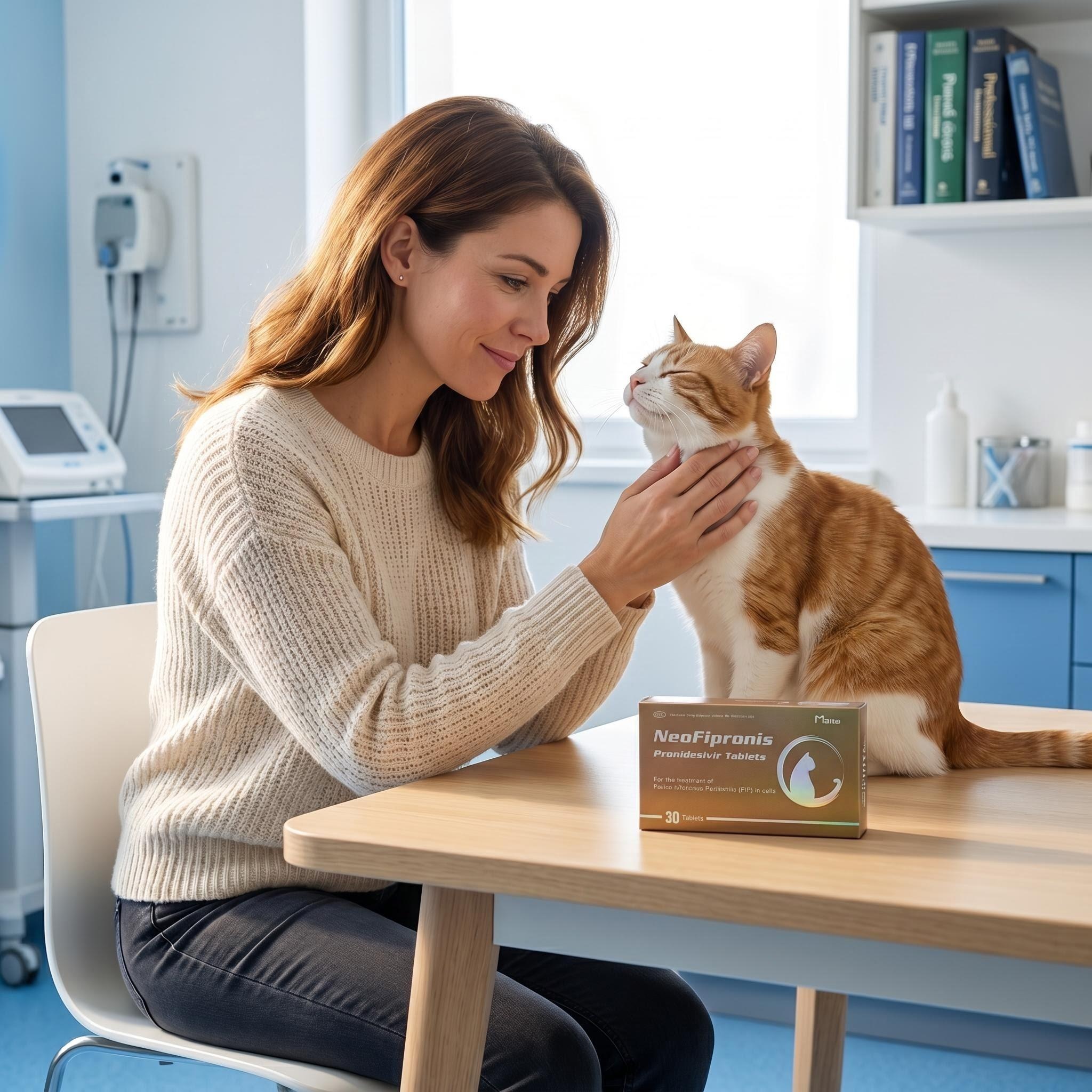
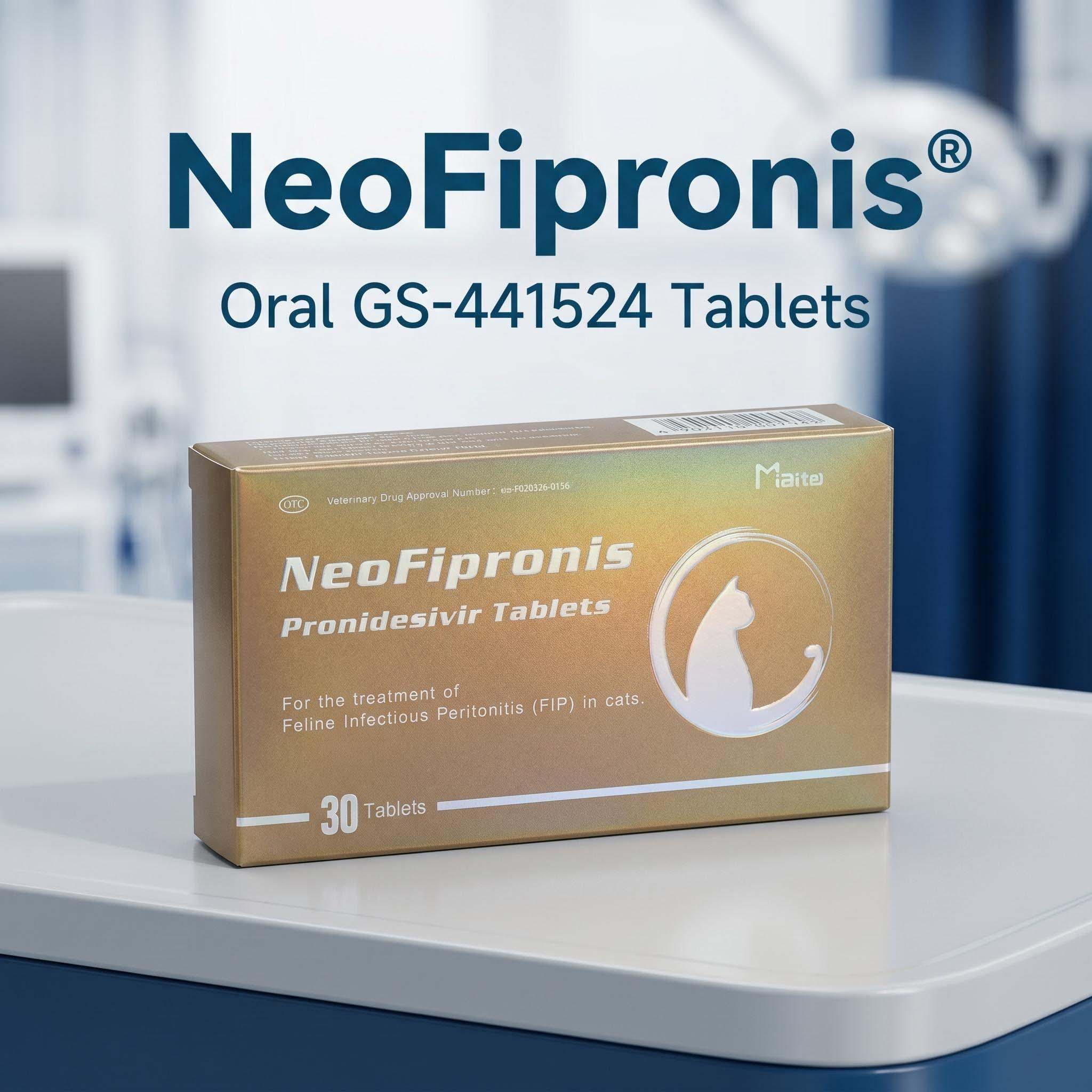
Pronidesivir, also known as GS-441524, is a groundbreaking antiviral medication used primarily for the treatment of Feline Infectious Peritonitis (FIP). Approved by the Lao Ministry of Agriculture and Forestry (MAF) in March 2026, NeoFipronis (Pronidesivir) stands as the world’s first officially registered oral medication specifically targeting FIP in cats. Its high efficacy, rapid absorption, and minimal side effects have made it a preferred choice among veterinarians and cat owners alike. However, like any potent antiviral agent, Pronidesivir can sometimes cause adverse reactions, which are important for users to recognize and manage effectively.
Common Side Effects
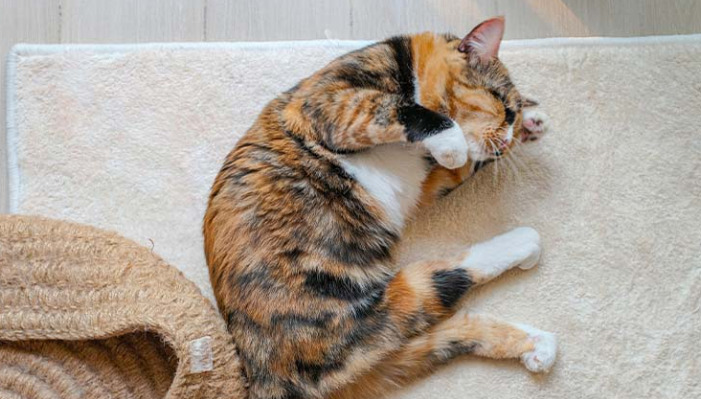
Most cats tolerate Pronidesivir well, owing to its safety profile and targeted mechanism against FIP virus. Nevertheless, some cats may experience mild adverse reactions during treatment, particularly during the initial stages or at higher doses. These reactions include decreased appetite, transient lethargy, and slight fever. Such symptoms often resolve on their own or with dose adjustments, emphasizing the importance of monitoring during therapy.
Gastrointestinal Reactions
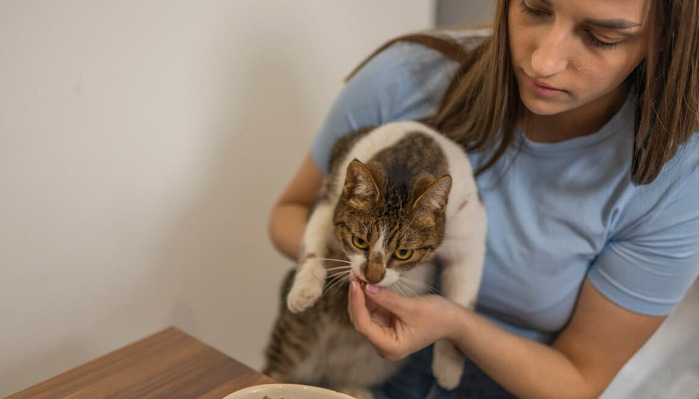
Gastrointestinal disturbances are among the most frequently observed adverse effects. These may manifest as vomiting, diarrhea, or decreased food intake. Owners should observe their cats closely and ensure they are well-hydrated. If gastrointestinal symptoms persist or worsen, consulting a veterinarian for potential dose modification is advised. In some cases, anti-nausea or supportive therapies may be prescribed to alleviate discomfort.
Liver and Kidney Function
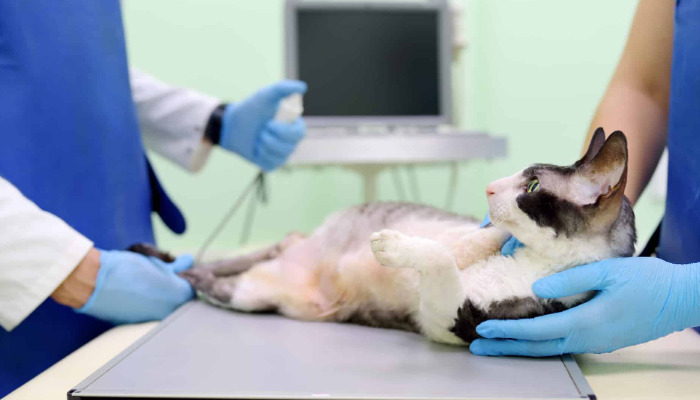
Although Pronidesivir is designed with high safety margins, liver and kidney function may be affected in some cases, especially during prolonged use beyond the recommended 12-week course. Elevated liver enzymes, changes in blood urea nitrogen, or increased serum creatinine levels can occur. Regular blood tests during treatment are essential for early detection and management of potential hepatotoxicity or nephrotoxicity.
Neurological and Ocular Reactions
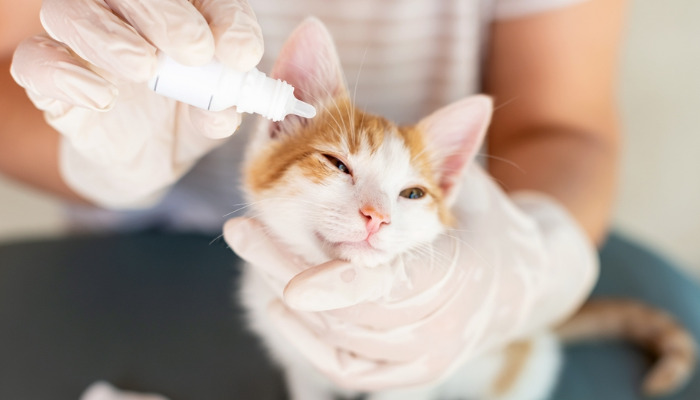
In rare instances, cats receiving Pronidesivir may develop neurological symptoms such as ataxia, tremors, or behavioral changes. Neurological side effects are generally mild and transient but require prompt veterinary assessment. Additionally, some cats might develop ocular issues like conjunctivitis or changes in the iris (iritis), which need thorough evaluation to rule out other causes.
Inflammatory and Immune Responses
While Pronidesivir is effective against FIP virus, in some cases, immune-mediated reactions such as inflammatory granulomas or localized swelling may occur at injection sites if administered incorrectly or using injectable forms. Since NeoFipronis is an oral medication, these reactions are less common but remain a consideration.
Serious Adverse Reactions
Serious adverse effects are infrequent but can include severe allergic reactions, characterized by swelling, difficulty breathing, or anaphylaxis. Immediate veterinary intervention is critical in such cases. Although Pronidesivir is generally well tolerated, owners should be vigilant and seek emergency care if any signs of hypersensitivity arise.
Precautions and Recommendations
Continuous monitoring of appetite, activity, fever, and overall health during treatment is vital.
Regular blood work is recommended to assess liver and kidney function.
Dose adjustments should be based on veterinarian guidance, especially for cats with neurological or ocular FIP types.
Do not discontinue treatment prematurely; a minimum of 12 weeks of consistent therapy is crucial for success.
Though NeoFipronis is an over-the-counter medication, use it under veterinary supervision to minimize risks.
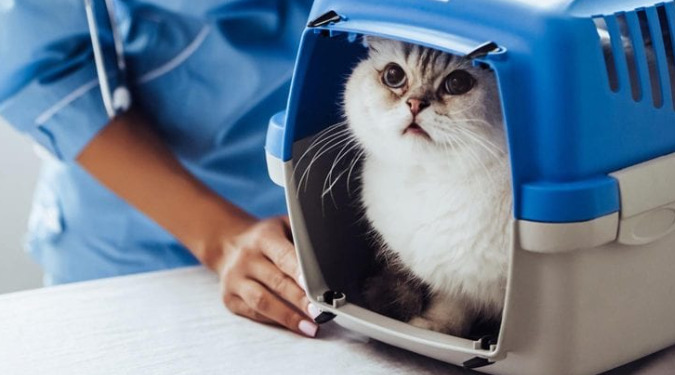
Contact a veterinarian immediately if any adverse reactions are suspected or if symptoms worsen.
Conclusion
Pronidesivir (GS-441524) offers a highly effective treatment for feline infectious peritonitis, dramatically improving survival rates and quality of life for affected cats. While generally safe, awareness of potential adverse reactions—such as gastrointestinal upset, liver or kidney changes, neurological symptoms, and allergic reactions—is essential for safe therapy. Proper monitoring and veterinary guidance ensure the best outcomes with NeoFipronis, making it a revolutionary addition to feline antiviral therapy options. Always purchase NeoFipronis through official channels to guarantee product safety and authenticity.