Miaite (Pronidesivir) and Drug Resistance
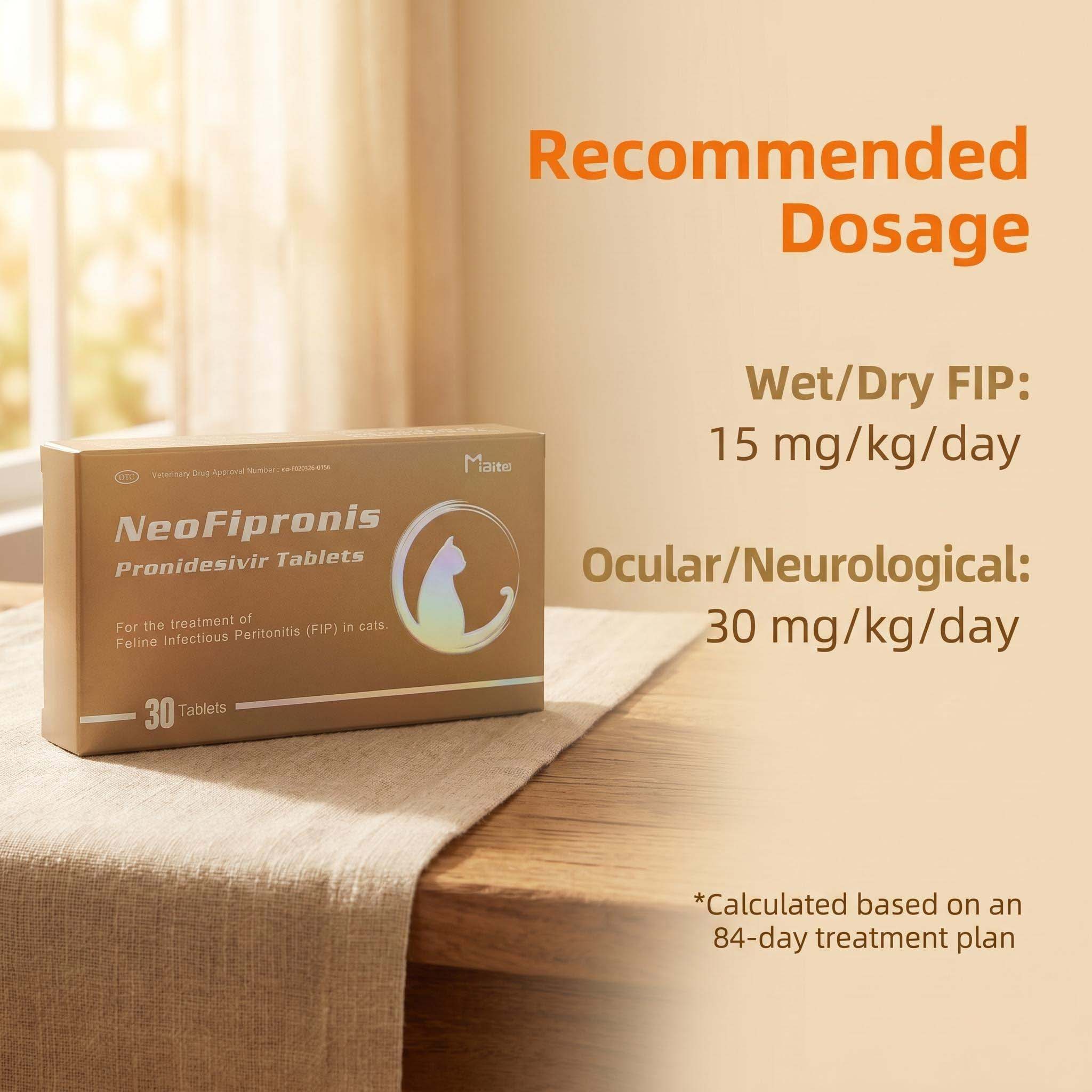
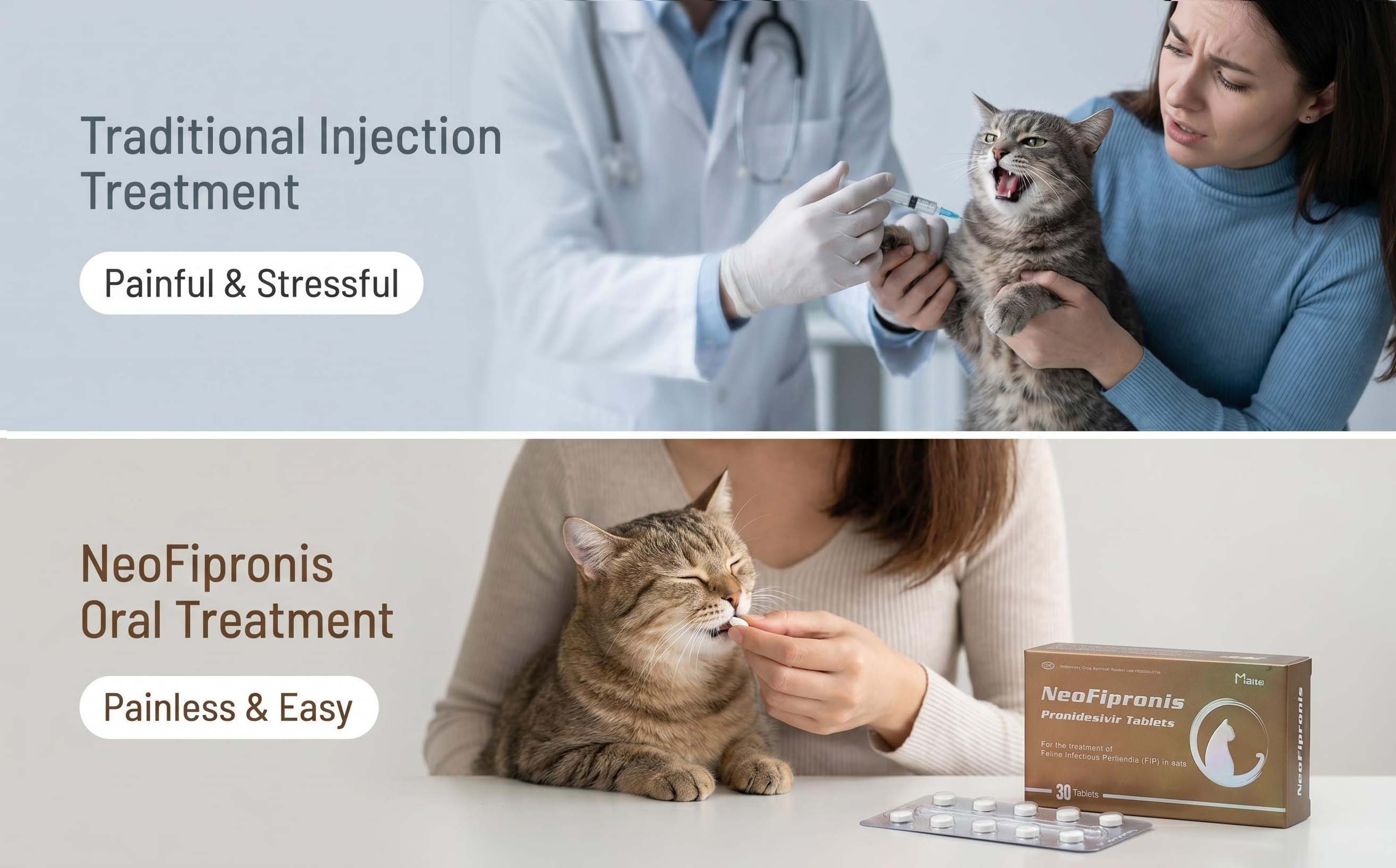
Feline Infectious Peritonitis (FIP) is a devastating and often fatal disease caused by a mutated feline coronavirus. It manifests with symptoms such as inappetence, lethargy, fever, ascites, pleural effusion, lymphadenopathy, granulomatous inflammation, neurological damage, and uveitis. Traditional treatment options have been limited, but recent breakthroughs with antiviral therapies have transformed the management of FIP. Miaite NeoFipronis, containing Pronidesivir (GS-441524), stands out as the first globally approved oral medication specifically targeting FIP. Approved by the Lao Ministry of Agriculture and Forestry (MAF) in March 2026, NeoFipronis offers a highly effective, safe, and minimally invasive treatment option for affected cats.
NeoFipronis's active ingredient, GS-441524, is a nucleoside analog that exhibits potent antiviral activity against feline coronavirus. Extensive research and clinical trials have demonstrated its remarkable efficacy in eliminating the viral infection, alleviating symptoms such as fever, weight loss, lymphadenopathy, and inflammatory lesions. The drug’s rapid absorption and onset of action make it an excellent choice for timely disease management. Its high tolerability profile, minimal adverse effects, and ease of administration contribute to its growing popularity among veterinarians and pet owners alike.
Treatment Protocol and Usage
NeoFipronis is administered based on the cat’s weight—generally 15 mg per kilogram (half a tablet). For neuro- or ocular-type FIP, the dosage may be increased to 30 mg/kg, following veterinary guidance. Daily once, with the recommendation of administering on an empty stomach—either one hour before meals or two hours after. To ensure optimal results, treatment duration should be no less than 12 weeks, with strict adherence to the prescribed regimen. Missing doses can compromise viral clearance, leading to potential resistance development.
Monitoring and Precautions
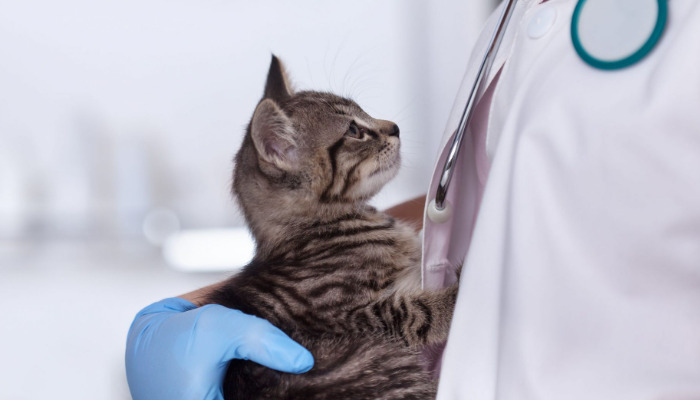
During therapy, owners should observe the cat's appetite, temperature, activity level, and psychological state. Regular blood tests to monitor liver and kidney functions are crucial for early detection of any adverse reactions. Despite NeoFipronis's availability as an over-the-counter (OTC) medication, veterinary supervision is strongly recommended to optimize outcomes and minimize risks. Proper usage under professional guidance ensures tailored dosing, particularly in complex cases like neurological or ocular FIP.
Drug Resistance Considerations
As with any antiviral therapy, the potential for drug resistance exists. Prolonged or incomplete treatment courses can lead to the emergence of resistant viral strains, reducing the efficacy of Pronidesivir. It’s essential to adhere strictly to the treatment duration and dosing schedule, avoiding premature discontinuation. Combining antiviral therapy with supportive care may help reduce viral load more effectively, lowering the chance of resistance. Ongoing surveillance and research are critical to understanding resistance patterns and developing strategies to overcome them.
Market Impact and Future Outlook
NeoFipronis’s approval marks a significant milestone in feline medicine, providing a scientifically validated, safe, and effective oral treatment for FIP. Its ease of administration and rapid action have improved the prognosis for cats diagnosed with this previously fatal disease. As resistance patterns evolve, continued research on combination therapies and resistance mitigation strategies will be vital. Educating pet owners and veterinarians about responsible usage is key to maintaining the drug’s long-term effectiveness.
In summary, Miaite (Pronidesivir) and NeoFipronis offer a groundbreaking approach to FIP management. While highly effective, vigilance against drug resistance remains essential to ensure sustained success in fighting this challenging disease. With ongoing advancements and responsible usage, the future looks promising for feline health and wellbeing.