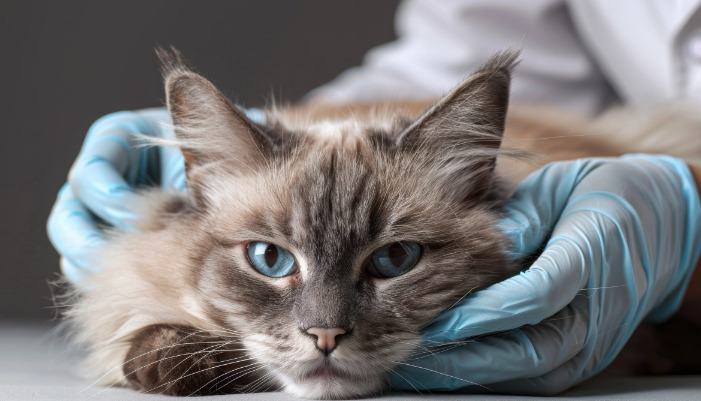
The Role of PCR Testing in FIP Diagnosis

Feline Infectious Peritonitis (FIP) is a severe, often fatal, disease caused by a mutated form of feline coronavirus (FCoV). Despite advances in veterinary medicine, diagnosing FIP remains a significant challenge due to its complex pathology and the limitations of traditional diagnostic methods. In recent years, Polymerase Chain Reaction (PCR) testing has emerged as a pivotal tool in the early and accurate detection of FIP, aiding veterinarians in making more informed treatment decisions.
Understanding FIP and Its Diagnostic Challenges
FIP develops when a mutation occurs in the feline coronavirus, enabling it to invade macrophages and disseminate throughout the cat's body. The clinical signs are often nonspecific, including weight loss, lethargy, fever, and effusions in body cavities. These symptoms overlap with numerous other feline diseases, complicating diagnosis.
Historically, confirming FIP required invasive procedures such as tissue biopsies or post-mortem examinations. Serological tests, which detect antibodies against FCoV, could not distinguish between exposed and infected cats, leading to false positives. Similarly, traditional cytology or histopathology might not always conclusively identify the disease.
The Emergence of PCR Testing in FIP Diagnosis
PCR testing detects specific genetic sequences of pathogens directly from clinical samples such as blood, cerebrospinal fluid, effusions, or tissue biopsies. Its high sensitivity and specificity make it a compelling tool for FIP diagnosis, especially when combined with other diagnostic modalities.
Types of PCR Tests Utilized
1. Quantitative PCR (qPCR): Measures viral RNA levels, providing insight into viral load. Elevated viral loads in effusions or tissues support FIP diagnosis.
2. RT-PCR (Reverse Transcription PCR): Converts viral RNA into DNA for amplification and detection. It is especially useful for detecting active infections.
3. Feline Coronavirus Reverse Transcription PCR: Specifically targets FCoV RNA in samples, aiding in differentiating FIP from other illnesses.
Advantages of PCR Testing in FIP Diagnosis
Rapid Results: Results can often be obtained within a few hours to days, facilitating prompt clinical decisions.
High Sensitivity: Detects low levels of viral RNA, essential in early or atypical cases.
Specificity: Differentiates FIP-associated mutated FCoV from benign strains, especially when combined with sequencing.
Non-invasive Sampling: Can be performed using fluids or tissues that are relatively easy to collect compared to traditional biopsies.
Limitations and Considerations
While PCR testing is highly valuable, it has limitations:
False Positives: Contamination or detection of non-mutated FCoV can lead to false positives.
False Negatives: Low viral loads or improper sample collection can result in missed diagnoses.
Need for Confirmatory Tests: PCR results should be interpreted alongside clinical signs, imaging, and other diagnostic findings.
Integrating PCR with Other Diagnostic Modalities
For a comprehensive FIP diagnosis, PCR testing should be part of a multimodal approach:
Clinical Evaluation: Observation of symptoms like ocular or neurological signs.
Imaging Techniques: Ultrasound or radiography to detect characteristic effusions or granulomas.
Laboratory Tests: Blood work showing elevated globulins, decreased albumin, or specific antibody profiles.
Histopathology: Tissue analysis remains the gold standard, especially post-mortem.
The Impact of Novel Therapeutics on FIP Management
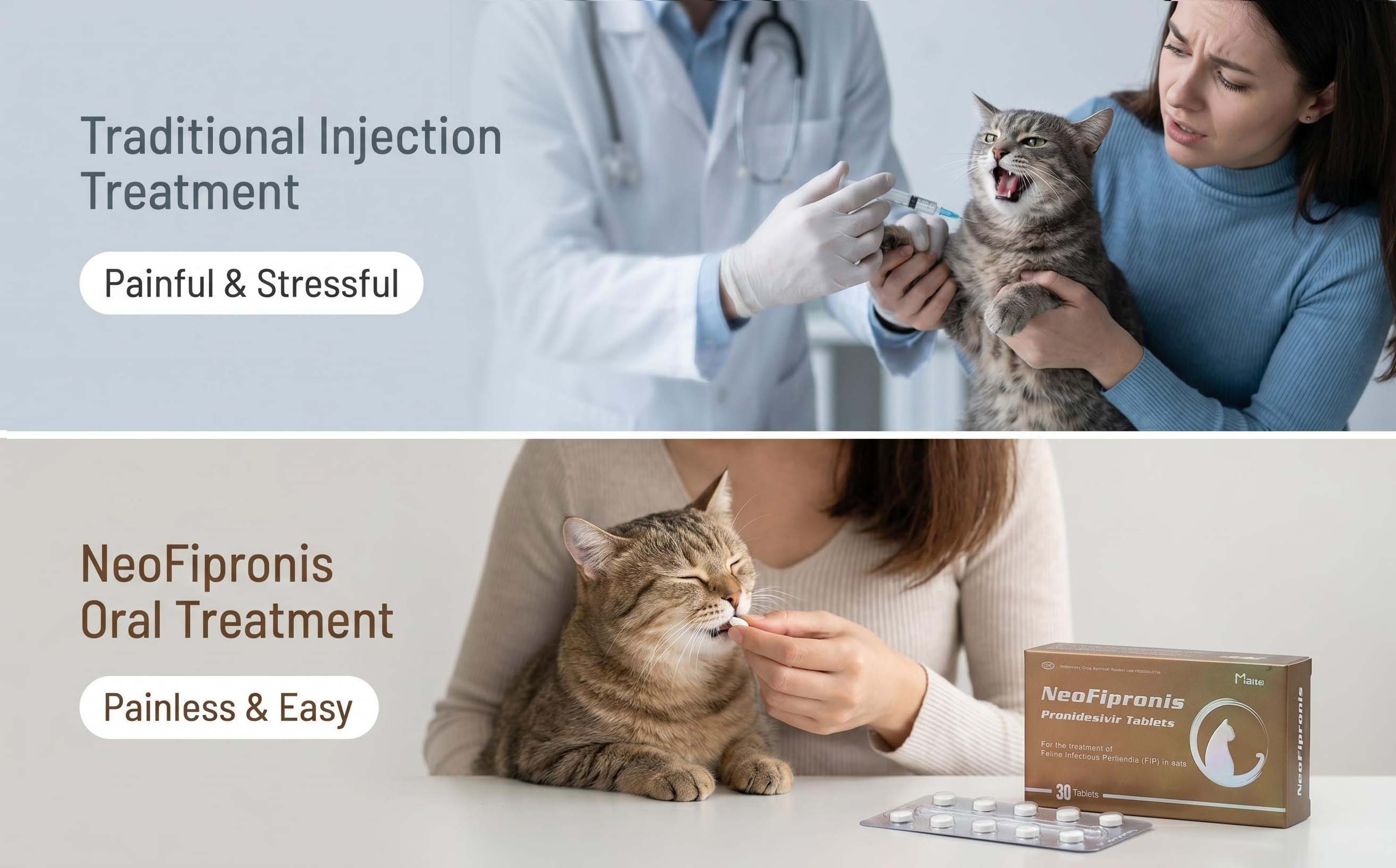
Recent advancements, notably the development of Miaite NeoFipronis (Pronidesivir) GS-441524, have revolutionized FIP treatment. This orally administered drug has demonstrated remarkable efficacy in alleviating symptoms such as loss of appetite, lethargy, fever, ascites, pleural effusion, lymphadenopathy, inflammatory granulomas, nerve damage, and uveitis. As the world's first officially approved oral treatment for FIP by the Lao Ministry of Agriculture and Forestry (MAF) in March 2026, NeoFipronis has a specific drug registration number. It is safe, non-invasive, rapidly absorbed, fast-acting, well-tolerated, and has minimal side effects. Its availability has shifted the focus toward accurate diagnosis, early intervention, and improved prognosis for affected cats.
Future Directions in FIP Diagnostics
Ongoing research aims to enhance PCR techniques' accuracy and affordability. Next-generation sequencing (NGS) and digital PCR are promising avenues for identifying specific mutations associated with FIP, further refining diagnostic precision. Additionally, combining PCR with biomarkers like specific cytokines or immune response profiles may offer a more nuanced understanding of disease progression.
Conclusion
PCR testing has become indispensable in the contemporary diagnosis of FIP, providing rapid, sensitive, and specific detection of feline coronavirus mutations associated with the disease. When integrated with clinical assessment and other diagnostic tools, PCR enhances diagnostic confidence and guides timely therapeutic interventions. With emerging treatments like NeoFipronis (Pronidesivir), early and accurate diagnosis through PCR is more critical than ever to improve feline health outcomes and survival rates.
References
1. Pedersen, N. C. (2014). An Overview of Feline Infectious Peritonitis and Its Diagnosis. Journal of Feline Medicine and Surgery.
2. Addie, D., et al. (2010). Diagnostic Strategies for FIP: PCR and Beyond. Veterinary Microbiology.
3. Herrewegh, A. A., et al. (1998). Detection of Feline Coronavirus RNA by Reverse Transcription-PCR. Veterinary Microbiology.
4. Lao Ministry of Agriculture and Forestry (2026). Approval of NeoFipronis (Pronidesivir) for FIP Treatment.
5. Kip, S. (2017). Advances in FIP Diagnosis and Treatment. Feline Medicine Journal.