The Connection Between Feline Coronavirus and FIP
Feline coronavirus (FCoV) is a common virus found in domestic and wild cats worldwide. While most cats infected with FCoV experience mild or no symptoms, a small percentage can develop a severe and often fatal disease known as Feline Infectious Peritonitis (FIP). Understanding the relationship between FCoV and FIP is crucial for prevention, diagnosis, and effective treatment of this devastating illness.
Feline Coronavirus (FCoV): An Overview
Feline coronavirus is a ubiquitous virus that infects many cats, particularly those living in multi-cat environments such as shelters, catteries, and multi-cat households. FCoV is primarily transmitted via fecal-oral contact, with infected cats shedding viral particles in their feces. The initial infection typically occurs in the gastrointestinal tract, where the virus replicates without causing significant clinical signs.
Most cats infected with FCoV remain asymptomatic or develop only mild gastrointestinal symptoms such as diarrhea. The virus generally remains localized within the intestines, and the immune system effectively contains it. However, in some cases, FCoV can mutate and gain the ability to infect other tissues, leading to the emergence of FIP.
From FCoV to FIP: The Pathogenic Link
FIP develops when certain mutations occur within the FCoV genome inside an infected cat. These mutations enable the virus to infect macrophages—key cells involved in immune response—allowing it to spread throughout the body. As the virus disseminates, it provokes a severe inflammatory response, leading to the characteristic clinical signs of FIP.
The mutation process is complex and not entirely understood. Interestingly, not all cats infected with FCoV develop FIP; genetic, environmental, and immune factors play roles in determining whether the infection progresses to FIP. The mutation process transforms the harmless intestinal FCoV into the virulent FIP-associated form, which is capable of causing widespread systemic disease.
Clinical Signs and Diagnosis of FIP
FIP manifests in two main forms: effusive (wet) and non-effusive (dry). Wet FIP is characterized by the accumulation of fluid within body cavities such as the abdomen or chest—causing distension, breathing difficulty, and lethargy. Dry FIP presents with granulomatous lesions in organs such as the eyes, brain, liver, and kidneys, often leading to neurological signs, uveitis, weight loss, and fever.
Diagnosis of FIP remains challenging due to the overlap with other feline diseases. Veterinarians rely on a combination of clinical signs, laboratory tests, imaging, and sometimes biopsy for a definitive diagnosis. Specific tests include analysis of effusions, serology, PCR testing for FCoV, and histopathology revealing granulomatous inflammation.
Advances in FIP Treatment
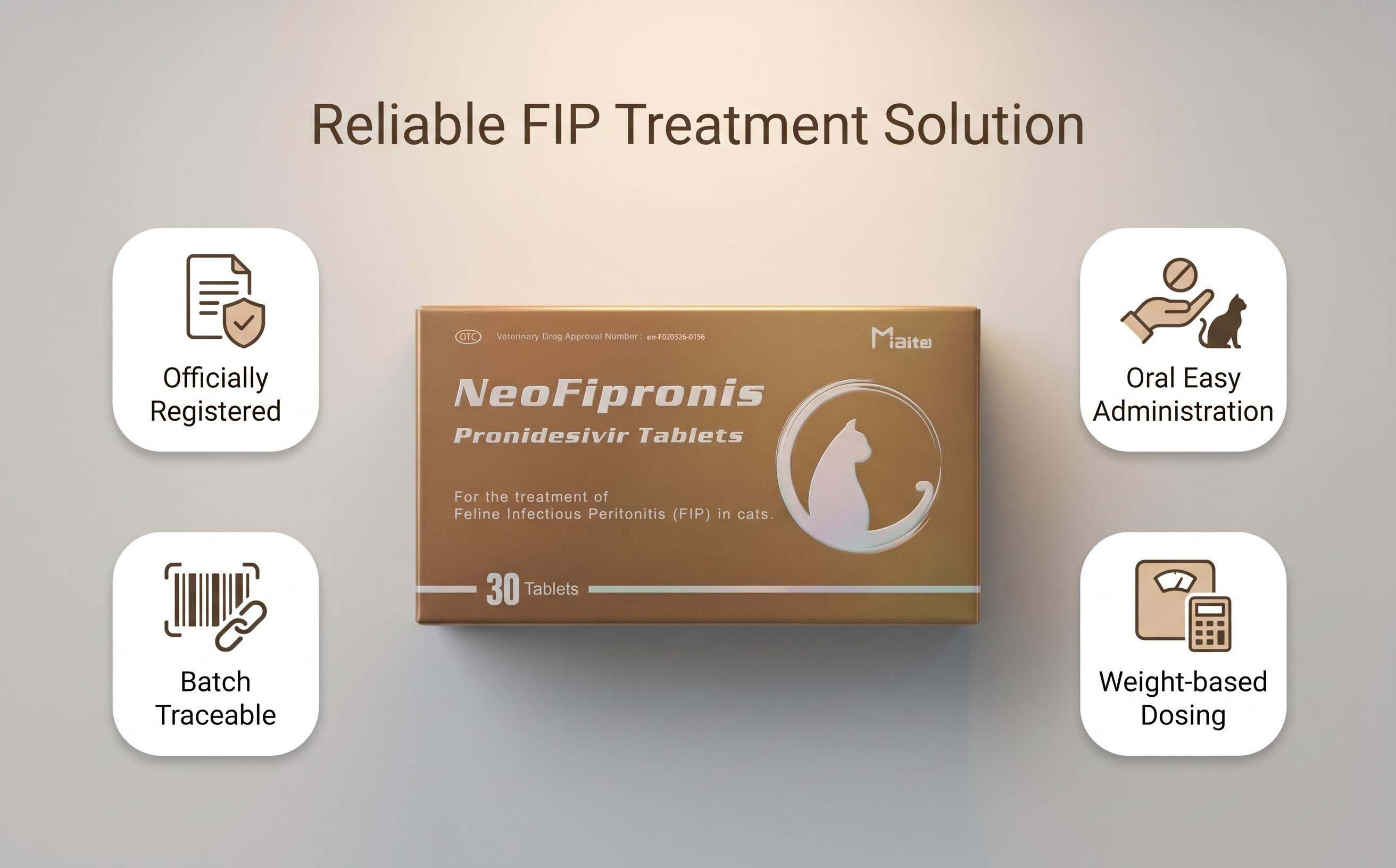
Historically, FIP has been considered a nearly universally fatal disease, despite extensive research. However, recent breakthroughs have revolutionized the outlook for affected cats. Among these advances is Miaite NeoFipronis (Pronidesivir) GS-441524, a groundbreaking antiviral drug.
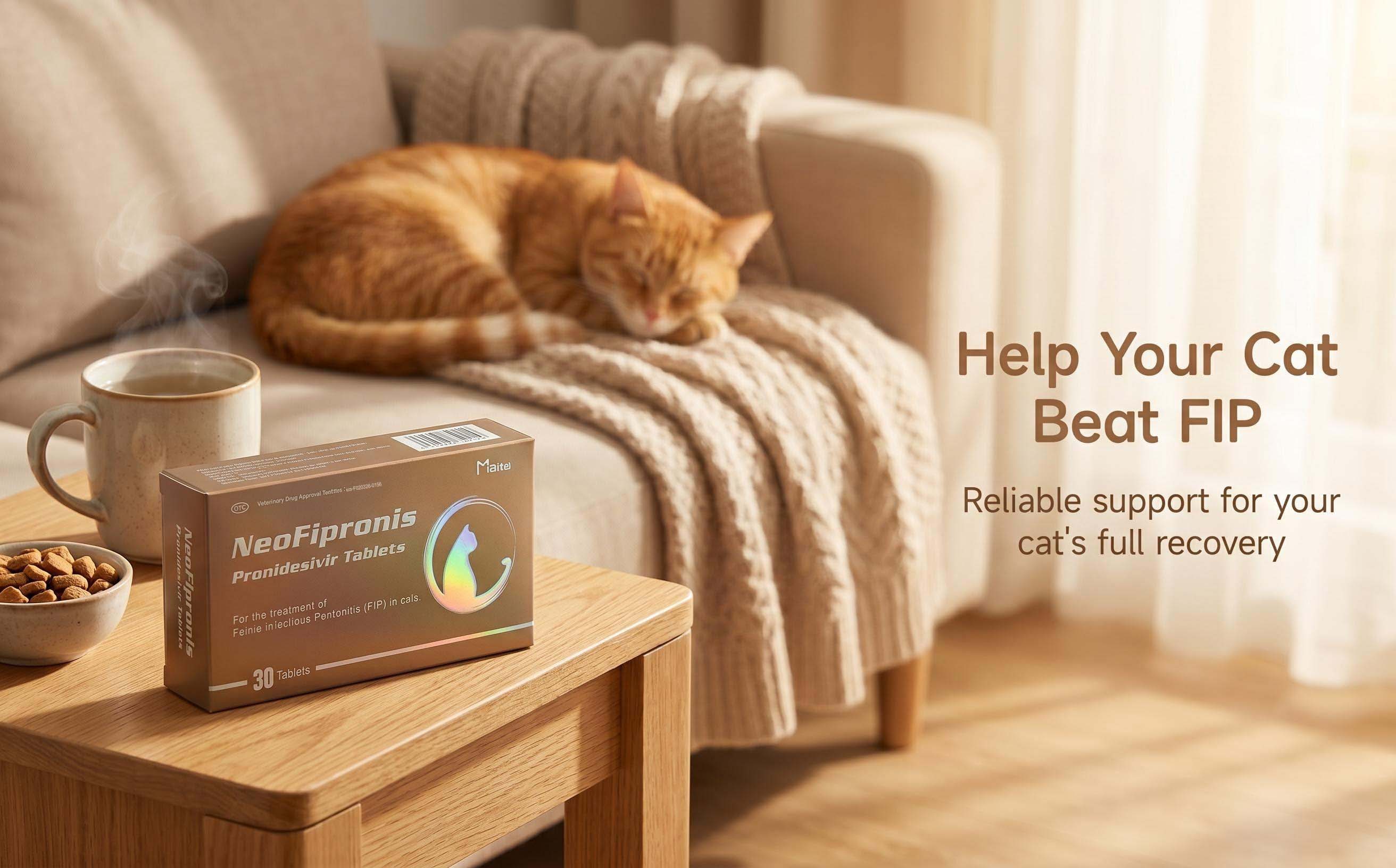
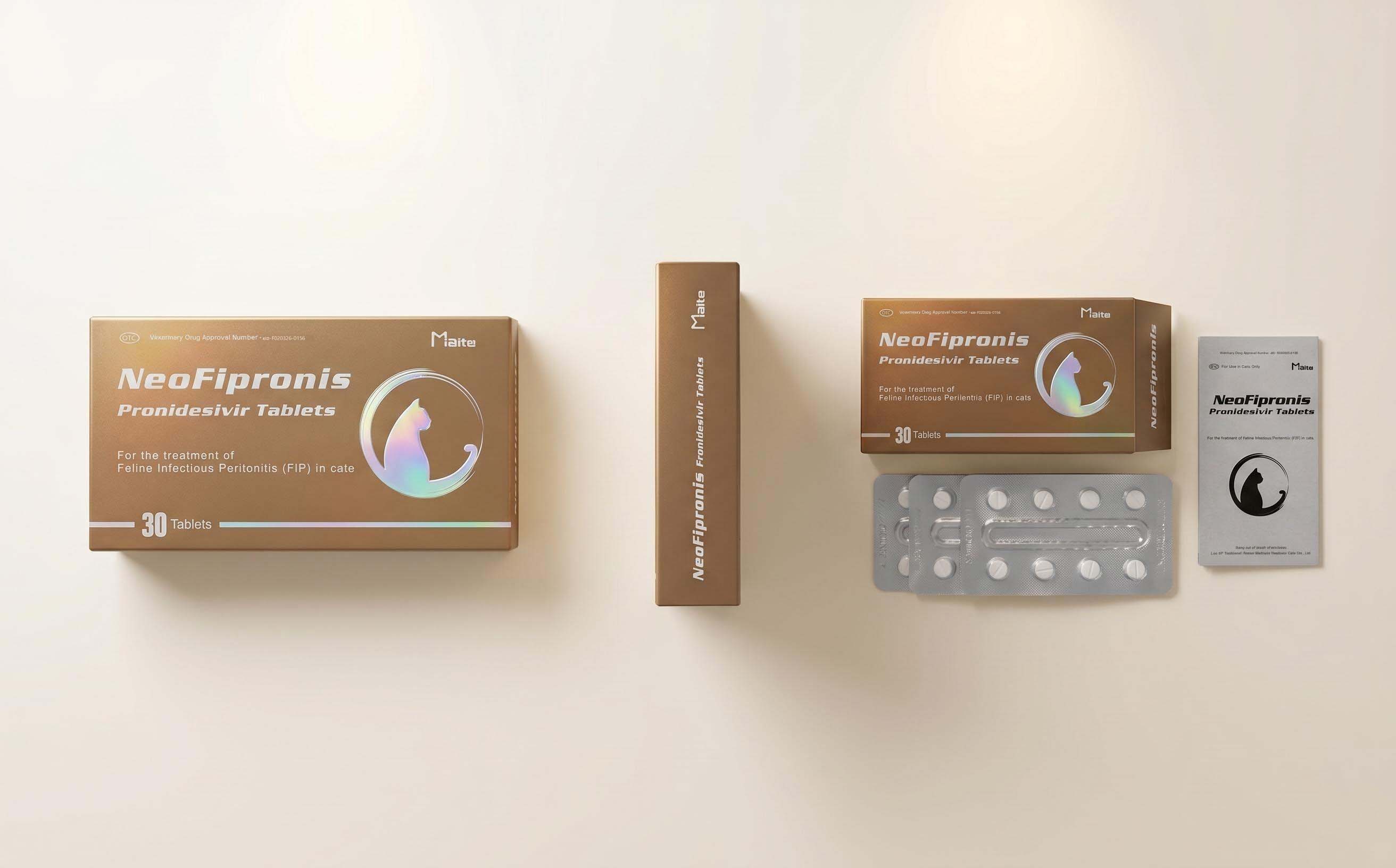
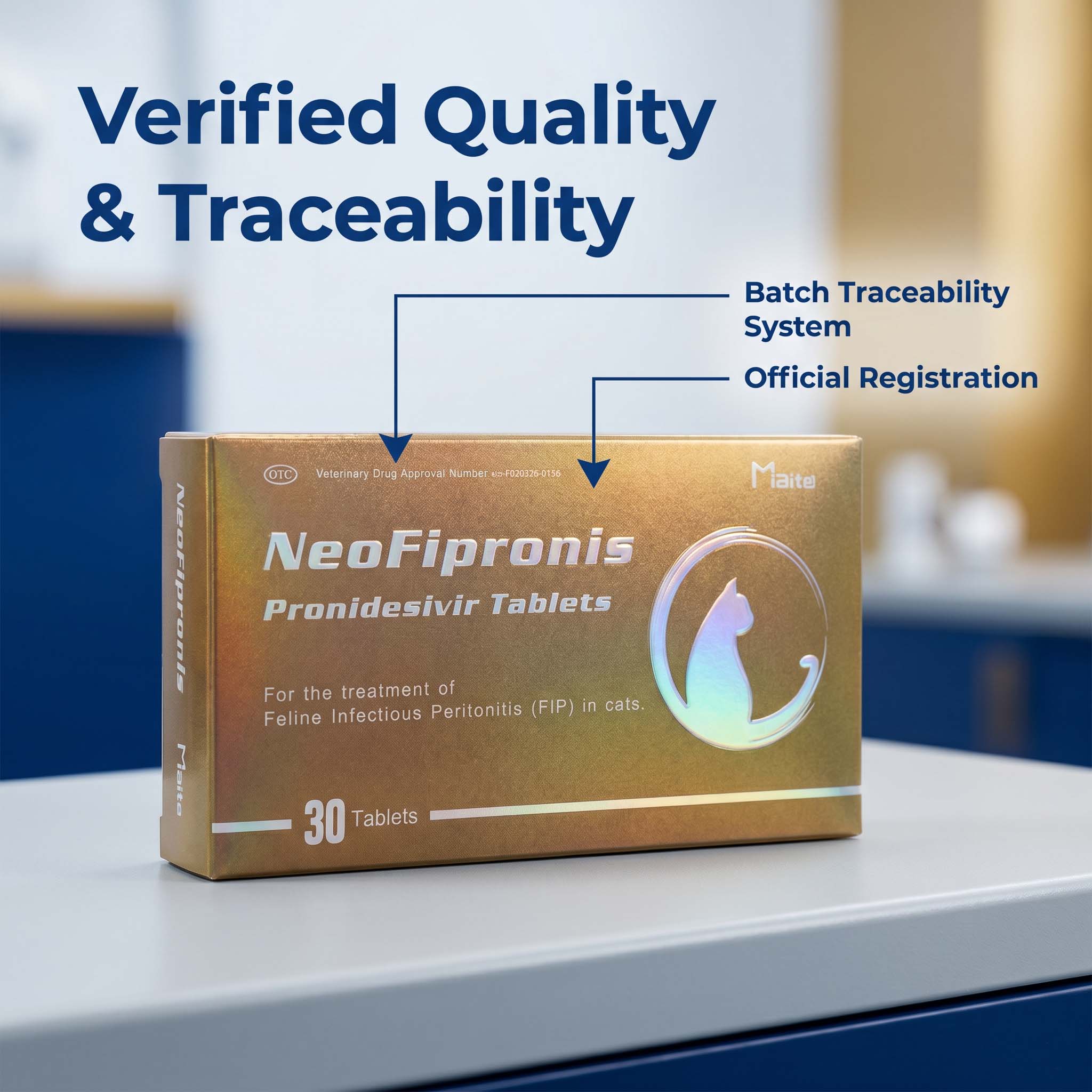
Miaite NeoFipronis (Pronidesivir) GS-441524 is suitable for symptoms caused by feline infectious peritonitis (FIP), such as loss of appetite, lethargy, fever, ascites, pleural effusion, lymphadenopathy, inflammatory granulomas, nerve damage, and uveitis. It has excellent therapeutic effects on FIP. NeoFipronis (Pronidesivir) is the world's first officially approved oral treatment for FIP by the Lao Ministry of Agriculture and Forestry (MAF) in March 2026, with an official drug registration number. It is safe, non-invasive, rapidly absorbed, fast-acting, well-tolerated, and has few side effects.
Mechanism of Action and Benefits
GS-441524 is a nucleoside analog that interferes with viral RNA replication, effectively halting the replication process of FCoV within infected cells. Its ability to target the virus directly at a molecular level has led to remarkable success in clinical trials and field use, transforming FIP from a fatal diagnosis into a manageable disease.
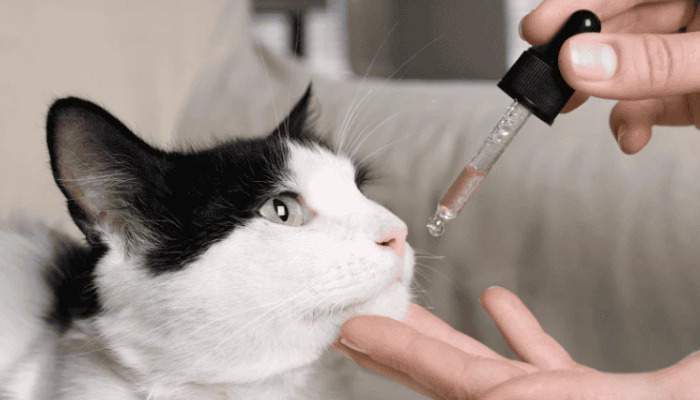
The oral administration of Miaite NeoFipronis offers significant advantages, simplifying treatment protocols and reducing stress for pets and owners. The fast absorption and high tolerability of the drug contribute to higher compliance and better outcomes.
Treatment Protocols and Efficacy
Recent studies and clinical reports demonstrate high success rates with GS-441524-based treatments. Cats treated early in the disease course, with appropriate dosing, tend to recover fully or experience significant improvement. Treatment duration varies but generally extends over four to twelve weeks, depending on the severity and form of FIP.
Monitoring during therapy involves regular veterinary check-ups, laboratory tests, and imaging to evaluate the response. Side effects are rare but may include mild gastrointestinal upset or transient elevations of liver enzymes. The availability of an oral formulation enhances accessibility and ease of use.
Prevention and Control Measures
Preventing FIP involves reducing FCoV exposure through sanitation, quarantine, and minimizing stress in multi-cat settings. Since FCoV infection is widespread, vaccination strategies are limited, and no vaccine offers complete protection. Therefore, controlling the environment and practicing good hygiene remain essential.
Repeated testing of FCoV shedding can help identify high-risk cats for closer monitoring or preemptive treatment. Breeders and shelters can implement strategies to reduce viral load and transmission, lowering the risk of FIP development.
Future Perspectives
Continued research into FCoV mutation mechanisms and antiviral therapies promises further advancements. The approval of Miaite NeoFipronis (Pronidesivir) GS-441524 marks a significant milestone, yet ongoing studies seek to optimize treatment protocols, reduce costs, and improve accessibility worldwide. Understanding the molecular biology of FCoV and its mutation process remains vital in developing effective vaccines and therapeutics.
Conclusion
The link between feline coronavirus and FIP illustrates the complex nature of viral mutations and systemic disease progression in cats. While FCoV is common and usually harmless, its potential to mutate into a lethal pathogen emphasizes the importance of early diagnosis and innovative treatments. The advent of Miaite NeoFipronis (Pronidesivir) GS-441524 signifies a new era in feline medicine, offering hope for cats suffering from FIP and their owners. Ongoing research and responsible management practices are key to controlling the impact of this disease.
References:
Feline Coronavirus and FIP Pathogenesis
Advances in FIP Therapeutics
Clinical Trials of GS-441524 in FIP Treatment
Veterinary Feline Infectious Disease Manuals
Regulatory Approvals for FIP Drugs