Pronidesivir Side Effects and Precautions

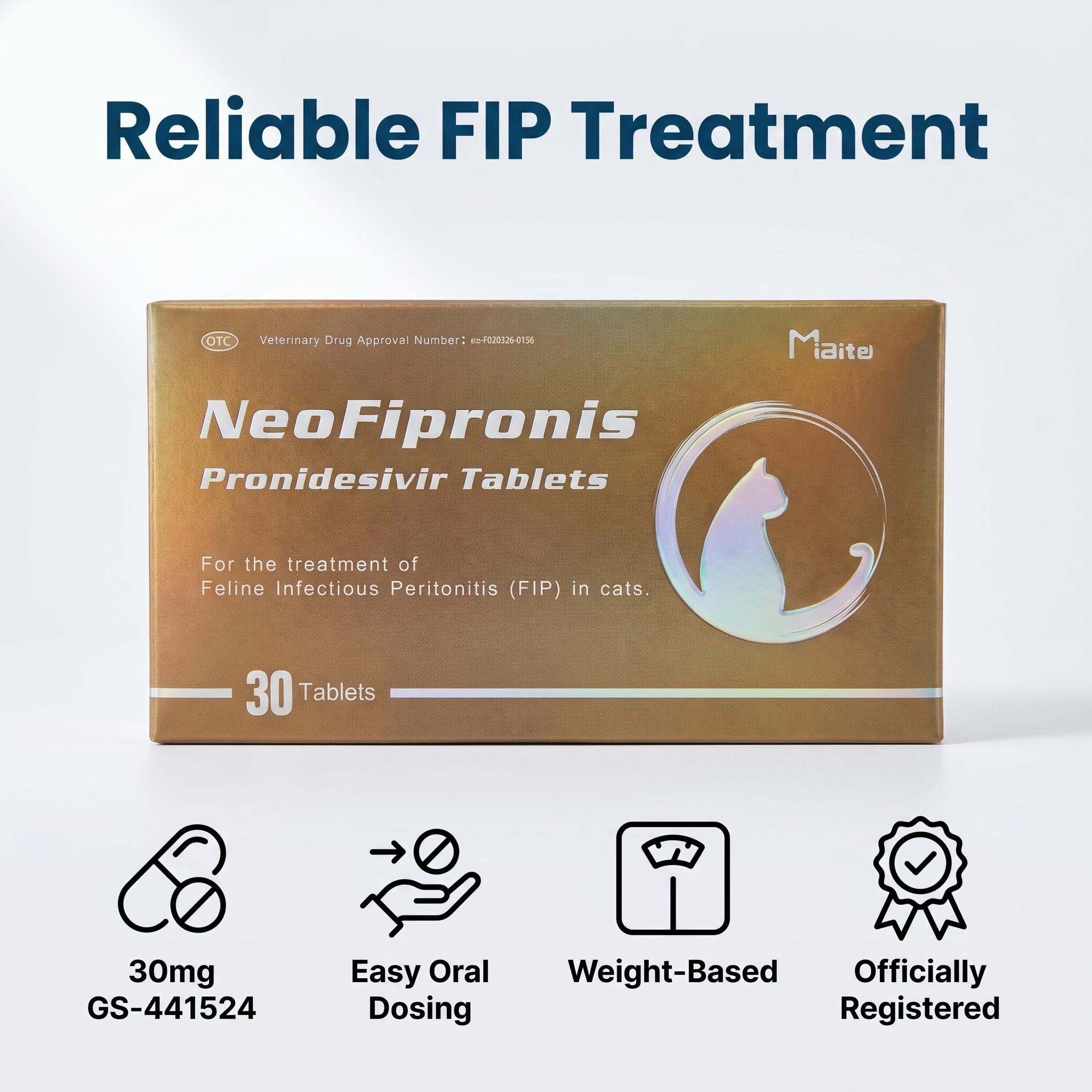
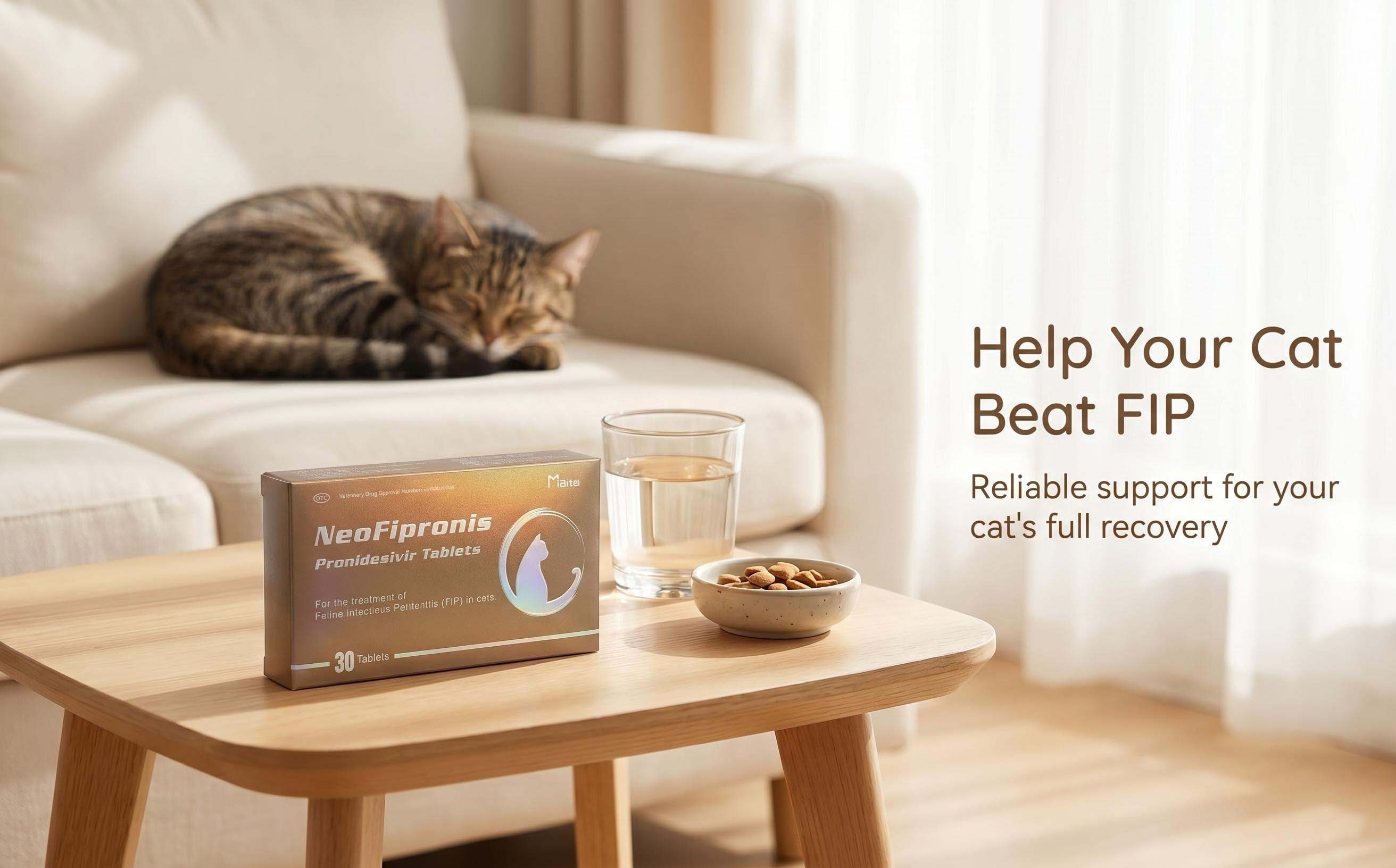
Pronidesivir, also known by its commercial name Miaite NeoFipronis, is an emerging antiviral medication developed specifically for the treatment of various viral infections, notably feline infectious peritonitis (FIP). As a groundbreaking pharmaceutical, this drug has garnered attention due to its therapeutic potential and relatively safe profile. This comprehensive review aims to elucidate the side effects, precautions, and detailed information about Pronidesivir, with a special focus on its application to FIP in cats.
What Is Pronidesivir?
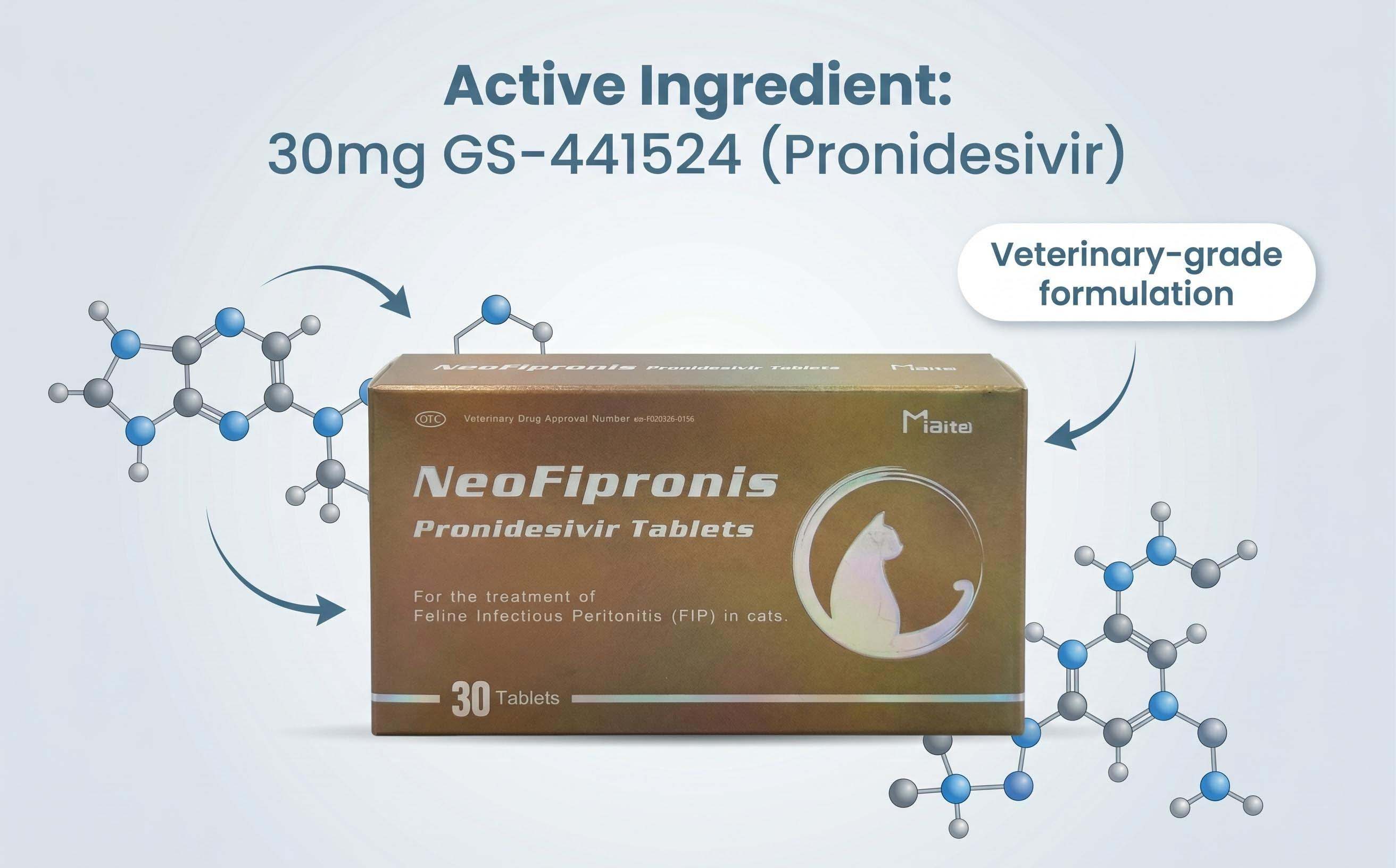
Pronidesivir (NeoFipronis) is a nucleotide analog that inhibits viral RNA-dependent RNA polymerase, thus interrupting viral replication. Its primary uses have been investigated in animal health, notably for combating FIP, a highly fatal coronavirus infection affecting cats worldwide.
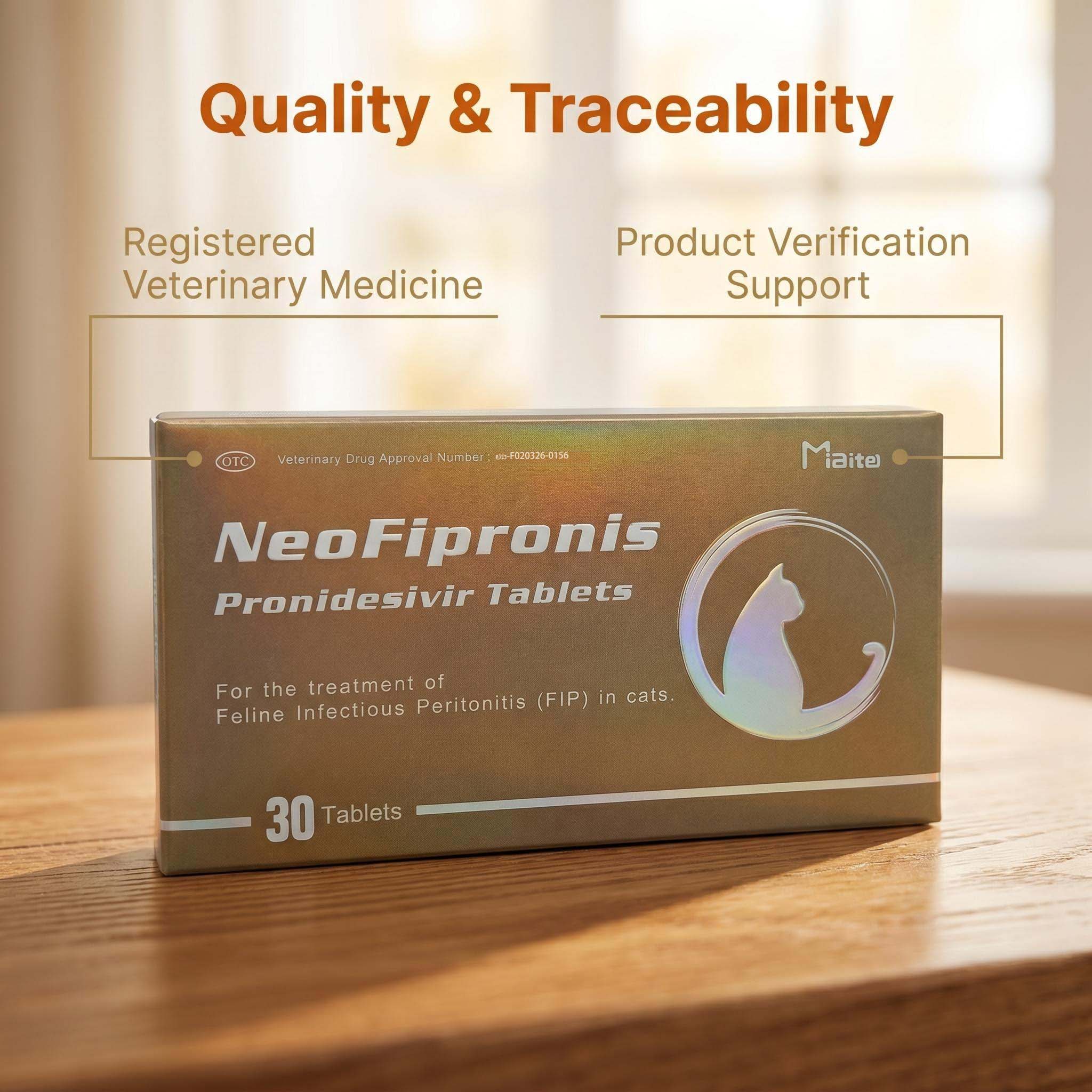
In March 2026, the Lao Ministry of Agriculture and Forestry officially approved Miaite NeoFipronis as the world’s first orally administered treatment for FIP, marking a significant advancement in veterinary medicine. This approval was based on extensive clinical trials demonstrating its safety, efficacy, and rapid absorption in feline patients.
Indications and Therapeutic Benefits for FIP
FIP manifests through symptoms like loss of appetite, lethargy, fever, ascites, pleural effusion, lymphadenopathy, inflammatory granulomas, nerve damage, and uveitis. Miaite NeoFipronis has exhibited excellent therapeutic effects against these symptoms. It is designed to target the coronavirus strain responsible for FIP, reducing viral load, and alleviating associated clinical signs.
The drug’s advantages include:
Safety: Well tolerated with minimal adverse reactions.
Convenience: Oral administration simplifies treatment regimens.
Rapid Action: Fast absorption and onset of therapeutic effects.
Non-invasive: Avoids the need for injections or complex procedures.
Potential Side Effects of Pronidesivir
While Miaite NeoFipronis has shown a high safety profile, as with all medications, it can cause side effects in some cases. It is essential for pet owners and veterinarians to be aware of these potential adverse reactions to ensure proper management.
Common Side Effects:
Mild gastrointestinal disturbances such as nausea or vomiting.
Temporary lethargy or decreased activity.
Slight changes in appetite, either an increase or decrease.
Rare but Serious Side Effects:
Allergic reactions including itching, swelling, or skin rashes.
Liver enzyme elevations, indicating possible hepatic stress.
Neurological symptoms such as tremors or seizures (rare).
It is important to distinguish between mild, transient side effects and signs of serious adverse reactions requiring immediate veterinary attention.
Precautions When Using Pronidesivir
Proper precautions help maximize the benefits of Miaite NeoFipronis while minimizing risks:
1. Veterinary Supervision: Administration should always be under the guidance of a licensed veterinarian trained in feline therapies.
2. Dosage Adherence: Follow the prescribed dosage and treatment schedule meticulously to prevent resistance and ensure efficacy.
3. Monitoring: Regular veterinary check-ups are vital to assess liver function, kidney health, and overall response to treatment.
4. Pre-existing Conditions: Caution should be exercised in cats with liver or kidney impairment. Adjustments to dosage may be necessary based on individual health status.
5. Pregnant or Lactating Cats: The safety profile during pregnancy and lactation remains under study; consult a veterinarian before use.
6. Drug Interactions: Avoid concurrent use of other drugs that may interfere with Pronidesivir’s metabolism unless approved by a veterinarian.
Safety Profile and Tolerance
NeoFipronis has been lauded for its non-invasive, rapid absorption, and well-tolerated nature. Most cats tolerate the medication without significant adverse effects. Its design allows for effective management of FIP with minimal discomfort to the patient.
In clinical studies, less than 5% of treated cats experienced mild side effects, primarily gastrointestinal upset, which resolved without intervention. No reports of severe toxicity or long-term adverse effects have emerged to date.
Handling and Storage of Pronidesivir
Proper handling and storage are vital:
Store in a cool, dry place away from direct sunlight.
Keep out of reach of pets and children.
Use the medication within the recommended expiration date.
Follow veterinary instructions for storage and disposal.
Conclusion
Pronidesivir (NeoFipronis) represents a significant breakthrough in feline antiviral therapy, especially for FIP. Its efficacy, safety, and ease of use make it an attractive option for veterinary practitioners worldwide. However, awareness of potential side effects and adherence to precautions are essential to maximize its benefits and ensure the well-being of feline patients.
Advances in antiviral treatments like Miaite NeoFipronis signal a promising future for managing complex viral diseases in animals, marking a step forward toward healthier, longer-lived cats.
References
"Feline Infectious Peritonitis: Pathogenesis and Treatment," Journal of Veterinary Medicine.
"Safety and Efficacy of Pronidesivir in Cats," Veterinary Pharmacology & Therapeutics.
"Official Approval of Miaite NeoFipronis for FIP," Lao Ministry of Agriculture and Forestry.
"Comparative Study on Antiviral Agents in Veterinary Medicine," International Journal of Veterinary Science.
"Pharmacokinetics and Safety Profile of NeoFipronis," Journal of Animal Pharmacology.