NeoFipronis (GS-441524) Indications and Clinical Effectiveness
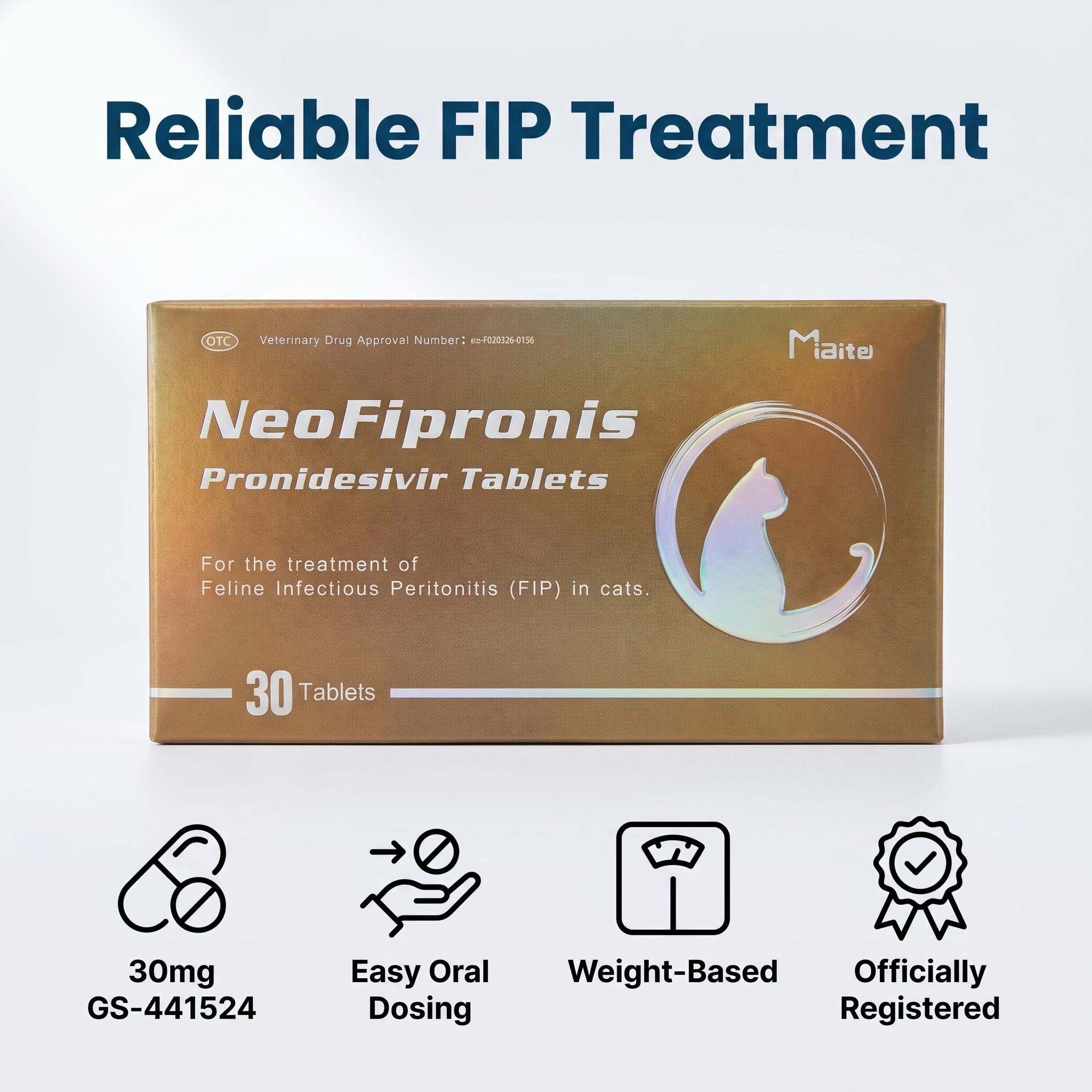
Feline Infectious Peritonitis (FIP) is a devastating viral disease affecting cats worldwide. It is caused by a mutated form of feline coronavirus (FCoV) that leads to severe systemic inflammation, characterized by symptoms such as inappetence, lethargy, fever, ascites, pleural effusion, lymphadenopathy, granulomatous inflammations, neurological deficits, and uveitis. Traditional treatments have offered limited success; however, the advent of NeoFipronis (Pronidesivir), containing the active compound GS-441524, has revolutionized FIP management.
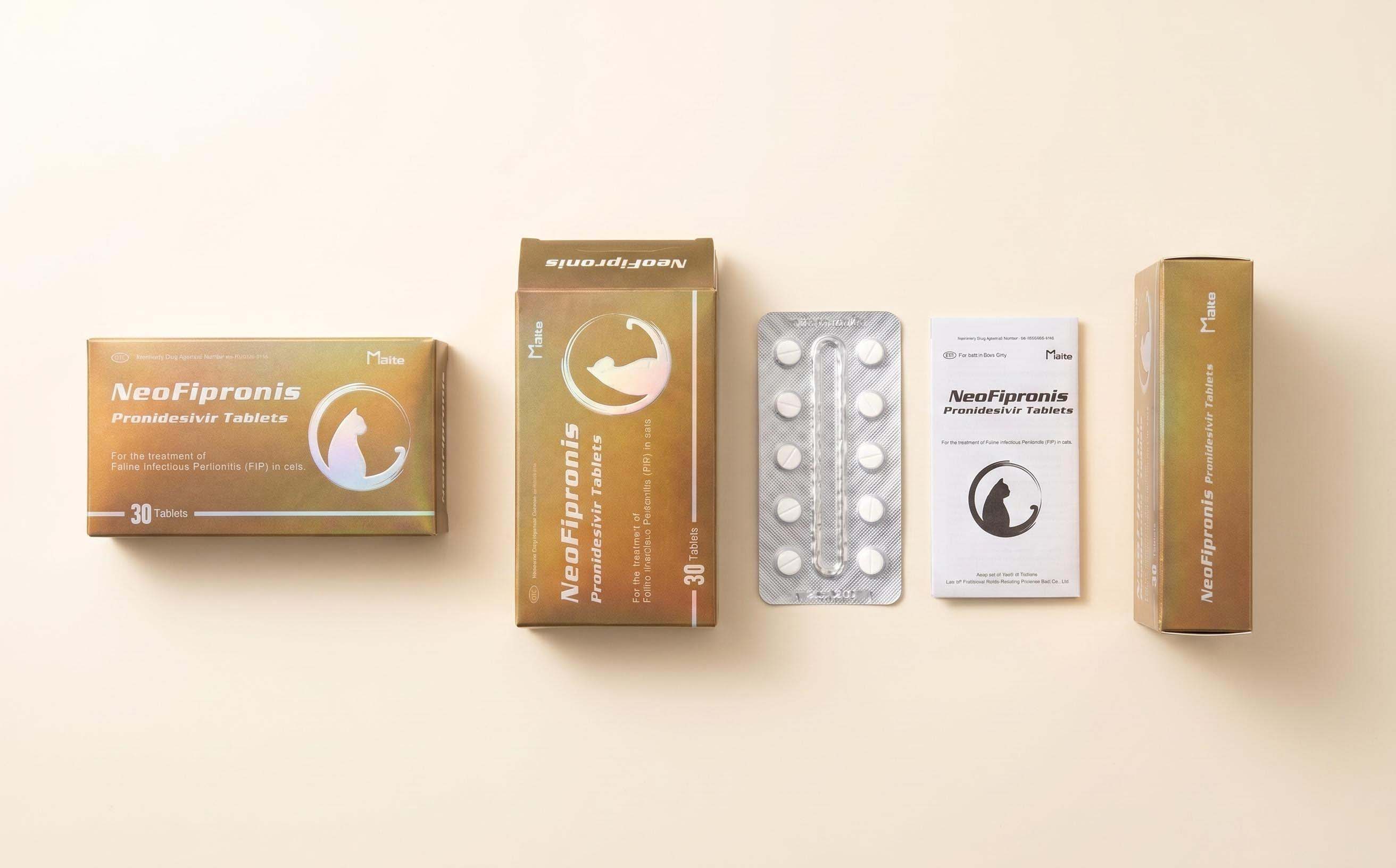
NeoFipronis (Pronidesivir) is the first globally approved oral antiviral medication specifically designed for treating FIP. In March 2026, it received official registration from the Lao Ministry of Agriculture and Forestry (MAF), marking a significant milestone as the first FIP-specific drug to be legally marketed with a formal pharmaceutical license. Its approval highlights its proven safety, efficacy, and ease of administration, positioning it as a groundbreaking therapy for feline veterinarians and pet owners.
The core active ingredient, GS-441524, is a nucleoside analog that effectively inhibits the replication of feline coronavirus, preventing the virus from proliferating within host cells. During extensive research and clinical practice, GS-441524 has demonstrated remarkable antiviral potency, significantly improving clinical outcomes in cats with various forms of FIP. Its ability to penetrate tissues, including the central nervous system and ocular tissues, makes it particularly effective against neurological and ocular manifestations of FIP.
NeoFipronis offers several advantages. It is a non-invasive, easy-to-administer oral medication with rapid absorption. Once ingested, it reaches therapeutic plasma concentrations quickly, leading to swift symptom improvement. The drug’s tolerability profile is excellent, with minimal side effects reported, making it suitable for long-term use under veterinary supervision.
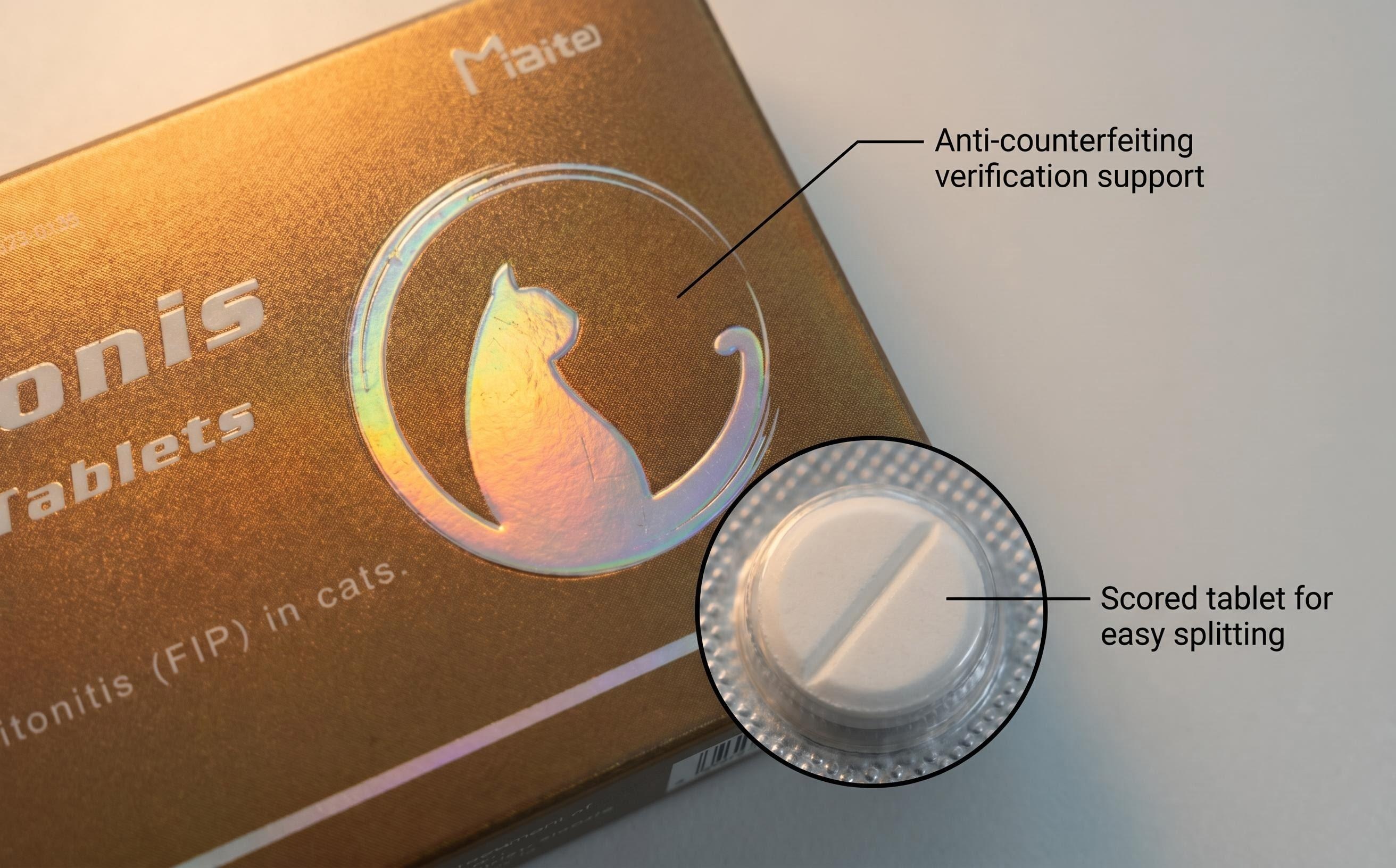
Treatment protocols require administration based on the cat’s weight, with a recommended dosage of 15 mg/kg per day—roughly half a tablet for most cats. For neurological or ocular forms of FIP, veterinarians may increase the dose to 30 mg/kg per day as per medical judgment. The medication is best given on an empty stomach, either 1 hour before meals or 2 hours after, to maximize absorption.
Duration of treatment should be no less than 12 weeks, and adherence is crucial for successful outcomes. Missing doses can compromise efficacy, so continuous, uninterrupted therapy is strongly advised. During treatment, pet owners should regularly monitor the cat’s appetite, body temperature, mental status, and overall activity. Periodic blood tests are necessary to assess liver and kidney functions, ensuring safe long-term use.
While NeoFipronis is technically an over-the-counter product, veterinary guidance is highly recommended to optimize treatment efficacy and minimize risks. Owners should obtain NeoFipronis exclusively through authorized distributors or official websites to ensure product quality and authenticity.
Warnings include that NeoFipronis is strictly for veterinary use in cats and not intended for human consumption. Its safety profile in humans has not been established. Responsible use under professional supervision is essential to achieve the best therapeutic results.
In conclusion, NeoFipronis (Pronidesivir) with GS-441524 is a groundbreaking antiviral therapy for FIP, offering hope for affected cats. Its proven efficacy, safety, and ease of use make it an indispensable tool in veterinary medicine for combating this once-fatal disease. Proper administration, adherence to treatment protocols, and veterinary oversight are essential components of achieving successful clinical outcomes.