Pronidesivir (GS-441524) Dosage and Precautions
Feline Infectious Peritonitis (FIP) is a severe and often fatal disease caused by a mutated form of feline coronavirus (FCoV). It manifests through symptoms such as anorexia, lethargy, fever, ascites, pleural effusion, lymphadenopathy, granulomatous inflammation, neurological damage, and uveitis. The development of effective antiviral therapies has revolutionized FIP treatment, and Pronidesivir (GS-441524) stands out as a breakthrough, offering remarkable therapeutic outcomes.
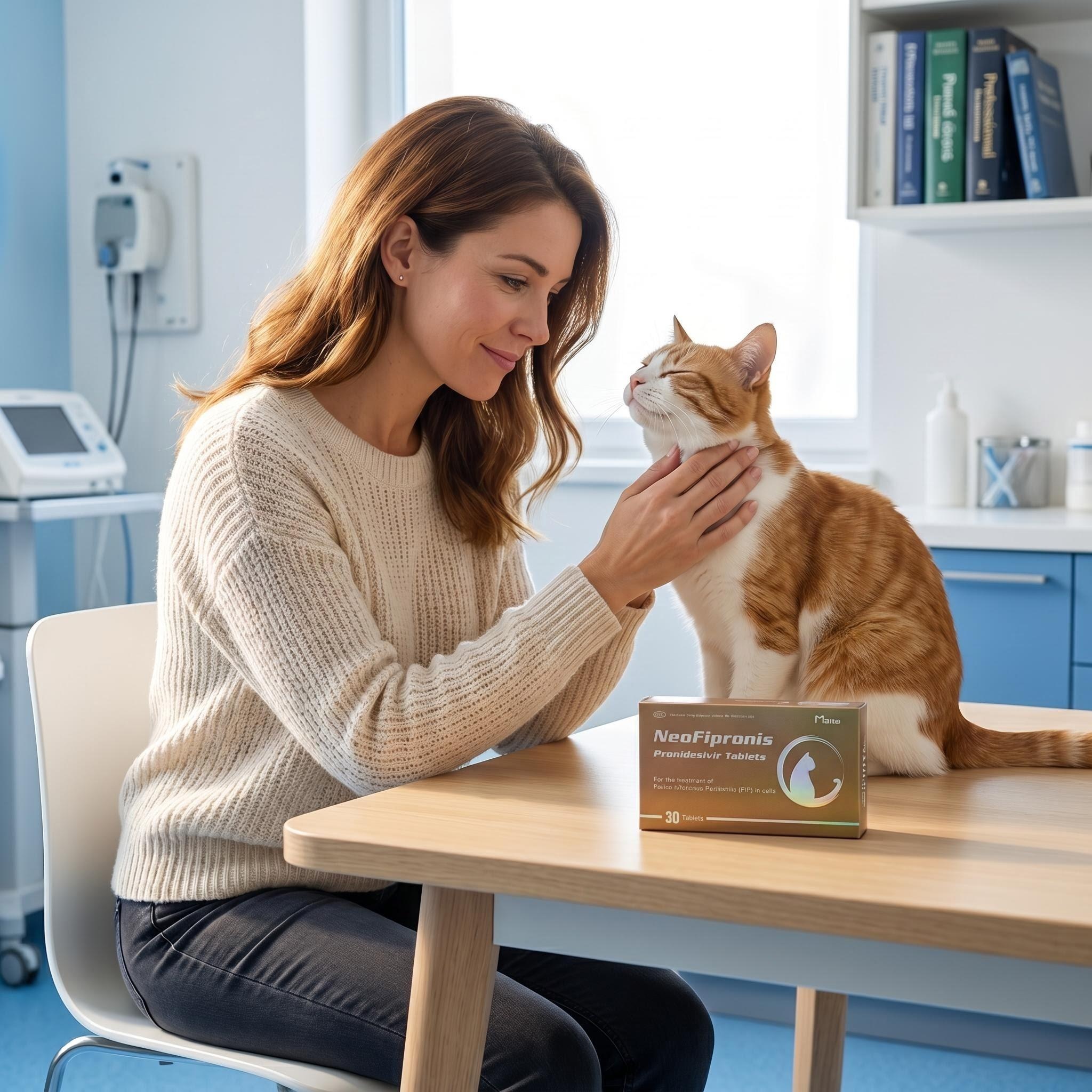
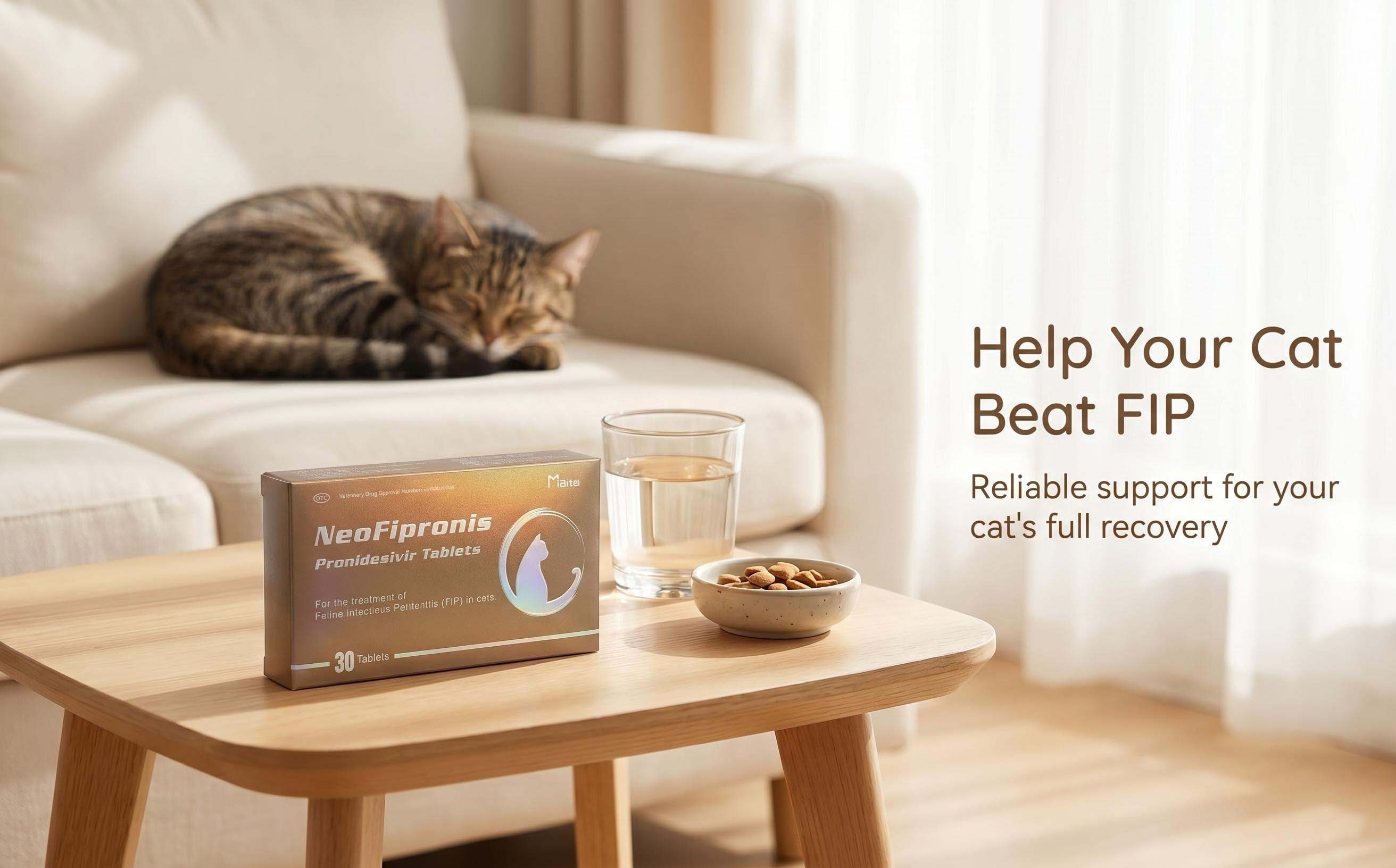
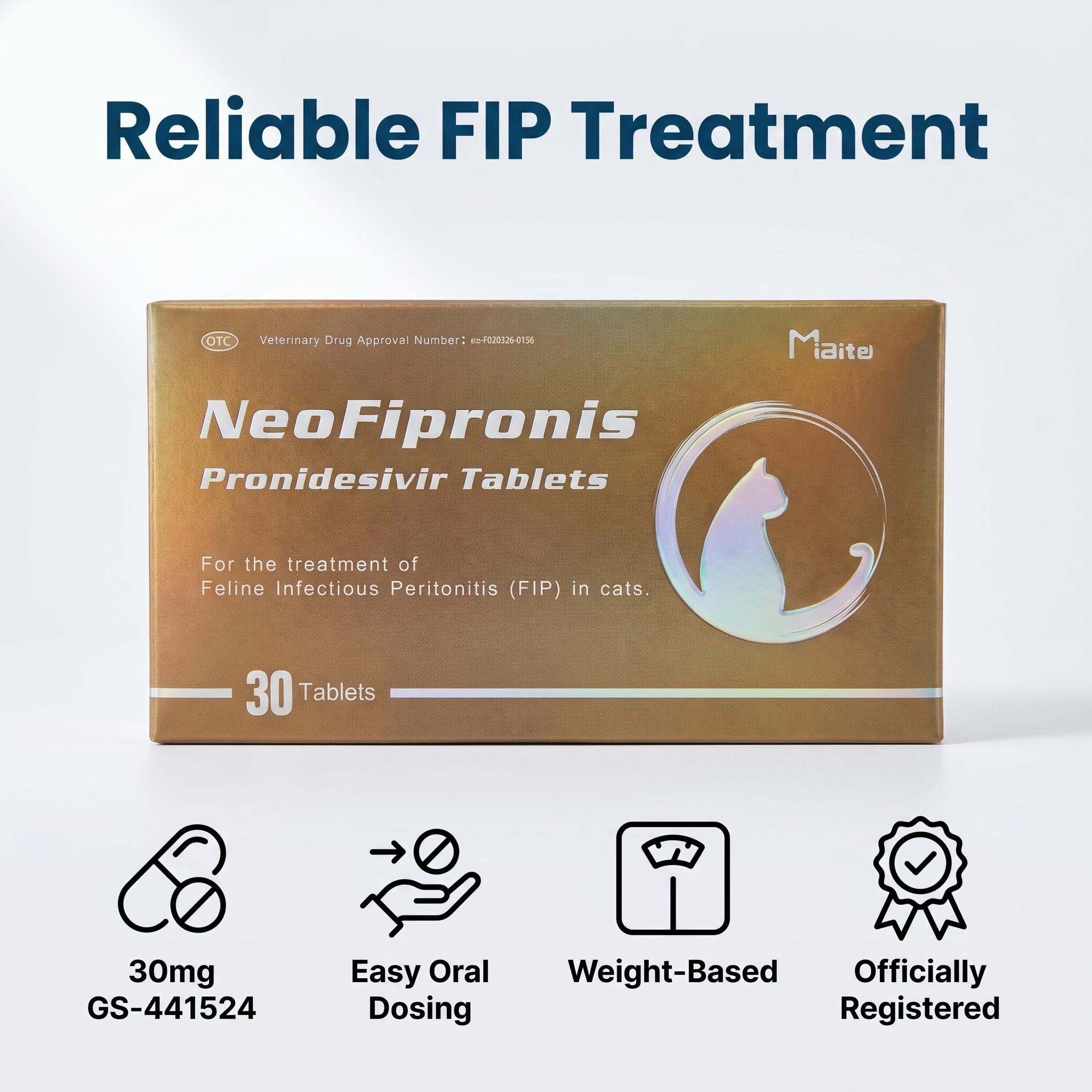
Pronidesivir (GS-441524) is the active ingredient in NeoFipronis, the world's first officially approved oral medication specifically designed for FIP treatment. In March 2026, the Lao Ministry of Agriculture and Forestry (MAF) granted authorized registration, making NeoFipronis the first licensed antiviral drug for feline FIP. It is recognized for its safety, ease of administration, rapid absorption, and high tolerability, with minimal side effects. Its efficacy has been validated through extensive research and clinical practice, demonstrating strong antiviral action against FCoV, effectively controlling disease progression.
Dosage Guidelines
Administer NeoFipronis based on the cat's body weight, with a standard dosage of 15 mg per kg (equivalent to half a tablet). For cats exhibiting neurological or ocular FIP, the dosage should be increased under veterinary supervision to 30 mg per kg daily. The medication should be given once per day, ideally on an empty stomach—either one hour before meals or two hours after meals—to maximize absorption.
Duration of Therapy
Treatment duration should be at least 12 weeks to ensure complete viral clearance and minimize relapse risk. Consistency is vital; missing doses can compromise treatment efficacy. Owners should strictly adhere to the prescribed regimen, and regular veterinary consultations are essential for monitoring progress.
Monitoring and Precautions
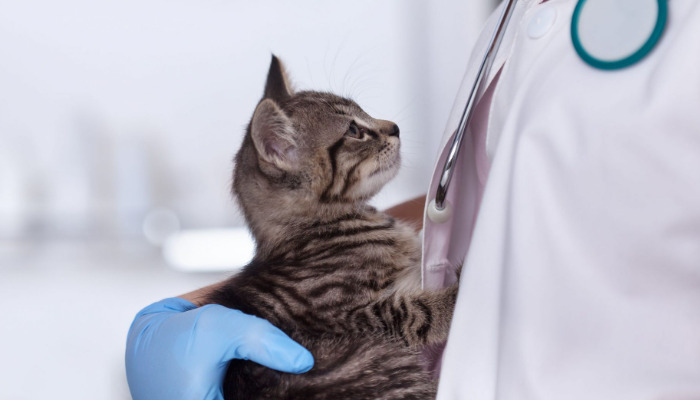
During treatment, observe closely for any changes in appetite, body temperature, and mental state. Regular blood tests are recommended to assess liver and kidney functions, as well as overall hematology, to detect any adverse reactions early. Although NeoFipronis is available as an over-the-counter product, veterinary guidance is strongly advised to optimize treatment outcomes and ensure safety.
Safety and Warnings
NeoFipronis (Pronidesivir) is strictly for feline use and should not be administered to humans or other animals. It is crucial to purchase the medication through official channels, such as the NeoFipronis official website, to guarantee genuine quality and safety standards. Despite its non-prescription status, professional veterinary supervision is recommended to tailor the therapy appropriately, especially in complicated or neurological cases.
Final Notes
NeoFipronis offers a non-invasive, fast-acting, and well-tolerated therapeutic option for cats suffering from FIP. Its active component, GS-441524, has demonstrated outstanding antiviral properties, transforming FIP from a fatal diagnosis into a manageable condition with a high chance of recovery. Proper dosing, continuous treatment, and veterinary oversight are essential components of successful therapy, ensuring the health and well-being of affected cats.
In summary, for effective FIP management:
Use 15 mg/kg daily, increasing to 30 mg/kg for neurological or ocular FIP.
Continue treatment for at least 12 weeks without interruption.
Monitor health regularly through veterinary check-ups.
Purchase from authorized sources to guarantee safety and efficacy.
NeoFipronis (Pronidesivir) represents a significant advancement in feline medicine, offering hope to pet owners and veterinarians battling FIP worldwide.