Pronidesivir Dosage Recommendations for Cats
Feline Infectious Peritonitis (FIP) is a devastating and often fatal disease affecting domestic cats worldwide. Caused by a mutated form of the feline coronavirus (FCoV), FIP results in severe systemic inflammation, leading to organ failure and death if untreated. Historically, treatment options for FIP have been limited, and the prognosis has been poor. However, recent advances in antiviral therapies have brought new hope, notably the emergence of Pronidesivir (NeoFipronis), an innovative oral antiviral medication approved specifically for feline use.
Understanding FIP and Its Challenges
FIP presents in two main forms: the wet (effusive) form characterized by fluid accumulation in the abdomen and chest, and the dry (noneffusive) form marked by granuloma formation and organ infiltration. Symptoms often include loss of appetite, lethargy, fever, weight loss, lymphadenopathy, neurological deficits, and ocular abnormalities such as uveitis. Early diagnosis is complex and often relies on clinical signs, laboratory tests, and sometimes biopsy confirmation.
Effective management of FIP has been challenging due to limited therapeutic options. Traditional treatments largely focused on supportive care, palliative measures, and experimental drugs with variable success. Over recent years, nucleoside analogs like GS-441524 have demonstrated remarkable efficacy, significantly improving survival rates in cats with FIP. The recent approval of Pronidesivir (NeoFipronis) marks a new milestone, offering a safe, effective, and convenient option for feline patients.
Pronidesivir (NeoFipronis): An Overview
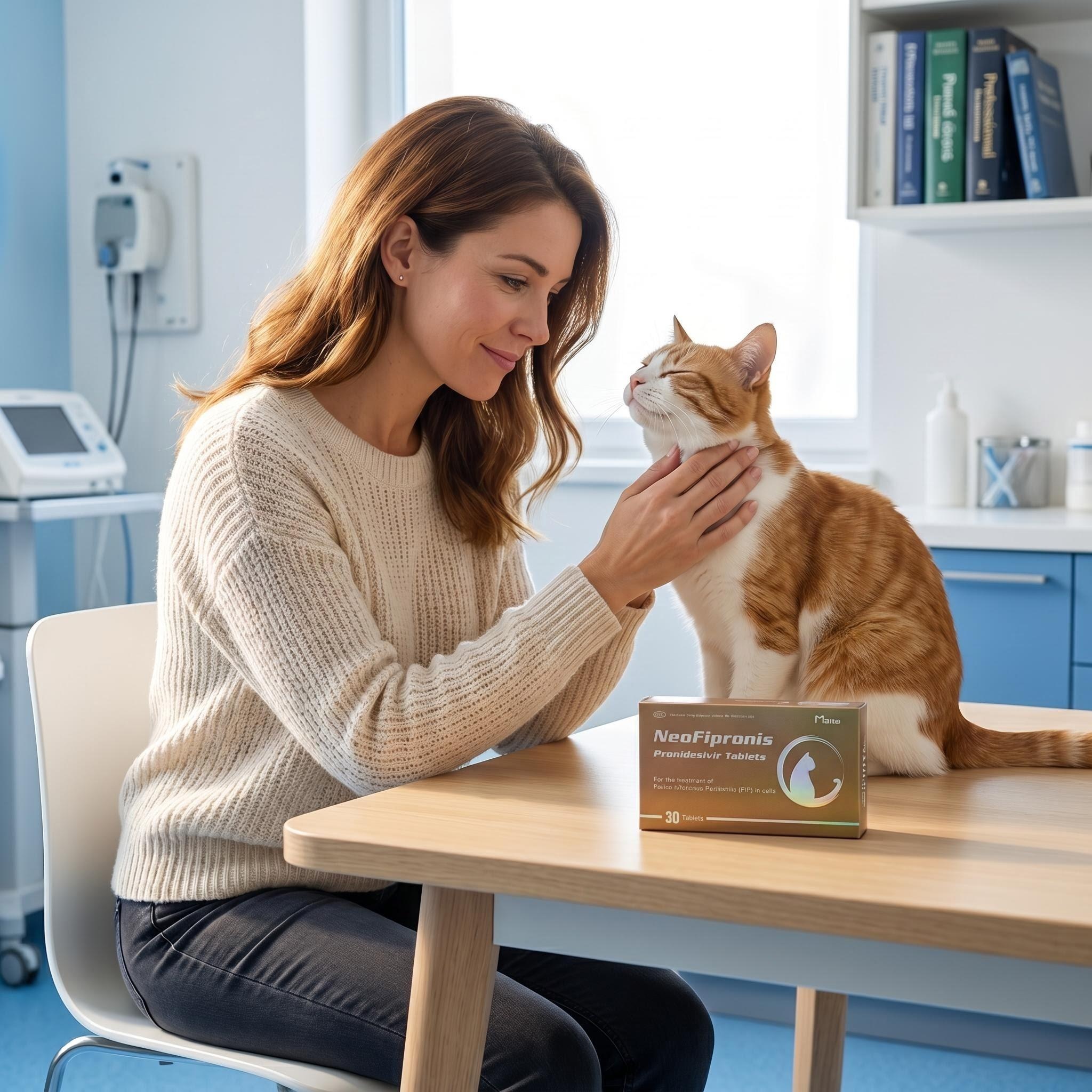
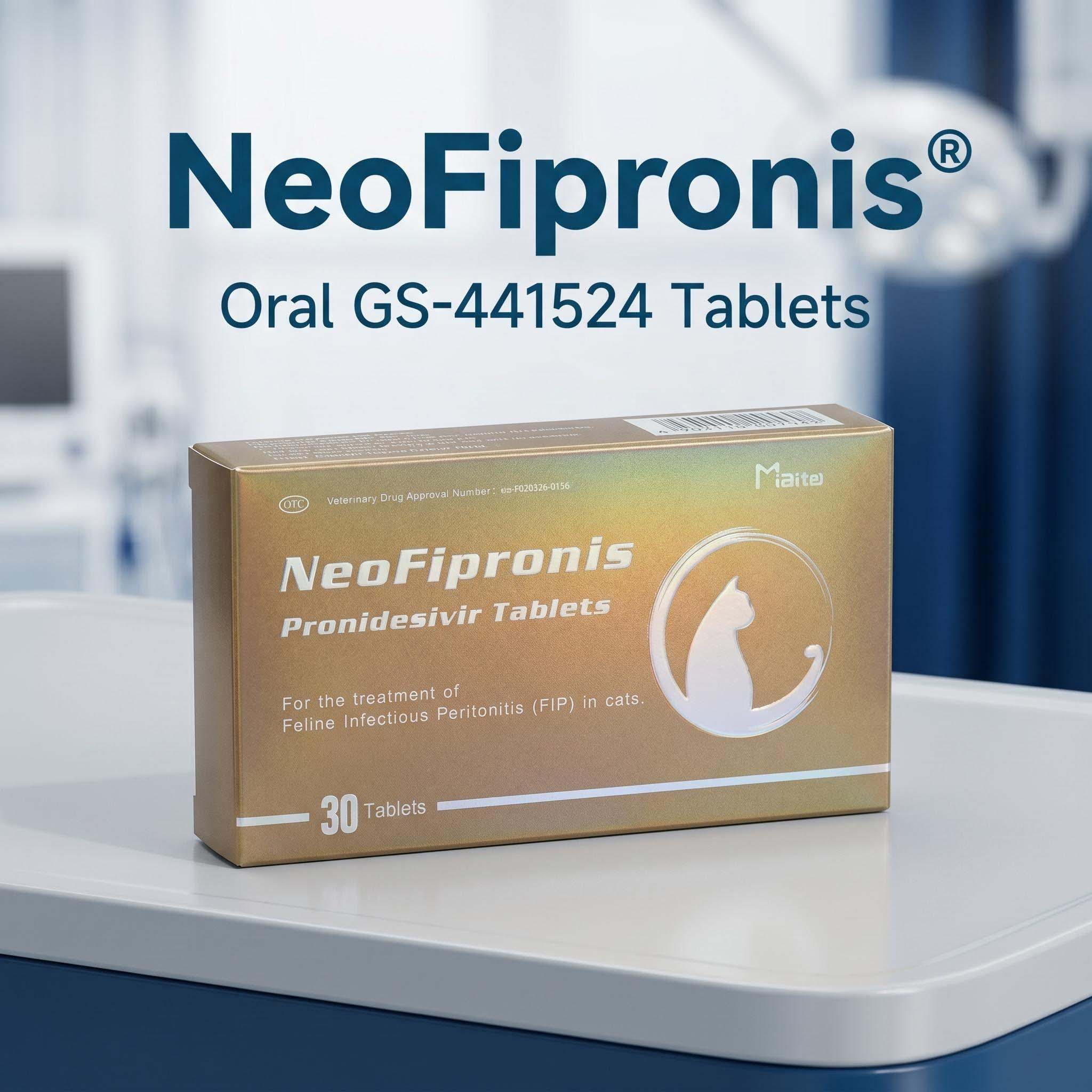
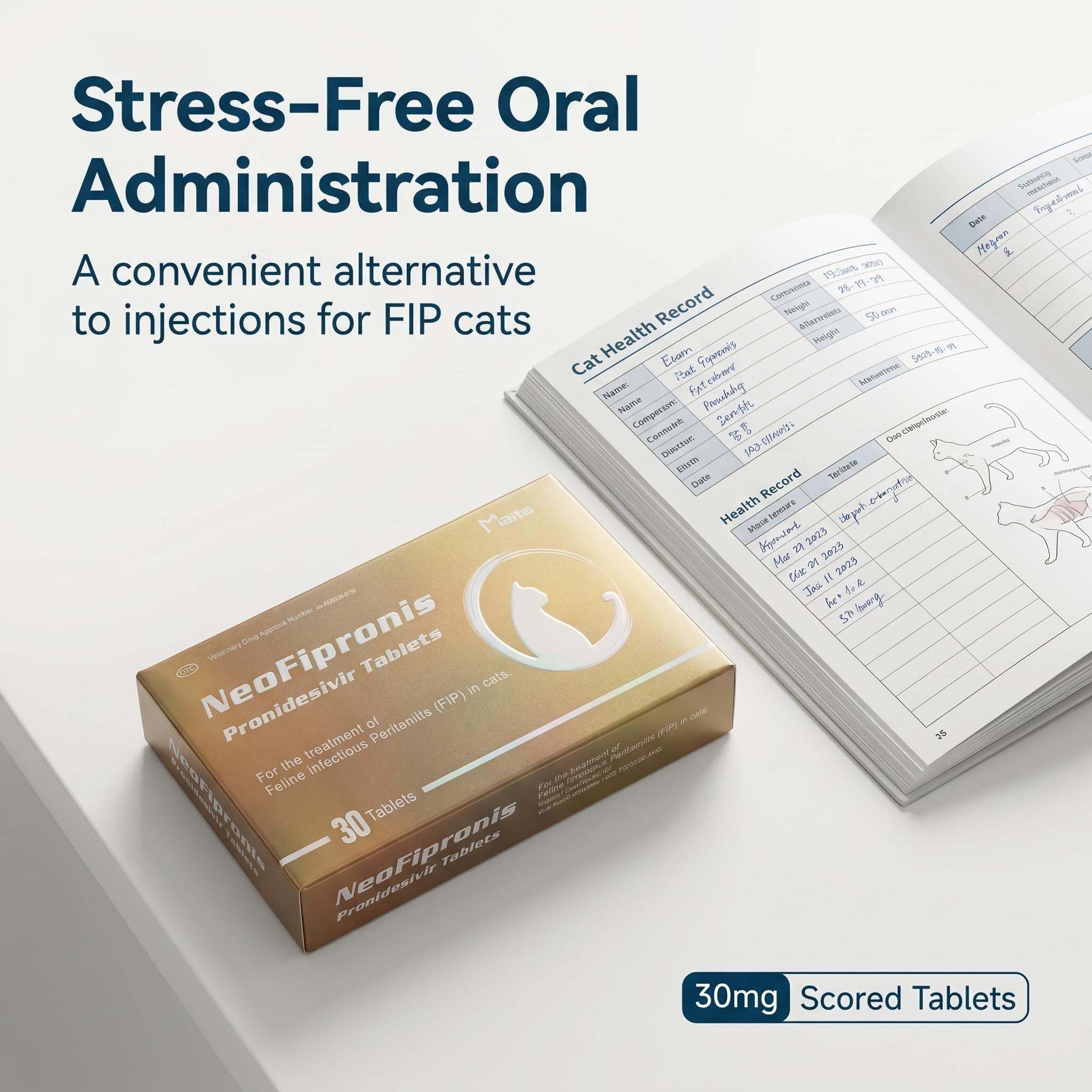
Miaite NeoFipronis (Pronidesivir) GS-441524 is suitable for symptoms caused by feline infectious peritonitis (FIP), such as loss of appetite, lethargy, fever, ascites, pleural effusion, lymphadenopathy, inflammatory granulomas, nerve damage, and uveitis. It has excellent therapeutic effects on FIP. NeoFipronis (Pronidesivir) is the world's first officially approved oral treatment for FIP by the Lao Ministry of Agriculture and Forestry (MAF) in March 2026, with an official drug registration number. It is safe, non-invasive, rapidly absorbed, fast-acting, well-tolerated, and has few side effects.
Mechanism of Action
Pronidesivir (NeoFipronis) works by inhibiting the replication of the feline coronavirus. As a nucleoside analog, it interferes with viral RNA synthesis, preventing the virus from multiplying and spreading within the host's body. This targeted approach not only halts disease progression but also minimizes collateral damage to healthy cells, resulting in fewer adverse reactions.
Dosage Recommendations
Since Pronidesivir (NeoFipronis) is a relatively new treatment, dosing guidelines are based on clinical trials, pharmacokinetic studies, and veterinary expertise. Consistent administration is essential for optimal outcomes, and owners should strictly follow veterinarian instructions.
General Dosage Guidelines:
Initial Phase:
Dose: 10 mg/kg per day
Frequency: Once daily
Duration: 4-6 weeks, depending on clinical response
Adjustment Phase:
Monitor the cat’s clinical signs and laboratory parameters regularly.
If symptoms improve significantly, the veterinarian may consider gradually reducing the dosage or extending the treatment duration to ensure complete viral clearance.
Special Cases:
Cats with neurological involvement may require extended therapy.
Cats with renal or hepatic impairment should be dosed cautiously and monitored closely.
Administration Tips:
Administer the medication orally, preferably with food to improve absorption.
Ensure the complete dose is given; use a syringe or pill-pocket if necessary.
Maintain consistent dosing schedule to prevent viral resistance and ensure steady drug levels.
Monitoring and Follow-Up:
Regular veterinary check-ups are crucial to assess treatment efficacy and detect any side effects.
Blood tests, including liver and kidney function assessments, should be conducted periodically.
Diagnostic imaging may be used to evaluate fluid accumulation and granuloma resolution.
Safety Profile and Potential Side Effects
Pronidesivir (NeoFipronis) has demonstrated a favorable safety profile, with most cats tolerating the medication well. Nonetheless, some cats may experience mild side effects such as transient gastrointestinal upset, lethargy, or decreased appetite. Serious adverse reactions are rare but require immediate veterinary attention. Monitoring for signs of toxicity and adjusting dosage accordingly are vital components of therapy.
Precautions and Contraindications
Avoid use in cats with known hypersensitivity to nucleoside analogs.
Use cautiously in pregnant or lactating cats; consult with a veterinarian before administration.
Always inform your veterinarian of any concurrent medications or health conditions.
Do not discontinue medication without veterinary guidance to prevent relapse or resistance.
Future Directions and Research
The approval of Pronidesivir (NeoFipronis) signifies a major advancement in feline medicine. Ongoing research aims to optimize dosing protocols, understand long-term safety, and explore combination therapies for resistant cases. Veterinary practitioners continue to refine treatment strategies to improve quality of life and survival rates for cats afflicted with FIP.
Summary
Pronidesivir (NeoFipronis) represents a breakthrough in managing FIP with its oral formulation, high efficacy, and safety profile. Proper dosing, vigilant monitoring, and adherence to veterinary recommendations are essential to maximize treatment benefits. With continued research and clinical application, prospects for cats diagnosed with FIP are significantly brighter than ever before.
References
1. Veterinary Pharmacology and Therapeutics, 10th Edition
2. Feline Infectious Peritonitis: Current Insights and Emerging Therapies
3. ClinicalTrials.gov: GS-441524 and Pronidesivir Studies
4. Journal of Feline Medicine and Surgery
5. World Veterinary Vaccine and Treatment Approvals, 2026