Practical Tips for Supporting Cats With FIP At Home
Feline Infectious Peritonitis (FIP) is a challenging and often heartbreaking condition affecting cats worldwide. Caused by a mutated form of the feline coronavirus, FIP can manifest in various forms, primarily as wet (effusive) or dry (non-effusive) types, each presenting unique challenges for pet owners. While traditionally considered almost always fatal, recent advancements in treatment options have revolutionized the outlook for cats diagnosed with FIP. Supporting a cat with FIP at home requires a combination of medical knowledge, compassionate care, and attentive monitoring to ensure the best quality of life possible.
Understanding FIP: An Overview
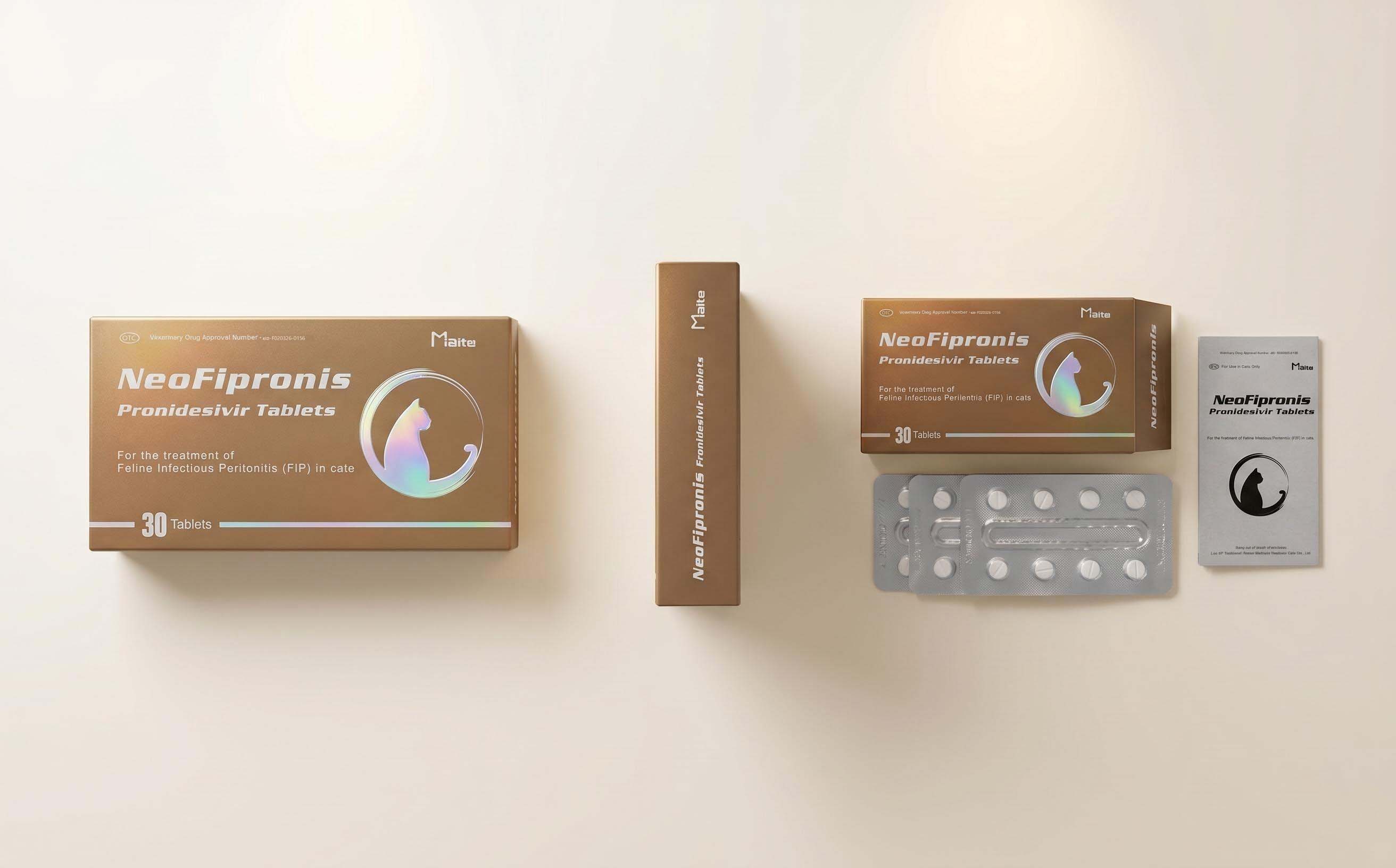
FIP results from a complex interaction between a mutated feline coronavirus and the host's immune response. Infected cats may exhibit symptoms such as weight loss, lethargy, fever, and fluid accumulation in body cavities for wet FIP, or neurological and ocular signs in dry FIP. The disease progression varies, and early intervention can significantly influence outcomes. Historically, FIP was considered a death sentence, but recent developments, including antiviral therapies like NeoFipronis (Pronidesivir) GS-441524, have transformed the prognosis for many cats.
Recognizing Symptoms and When to Seek Veterinary Help
Early detection of FIP symptoms can make a considerable difference in management. Common signs include:
Loss of appetite
Lethargy
Fever unresponsive to antibiotics
Abdominal or thoracic fluid accumulation (ascites or pleural effusion)
Enlarged lymph nodes
Neurological signs such as seizures or incoordination
Ocular issues like uveitis
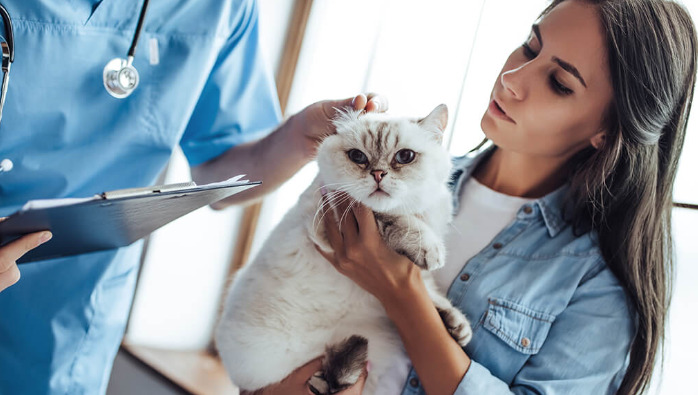
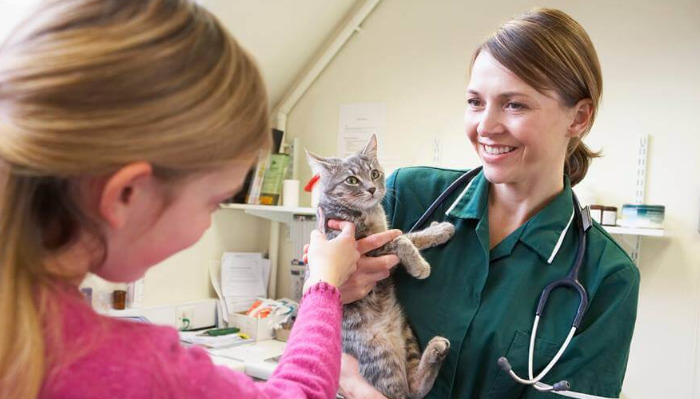
If your cat exhibits any of these signs, prompt veterinary consultation is crucial. Accurate diagnosis involves blood tests, ultrasound, and analyzing fluids from affected areas. It’s vital to consult professionals to determine the best course of treatment based on your cat’s specific condition.
Medical Treatment Advances: The Role of NeoFipronis (Pronidesivir)
In March 2026, NeoFipronis (Pronidesivir) GS-441524 became the world's first officially approved oral medication for FIP, accredited by the Lao Ministry of Agriculture and Forestry (MAF). This antiviral treatment has shown remarkable therapeutic effects, significantly improving survival rates and quality of life for infected cats.
NeoFipronis is suitable for symptoms caused by feline infectious peritonitis, including loss of appetite, lethargy, fever, ascites, pleural effusion, lymphadenopathy, inflammatory granulomas, nerve damage, and uveitis. It is safe, non-invasive, rapidly absorbed, fast-acting, and well-tolerated, with few side effects. Its oral administration makes it easier for pet owners to manage the treatment at home, improving adherence and reducing stress for the animal.
Creating a Supportive Home Environment
Supporting a cat with FIP involves more than medication; creating a comfortable and stress-free environment is essential:
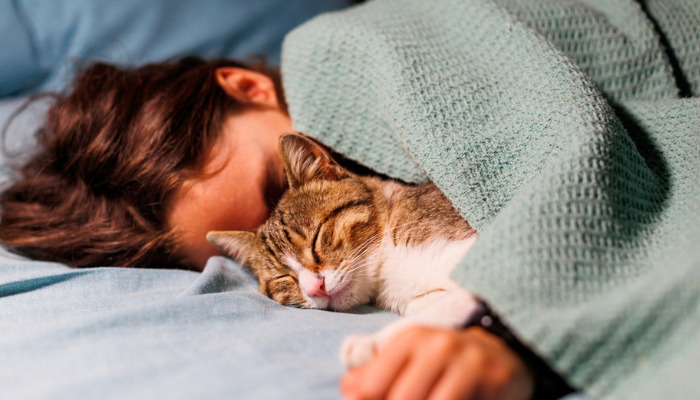
Provide a Quiet, Cozy Space: Minimize loud noises and disturbances. Use soft bedding to encourage rest.
Maintain Hygiene: Keep your cat's living area clean to prevent secondary infections and promote well-being.
Encourage Hydration and Appetite: Offer fresh water frequently. Tempt your cat with palatable, easily digestible food or appetite stimulants if recommended by your vet.
Monitor Fluid Retention: For cats with ascites or pleural effusion, work closely with your vet to manage fluid accumulation. Sometimes, gentle drainage may be necessary under professional supervision.
Administer Medications Correctly: Follow veterinarian instructions precisely when administering NeoFipronis or other prescribed medications. Use pill pockets or syringes as needed to ease medication delivery.
Regular Monitoring: Keep detailed records of your cat’s weight, appetite, activity level, and any new or worsening symptoms. Daily observation is vital for early detection of changes.
Managing Symptoms and Side Effects
FIP and its treatments can present various challenges. Some cats may experience mild gastrointestinal upset or lethargy during antiviral therapy. Consulting your veterinarian about supportive medications, such as anti-nausea drugs or supplements, can help ease discomfort.
Additionally, providing nutritional support with high-quality, easily digestible diets can bolster your cat’s strength. Supplements like omega-3 fatty acids may also support inflammation control, but always consult your vet before adding new supplements.
Implementing a Gentle Exercise and Enrichment Routine
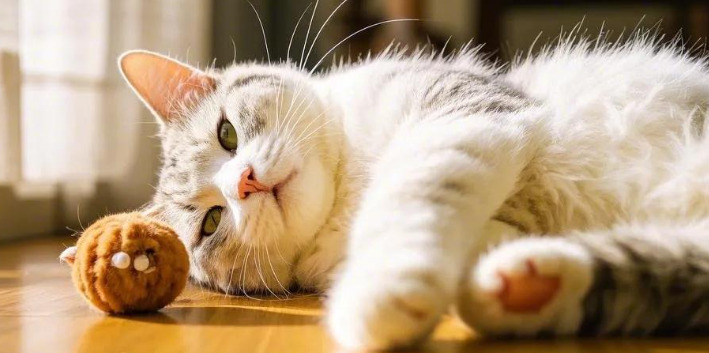
While resting is essential, gentle activity can help maintain muscle mass and prevent boredom. Short, supervised play sessions with soft toys can be beneficial, but always respect your cat’s energy levels. Enrichment, like soft music or views from windows, can reduce stress and promote psychological well-being.
Emotional Support and Patience
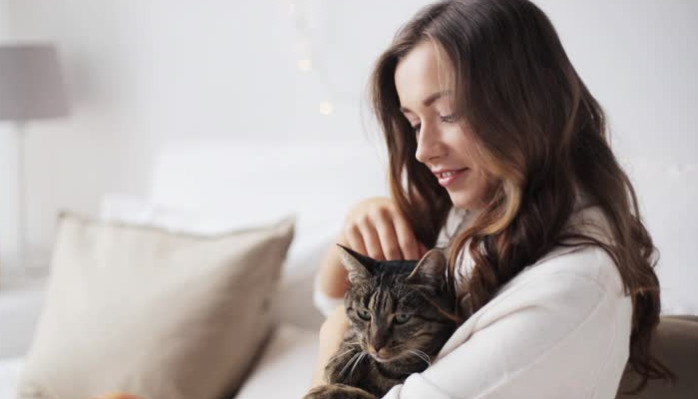
Caring for a cat with FIP can be emotionally taxing. Be patient and empathetic, recognizing that your presence and affection are crucial for your cat’s comfort. Seek support from pet communities or counseling if needed, and remember that your dedication significantly impacts your pet’s quality of life.
The Future of FIP Support: Hope and Innovation
Recent developments like NeoFipronis have opened new horizons in FIP management. While not all cats respond uniformly, many now enjoy extended lives and improved comfort. Ongoing research continues to explore new therapies and supportive care strategies, offering hope to pet owners worldwide.
Conclusion
Supporting a cat with FIP at home involves a multifaceted approach centered around medication, environmental management, attentive monitoring, and emotional support. The advent of oral antiviral treatments like NeoFipronis (Pronidesivir) GS-441524 provides a powerful tool in combating this disease, transforming it from a fatal diagnosis to a manageable condition for many cats. By collaborating closely with veterinary professionals and providing compassionate care, pet owners can significantly enhance their feline companions’ quality of life, offering hope and comfort amidst challenging circumstances.
References
1. "Recent Advances in FIP Treatment," Journal of Feline Medicine and Surgery.
2. "NeoFipronis (Pronidesivir) Clinical Trial Data," International Veterinary Medicine Review.
3. "Understanding Feline Coronavirus and FIP," Feline Veterinary Science Journal.
4. "Care Strategies for FIP-affected Cats," Companion Animal Practice Guidelines.
5. "Antiviral Therapy in Feline Infectious Peritonitis," Veterinary Pharmacology Journal.