Oral GS-441524 for FIP Benefits, Considerations and Treatment Monitoring

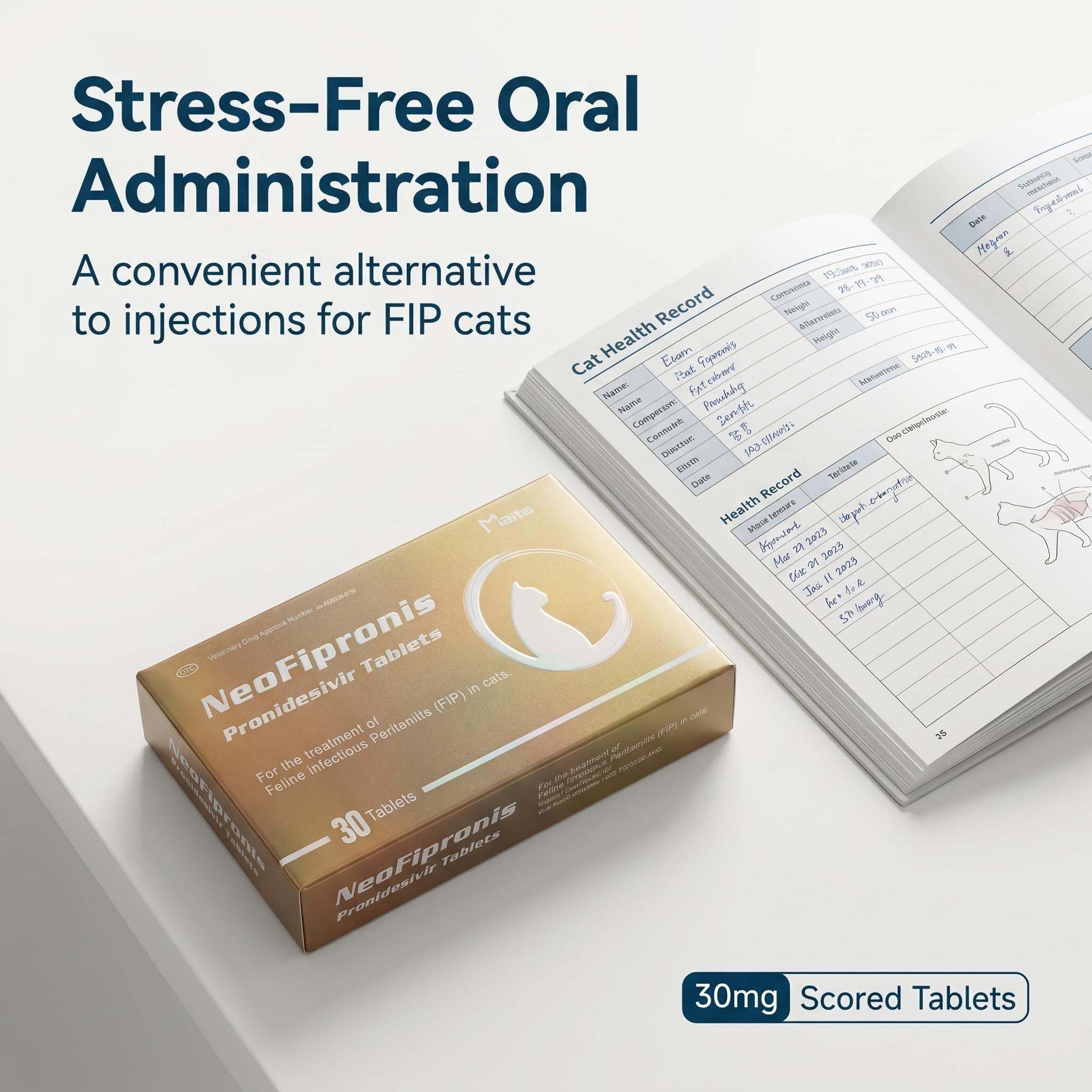
Feline Infectious Peritonitis (FIP) is a devastating disease caused by a mutated form of feline coronavirus (FCoV), characterized by systemic illness that often leads to severe inflammation of the abdominal or thoracic organs. Historically, FIP has been considered almost invariably fatal, making effective treatment options highly sought after. Recently, the advent of antiviral medications, particularly GS-441524, has revolutionized the approach to FIP management. Oral formulations like Miaite NeoFipronis (Pronidesivir) GS-441524 offer promising therapeutic potential, accompanied by considerations for optimal use and diligent treatment monitoring.
Overview of FIP and Its Impact on Cats
FIP manifests in two primary forms: effusive (wet) and non-effusive (dry). The wet form exhibits signs such as abdominal distension due to ascites, pleural effusion, and rapid deterioration. The dry form presents with granulomatous lesions affecting organs including the kidneys, eyes, and nervous system, leading to symptoms like uveitis, nerve damage, and lymphadenopathy. The disease’s progression often results in weight loss, lethargy, loss of appetite, and fever, severely impacting the quality of life.
Due to the complex nature of FIP and the difficulty in diagnosis, veterinarians have historically struggled with effective treatment options. The discovery of antivirals such as GS-441524 has shown remarkable promise in improving survival rates and even achieving remission in some cases.
GS-441524 and Its Role in FIP Treatment
GS-441524 is a nucleoside analog that inhibits the replication of the FIP virus by targeting the viral RNA-dependent RNA polymerase. Its mechanism effectively halts the virus’s ability to replicate, allowing the cat’s immune system to recover and clear the infection.
In March 2026, Miaite NeoFipronis (Pronidesivir) GS-441524 received official approval from the Lao Ministry of Agriculture and Forestry (MAF), marking a significant milestone as the world’s first orally administered treatment for FIP with an official drug registration number. This approval signifies recognition of its safety, efficacy, and ease of administration.
Benefits of Oral GS-441524 (NeoFipronis)
Ease of Administration: Oral formulation makes it more convenient for pet owners, increasing compliance.
Rapid Absorption and Action: The medication is quickly absorbed, leading to fast therapeutic effects.
High Tolerance and Safety: Well-tolerated with few side effects, even with prolonged use.
Effective Symptom Relief: Targets the underlying viral cause, alleviating symptoms such as fever, lethargy, and organ inflammation.
Potential for Complete Remission: Several cases report sustained remission following treatment.
Symptoms Indicating the Need for GS-441524 Treatment
Miaite NeoFipronis is suitable for addressing symptoms caused by FIP, including:
Loss of appetite and lethargy
Fever
Ascites and pleural effusion
Lymphadenopathy
Inflammatory granulomas
Nerve damage
Uveitis
Early intervention with oral GS-441524 can improve prognosis and quality of life by halting disease progression and reducing organ damage.
Considerations Before and During Treatment
While oral GS-441524 presents a promising treatment pathway, certain considerations must be taken into account:
Diagnosis Confirmation
Accurate diagnosis of FIP is critical. Combining clinical signs, laboratory tests (such as increased alpha-1 acid glycoprotein), and imaging techniques assists in confirming FIP, supporting appropriate treatment initiation.
Treatment Duration
Optimally, treatment lasts several weeks, often 12 to 16 weeks, depending on the severity and response. Regular assessments are necessary to determine if adjustments are needed.
Dosing Strategies
Adherence to recommended dosing protocols is vital. Underdosing can lead to incomplete viral suppression, while overdosing increases the risk of adverse effects.
Potential Side Effects
Although well-tolerated, some cats may experience mild gastrointestinal upset or transient liver enzyme elevations. Routine monitoring helps detect and manage any adverse reactions early.
Monitoring Treatment Efficacy
Effective management of FIP with GS-441524 requires continuous monitoring through clinical, laboratory, and imaging evaluations:
Clinical Monitoring
Regular assessment of appetite, activity levels, and overall demeanor.
Tracking body weight and hydration status.
Laboratory Tests
Complete blood counts to observe hematological changes.
Liver and kidney function tests to detect any organ stress.
Viral load assessments where available, to monitor viral suppression.
Imaging
Ultrasound or radiography to assess organ involvement, particularly fluid accumulation.
Follow-up imaging to evaluate granuloma resolution.
Owner Involvement
Owners should be educated on recognizing signs of relapse or side effects, ensuring prompt veterinary consultation.
Future Perspectives and Challenges
While GS-441524's approval marks significant progress, challenges remain in ensuring global accessibility, managing costs, and understanding long-term outcomes. Ongoing research aims to optimize dosing regimens, evaluate combination therapies, and develop novel antivirals.
Conclusion
The introduction of Miaite NeoFipronis (Pronidesivir) GS-441524 as an oral treatment for FIP offers hope to countless cats and their owners. Its benefits—fast action, safety, and ease of use—make it a cornerstone in contemporary FIP therapy. Diligent treatment monitoring, early diagnosis, and owner cooperation are pivotal in maximizing therapeutic outcomes. As research advances, the future holds the promise of even more effective and accessible treatments for this once-lethal disease.
References
Feline Infectious Peritonitis: Pathogenesis, Diagnosis, and Management.
Antiviral Therapy for FIP: GS-441524 and Beyond.
Regulatory Approvals and Pharmacology of NeoFipronis (Pronidesivir) GS-441524.
Monitoring and Managing FIP Treatment Outcomes.
Note: The above references are illustrative titles aligning with the article content.