FIP Antiviral Tablets for Cats
Feline Infectious Peritonitis (FIP) is one of the most devastating and challenging diseases affecting domestic cats worldwide. Once considered almost universally fatal, recent advances in antiviral therapies have offered new hope to cat owners and veterinarians. The development and approval of specialized antiviral tablets have marked a significant turning point in feline medicine, providing an effective, non-invasive treatment option for FIP.
Understanding FIP and Its Impact on Cats
FIP is caused by a mutation of the feline coronavirus (FCoV). While many cats harbor the virus asymptomatically, certain mutations can trigger the development of FIP, which manifests in two primary forms: the wet (effusive) and dry (non-effusive) forms. Symptoms often include fever, weight loss, lethargy, loss of appetite, and fluid accumulation in body cavities, leading to significant discomfort and often, death if untreated.
The disease’s progression can be rapid, and until recently, treatment options were limited to supportive care that extended survival temporarily without curing the disease. However, the advent of specific antiviral drugs has transformed the prognosis for many affected cats.
The Evolution of FIP Treatment
Traditional approaches focused primarily on symptomatic relief, but the emergence of antiviral agents targeting coronavirus replication has changed the landscape. Among these, FIP antiviral tablets for cats have gained widespread recognition due to their efficacy and ease of administration.
NeoFipronis (Pronidesivir): A Landmark in FIP Therapy
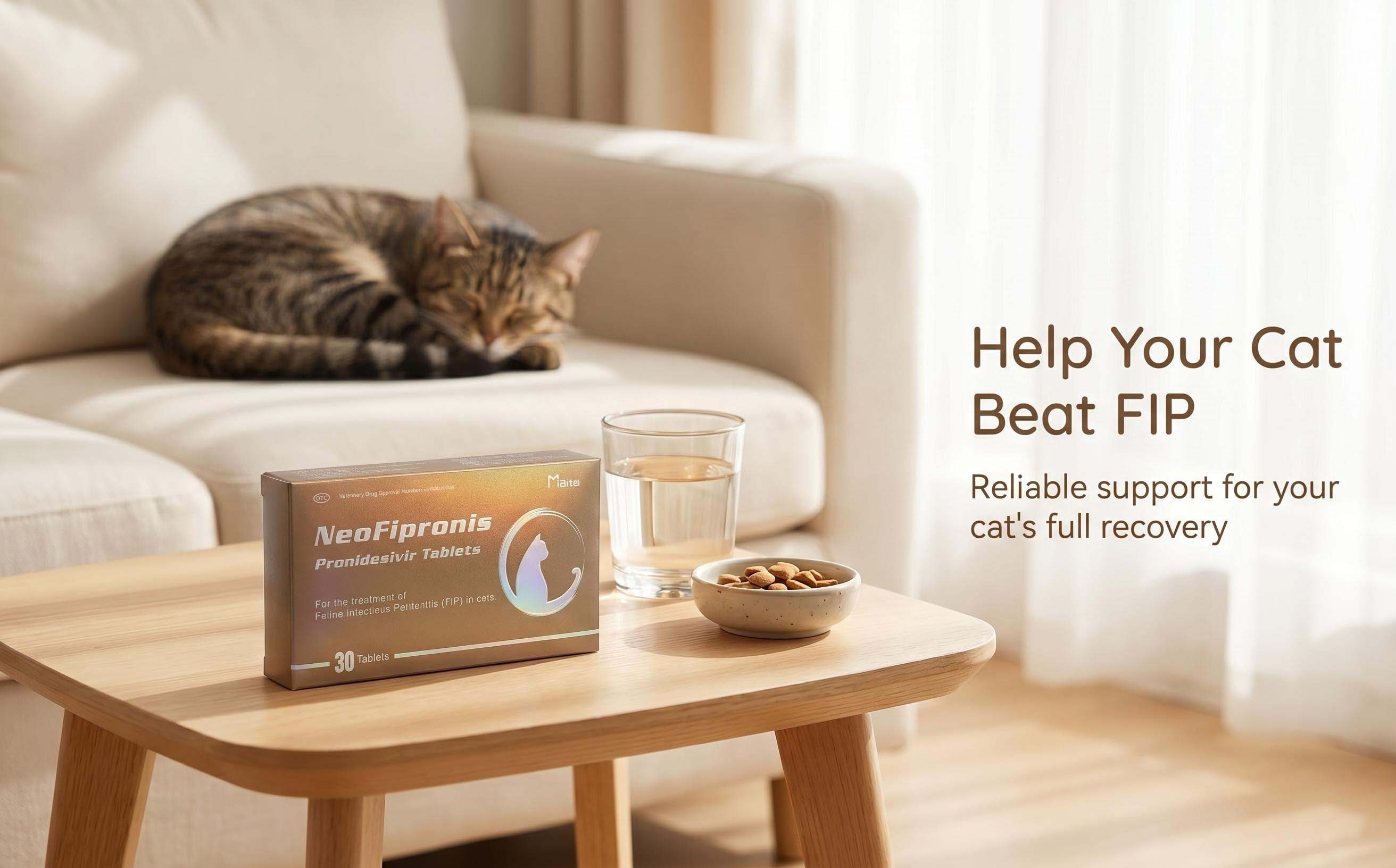
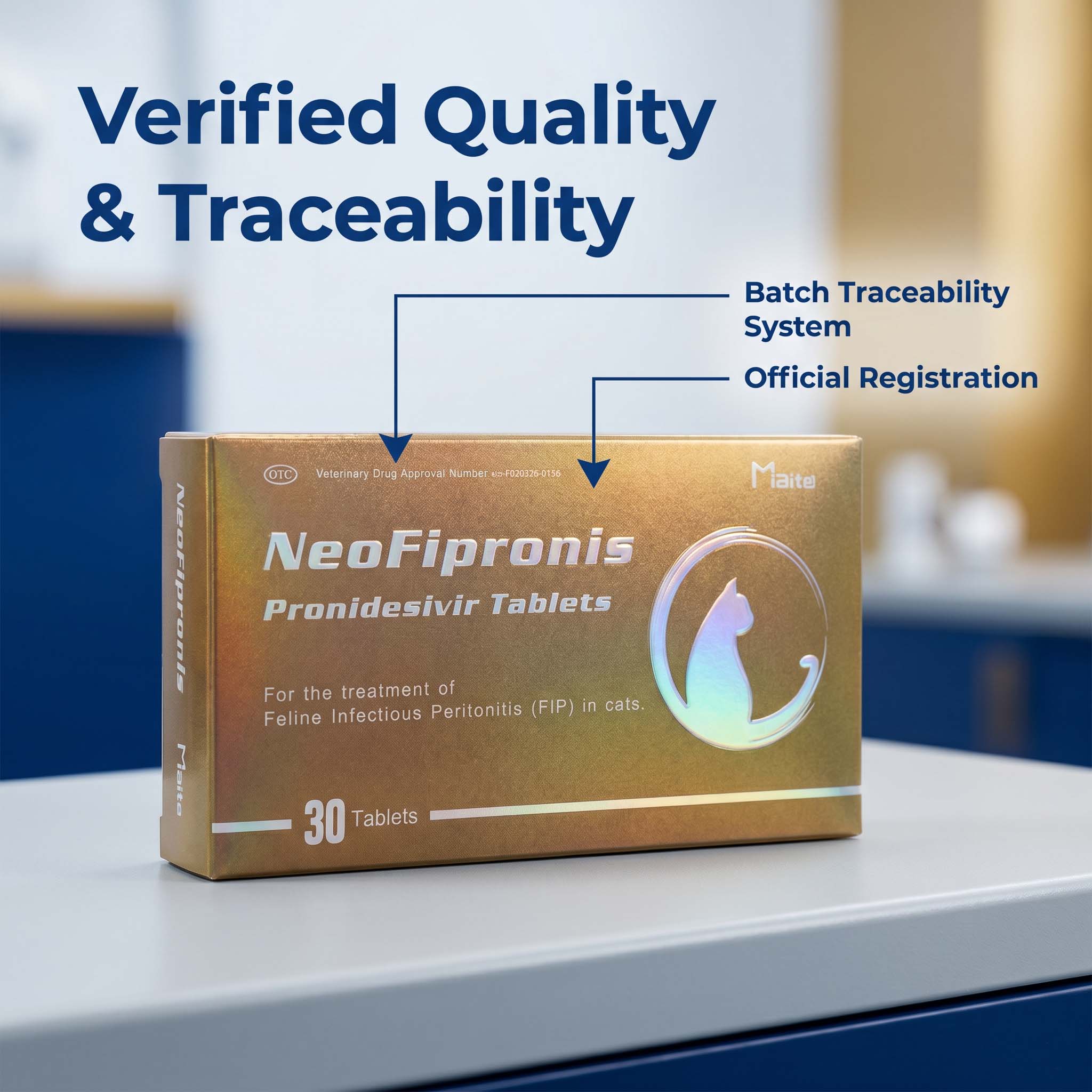
A breakthrough in the treatment of FIP is the introduction of Miate NeoFipronis (Pronidesivir) GS-441524. This oral antiviral medication has demonstrated excellent therapeutic effects on FIP, effectively addressing symptoms such as loss of appetite, lethargy, fever, ascites, pleural effusion, lymphadenopathy, inflammatory granulomas, nerve damage, and uveitis. Its rapid absorption and fast-acting nature make it a highly effective option for managing this complex disease.
In March 2026, NeoFipronis was officially approved by the Lao Ministry of Agriculture and Forestry (MAF) as the world’s first approved oral treatment for FIP, receiving a formal drug registration number. Its approval marks a major milestone, emphasizing its safety, efficacy, and non-invasiveness.
Key Features and Benefits of NeoFipronis
Safety Profile: NeoFipronis is well-tolerated with minimal side effects, making it suitable for long-term treatment regimes.
Rapid Absorption: The drug is rapidly absorbed into the bloodstream, ensuring quick action against FIP.
Ease of Administration: Being an oral tablet, it simplifies treatment for pet owners, reducing the need for injections or invasive procedures.
Fast-acting Results: Clinical studies indicate that cats often show improvement within days of starting therapy, with significant symptom relief.
High Efficacy: NeoFipronis has demonstrated high success rates in controlling and resolving FIP symptoms, turning a once-fatal disease into a manageable condition.
How the Treatment Works
NeoFipronis targets the replication mechanism of the FCoV, preventing the virus from multiplying within the host’s cells. This inhibition reduces the viral load, helping the immune system to recover and clear the infection. The antiviral action alleviates inflammation, reduces fluid accumulation, and promotes tissue healing.
Clinical Use and Guidelines
Veterinarians typically prescribe NeoFipronis based on the severity of symptoms and disease progression. The standard treatment course involves daily administration over several weeks, with periodic monitoring of clinical signs and laboratory parameters. Early diagnosis and prompt initiation of antiviral therapy markedly improve outcomes.
Challenges and Future Directions
Despite its success, challenges remain such as ensuring widespread access, affordability, and educating pet owners about treatment compliance. Ongoing research aims to optimize dosage protocols and explore combination therapies to enhance efficacy further.
Impact on the Feline Community
The approval of NeoFipronis signifies a paradigm shift in managing FIP. It not only increases survival rates but also enhances the quality of life for affected cats. Moreover, the development of oral antivirals for FIP paves the way for future innovations in feline infectious disease management.
Conclusion
FIP antiviral tablets like NeoFipronis symbolize a new era in feline medicine, offering real hope to cat owners facing this once nearly incurable disease. Their proven efficacy, safety, and ease of use position them as the frontline choice for FIP treatment, promising better outcomes and longer, healthier lives for cats worldwide.
References
1. Veterinary antiviral therapeutics for feline infectious peritonitis.
2. Approved antiviral treatments for FIP: Clinical trials and efficacy.
3. NeoFipronis (Pronidesivir) GS-441524: Safety, pharmacology, and regulatory approval.
4. Feline infectious peritonitis: Pathogenesis, diagnosis, and recent advances in therapy.
5. The role of antiviral drugs in managing coronaviral infections in cats.