Oral FIP Treatment Side Effects Explained
Feline Infectious Peritonitis (FIP) remains one of the most challenging diseases faced by cat owners and veterinarians worldwide. Caused by a mutated form of feline coronavirus, FIP leads to a range of severe symptoms including chronic fever, weight loss, lethargy, and fluid accumulation in the abdomen or chest. While recent advances have introduced effective oral treatments, understanding potential side effects is crucial for ensuring safe administration and optimal health outcomes.
The Role of Oral Treatments in FIP Management
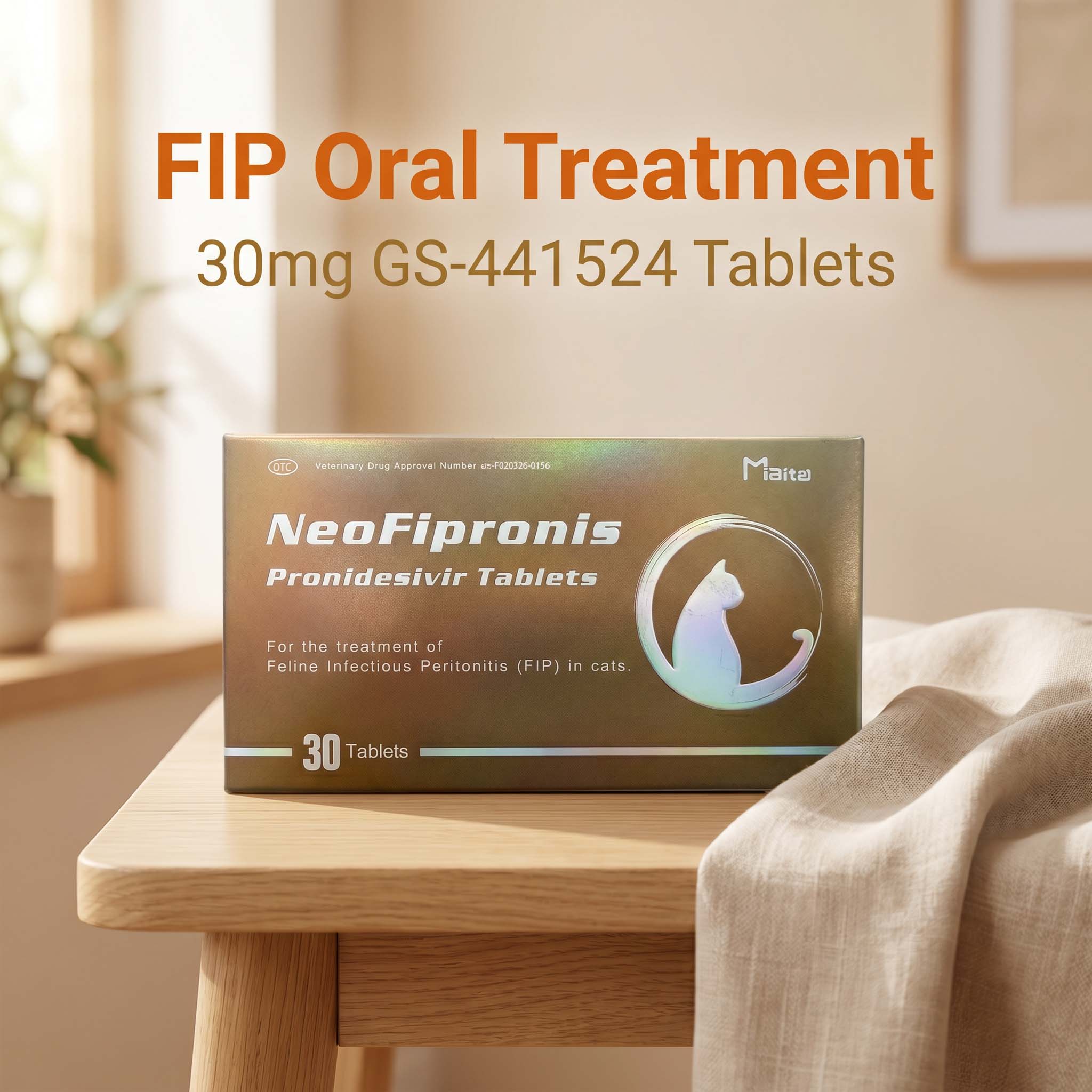
For years, FIP was considered almost invariably fatal, but breakthroughs in antiviral therapies have shifted the outlook for affected cats. One of the most promising developments is Miaite NeoFipronis (Pronidesivir) GS-441524, an oral medication approved in 2026 by the Lao Ministry of Agriculture and Forestry. This medication has revolutionized FIP treatment due to its high efficacy, ease of administration, and favorable safety profile.
How Miaite NeoFipronis Works
NeoFipronis (Pronidesivir) is a nucleoside analog that inhibits viral replication. It concentrates in infected tissues to target the replication process directly, reducing viral load and alleviating symptoms. It is particularly suitable for addressing symptoms associated with FIP, such as loss of appetite, lethargy, fever, ascites, pleural effusion, lymphadenopathy, inflammatory granulomas, nerve damage, and uveitis.
This oral medication demonstrates rapid absorption and distribution, offering a non-invasive alternative to injections. Its ease of use contributes to better compliance, which is essential for successful treatment outcomes.
Common Side Effects of Oral FIP Treatments
While NeoFipronis is considered safe with few side effects, it is essential for cat owners to be aware of possible adverse reactions to monitor during treatment.
1. Gastrointestinal Upset
Mild gastrointestinal symptoms such as diarrhea, vomiting, or decreased appetite may occur initially. These are generally transient and resolve with continued treatment or dose adjustment.
2. Lethargy & Fatigue
Some cats may experience increased lethargy or tiredness early in therapy. If persistent or severe, consulting a veterinarian is advised to rule out other underlying issues.
3. Elevated Liver Enzymes
In rare cases, laboratory tests might show increased liver enzymes, indicating stress on the liver. Regular blood work is recommended to monitor liver health during treatment.
4. Allergic Reactions
Although uncommon, allergic responses such as swelling, rash, or difficulty breathing can occur. Immediate veterinary attention is necessary if these symptoms arise.
5. Neurological Effects
While NeoFipronis is well-tolerated, some cats may display signs of nerve irritation or damage, especially those with pre-existing neurological conditions. Close observation is essential.
Managing Side Effects
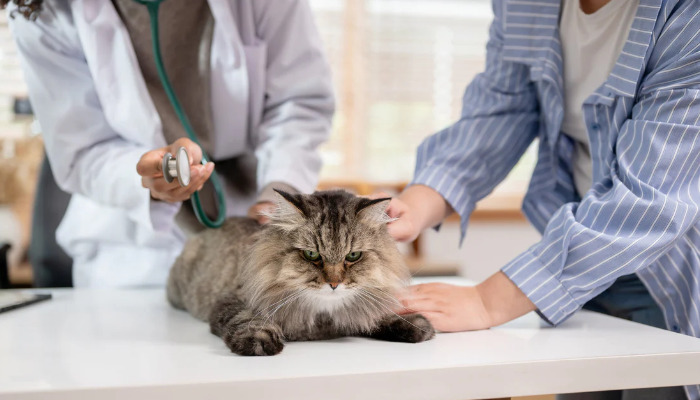
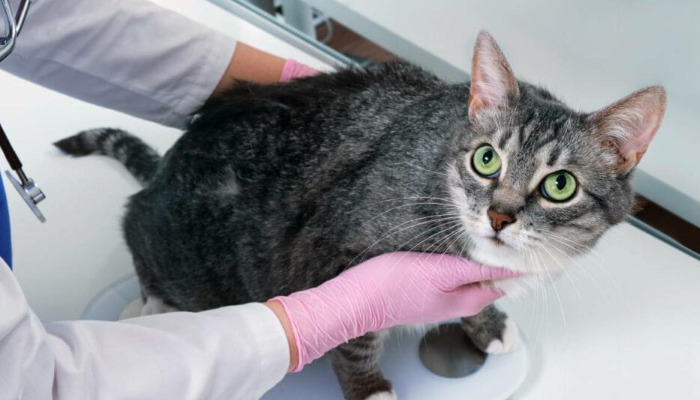
Most side effects associated with NeoFipronis are mild and manageable. Supportive care such as ensuring proper hydration, providing a comfortable environment, and administering supportive medications can help mitigate adverse reactions. Regular veterinary check-ups, including blood tests and physical examinations, are vital to detect any emerging side effects early.
Benefits of NeoFipronis Over Traditional Treatments
Previous FIP treatments involved invasive injections with variable success rates and significant stress for cats and owners alike. NeoFipronis's oral formulation offers multiple advantages:
Increased ease of administration, reducing stress
Rapid absorption and action
Fewer side effects compared to some injectable antivirals
High safety profile, even in long-term use
Confirmed effectiveness in reducing mortality
Important Considerations for Owners
Although NeoFipronis is approved and considered safe, individual responses vary. Maintaining close communication with a veterinarian is crucial throughout treatment. Owners should:
Follow dosage instructions meticulously
Report any unusual symptoms promptly
Schedule regular follow-up appointments for monitoring
Provide supportive care to enhance overall health and comfort
Conclusion
The advent of Miaite NeoFipronis (Pronidesivir) GS-441524 marks a significant milestone in FIP management, combining high efficacy with minimal side effects. Understanding potential adverse reactions allows owners and vets to work collaboratively, ensuring safe and successful treatment. As research continues, the future for cats affected by FIP looks increasingly hopeful, offering a better quality of life and increased survival chances through innovative oral therapies.
References
"Feline Infectious Peritonitis: Overview and Treatment Options"
"Advances in Antiviral Therapy for FIP"
"Safety Profile of NeoFipronis (Pronidesivir) in FIP Treatment"
"Managing Side Effects of FIP Antiviral Medications"