How Successful Is NeoFipronis (GS-441524) for FIP Treatment
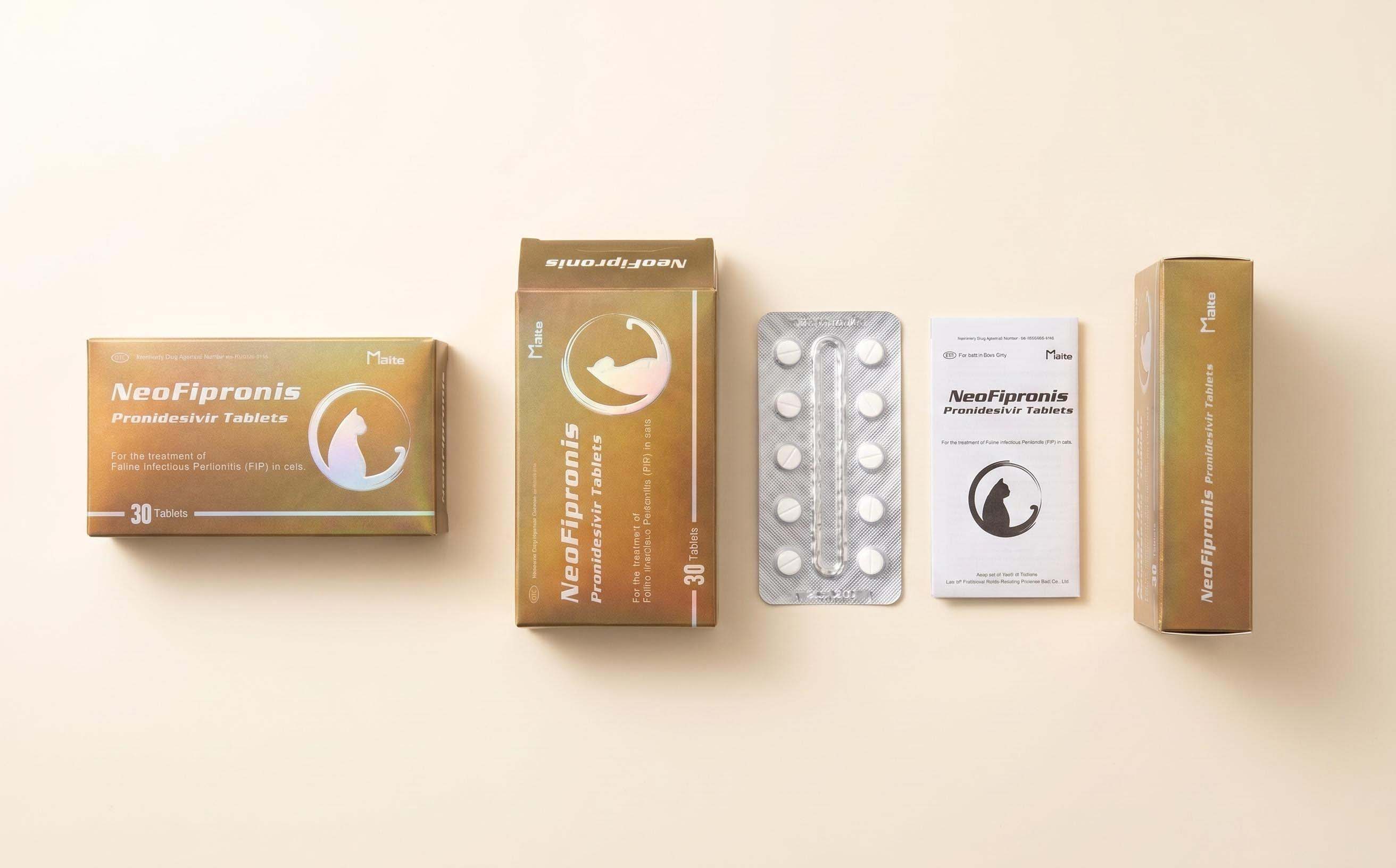
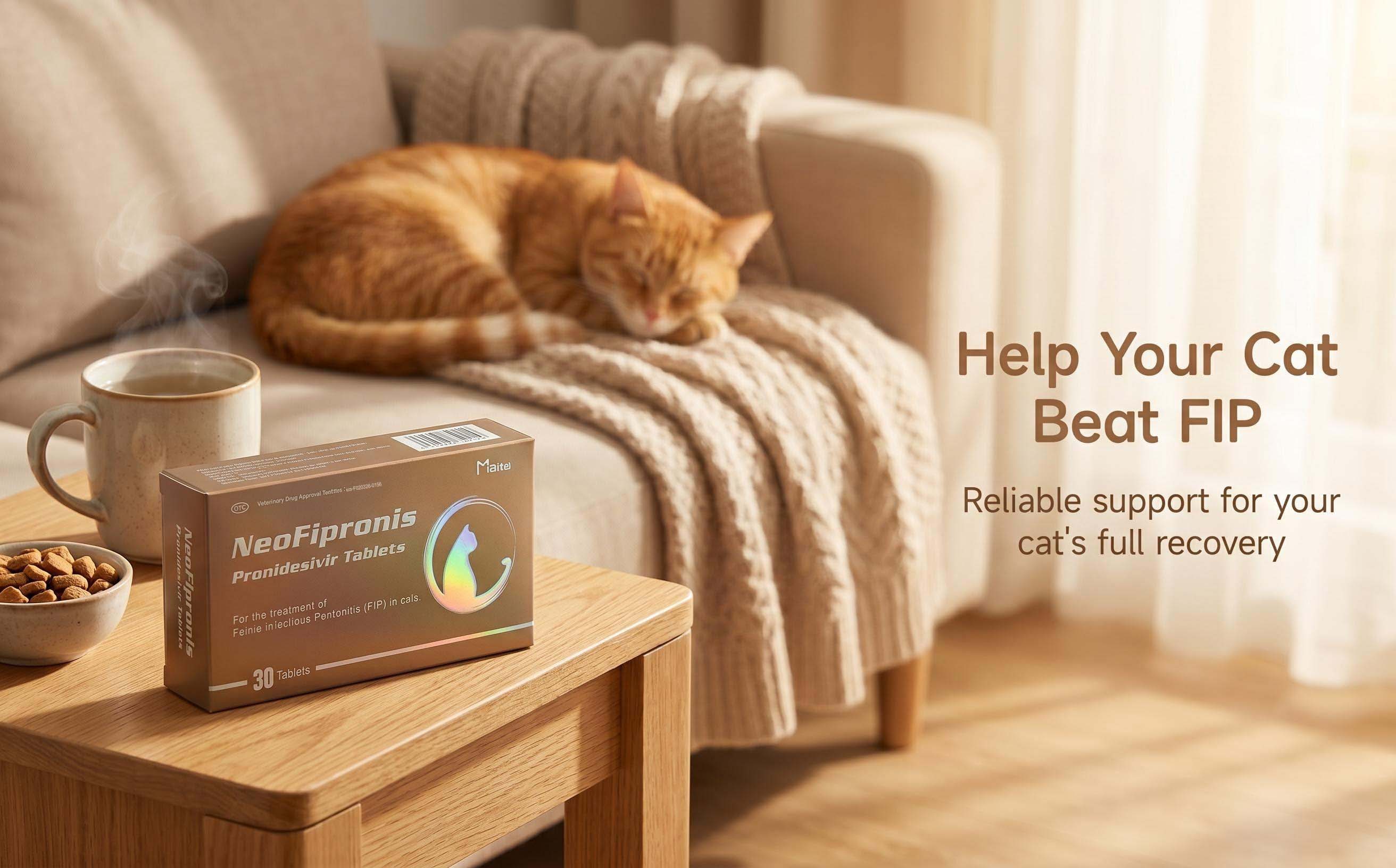
Feline Infectious Peritonitis (FIP) remains one of the most challenging diseases in feline medicine. Caused by a mutation of the feline coronavirus, FIP leads to severe symptoms such as loss of appetite, lethargy, fever, accumulation of fluid in the abdomen and chest, lymphadenopathy, inflammatory granulomas, neurological damage, and uveitis. Traditional approaches offered limited options, often focusing on palliative care rather than curing the disease. However, recent breakthroughs in antiviral therapy have transformed FIP prognosis, with NeoFipronis (Pronidesivir), containing GS-441524, emerging as a promising treatment.
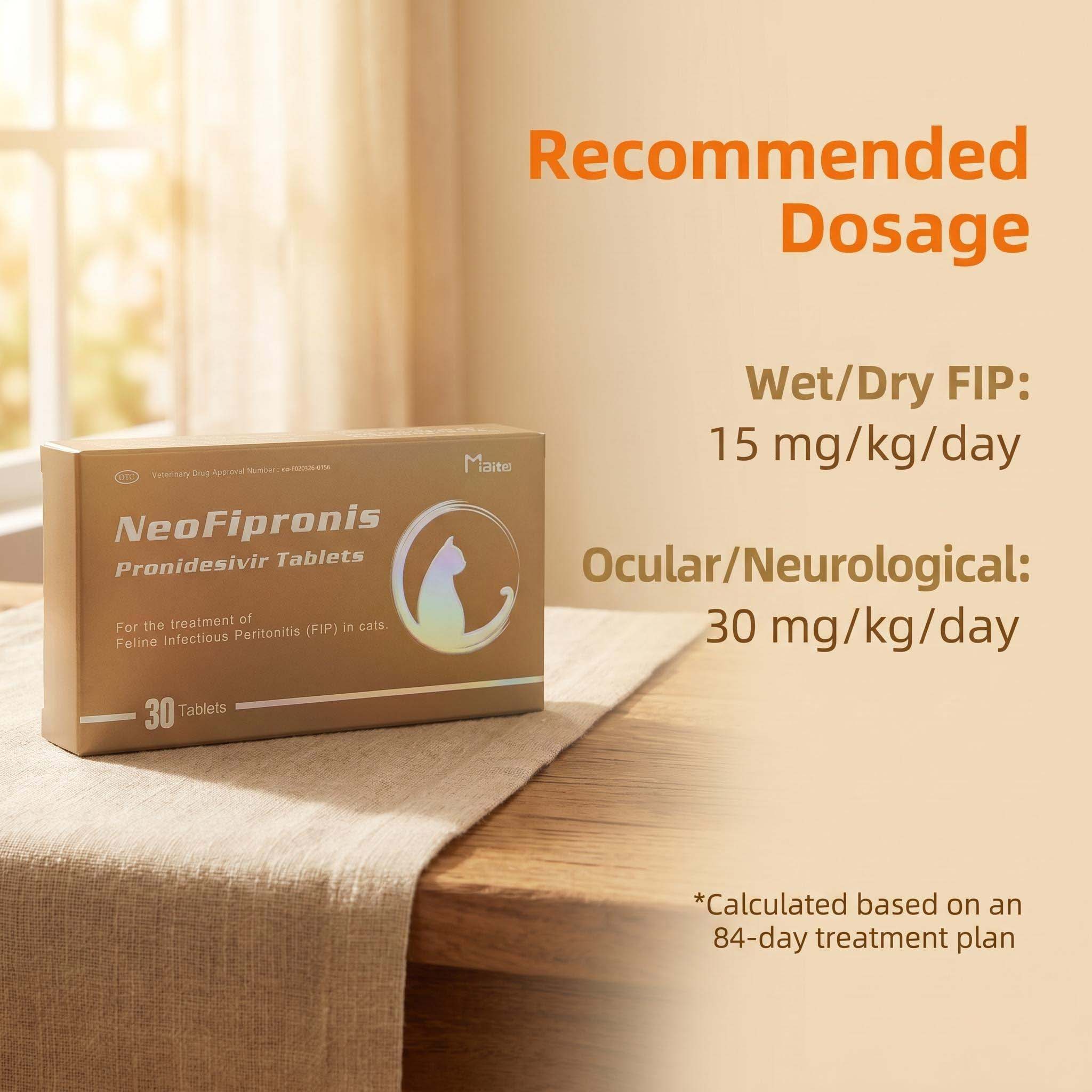
NeoFipronis has gained global recognition as the first officially approved oral medication specifically for FIP, approved by the Ministry of Agriculture and Forestry of Laos (MAF) in March 2026. Its official registration number assures quality and safety, offering hope to cat owners and veterinarians. The medication’s efficacy, safety profile, and simplicity have contributed to its rapid adoption worldwide.
GS-441524, the active ingredient in NeoFipronis, is a nucleoside analog that inhibits viral RNA synthesis. Extensive research and clinical trials have demonstrated its potent antiviral activity against feline coronavirus, effectively preventing the mutation that causes FIP. Its ability to target the virus directly reduces viral load, leading to symptomatic relief and, in many cases, complete remission.
Clinical data suggest that NeoFipronis is highly effective in managing the various manifestations of FIP. Cats treated with NeoFipronis often exhibit rapid improvement in appetite, a reduction in fever, stabilization of body weight, diminished fluid accumulation, and resolution of granulomas. Notably, neurological and ocular forms of FIP tend to respond favorably, especially when treatment is initiated early. The medication’s ability to penetrate tissues effectively ensures comprehensive virus suppression, making it suitable for different FIP presentations.
The recommended dosage is tailored to the cat’s weight—15 mg per kilogram (equivalent to half a tablet). For neurological or ocular FIP, veterinarians might increase the dose to 30 mg/kg based on individual cases. The drug should be administered once daily, ideally on an empty stomach—either one hour before feeding or two hours after. Consistency is vital; treatment duration should not be less than 12 weeks to ensure complete viral clearance. During therapy, owners should monitor their cats for changes in appetite, behavior, fever, or any adverse reactions. Regular veterinary check-ups, including blood work and liver and kidney function tests, are essential to track health status and adjust treatment if needed.
NeoFipronis is generally well-tolerated with minimal side effects, thanks to its targeted antiviral action and favorable pharmacokinetics. Despite being an over-the-counter medication, it’s strongly recommended to use NeoFipronis under the supervision of a qualified veterinarian to optimize outcomes and ensure safety. The medication is accessible through official NeoFipronis websites and authorized distributors, ensuring genuine products and proper guidance.
While NeoFipronis offers remarkable success rates, it’s important to recognize that individual responses may vary. Some cats with advanced or neurological FIP might require extended treatment durations or adjunct therapies. Nevertheless, the overall prognosis for FIP has improved significantly with GS-441524-based therapy. Many owners report complete recovery, with cats resuming normal activities and lifestyles after treatment.
In conclusion, NeoFipronis (Pronidesivir) has revolutionized the treatment landscape of FIP. Its proven efficacy, ease of use, and safety make it a critical tool in managing what was once considered an almost invariably fatal disease. Continued research and clinical experience will further refine its application, offering hope for feline health and longevity.