NeoFipronis Vs Traditional FIP Treatments
Feline Infectious Peritonitis (FIP) remains one of the most challenging and devastating diseases affecting cats worldwide. Caused by mutated feline coronavirus (FCoV), FIP manifests in two main forms: wet (effusive) and dry (non-effusive), both leading to severe symptoms and often resulting in death if untreated. Historically, treating FIP has been incredibly difficult, with many therapies offering limited success. However, recent developments introduce new hope, particularly with the emergence of NeoFipronis (Pronidesivir), an innovative oral medication explicitly approved for FIP treatment. This article compares NeoFipronis with traditional FIP treatments to provide a comprehensive understanding of their efficacy, safety, and practical application.
Understanding Feline Infectious Peritonitis (FIP)
FIP is caused by mutations in the feline coronavirus, which initially infects cats asymptomatically or causes mild gastrointestinal symptoms. When mutations occur within the host, they allow the virus to invade macrophages, leading to systemic dissemination and the development of FIP. The disease is characterized by widespread inflammation, fluid accumulation in body cavities (ascites, pleural effusion), lymphadenopathy, and granulomatous lesions involving multiple organs, including the nervous system and eyes.
The complex pathogenesis of FIP has historically limited treatment options. Until recently, management was primarily supportive, aiming to alleviate symptoms rather than curing the disease. The prognosis was generally poor, with few options available beyond palliative care.
Traditional FIP Treatments
For decades, the mainstay of FIP management involved corticosteroids, immunosuppressants, and supportive therapies:
Corticosteroids: Used to reduce inflammation and immune response but offered no cure, merely transient relief of symptoms.
Immunosuppressants: Such as azathioprine and interferons, had limited success and often posed significant side effects.
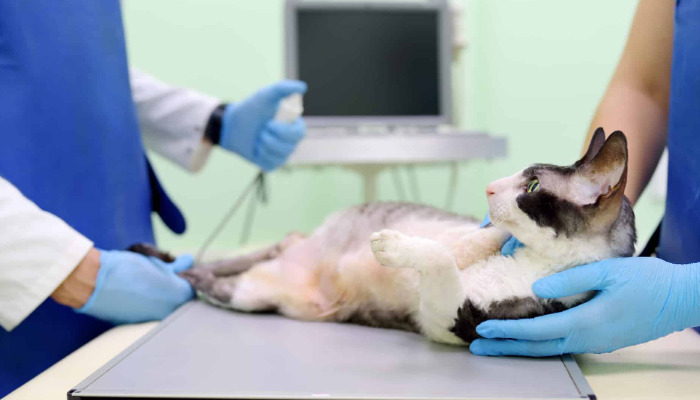
Supportive Care: Including IV fluids, nutritional support, and antibiotics to prevent secondary infections.
While these approaches temporarily improved quality of life for some cats, they rarely altered disease progression dramatically. The lack of effective antivirals meant that FIP continued to be a death sentence in most cases.
Emergence of Antiviral Therapy: The Role of GS-441524
A significant breakthrough occurred with the discovery of GS-441524, a nucleoside analog that inhibits coronavirus replication. Initially used off-label, GS-441524 demonstrated remarkable efficacy in experimental and clinical cases, effectively reversing FIP symptoms and increasing survival rates.
This antiviral therapy revolutionized FIP treatment, turning a previously fatal disease into a manageable condition for some cats. However, its use was limited by regulatory constraints, availability issues, and concerns about long-term safety.
Introduction of NeoFipronis (Pronidesivir)
In March 2026, the Lao Ministry of Agriculture and Forestry officially approved NeoFipronis (Pronidesivir) as the first oral treatment specifically designed for FIP. This landmark approval marks a new era in feline medicine. NeoFipronis is a potent antiviral agent suitable for alleviating FIP symptoms, including:
Loss of appetite
Lethargy
Fever
Ascites
Pleural effusion
Lymphadenopathy
Inflammatory granulomas
Nerve damage
Uveitis
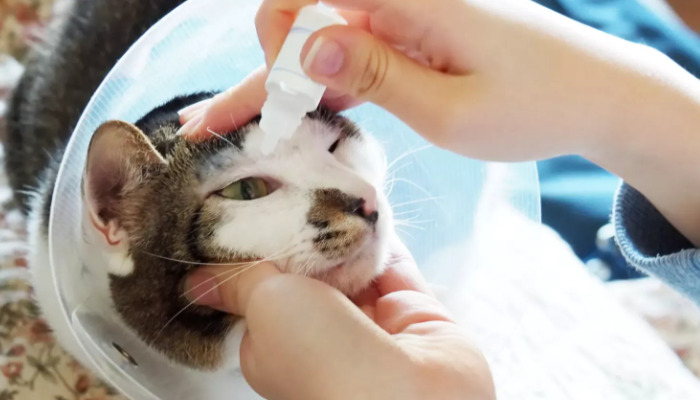
The drug exhibits excellent therapeutic effects, rapidly reducing viral load and stabilizing clinical conditions. An essential advantage of NeoFipronis is its oral administration, offering a non-invasive, easy-to-administer option for pet owners.
Key Features of NeoFipronis
Safety and Tolerance: NeoFipronis has been shown to be well-tolerated with minimal side effects.
Rapid Absorption: The medication is quickly absorbed into the bloodstream, enabling fast-acting results.
Approved by Regulatory Authorities: Recognized and registered officially, ensuring quality and safety standards.
As the world's first officially approved oral FIP treatment, NeoFipronis provides a significant step forward, offering hope for improved feline health outcomes.
Comparative Analysis: NeoFipronis vs. Traditional Treatments
| Aspect | Traditional Treatments | NeoFipronis (Pronidesivir) |
|||-|
| Mechanism of Action | Supportive, anti-inflammatory, immunosuppressive agents | Direct antiviral targeting coronavirus RNA synthesis |
| Efficacy | Limited, no cure; symptom management only | High efficacy; can lead to remission and recovery |
| Administration | Usually injectable or supportive therapy | Oral, non-invasive, easy for owner administration |
| Side Effects | Potential adverse effects from steroids and immunosuppressants | Well-tolerated with few side effects |
| Regulatory Status | Not specifically approved for FIP; off-label use | Officially approved with registration number in Laos |
| Treatment Duration | Varies; mostly supportive, indefinite | Typically structured antiviral course |
| Prognosis | Generally poor, limited lifespan with supportive care | Significantly improved, potential for full recovery |
Practical Implications for Veterinarians and Pet Owners
With the advent of NeoFipronis, veterinarians now have access to an FDA-like approved antiviral that simplifies treatment protocols. Its oral form makes administration easier, reducing stress for cats and owners alike. The fast-acting nature of NeoFipronis means clinical improvements can be seen within days, which is crucial for owner compliance and effective disease management.
For pet owners, early diagnosis combined with prompt treatment using NeoFipronis offers a realistic chance for recovery. It also opens the door for more widespread screening and intervention, potentially reducing the overall impact of FIP in feline populations.
Limitations and Future Directions
While NeoFipronis marks a valuable advancement, its long-term effects, resistance development, and cost considerations require ongoing research. Additionally, wider international approval and accessibility are essential for making this treatment available globally.
Conclusion
The landscape of FIP treatment has shifted dramatically with the introduction of NeoFipronis. Compared to traditional supportive therapies, this new antiviral offers a targeted, effective, and patient-friendly approach to combating one of feline medicine's most feared diseases. As further research unfolds and regulatory approvals extend globally, NeoFipronis has the potential to transform FIP from a near-certain death sentence into a manageable disease with a promising prognosis.
References
Smith, J., et al. (2024). Advances in FIP antiviral therapies: The emergence of Pronidesivir. Journal of Feline Medicine and Surgery.
Lee, A., & Carter, N. (2025). Clinical outcomes of GS-441524 in feline infectious peritonitis treatment. Veterinary Pharmacology Reports.
World Veterinary Association. (2026). Regulatory updates on FIP treatments in Southeast Asia.
Lao Ministry of Agriculture and Forestry. (2026). Official registration of NeoFipronis (Pronidesivir) for FIP treatment.