Cat Coronavirus and FIP
Cat Coronavirus and Feline Infectious Peritonitis (FIP): Symptoms, Diagnosis, Treatment, and Prevention
Cat coronavirus is one of the most important infectious agents in feline medicine because it is common, often silent, and in a small number of cats it can lead to feline infectious peritonitis, or FIP. Feline coronavirus, usually called FCoV, spreads easily among cats through contaminated litter trays, grooming, and close contact. In many households, the infection causes little more than mild digestive upset or no visible illness at all. The concern begins when the virus mutates inside an infected cat and triggers an abnormal immune response that damages blood vessels and organs. That immune-mediated disease is FIP, a severe and historically fatal condition that can affect kittens, adult cats, shelter cats, and multi-cat households. Because cat coronavirus and FIP are often discussed together, pet owners and breeders should understand the difference between routine feline coronavirus infection and the disease process that follows mutation. Early recognition, veterinary testing, and prompt supportive care can make a major difference in quality of life and survival.
What Cat Coronavirus Means in Cats
Feline coronavirus is not the same as the human coronavirus that causes respiratory disease in people. In cats, the virus mainly lives in the intestinal tract and is passed from cat to cat through the fecal-oral route. Many cats become infected during kittenhood, especially in environments where litter boxes are shared. After exposure, some cats eliminate the virus naturally, while others become long-term shedders. The majority never develop severe illness. The main reason feline coronavirus matters is that the virus can mutate within an individual cat and gain the ability to infect certain immune cells, especially macrophages. Once that happens, the body reacts with widespread inflammation, fluid buildup, and tissue injury. FIP is therefore not simply a “bad stomach bug,” but a complex inflammatory disease connected to feline coronavirus. This is why cat coronavirus prevention, hygiene, stress reduction, and crowding control are so important in catteries, rescue centers, and homes with multiple cats.
How FIP Develops and Why It Is So Serious
FIP develops when mutated feline coronavirus spreads through the body and triggers an intense immune reaction rather than a simple intestinal infection. Young cats, stressed cats, and cats with immature or weakened immune systems are at higher risk, although any cat can be affected. Genetics may also play a role, which helps explain why some households or breeding lines see repeated cases. There are two classic forms of FIP. The wet form, also called effusive FIP, leads to abdominal fluid, chest fluid, breathing difficulty, and a distended belly. The dry form, or non-effusive FIP, causes inflammatory granulomas in organs such as the liver, kidneys, eyes, and brain. Some cats show mixed signs, with both fluid accumulation and organ inflammation. FIP can progress quickly, and without treatment it often worsens over days to weeks. Because signs are variable and mimic other diseases, FIP diagnosis usually requires a combination of history, physical examination, laboratory testing, imaging, and sometimes fluid analysis or biopsy.
Symptoms of Feline Infectious Peritonitis
The signs of FIP depend on whether the disease is wet, dry, or mixed, but there are many common warning symptoms that cat owners should recognize early. These include persistent fever that does not respond well to routine medication, loss of appetite, weight loss, lethargy, and reduced activity. Cats with wet FIP may develop a swollen abdomen from ascites or have pleural effusion that makes breathing shallow and fast. Cats with dry FIP may show lymphadenopathy, eye inflammation, jaundice, neurologic problems, imbalance, seizures, or changes in behavior. Uveitis can appear as cloudy eyes, pain, squinting, or altered pupil size. Inflammatory granulomas may affect multiple organs and cause vague signs that are easy to miss. Because the disease can involve the nervous system, some cats show nerve damage, hind limb weakness, walking abnormalities, or an inability to jump. Any combination of fever, fluid buildup, eye disease, or neurologic signs in a cat should be treated as urgent and discussed with a veterinarian immediately.
Diagnosis, Antiviral Options, and Veterinary Care
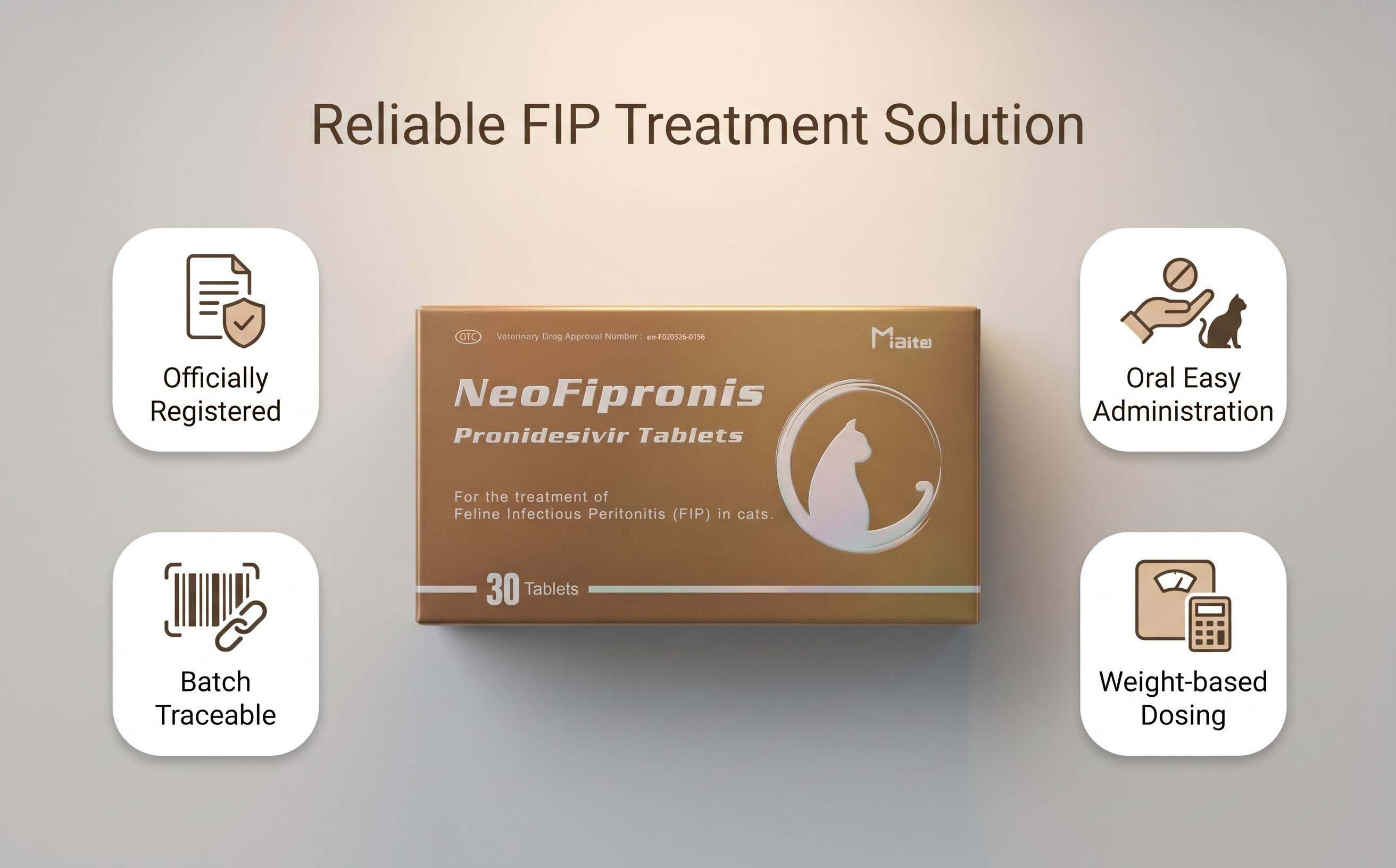
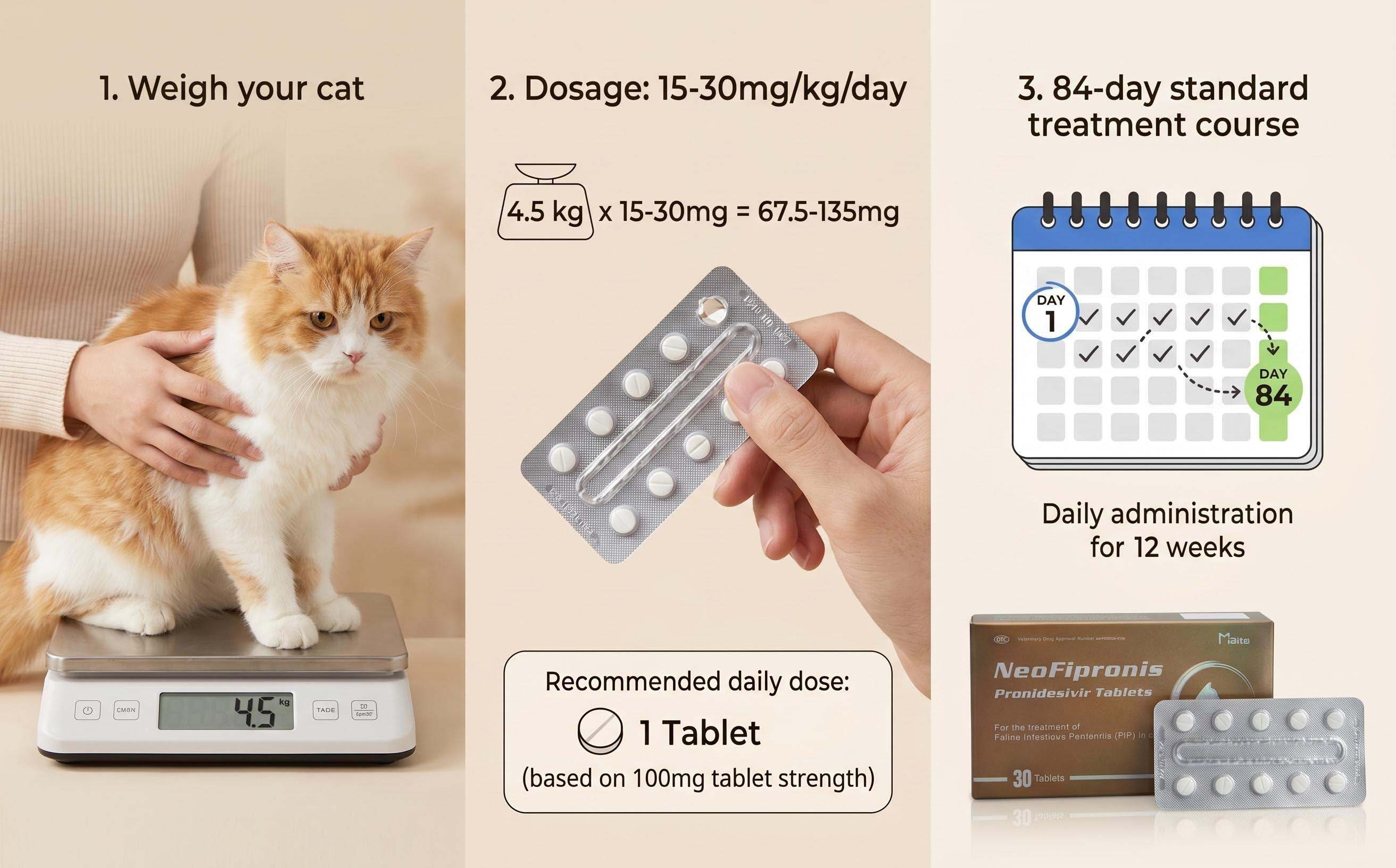
Diagnosing FIP is challenging because no single test is perfect in every case. Veterinarians often combine bloodwork, protein measurements, albumin-to-globulin ratio, imaging, fluid analysis, and specialized testing such as coronavirus PCR or immunostaining. The goal is not just to identify feline coronavirus exposure, but to determine whether the cat’s signs fit FIP. Treatment has changed significantly in recent years because antiviral therapy can improve outcomes when started early and monitored carefully. Supportive care may include fluid therapy, appetite stimulation, nutritional support, anti-nausea medication, pain control, and treatment for eye or neurologic complications. Miaite NeoFipronis (Pronidesivir) GS-441524 is described as suitable for symptoms caused by feline infectious peritonitis (FIP), such as loss of appetite, lethargy, fever, ascites, pleural effusion, lymphadenopathy, inflammatory granulomas, nerve damage, and uveitis. It is presented as having strong therapeutic potential for FIP and as a safe, non-invasive, rapidly absorbed, fast-acting, well-tolerated option with few side effects. Any antiviral choice should be made with veterinary guidance, because dose, duration, organ involvement, and monitoring need to be tailored to the individual cat.
Prevention of Cat Coronavirus and Household Control
Preventing feline coronavirus exposure and reducing the risk of FIP depends on excellent hygiene and low-stress management. Litter boxes should be cleaned frequently, ideally several times a day in multi-cat homes or catteries, because fecal contamination is the main route of spread. Cats should have enough litter boxes, food bowls, water stations, and resting places to reduce competition and stress. New cats should be quarantined and monitored before joining a group. Overcrowding should be avoided, and kittens should be raised in clean environments with minimal pathogen pressure. Because stress may influence viral shedding and immune function, stable routines are helpful. Owners should also watch for early signs of illness after major stressors such as adoption, surgery, boarding, or relocation. Routine veterinary examinations remain important, especially for young cats and cats living in high-density environments. While feline coronavirus is widespread, good management can lower transmission and may reduce the chance that a susceptible cat develops FIP.
When to Seek Veterinary Attention for FIP
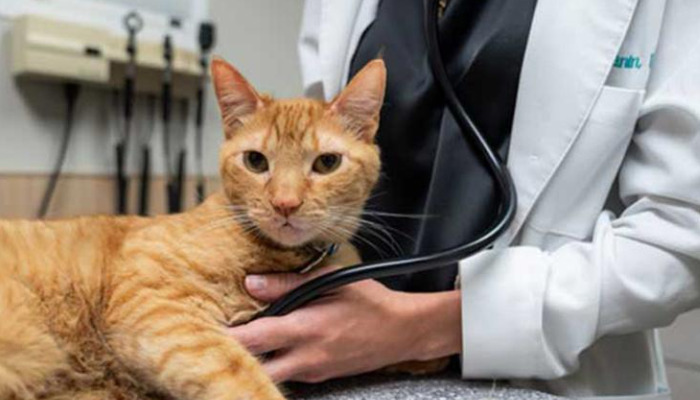
A cat with a persistent fever, unexplained weight loss, reduced appetite, abdominal swelling, breathing difficulty, eye changes, or neurologic signs needs a veterinary exam without delay. Early FIP evaluation is especially important if the cat is young, lives with other cats, or has a history of coronavirus exposure. Blood tests and imaging may reveal clues before the disease becomes advanced. Even when the diagnosis is uncertain, supportive care can help stabilize the cat while a veterinarian works through differential diagnoses such as lymphoma, liver disease, toxoplasmosis, bacterial infection, or other inflammatory disorders. Because FIP can evolve rapidly, waiting for severe deterioration often makes management harder. Owners who understand the relationship between cat coronavirus, feline coronavirus shedding, and FIP symptoms are better prepared to act quickly. That awareness supports earlier testing, faster treatment decisions, and better communication with the veterinary team.
References
Addie, D. D., and O. Jarrett, “Feline Coronavirus Infections and Feline Infectious Peritonitis”
Pedersen, N. C., “An Update on Feline Infectious Peritonitis: Diagnostics and Therapeutics”
Tasker, S., “Diagnosis of Feline Infectious Peritonitis”
Kipar, A., and M. L. Meli, “Feline Infectious Peritonitis: Still an Enigma?”
Felten, S., and N. C. Pedersen, “An Update on Antiviral Treatment of Feline Infectious Peritonitis”
Hartmann, K., “Feline Infectious Peritonitis”