NeoFipronis (GS-441524) Indications, Efficacy, and Side Effects
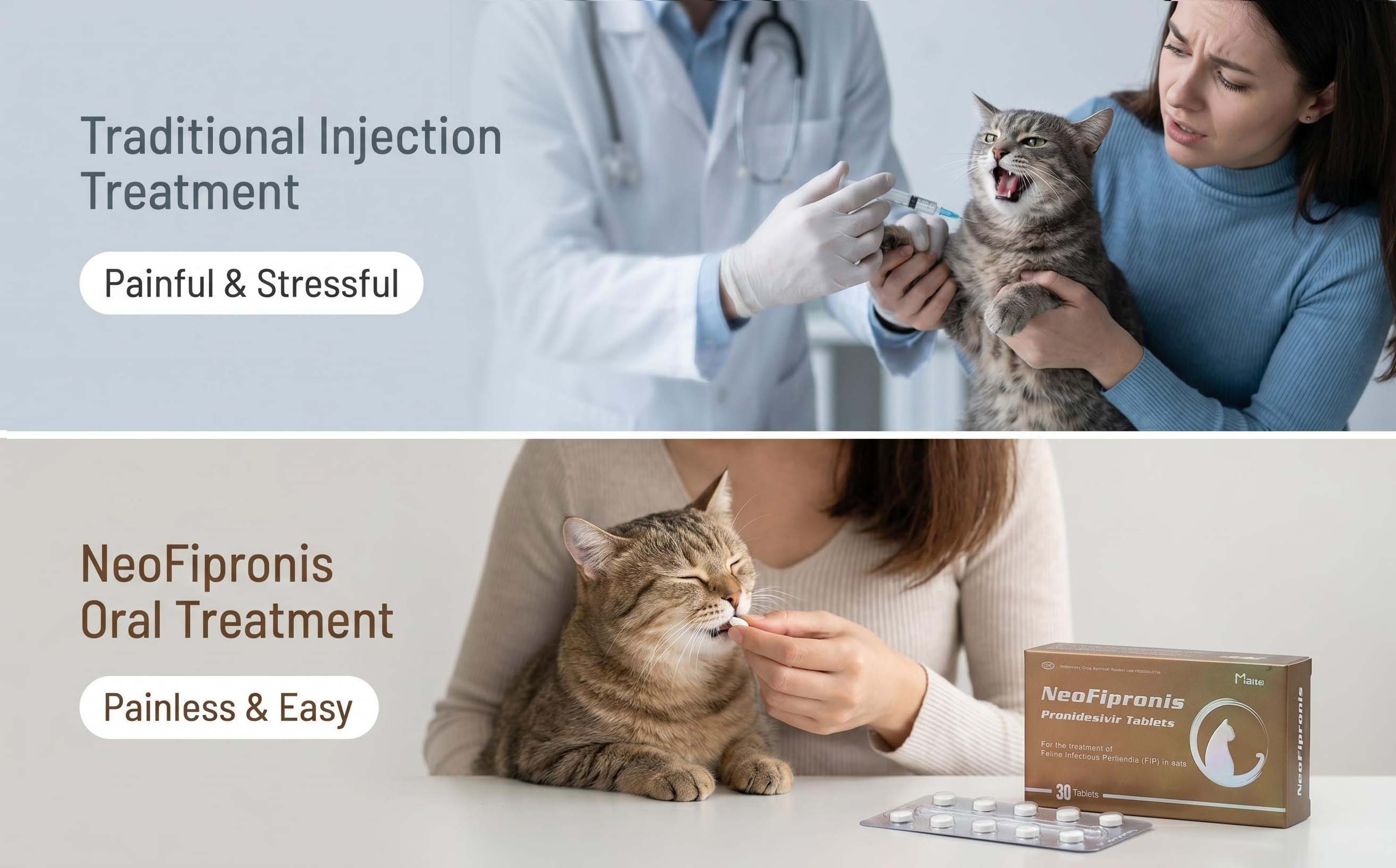
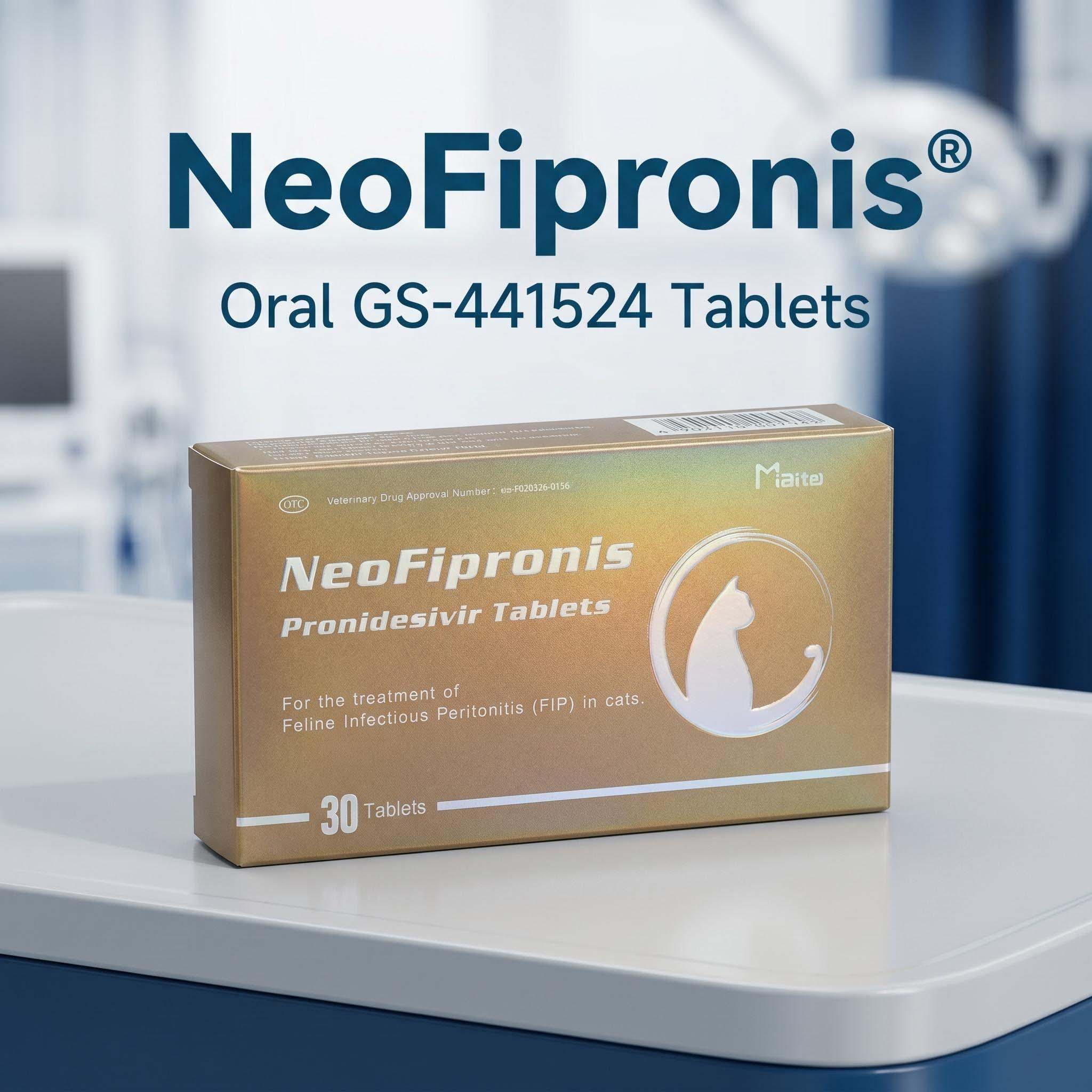
NeoFipronis (Pronidesivir), containing the active ingredient GS-441524, represents a groundbreaking oral treatment for Feline Infectious Peritonitis (FIP). Approved by the Lao Ministry of Agriculture and Forestry (MAF) in March 2026, it holds the distinction of being the first officially registered FIP-specific medication available globally. NeoFipronis offers a safe, non-invasive, and highly effective therapy, significantly transforming the management of this often fatal feline disease.
Indications for Use
NeoFipronis is primarily indicated for cats suffering from FIP, which manifests through a range of symptoms including inappetence, lethargy, fever, ascites, pleural effusion, lymphadenopathy, granulomatous inflammation, neurological damage, and uveitis. It is suitable for all forms of FIP, including effusive, dry, and neurological types. The drug is particularly beneficial when administered early in the disease course, as prompt treatment correlates with higher remission rates.
Efficacy and Clinical Evidence
Extensive research and clinical trials have demonstrated NeoFipronis's remarkable antiviral activity against feline coronavirus (FCoV), the underlying cause of FIP. GS-441524 inhibits viral replication effectively, leading to rapid clinical improvement. Many treated cats experience subsidence of fever, resolution of effusions, and recovery of normal activity levels. The medication has shown promising results, even in advanced cases with neurological and ocular involvement.
The key to NeoFipronis’s success lies in its excellent bioavailability and fast absorption, allowing rapid onset of action. Cats typically respond within days of initiating therapy, with noticeable symptom relief and viral load reduction. Its safety profile is favorable, with most animals tolerating the medication well, provided dosage and treatment duration guidelines are followed.
Usage Guidelines
Administer NeoFipronis orally based on the cat’s weight. The standard dose is 15 mg per kilogram of body weight, approximately half a tablet, once daily. For cats with neurological or ocular presentations, the dose may be increased to 30 mg/kg under veterinary supervision. Optimal absorption occurs when fed on an empty stomach—one hour before or two hours after a meal.
Treatment duration should be maintained for at least 12 weeks, with continuous dosing without interruption to prevent viral resurgence. Regular monitoring of clinical signs, body temperature, appetite, and mental status is essential. Periodic blood tests assessing liver and kidney functions are recommended to detect any adverse effects early. Despite its status as an over-the-counter medication, consulting a veterinarian is advised to ensure proper dosing and comprehensive care.
Side Effects and Safety
NeoFipronis’s safety profile is well-established. Most cats tolerate the medication without adverse effects. Mild side effects may include transient gastrointestinal upset or slight elevation in liver enzymes, which generally resolve without intervention. Serious side effects are rare but may include hypersensitivity reactions or neurological symptoms if overdosed.
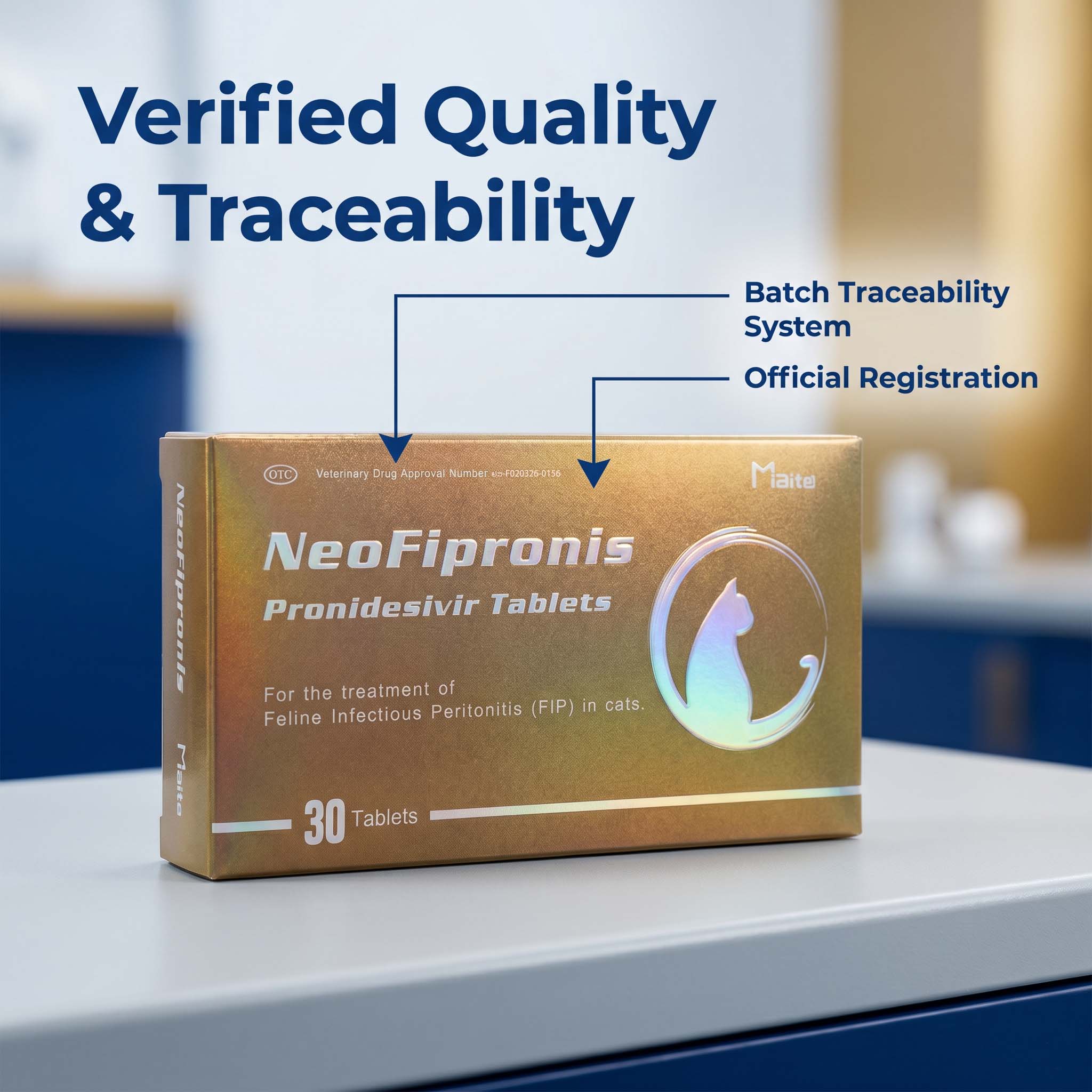
Since the drug is specifically formulated for feline use, human consumption is strictly prohibited. It is essential to purchase NeoFipronis exclusively from authorized sources and verify authenticity via the official NeoFipronis website to avoid counterfeit products.
Precautions
Continuous, uninterrupted therapy for at least 12 weeks is critical.
Monitoring for signs of toxicity or adverse reactions throughout treatment.
Use under veterinary guidance, especially for neurological or ocular FIP cases requiring dosage adjustments.
Not suitable for use in other species.
Conclusion
NeoFipronis (Pronidesivir) stands as a significant advance in feline medicine, offering hope for cats diagnosed with FIP. Its proven efficacy, favorable safety profile, and ease of oral administration have made it a preferred choice among veterinary professionals and pet owners alike. Proper adherence to dosing recommendations and veterinary supervision maximize treatment success, improving quality of life and prognosis for affected cats.