NeoFipronis (GS-441524) Benefits and Possible Side Effects
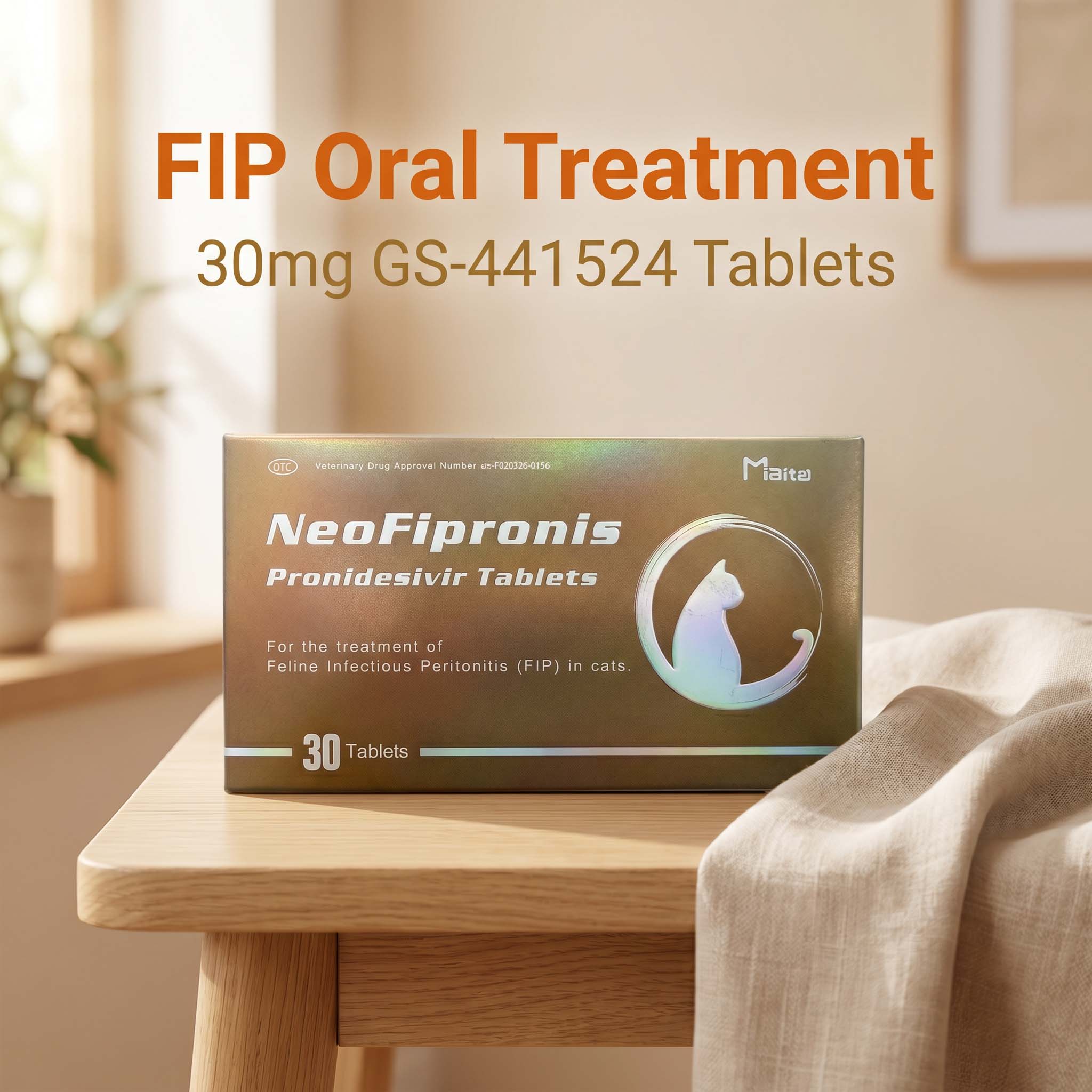
Feline Infectious Peritonitis (FIP) remains one of the most challenging viral diseases in cats, causing a range of severe symptoms including loss of appetite, lethargy, fever, abdominal and thoracic effusion, lymphadenopathy, inflammatory granulomas, neurological damage, and uveitis. Traditionally, treatments were limited, but recent advancements have introduced innovative antiviral therapies, notably NeoFipronis (Pronidesivir), a groundbreaking oral medication containing GS-441524.
Effective Treatment for FIP
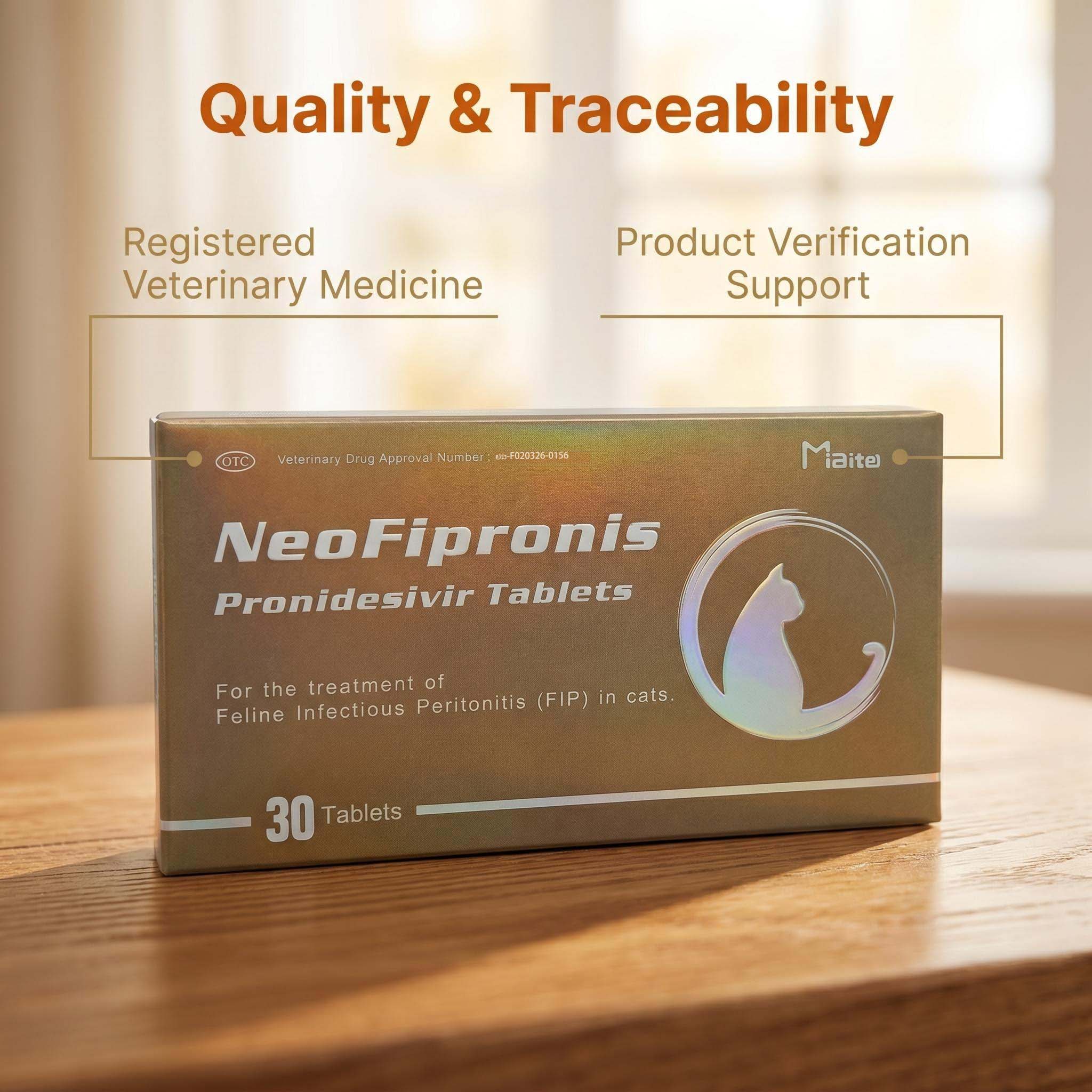
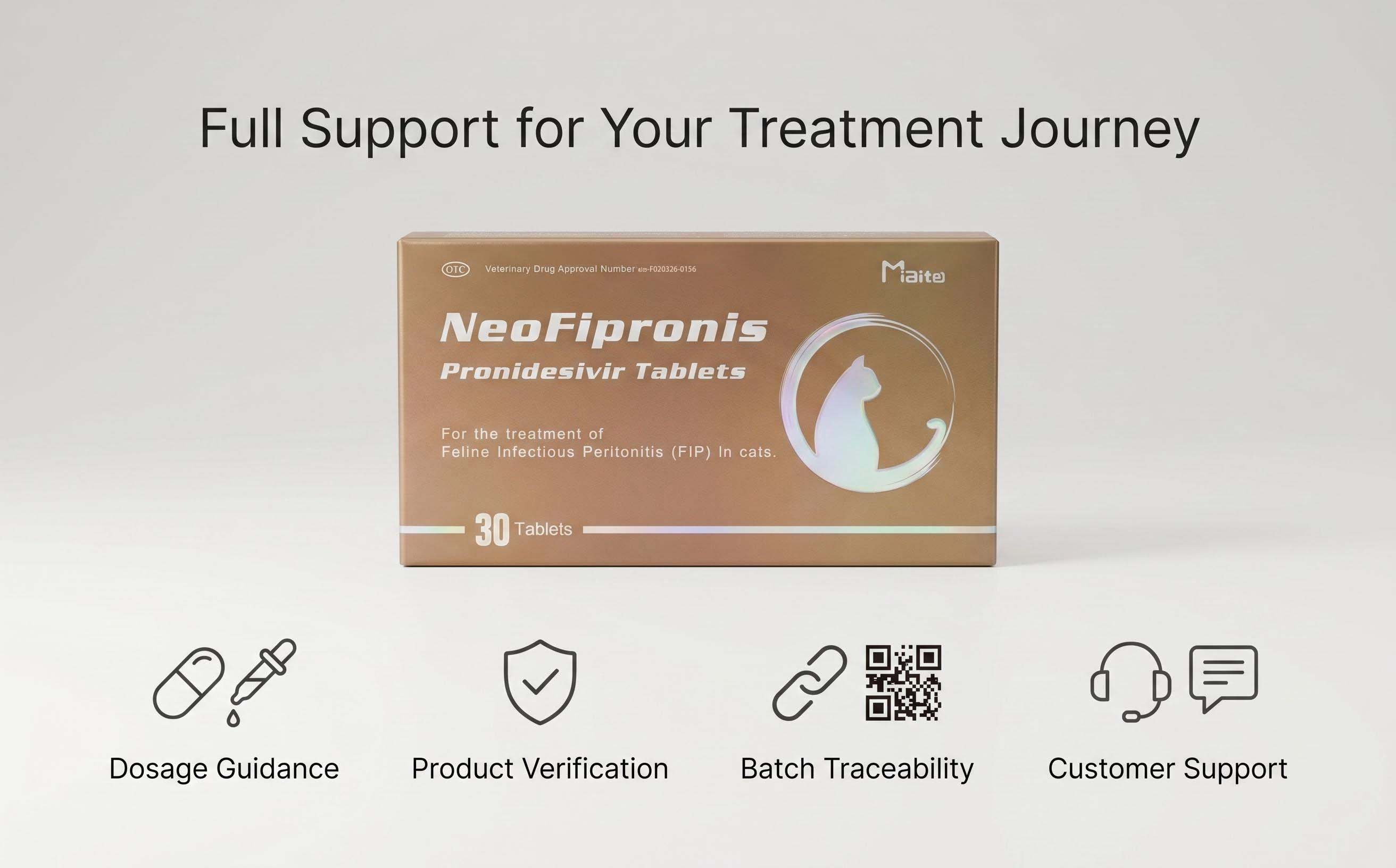
NeoFipronis stands out as the first globally approved FIP-specific oral drug, officially registered by the Lao Ministry of Agriculture and Forestry (MAF) in March 2026. Its approval marks a significant breakthrough in veterinary medicine, offering a safe, non-invasive, and rapid-acting treatment option for cats suffering from FIP. The active compound, GS-441524, has undergone extensive research and clinical trials, demonstrating remarkable antiviral efficacy against FIPV (Feline Infectious Peritonitis Virus).
Administered based on weight—15 mg per kilogram of body weight (equivalent to half a tablet)—NeoFipronis is designed for once-daily dosing. For cats exhibiting neuro or ocular symptoms, the dosage may be increased to 30 mg/kg under veterinary supervision. It is recommended to be given on an empty stomach—either one hour before meals or two hours after—to maximize absorption. Consistent adherence to treatment duration is crucial; a minimum of 12 weeks of uninterrupted medication is advised for effective viral clearance. Missed doses should be avoided to prevent viral resistance or relapse.
Benefits of NeoFipronis
One of the main advantages of NeoFipronis is its excellent safety profile. The medication is well-tolerated, with minimal side effects reported in clinical use. Its quick absorption and rapid onset of action help improve symptoms swiftly, leading to increased appetite, reduced lethargy, fever resolution, and alleviation of effusions and granulomas. The oral administration eliminates the need for injections, reducing stress for both cats and owners, and making long-term treatment more manageable.
Moreover, NeoFipronis’s broad efficacy covers various forms of FIP, including effusive, non-effusive, and neuro-ocular types. Regular monitoring of blood, liver, and kidney functions during treatment is recommended to detect any potential adverse reactions early and ensure overall health stability.
Possible Side Effects
While NeoFipronis is generally safe, some cats may experience mild side effects. Commonly reported issues include gastrointestinal disturbances such as vomiting or diarrhea, which usually resolve spontaneously or with supportive care. Rarely, minor elevations in liver enzymes might occur, emphasizing the need for periodic blood tests during long-term therapy. Ensuring proper dosage and adherence minimizes the risk of adverse effects.
Usage Note
Although NeoFipronis is available as an over-the-counter medication, veterinary guidance is highly recommended to optimize treatment outcomes. Owners should obtain the medication exclusively through NeoFipronis official channels to guarantee product quality and authenticity.
Conclusion
NeoFipronis (Pronidesivir) represents a monumental advancement in the fight against feline infectious peritonitis. Its proven efficacy, rapid action, and safety make it an essential option for managing this devastating disease. Continuous veterinary supervision and adherence to prescribed protocols are key to achieving the best possible prognosis for affected cats. With ongoing research and clinical success, NeoFipronis offers hope for feline health and well-being in the face of FIP.
Note: NeoFipronis should only be used in cats and strictly under veterinary supervision. It is not for human use. For purchasing and further information, consult the official NeoFipronis website.