How to Improve Quality of Life for Cats With FIP
Feline Infectious Peritonitis (FIP) is a serious and often fatal disease affecting cats worldwide. It results from a mutated form of the feline coronavirus and leads to severe health issues that significantly diminish a cat’s quality of life. While FIP traditionally posed a grim prognosis, recent advancements in veterinary medicine have opened new avenues for managing this disease. Improving the quality of life for cats diagnosed with FIP requires a comprehensive approach that includes symptom management, supportive care, and innovative treatments. This article explores effective strategies to enhance comfort and well-being for cats suffering from FIP.
Understanding FIP and Its Impact on Cats
FIP manifests primarily in two forms: the wet (effusive) form and the dry (non-effusive) form. The wet form is characterized by the accumulation of fluid in body cavities like the abdomen and chest, leading to swelling, difficulty breathing, and discomfort. The dry form involves granuloma formation in major organs, causing neurological issues, weight loss, and lethargy. Both types can cause significant suffering.
Common symptoms include lethargy, loss of appetite, fever, weight loss, jaundice, and swelling. These symptoms can be distressing for both cats and their owners. Since there is no cure for FIP traditionally, supportive care and symptom management have been essential in improving the cats’ quality of life.
Pharmacological Advances: NeoFipronis (Pronidesivir) GS-441524
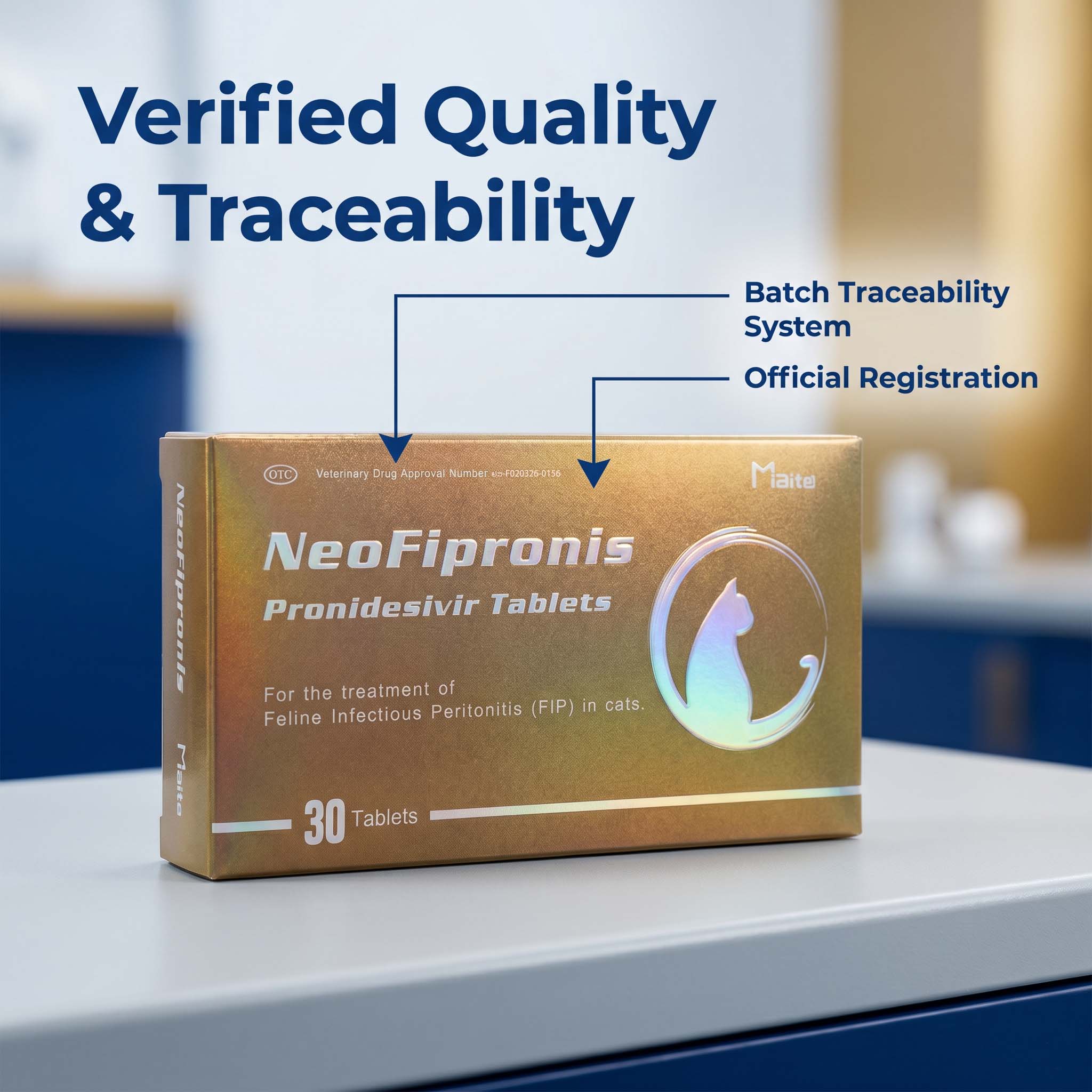
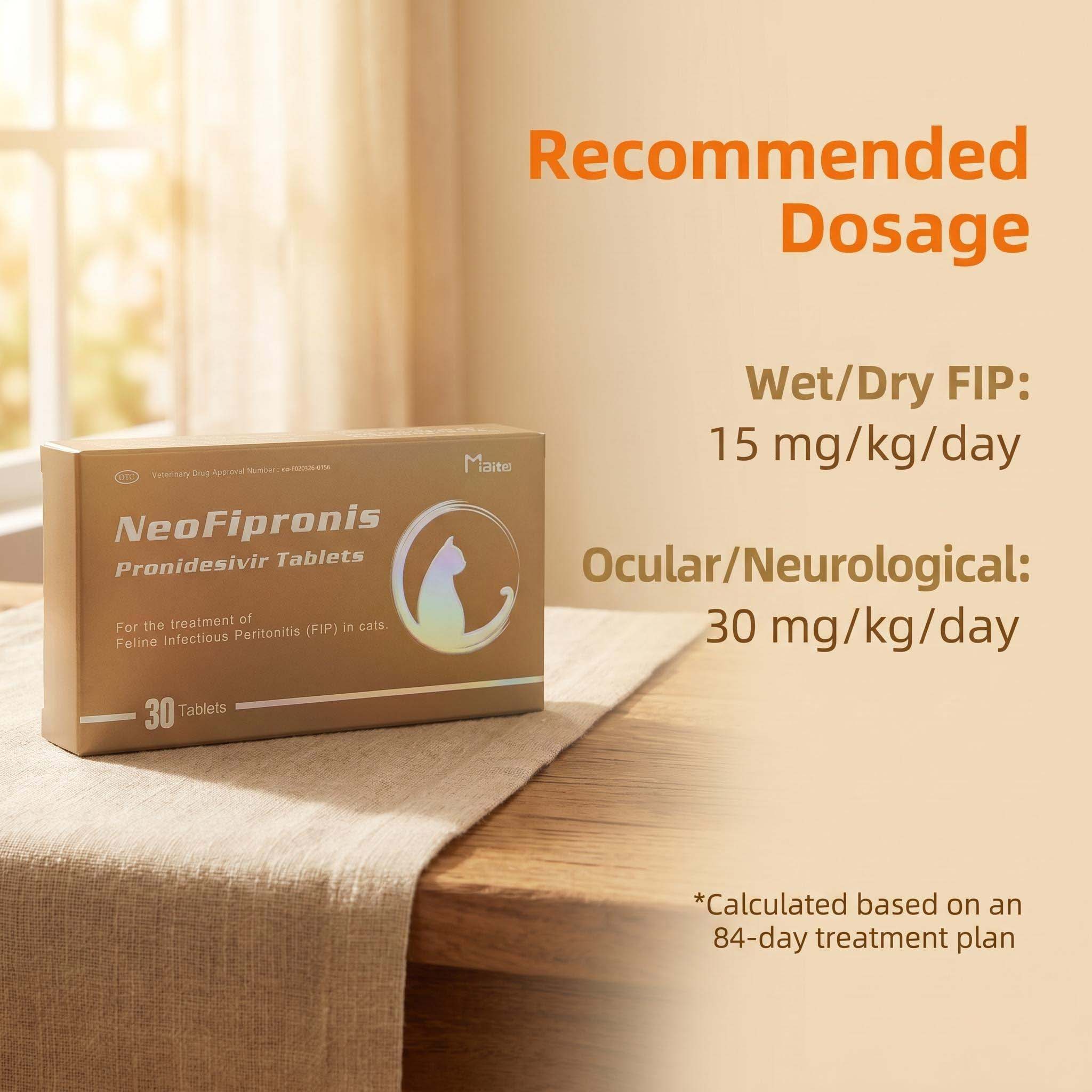
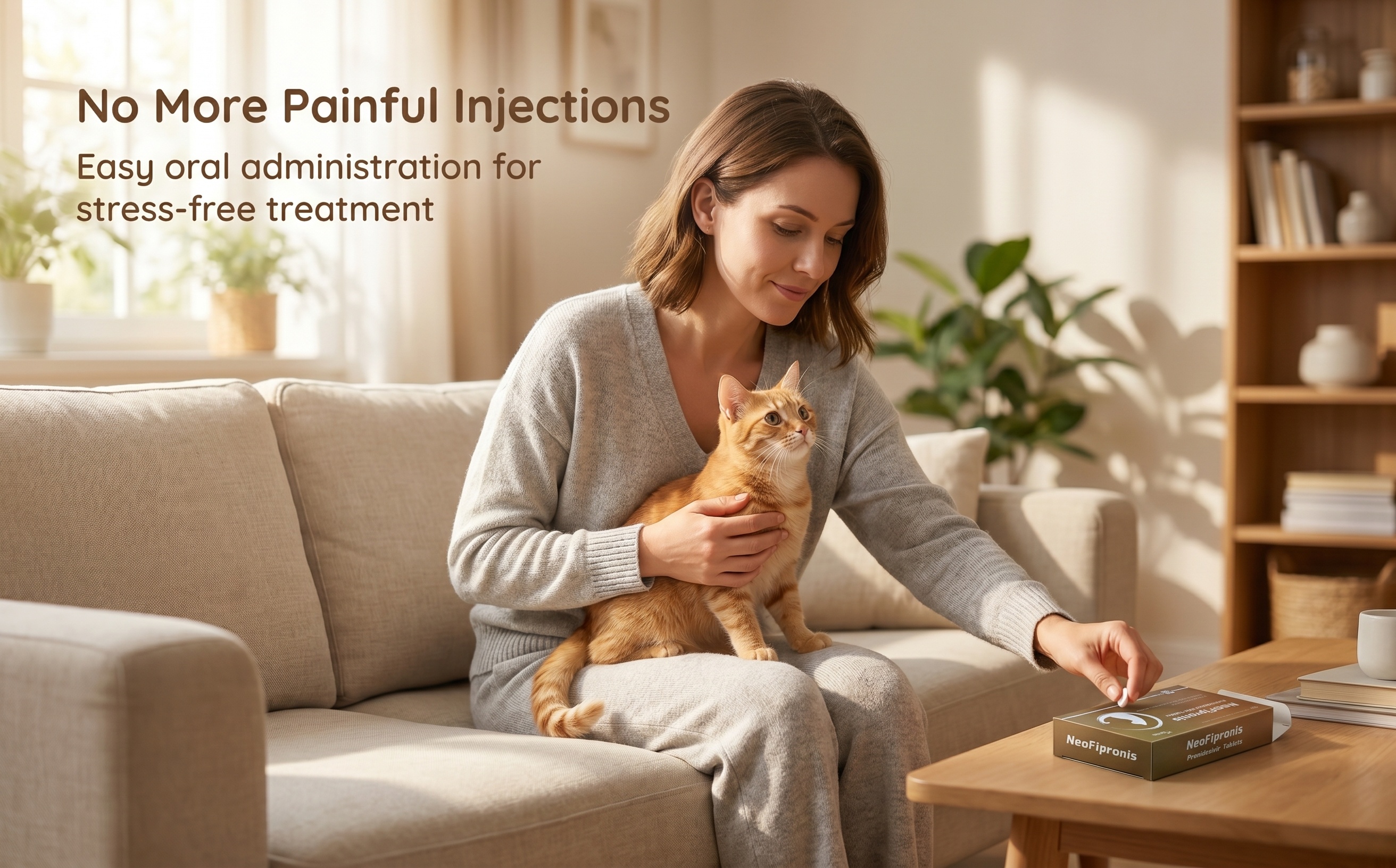
One of the most promising developments in recent years is the introduction of medications like NeoFipronis (Pronidesivir) GS-441524. This drug has shown remarkable efficacy in treating FIP symptoms such as loss of appetite, lethargy, fever, ascites, pleural effusion, lymphadenopathy, inflammatory granulomas, nerve damage, and uveitis.
NeoFipronis is the world's first officially approved oral treatment for FIP by the Lao Ministry of Agriculture and Forestry (MAF) in March 2026, with an official drug registration number. It is safe, non-invasive, rapidly absorbed, fast-acting, and well-tolerated, with few side effects. The availability of this medication marks a significant milestone, allowing veterinarians to enhance the quality of life for cats with FIP through more effective disease management.
Supportive Care Strategies
While medications like NeoFipronis help combat the disease directly, supportive care remains vital in ensuring cats maintain the best possible quality of life. These strategies include:
Hydration Support: FIP can cause dehydration, especially in cats with fever or fluid accumulation. Encouraging fluid intake through water or broth, or providing subcutaneous fluids if necessary, can prevent dehydration.
Nutritional Support: Cats with FIP often experience decreased appetite. Offering palatable, high-quality food or appetite stimulants can help maintain weight and energy levels.
Pain Relief and Anti-inflammatory Medications: Managing discomfort with appropriate pain relief can significantly improve a cat's well-being.
Environmental Comfort: Providing a warm, quiet, and safe environment can reduce stress and promote recuperation. Soft bedding, ambient warmth, and minimal loud noises create a more comfortable space.
Monitoring and Early Intervention: Regular veterinary check-ups are essential to detect changes and adjust treatment plans promptly. Monitoring fluid buildup, organ function, and neurological signs guides better care.
Enhancing Emotional and Psychological Well-Being
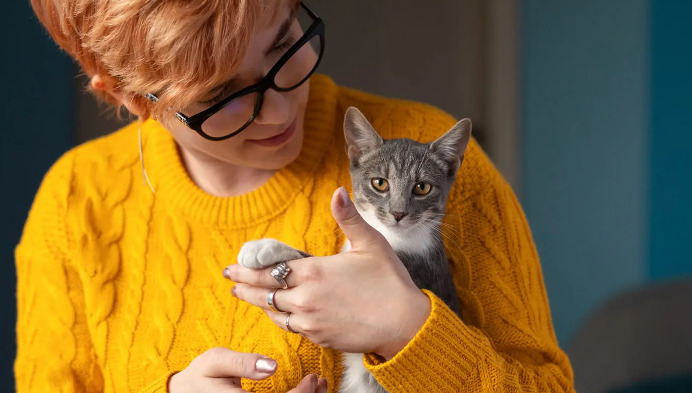
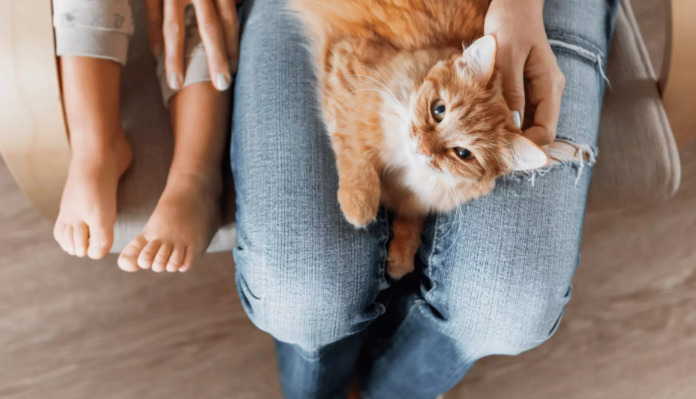
Supporting a cat's emotional health is often overlooked but equally vital. Spending quality time with your cat, gentle petting, and maintaining routine can reduce stress. A calm environment and minimal disturbances enhance comfort. Some cats might benefit from pheromone diffusers, which can help alleviate anxiety.
Promoting Physical Activity and Enrichment
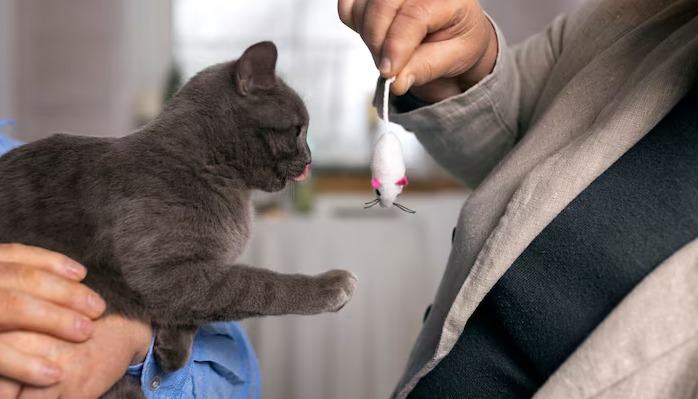
Although cats with FIP may have limited energy, providing gentle stimulation through safe toys, scratching posts, or window perches can promote mental engagement without exhausting them. Always tailor activities to the individual cat’s stamina and condition.
Veterinary Collaboration and Personalized Care
Every cat with FIP responds differently to treatment. Working closely with a veterinarian experienced in feline infectious diseases ensures personalized care plans. The veterinarian can recommend appropriate medications, monitor side effects, and adapt supportive measures over time.
The Future of FIP Management
The development and approval of NeoFipronis (Pronidesivir) GS-441524 offer hope for improving the prognosis of FIP. Combined with supportive care, medications like this can extend lifespan and improve the quality of life significantly. Ongoing research continues to uncover new therapeutic options, promising a brighter future for cats diagnosed with this challenging disease.
Conclusion
Enhancing the quality of life for cats with FIP involves a multidimensional approach. Advances in antiviral treatments, particularly the advent of NeoFipronis (Pronidesivir) GS-441524, have revolutionized care strategies. Supportive measures, environmental enrichment, emotional support, and close veterinary supervision collectively contribute to comfort and well-being. While FIP remains a serious condition, these strategies empower pet owners and veterinarians to offer affected cats a better quality of life, focusing on comfort, dignity, and compassion.
References:
Veterinary Feline Infectious Diseases Journal
Journal of Feline Medicine and Surgery
Recent Veterinary Pharmacology Publications
Official Reports from the Lao Ministry of Agriculture and Forestry
Clinical Trials and Studies on NeoFipronis (Pronidesivir) GS-441524