Miaite (Pronidesivir) Side Effects and How to Manage Them
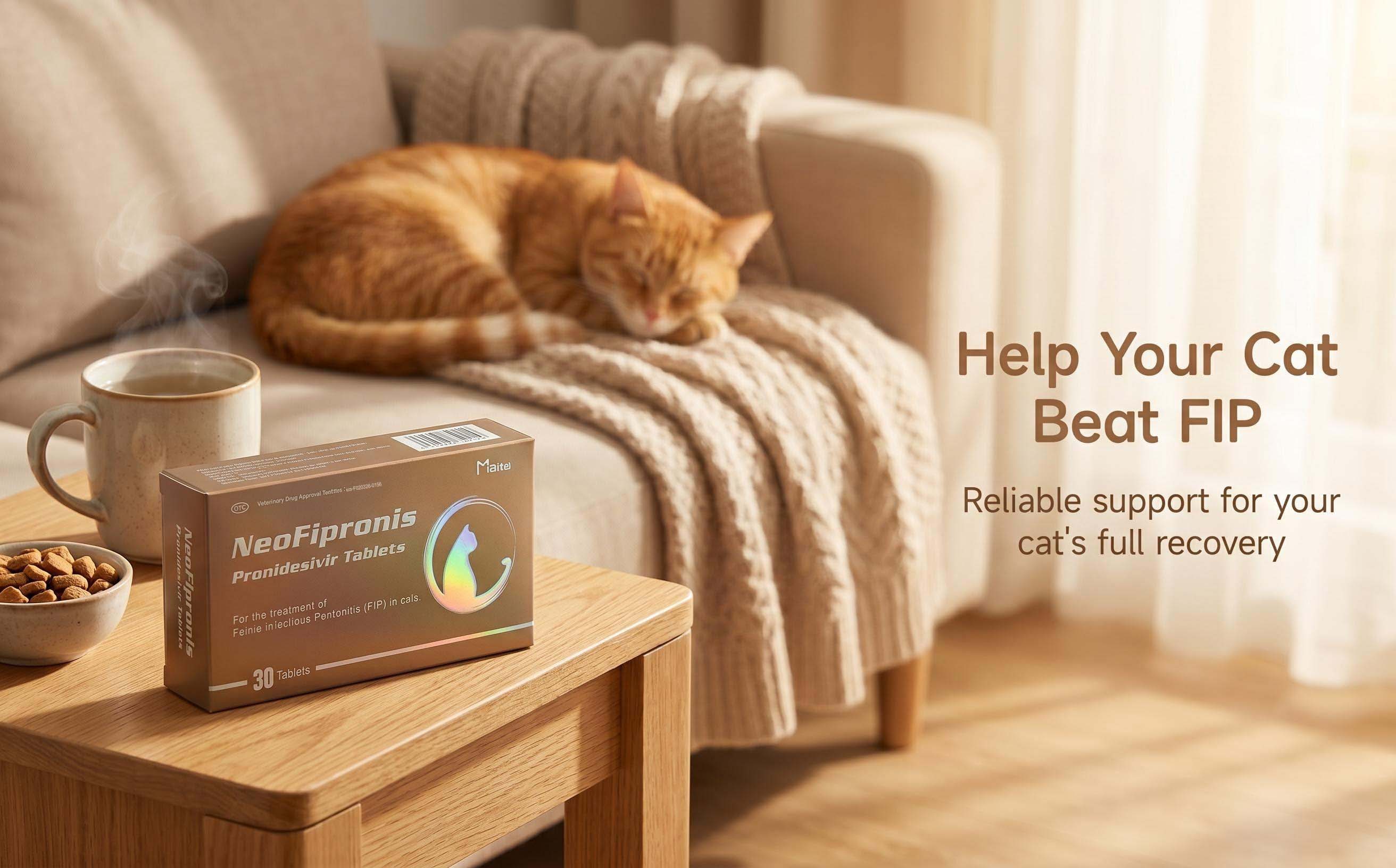
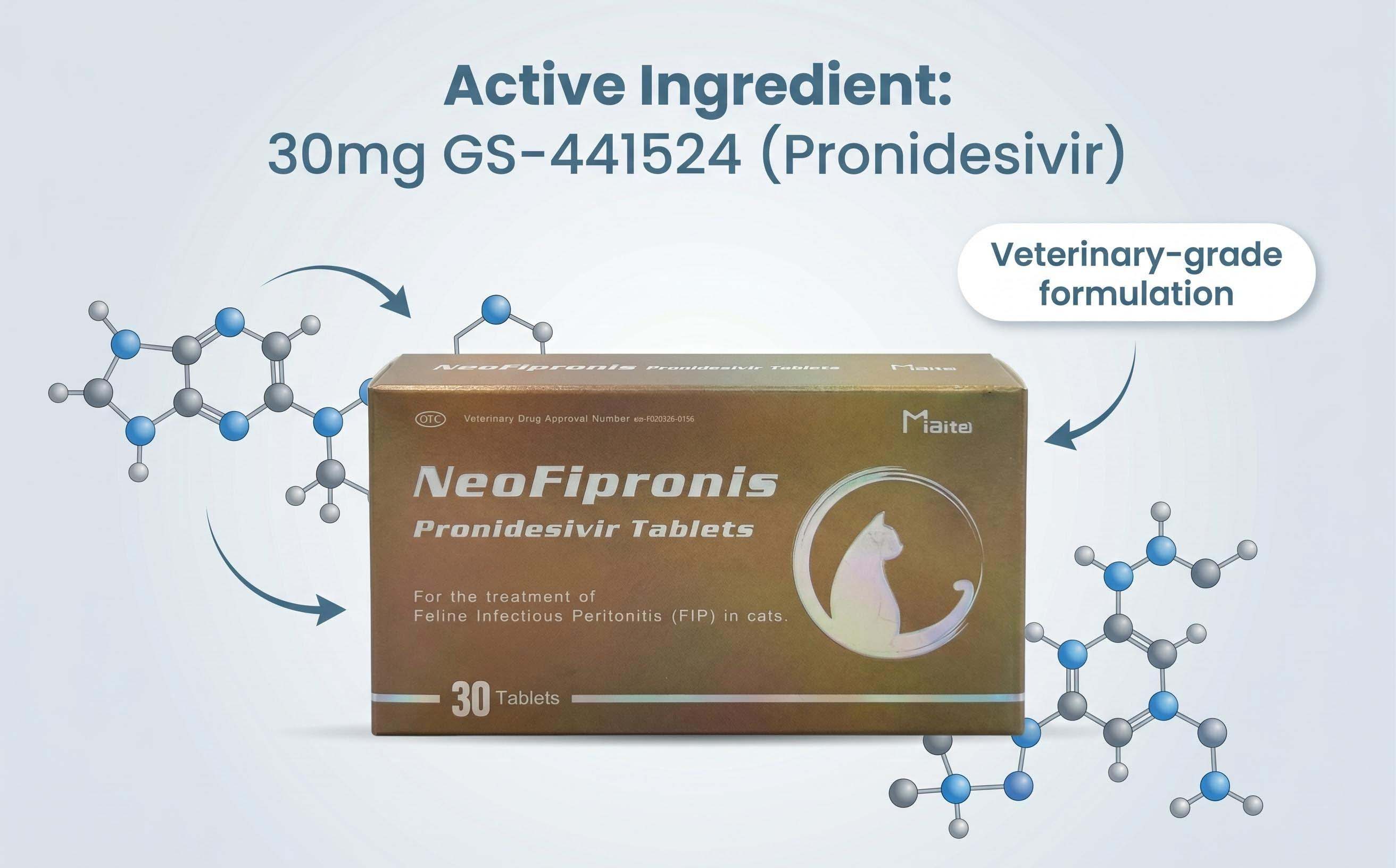
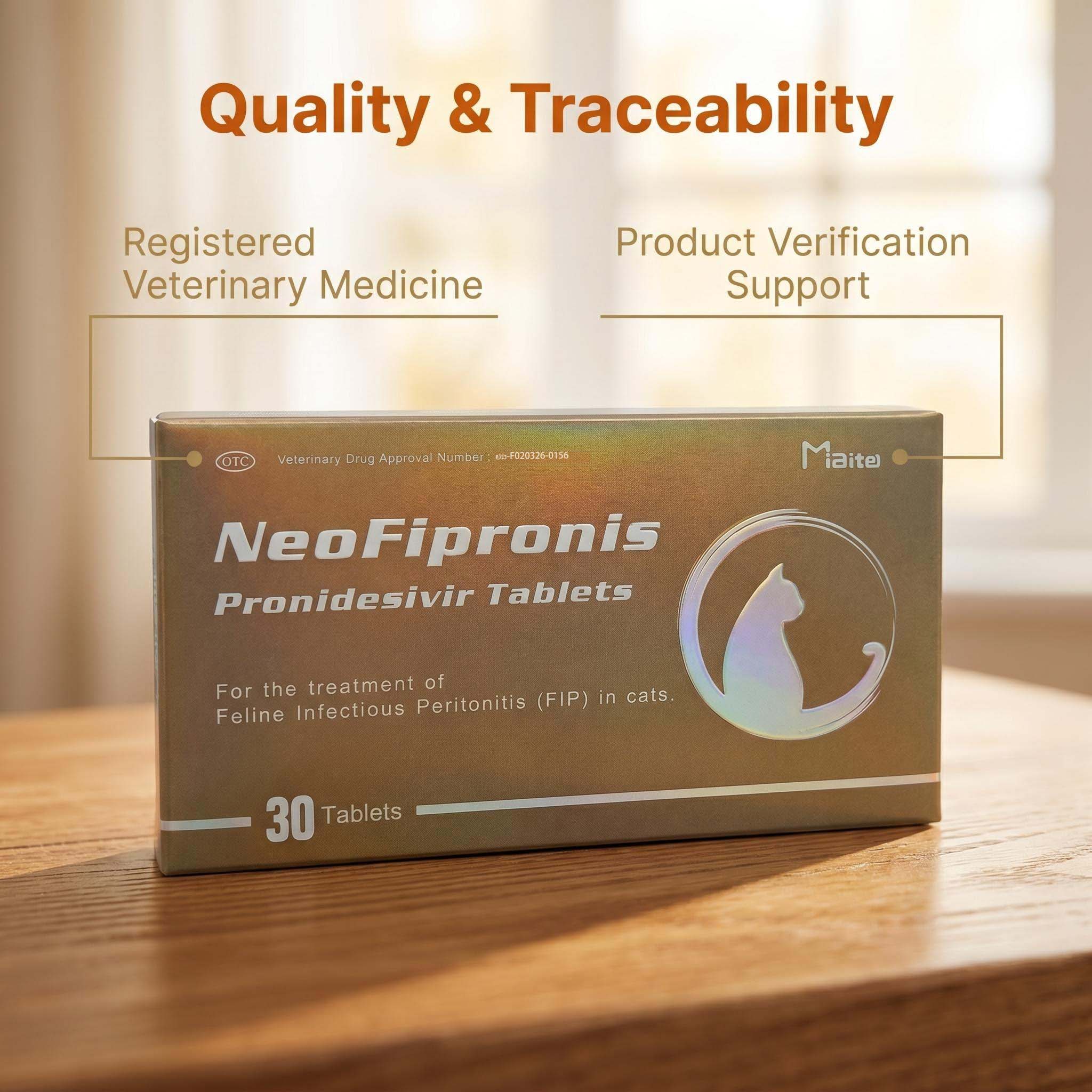
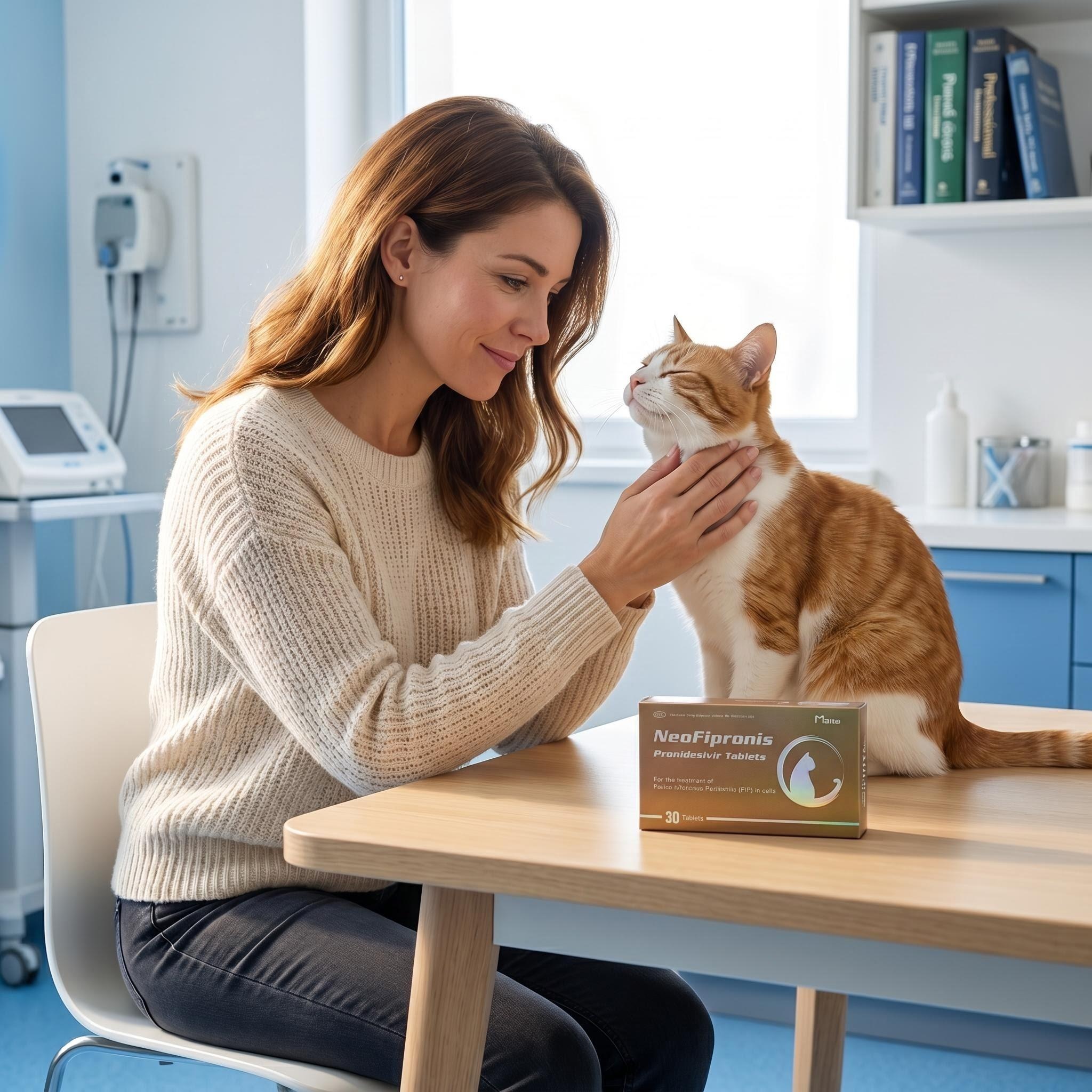
Feline Infectious Peritonitis (FIP) remains one of the most challenging diseases in cats, caused by a mutated feline coronavirus. Despite previous lack of effective treatments, Miaite (Pronidesivir), with its active ingredient GS-441524, has emerged as a groundbreaking antiviral therapy with proven efficacy. Approved by the Lao Ministry of Agriculture and Forestry (MAF) in March 2026, Miaite NeoFipronis is the world's first officially registered oral medication targeting FIP, offering hope to many affected feline patients.
Miaite NeoFipronis has demonstrated remarkable success in managing FIP symptoms such as anorexia, lethargy, fever, ascites, pleural effusion, lymphadenopathy, granulomatous inflammation, neurological lesions, and uveitis. Its rapid absorption, minimal invasiveness, and excellent tolerability make it a preferred choice for both veterinarians and pet owners. The drug's safety profile is notably favorable, with few reported side effects when used as directed, ensuring a high therapeutic index.
The active compound, GS-441524, functions as a nucleoside analog that inhibits viral RNA synthesis, effectively curbing the replication of feline coronavirus and preventing disease progression. Extensive clinical trials and real-world applications have confirmed its potent antiviral activity, making Miaite NeoFipronis a cornerstone in FIP management.
Usage and Dosage
Administer Miaite NeoFipronis based on the cat's weight: 15 mg per kilogram of body weight daily, approximately half a tablet. For neurological or ocular FIP cases, the dose can be increased to 30 mg/kg under veterinary supervision. It is recommended to give the medication on an empty stomach, either one hour before meals or two hours after. Consistency is critical; the treatment course should last no less than 12 weeks, and missed doses must be avoided to prevent relapse.
Monitoring and Precautions
During therapy, owners should monitor their cats closely for changes in appetite, temperature, and behavior. Regular veterinary check-ups, including blood work to assess liver and kidney functions, are essential to ensure safety throughout treatment. Though Miaite NeoFipronis is available over-the-counter, veterinary guidance is strongly advised to optimize outcomes and adjust dosing if necessary.
Side Effects and Management
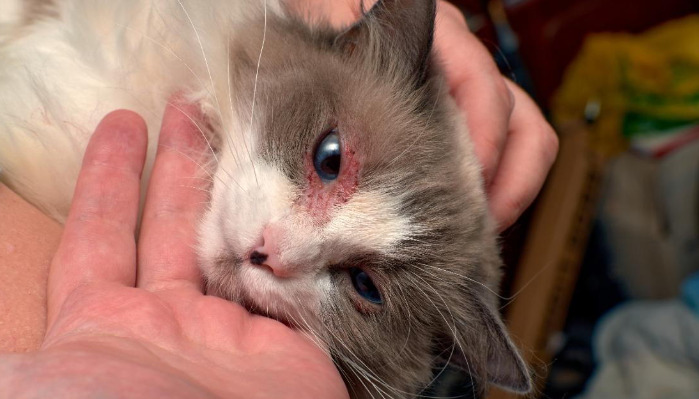
While generally well-tolerated, some cats may experience mild adverse effects. These can include transient anorexia, vomiting, or lethargy. In rare cases, elevated liver enzymes or dehydration may occur, necessitating close veterinary oversight. If any side effects are observed, consulting a veterinarian promptly is recommended. Management may involve supportive care or dose adjustments. Ensuring adequate hydration and maintaining nutritional support can mitigate some adverse reactions.
Safety and Purchase Alerts
Miaite NeoFipronis is strictly formulated for feline use; human consumption is dangerous and should be avoided. It is essential to purchase the medication through official channels or authorized veterinary suppliers to guarantee product authenticity and quality. Owners should adhere to prescribed dosages and treatment durations strictly to maximize recovery chances.
Conclusion
Miaite (Pronidesivir) represents a significant breakthrough in feline medicine, offering effective, safe, and non-invasive treatment for FIP. Its proven antiviral capabilities, combined with manageable side effects and straightforward dosing, make it a vital tool for veterinarians and pet owners combating this deadly disease. Proper monitoring and adherence to treatment protocols ensure the best possible outcomes, giving cats afflicted with FIP a renewed chance at health and longevity.