GS-441524 (NeoFipronis) Indications, Precautions, and Contraindications

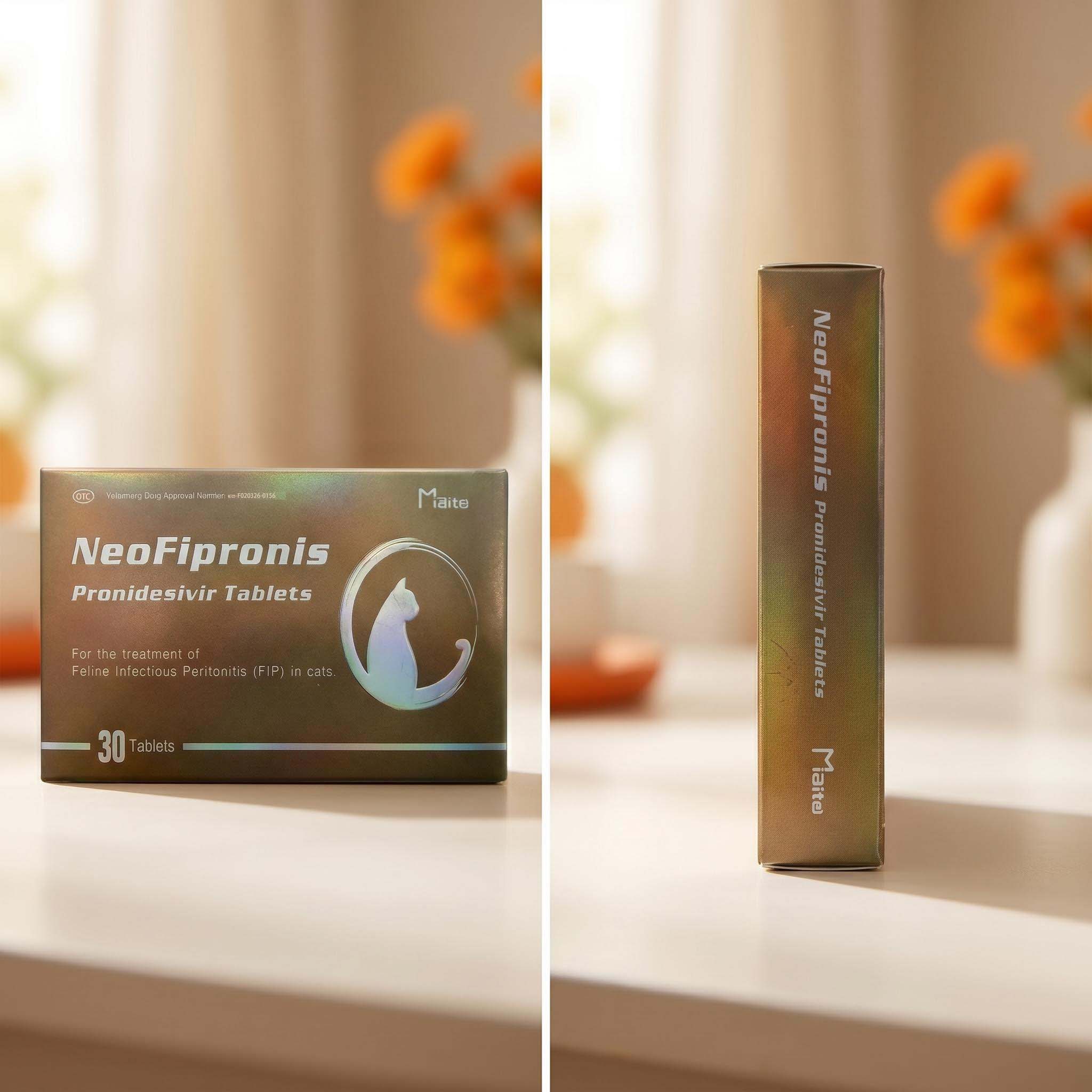
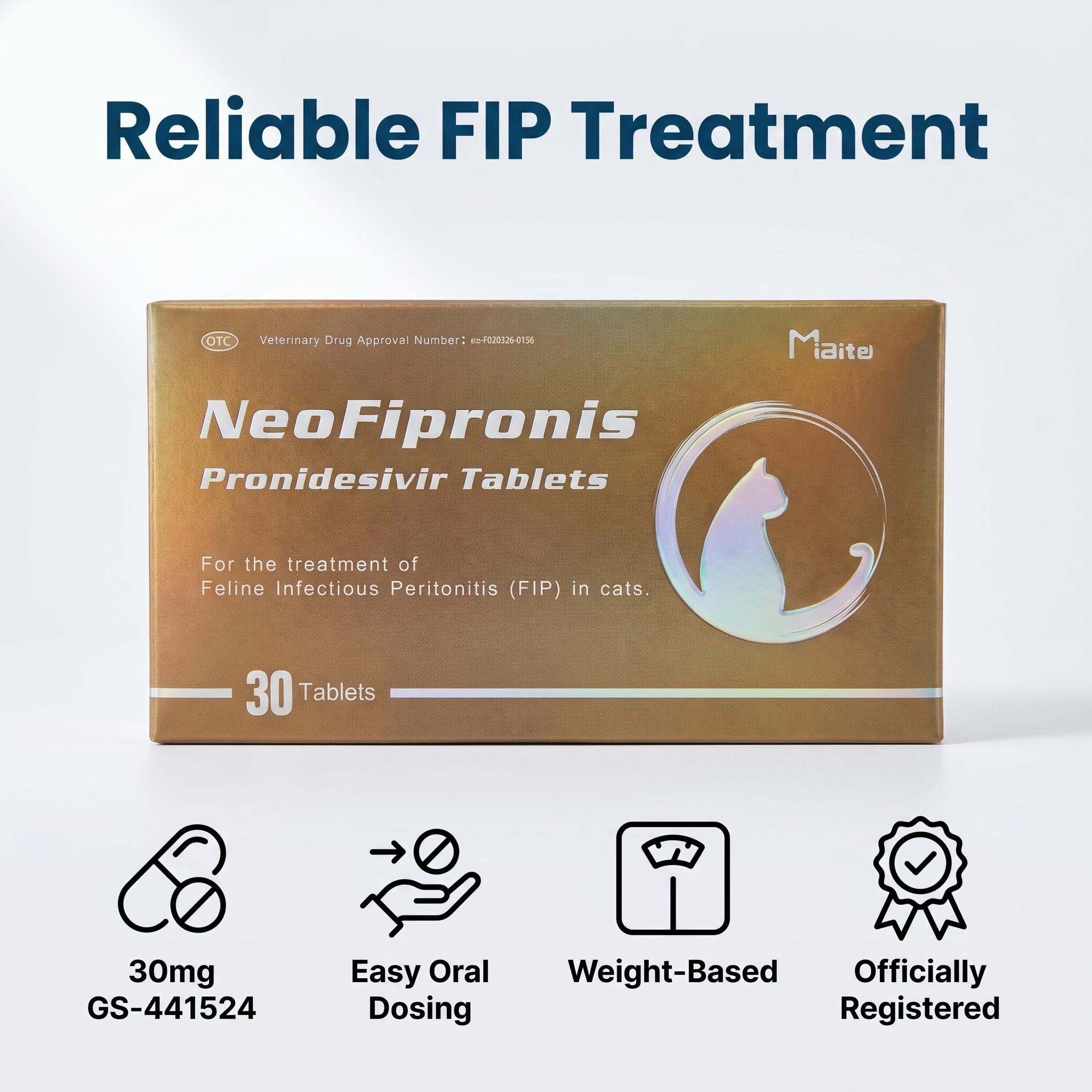
GS-441524, marketed as NeoFipronis (Pronidesivir), is a groundbreaking oral medication specifically designed for the treatment of Feline Infectious Peritonitis (FIP). FIP is a severe, often fatal disease caused by a mutated feline coronavirus, leading to symptoms such as loss of appetite, lethargy, fever, ascites, pleural effusion, lymphadenopathy, inflammatory granulomas, neurological damage, and uveitis. NeoFipronis has rapidly gained recognition worldwide for its efficacy in alleviating these debilitating symptoms and significantly improving feline survival rates.
Indications
NeoFipronis is indicated for cats diagnosed with FIP, regardless of the clinical form—whether effusive (wet) or non-effusive (dry). It is especially effective in reducing inflammation, controlling viral replication, and restoring immune function. The medication demonstrates remarkable results in managing symptoms like fever, anorexia, and weight loss, while also addressing neurological and ocular manifestations associated with FIP. Its use is supported by extensive research and clinical trials, which reveal its ability to suppress viral activity effectively and promote recovery.
Precautions
While NeoFipronis is generally well tolerated, certain precautions should be observed. Continuous monitoring of the cat’s health status is essential during treatment, which should last no less than 12 weeks to ensure complete viral suppression and prevent relapse. Regular assessment of blood parameters, liver, and kidney function is recommended to detect any adverse effects early. It is important to observe changes in appetite, behavior, activity level, and temperature throughout therapy to evaluate treatment progress.
Since NeoFipronis is prescribed with detailed dosing instructions—15 mg per kilogram of body weight daily—and adjusted to 30 mg/kg for neurological or ocular FIP cases, adherence to the prescribed regimen is critical. Missing doses may reduce efficacy and increase the risk of resistance. Administer the medication on an empty stomach, either one hour before or two hours after feeding, to maximize absorption.
Contraindications
NeoFipronis should not be used in cats with known hypersensitivity to GS-441524 or any ingredients of the formulation. It is contraindicated in pregnant or lactating cats, as safety data in these populations are limited. The safety profile has not been established in kittens under 8 weeks of age or in cats with severe underlying illnesses unrelated to FIP. Due to limited clinical data, caution is advised when administering to cats with compromised liver or kidney function.
Precautions should also be taken to avoid overdose, as high doses may potentially lead to toxicity. Although NeoFipronis is available over-the-counter in some regions, professional veterinary guidance is strongly recommended to optimize treatment outcomes and minimize adverse effects.
Safety and Quality
NeoFipronis is the first official FIP medication globally approved by the Lao Ministry of Agriculture and Forestry (MAF) in March 2026, featuring a formal registration number. It is a safe, non-invasive, fast-absorbing therapy with minimal side effects, making it suitable for broad clinical use. Despite being available without a prescription in certain markets, responsible use under veterinary supervision ensures the best outcomes and safety.
Availability
Access NeoFipronis through verified sources, such as the official NeoFipronis website, to guarantee quality and authenticity. Always consult a licensed veterinarian before initiating treatment to determine the appropriate dosage, duration, and monitor for potential adverse reactions. With proper guidance, NeoFipronis offers hope to many cats suffering from FIP, transforming what was once a universally fatal disease into a manageable condition.
In summary, NeoFipronis (Pronidesivir) with active ingredient GS-441524 represents a significant advancement in feline infectious disease treatment. Its indications, precautions, and contraindications are essential considerations for effective, safe therapy, ultimately improving the quality of life and survival prospects of cats afflicted with FIP.