
Miaite (Pronidesivir) Instructions for Use
Cat Infectious Peritonitis (FIP)
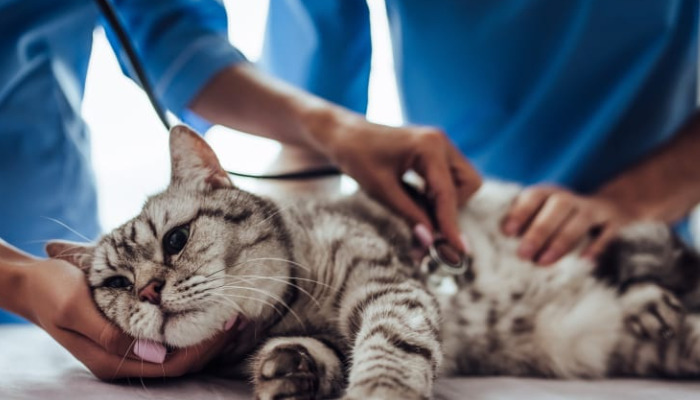
Feline Infectious Peritonitis (FIP) is a severe, often fatal viral disease caused by the mutated feline coronavirus. Symptoms include loss of appetite, lethargy, fever, abdominal and thoracic fluid accumulation, lymphadenopathy, granulomatous inflammation, neurological damage, and uveitis. Effective treatment options are limited, but Miaite (Pronidesivir) has emerged as a groundbreaking antiviral therapy for FIP.
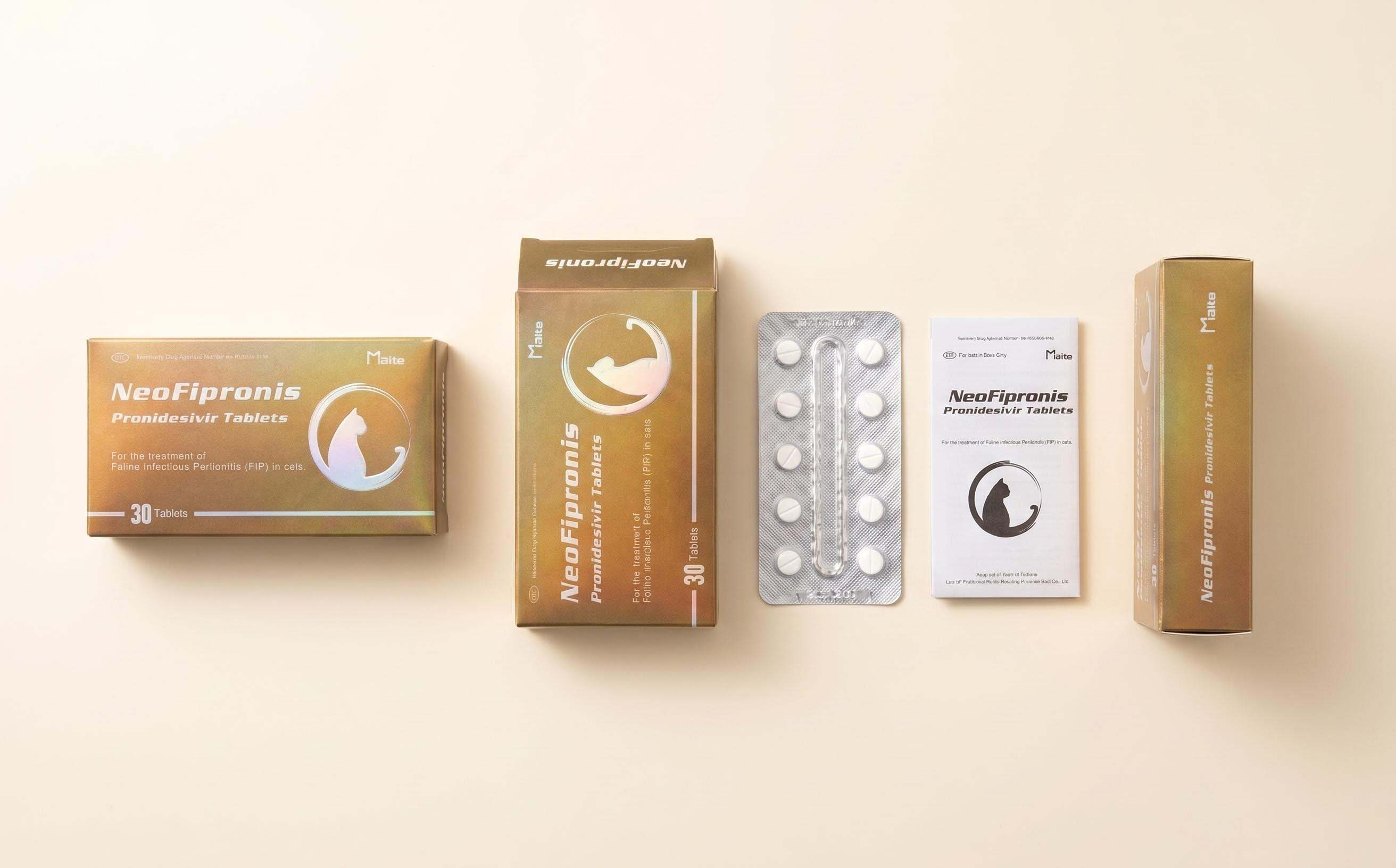
Miaite NeoFipronis (Pronidesivir) is the world’s first oral medication officially approved by the Lao Ministry of Agriculture and Forestry (MAF) in March 2026, with a registered drug number. Its approval marks a significant milestone in feline medicine, providing a safe, non-invasive, and highly effective treatment for FIP. The active ingredient, GS-441524, has undergone extensive research and clinical validation, demonstrating impressive antiviral efficacy against FIP-causing coronavirus strains.
Description and Composition
NeoFipronis (Pronidesivir) contains GS-441524, a nucleoside analog that inhibits viral RNA replication. Its pharmacokinetic profile features rapid absorption, ensuring quick onset of action, with good tolerability and minimal side effects. The medication is formulated as an oral solution, making administration easier and less stressful for cats.
Usage Instructions
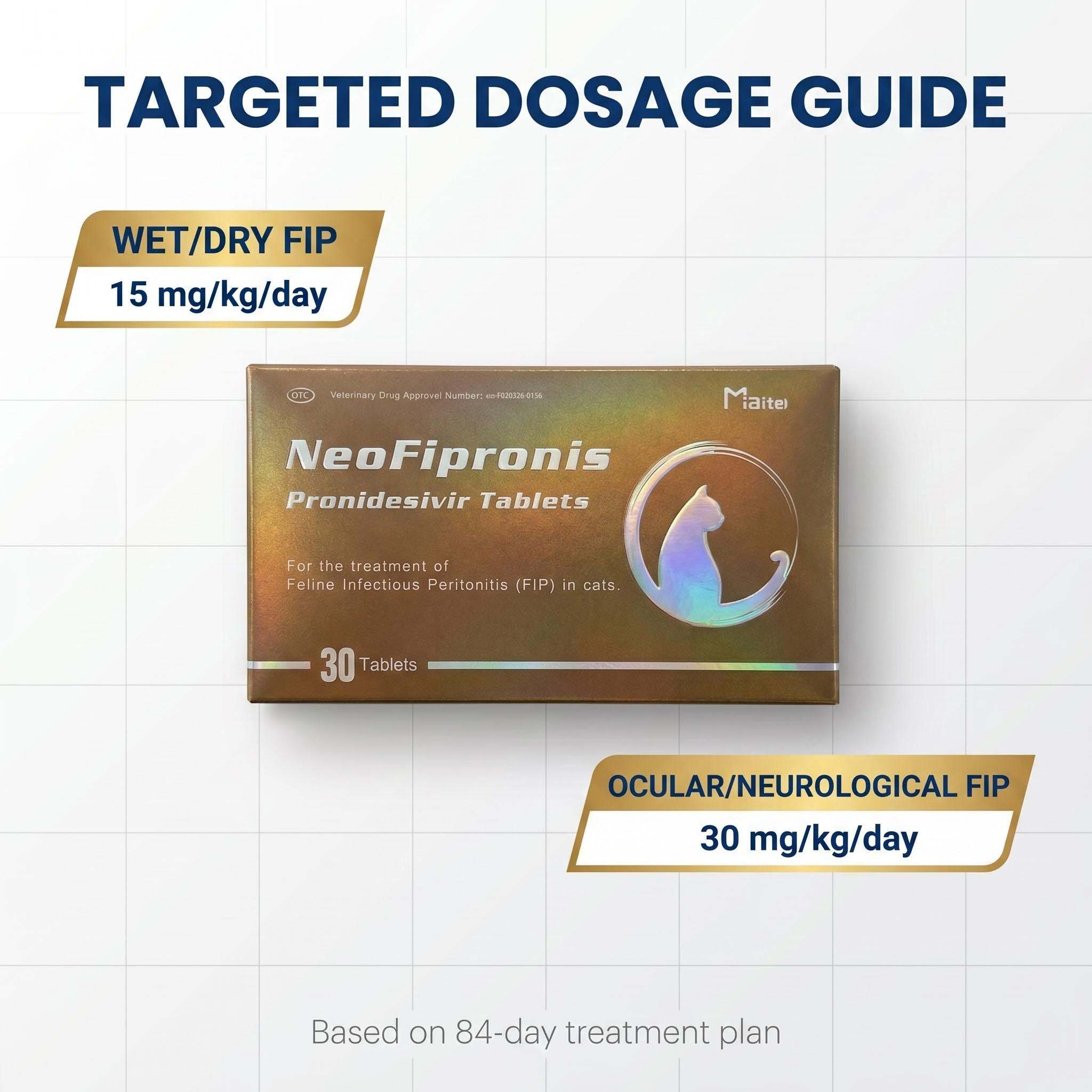
Dosage is based on the cat’s weight: administer 15 mg/kg body weight per day, equivalent to half a tablet for most cats. For neurological or ocular FIP forms, the dose should be increased to 30 mg/kg – always follow veterinary guidance in such cases. Administer NeoFipronis once daily, preferably on an empty stomach – either 1 hour before feeding or 2 hours after.
Duration of Treatment
A minimum of 12 weeks of continuous treatment is necessary for optimal results. Do not skip doses, as consistent antiviral activity is crucial to suppress the virus effectively. During therapy, monitor your cat’s condition regularly, noting any changes in appetite, body temperature, or behavior. Routine blood tests, including liver and kidney function assessments, are recommended to detect potential adverse effects early.
Safety and Precautions
Though NeoFipronis (Pronidesivir) is classified as an over-the-counter medication, it is strongly advised to use it under veterinary supervision. Keep a close watch on your cat’s response during treatment, and report any unusual symptoms to your veterinarian. NeoFipronis is intended solely for feline use; it is strictly forbidden for human consumption.
Purchasing and Quality Assurance
To ensure genuine and high-quality products, purchase NeoFipronis through authorized official websites or official distributors. Avoid unverified sources to prevent counterfeit medications. Always follow the prescribed dosage and treatment plan provided by your veterinarian to maximize safety and efficacy.
Precautions and Warnings
NeoFipronis is not suitable for pregnant or lactating cats unless directed by a veterinarian. If your cat experiences adverse reactions, such as vomiting, diarrhea, or abnormal behavior, discontinue use and seek veterinary advice promptly. Keep the medication out of reach of children and other animals.
Conclusion
NeoFipronis (Pronidesivir) offers a promising treatment for cats suffering from FIP, with proven antiviral effectiveness, minimal side effects, and ease of administration. Proper usage, regular monitoring, and veterinary supervision are essential to achieve the best possible outcome. With NeoFipronis, feline owners now have an effective option to combat this challenging disease and improve their cats’ quality of life.