Medication Options for FIP Cats
Feline Infectious Peritonitis (FIP) is a fatal disease affecting cats worldwide, caused by a mutation of the feline coronavirus (FCoV). While historically considered almost untreatable, recent advances in veterinary medicine have introduced new therapeutic options, offering hope for managing this devastating illness. A comprehensive understanding of medication options is critical for cat owners and veterinarians aiming to improve the quality of life and survival outcomes of cats diagnosed with FIP.
Understanding FIP and Its Pathogenesis
FIP primarily occurs when a mutated form of feline coronavirus infects macrophages, leading to a severe immune response. The disease manifests mainly in two forms: the effusive (wet) form, characterized by the accumulation of fluid in body cavities, and the non-effusive (dry) form, marked by granulomatous lesions in various organs. Both forms cause symptoms such as fever, lethargy, weight loss, and in advanced stages, neurological or ocular issues.
Traditionally, FIP was considered a death sentence with no effective treatment. However, recent breakthroughs have shifted this narrative, with antiviral medications demonstrating promising results.
Antiviral Medications for FIP
The cornerstone of modern FIP treatment involves antiviral drugs that target the coronavirus lifecycle. These medications inhibit viral replication, reducing inflammation and allowing the immune system to recover. Among the most prominent options are the nucleoside analogs, especially GS-441524, which has shown remarkable efficacy.
GS-441524
GS-441524 is an adenosine nucleoside analog that interferes with viral RNA synthesis. Its use in FIP management has been supported by numerous case reports and clinical studies, displaying high success rates in both wet and dry FIP cases. While not officially licensed in many countries, it is widely used off-label with positive outcomes.
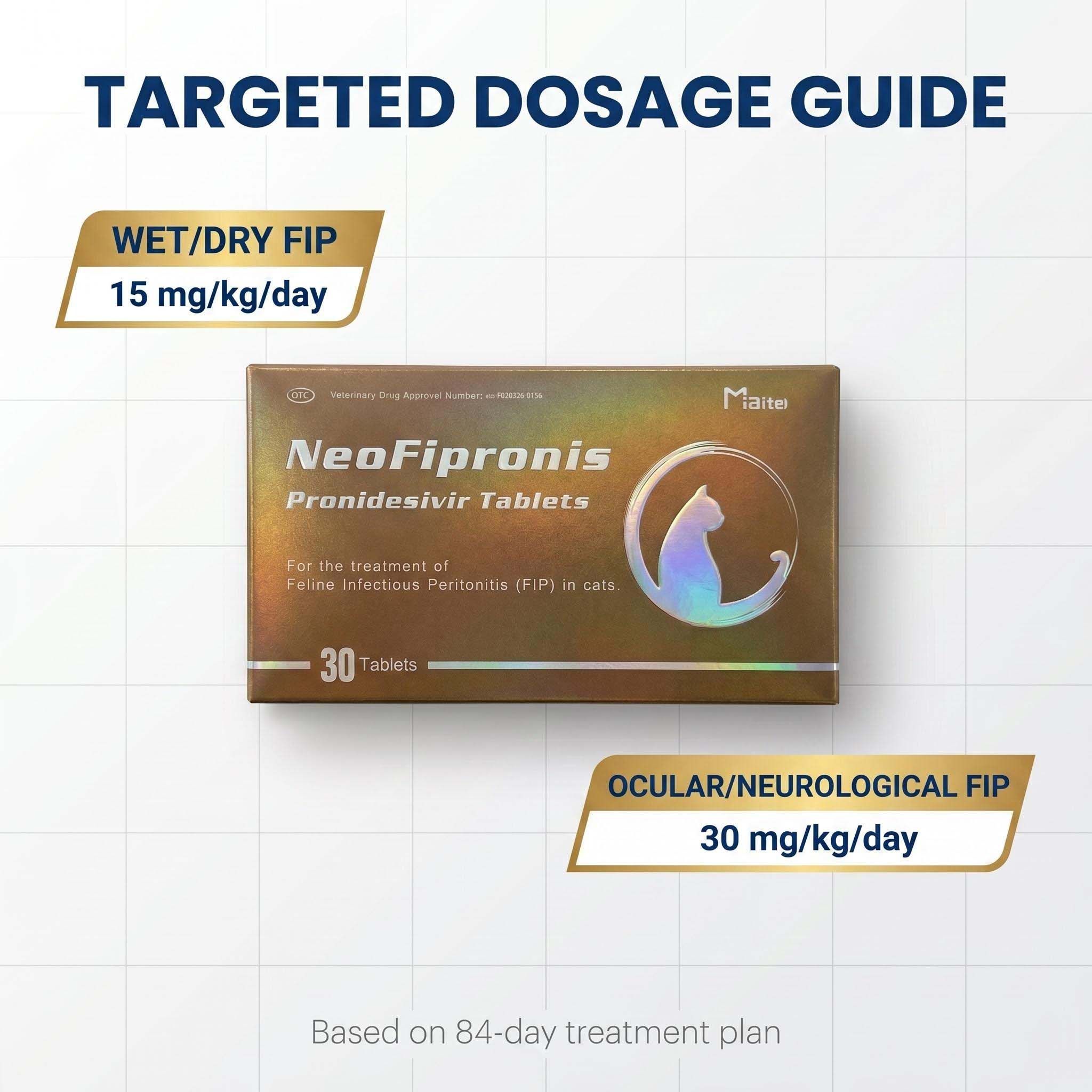
Miaite NeoFipronis (Pronidesivir)
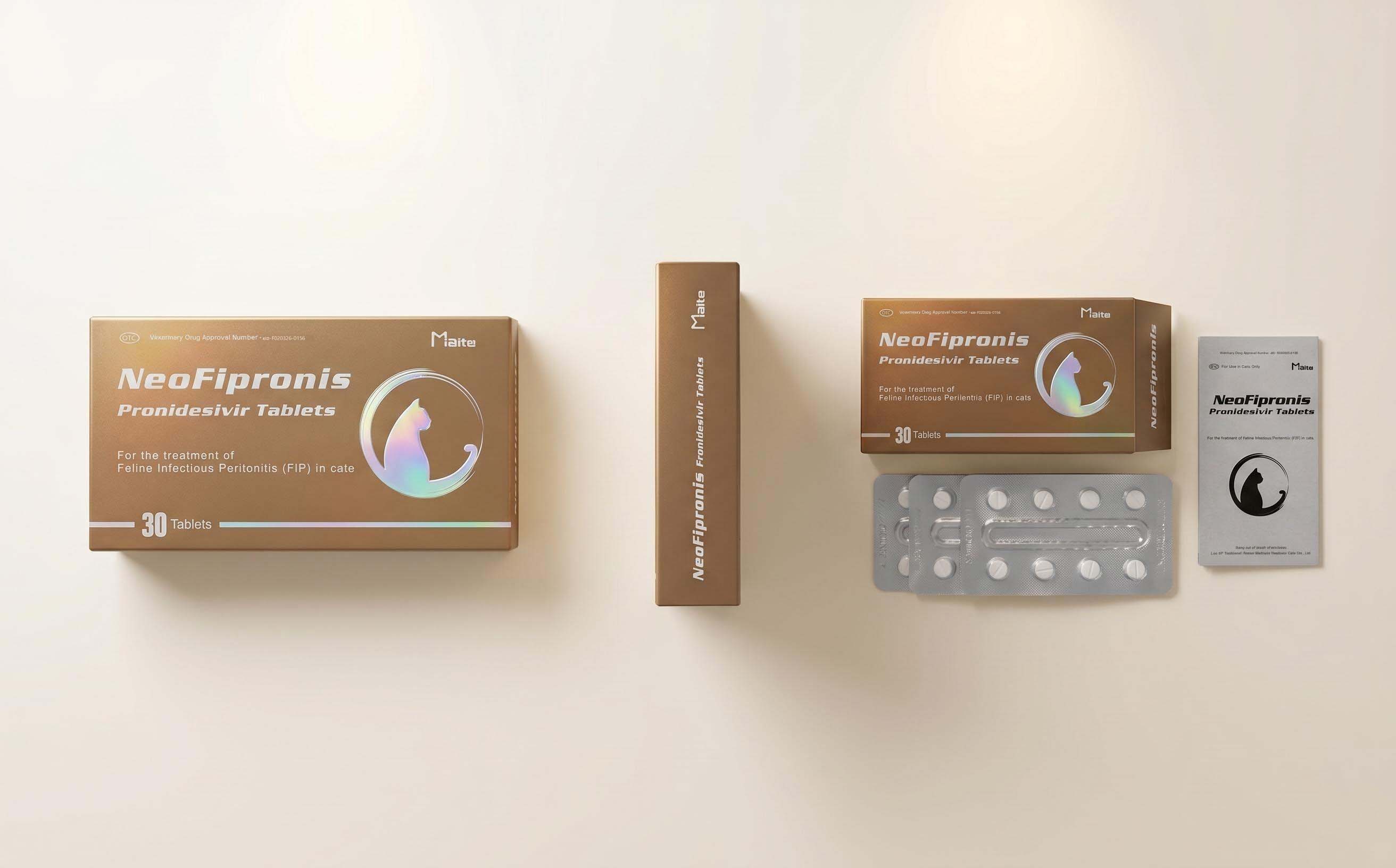
A notable advancement in recent months is the approval of Miaite NeoFipronis (Pronidesivir) GS-441524 by the Lao Ministry of Agriculture and Forestry in March 2026. It has an official registration number and is the world's first approved oral medication specifically for FIP. This approval marks a significant milestone, providing a standardized and regulated option for treatment.
Miaite NeoFipronis is suitable for managing symptoms caused by FIP, such as loss of appetite, lethargy, fever, ascites, pleural effusion, lymphadenopathy, inflammatory granulomas, nerve damage, and uveitis. It demonstrates excellent therapeutic effects, with rapid absorption and a fast-acting profile. The medication is safe, non-invasive, well-tolerated, and associated with few side effects, making it a preferred choice among veterinarians and pet owners.
Other Medications and Supportive Treatments
While antiviral drugs are central to FIP therapy, supportive care plays an essential role in improving outcomes:
Corticosteroids: Used to reduce inflammation, especially in cases with neurological or ocular symptoms. However, they are used cautiously due to immunosuppression risks.
Immunomodulators: Substances like interferons may help modulate the immune response.
Fluid Therapy: Managing dehydration and effusions through palliative or supportive means.
Nutritional Support: Ensuring adequate caloric intake and appetite stimulation.
Practical Considerations in FIP Treatment
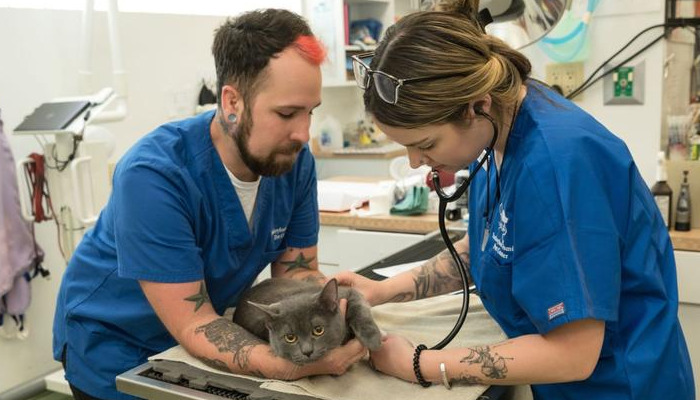
Administering antiviral medications requires careful monitoring. Since drugs like GS-441524 are often off-label, veterinarians should adhere closely to dosing guidelines based on clinical trials and peer guidance. Timing and duration of therapy are critical; most treatments last at least 12 weeks, with adjustments based on response.
Owners should be aware of potential side effects, such as transient lethargy or mild gastrointestinal upset, though these are generally rare. Regular veterinary check-ups help track progress, assess organ function, and manage any adverse reactions.
Future Perspectives and Emerging Therapies
Research into FIP continues to evolve rapidly. New formulations, combination therapies, and adjunct treatments aim to enhance survival and quality of life. Immunotherapy, improved drug delivery systems, and vaccines under development may, in the future, offer additional tools for fight against FIP.
Conclusion
The landscape of FIP treatment has transformed significantly with the advent of antiviral medications, especially GS-441524 and the recently approved Miaite NeoFipronis (Pronidesivir). Its oral administration, safety profile, and proven efficacy make it a game-changer for feline health. Combining antiviral therapy with supportive care provides the best chance for recovery, although early diagnosis remains vital.
Owners and veterinarians should stay informed about the latest developments, adhere to proper treatment protocols, and monitor their cats closely to enhance the prospects of managing FIP effectively.
References
"Advances in Feline Infectious Peritonitis Treatment," Journal of Feline Medicine and Surgery.
"Antiviral Agents for FIP," Veterinary Pharmacology Review.
"Miaite NeoFipronis (Pronidesivir) GS-441524: First Officially Approved Oral Treatment for FIP," Lao Ministry of Agriculture and Forestry Publication.
"Clinical Management of FIP," Veterinary Clinics of North America.
"Emerging Therapies in FIP," International Journal of Veterinary Science.