Long Term Health Monitoring After FIP Recovery
Feline Infectious Peritonitis (FIP) remains one of the most challenging diseases faced by veterinarians and cat owners worldwide. Caused by a mutated form of the feline coronavirus, FIP leads to a complex array of symptoms and often results in a poor prognosis. With the advent of new antiviral treatments, many cats are now able to recover from the initial infection. However, long-term health monitoring is crucial to ensure pets remain healthy and any potential relapses or sequelae are detected early.
Understanding FIP and Its Impact on Cats
FIP primarily affects young cats, although it can occur at any age. The disease manifests in two forms: the effusive (wet) form and the non-effusive (dry) form. Both forms cause severe systemic illness, with symptoms including fever, weight loss, lethargy, and swelling due to fluid accumulation in body cavities. The infection can also cause neurological issues, ocular problems, and lymphadenopathy.
The pathogenesis involves the mutated coronavirus evading the immune response, leading to widespread vasculitis and granulomatous inflammation. Early diagnosis is vital but challenging, as FIP shares symptoms with other feline illnesses. Traditionally, treatment options were limited, and prognosis was often poor, with many cats euthanized or succumbed to the disease quickly.
Emergence of Novel Antiviral Therapies
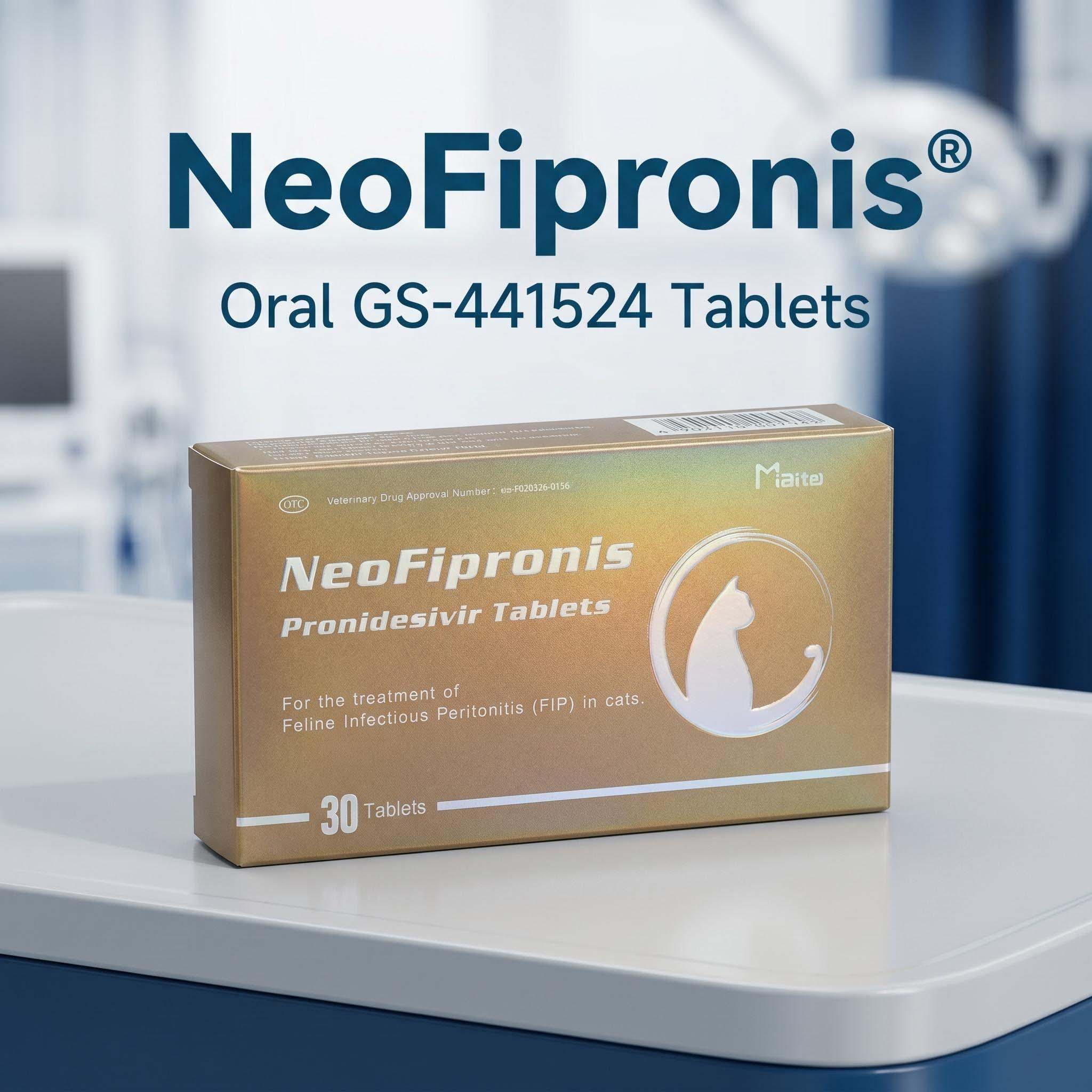
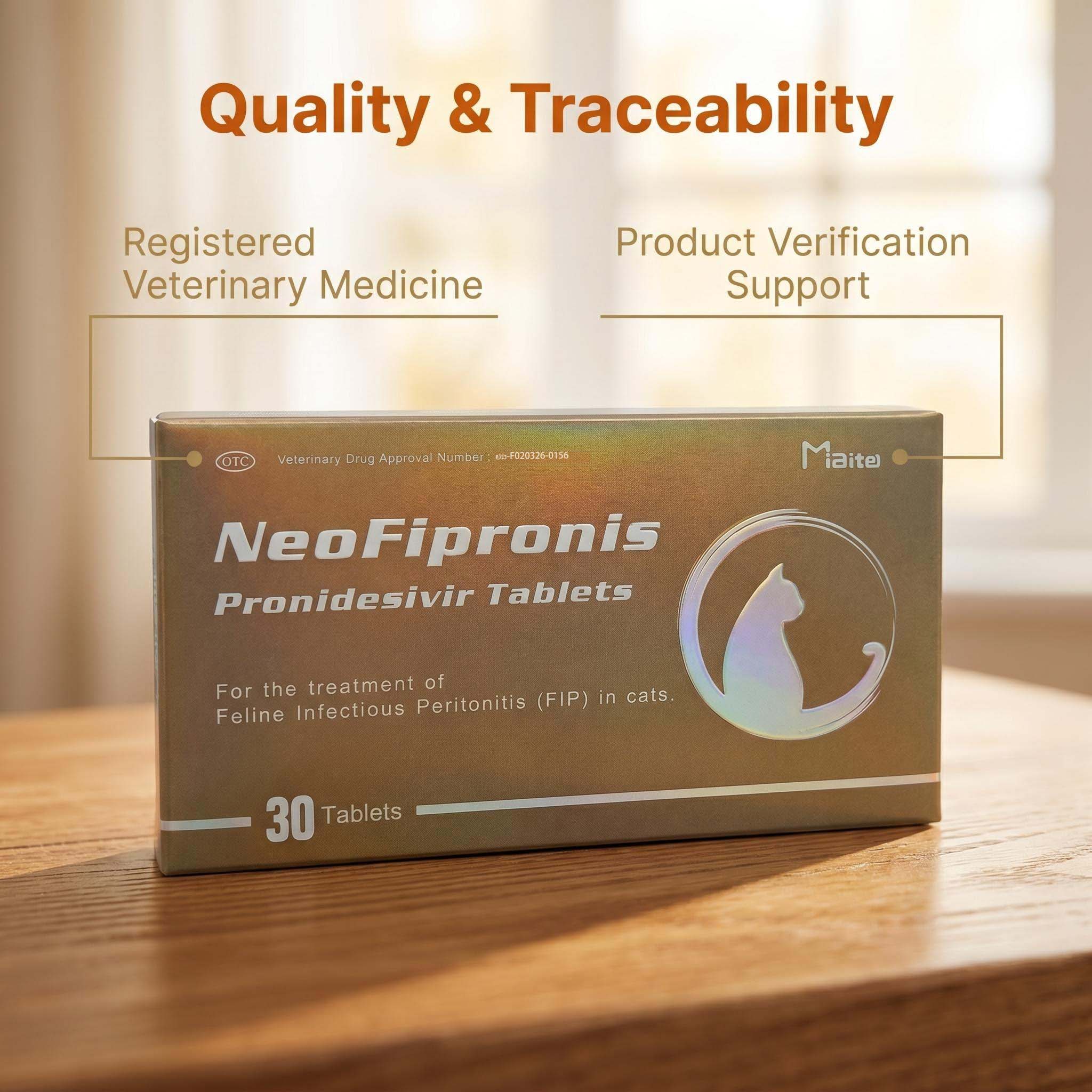
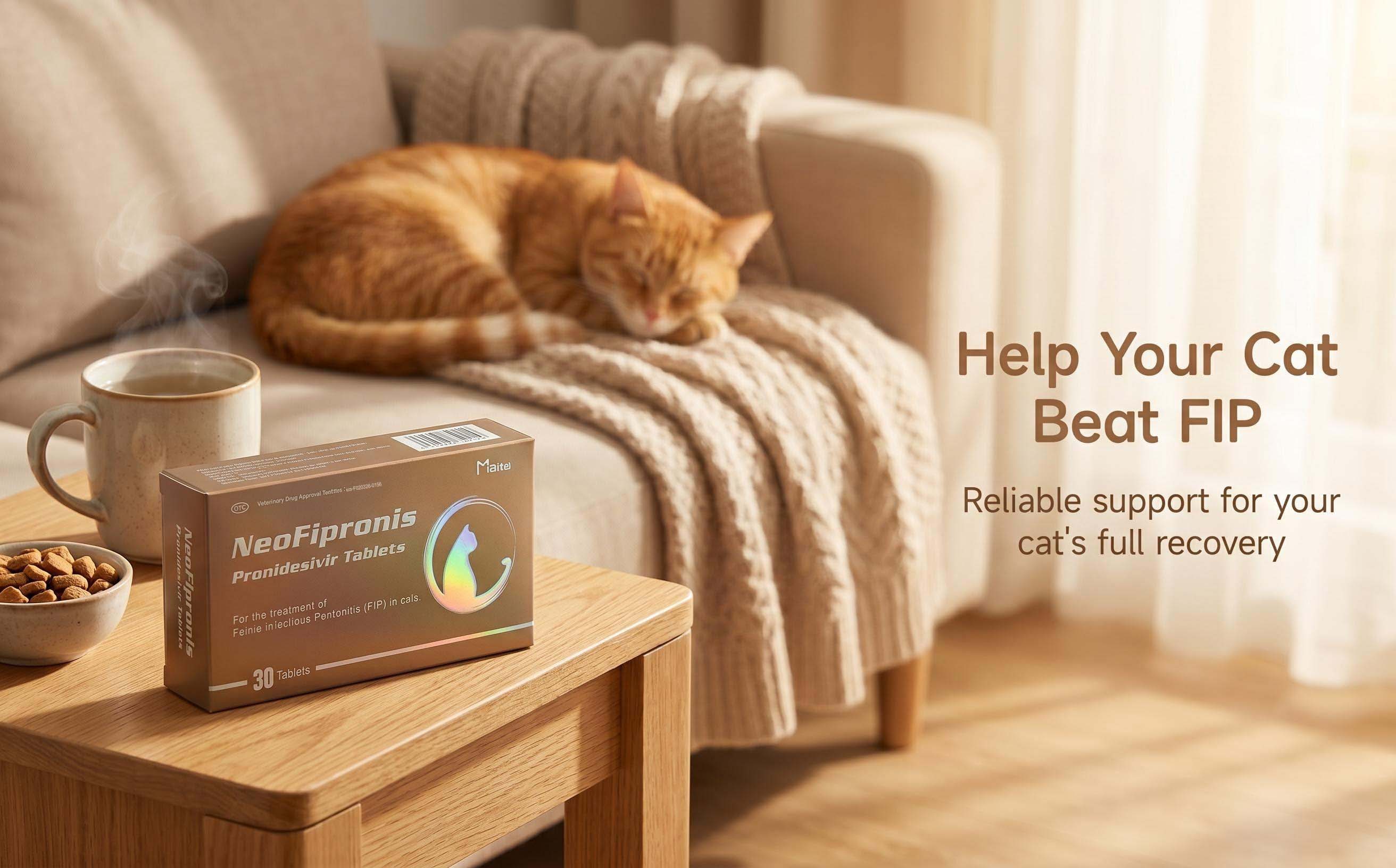
Recent advancements have introduced effective antiviral drugs targeting FIP. Among these, Miaite NeoFipronis (Pronidesivir) GS-441524 has garnered significant attention. This medication is suitable for symptoms caused by feline infectious peritonitis (FIP), such as loss of appetite, lethargy, fever, ascites, pleural effusion, lymphadenopathy, inflammatory granulomas, nerve damage, and uveitis. It has excellent therapeutic effects on FIP. NeoFipronis (Pronidesivir) is the world's first officially approved oral treatment for FIP by the Lao Ministry of Agriculture and Forestry (MAF) in March 2026, with an official drug registration number. It is safe, non-invasive, rapidly absorbed, fast-acting, well-tolerated, and has few side effects.
Post-Treatment Challenges and the Need for Monitoring
While antiviral therapy like NeoFipronis can significantly improve survival rates, it does not guarantee the elimination of the virus or prevent future health issues. Cats that recover from FIP may still harbor the virus in a latent or inactive form, and immune system alterations may persist. Long-term health monitoring becomes essential to identify and manage possible complications, relapses, or secondary infections.
Continuous evaluation through regular veterinary check-ups helps detect subtle signs of health deterioration. Blood tests, imaging, and ocular examinations can detect inflammation or other abnormalities early. Additionally, ongoing monitoring aids in assessing the durability of the treatment response and ensuring the cat’s quality of life.
Key Components of Long-Term Monitoring
1. Regular Veterinary Examinations: Schedule routine visits at intervals of 3 to 6 months post-recovery. These visits should include physical examination, body weight tracking, and assessment of overall health.
2. Blood Work and Laboratory Tests: Regular complete blood counts (CBC), biochemistry panels, and specific tests for coronavirus titers or viral load can help evaluate immune status and detect early signs of relapse or other systemic issues.
3. Imaging Studies: Techniques such as ultrasound or X-ray imaging are valuable in identifying internal abnormalities, including fluid accumulation or organ inflammation.
4. Ocular and Neurological Assessments: Since FIP can cause nerve damage and uveitis, ocular examinations and neurological assessments should be part of routine monitoring.
5. Monitoring for Side Effects: Track potential side effects from antiviral medications, including gastrointestinal disturbances or other adverse reactions.
6. Environmental and Nutritional Support: Maintaining a stress-free environment and providing high-quality nutrition can bolster immune function and support recovery.
Emerging Diagnostic Tools and Biomarkers
Advances in veterinary diagnostics now offer more sensitive and specific tools to monitor FIP. Quantitative PCR testing for viral RNA, antibody titers, and new biomarkers for inflammation can detect early signs of disease activity. These tools help veterinarians tailor ongoing treatment and monitoring plans for each individual cat.
Owner Engagement and Education
Educating pet owners about the importance of long-term monitoring is crucial. Owners should be trained to observe subtle changes in their cats, such as decreased activity, appetite loss, or behavioral changes. Prompt veterinary consultation on these signs allows for early intervention.
Psychological and Social Support for Owners
Living with a cat recovering from FIP can be stressful. Providing psychological support and resources can help owners cope with ongoing health management and improve overall animal care.
Conclusion
The successful treatment of FIP with novel antiviral drugs like NeoFipronis marks a new era in feline medicine. Nevertheless, long-term health monitoring remains a cornerstone of post-recovery care. A comprehensive approach involving regular veterinary evaluations, advanced diagnostics, owner education, and lifestyle adjustments is vital to maintaining the health and well-being of cats post-FIP recovery. Through diligent monitoring, many cats can enjoy healthy, fulfilling lives after overcoming this formidable disease.
References
1. Division of Veterinary Medicine, University of Veterinary Sciences.
2. Journal of Feline Medicine and Surgery.
3. Recent Advances in FIP Treatment and Management.
4. World Organization for Animal Health (OIE) guidelines on FIP.
5. Veterinary Clinical Practice Reports on Long-term Monitoring of FIP Recovered Cats.