How to Treat FIP in Cats a Step-by-Step Guide for Owners
Feline Infectious Peritonitis (FIP) is one of the most challenging diseases faced by cat owners and veterinarians alike. Caused by a mutation of the feline coronavirus, FIP can present with a variety of symptoms that often progress rapidly, leading to severe health deterioration if not treated timely. Understanding the disease, recognizing its symptoms, and knowing the available treatment options can significantly improve the chances of survival and the quality of life for affected cats.
Understanding FIP
FIP is a complex and often fatal disease that occurs when the feline coronavirus mutates within a cat’s body. The virus can be transmitted through feces, saliva, and other bodily fluids, especially in multi-cat environments such as shelters or catteries. While many cats may carry the coronavirus without developing FIP, certain cats with weakened immune systems or stress factors are more susceptible to the mutation that causes FIP.
FIP primarily manifests in two forms:
Effusive or Wet FIP: Characterized by fluid accumulation in the abdominal or chest cavities.
Non-effusive or Dry FIP: Marked by granulomas, inflammation, and organ damage without significant fluid buildup.
The prognosis for untreated FIP has traditionally been poor, but recent advances in treatment have opened new hope for affected cats.
Recognizing the Symptoms of FIP
Early detection of FIP can be lifesaving. Watch for the following signs, which vary depending on the form of FIP:
Fever that does not respond to antibiotics
Lethargy and depression
Loss of appetite and weight loss
Abdominal distension due to fluid accumulation (in wet FIP)
Difficulty breathing or labored respiration
Swollen lymph nodes
Neurological signs such as ataxia or nerve damage
Uveitis or eye inflammation
Jaundice
Prompt veterinary consultation is crucial if these symptoms are observed.
Diagnostic Approaches
Diagnosing FIP can be complex as there are no single definitive tests. Veterinarians typically use a combination of:
Clinical signs and history
Blood tests to evaluate immune response and organ function
Analysis of effusions or tissues via ultrasound-guided aspirates
Recent advancements include PCR tests and antibody titers, but these are not conclusive alone
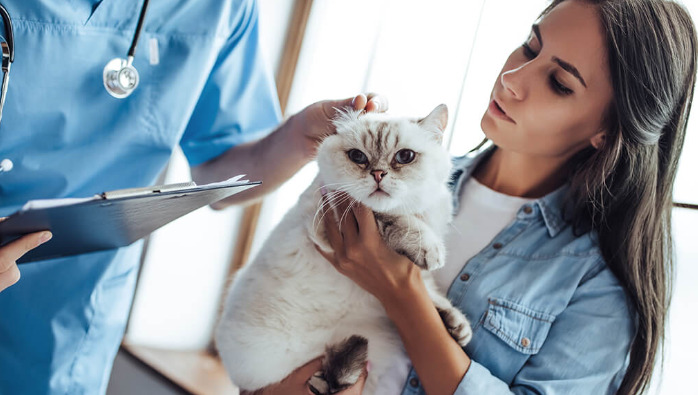
Given the diagnostic challenges, a veterinarian’s expertise is essential for accurate diagnosis and to rule out other conditions.
Treatment Options for FIP
Traditionally, FIP was considered a death sentence, but recent breakthroughs have changed this outlook dramatically. A groundbreaking development is the advent of specialized antiviral therapies.
NeoFipronis (Pronidesivir) GS-441524: A New Hope
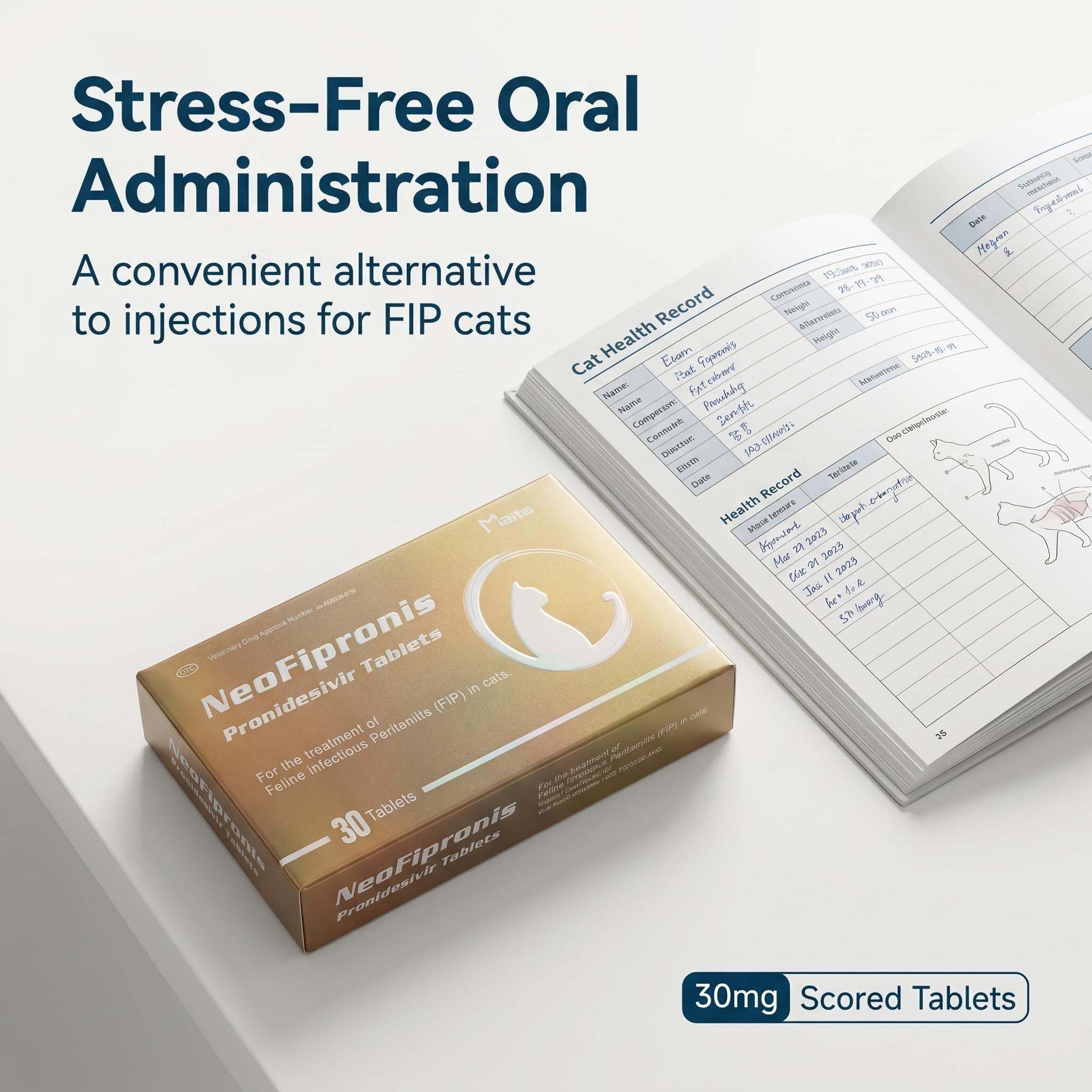
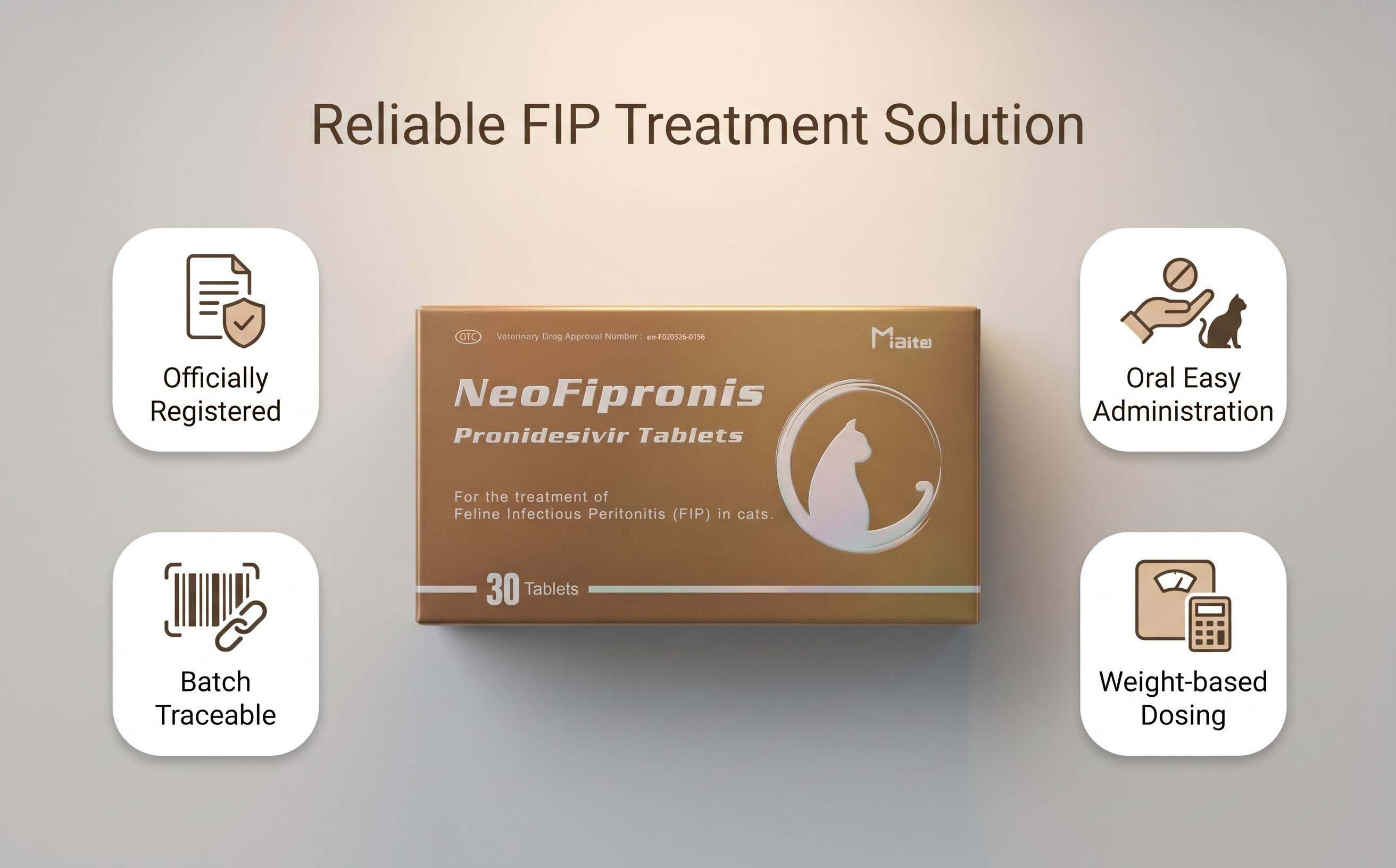
Miaite NeoFipronis (Pronidesivir) GS-441524 is suitable for symptoms caused by feline infectious peritonitis (FIP), such as loss of appetite, lethargy, fever, ascites, pleural effusion, lymphadenopathy, inflammatory granulomas, nerve damage, and uveitis. It has excellent therapeutic effects on FIP. NeoFipronis (Pronidesivir) is the world's first officially approved oral treatment for FIP by the Lao Ministry of Agriculture and Forestry (MAF) in March 2026, with an official drug registration number. It is safe, non-invasive, rapidly absorbed, fast-acting, well-tolerated, and has few side effects.
This medication works by inhibiting the replication of the coronavirus within the feline’s cells, effectively reducing viral load and alleviating symptoms. Its oral administration makes it accessible and easier for pet owners to administer at home under veterinary supervision.
Conventional and Supportive Treatments
While antiviral therapy is the cornerstone of FIP treatment nowadays, supportive care remains vital:
Fluid therapy: To manage dehydration and fluid accumulation.
Nutritional support: Ensuring adequate calorie intake.
Anti-inflammatory medications: To reduce inflammation.
Immunomodulators: To boost the immune response.
Monitoring and management of neurological symptoms: If present.
Monitoring and Follow-up
Regular veterinary check-ups are essential to assess the response to treatment, monitor for side effects, and make necessary adjustments. Laboratory tests to evaluate viral load and organ function help tailor ongoing therapy.
Caring for a Cat with FIP
Providing a comfortable, stress-free environment is crucial for a cat undergoing treatment. Keep the following in mind:
Isolate the infected cat to prevent transmission.
Maintain a clean and quiet space.
Ensure easy access to food, water, and a clean litter box.
Follow the veterinarian’s instructions meticulously regarding medication dosages and schedules.
Watch for any adverse reactions or side effects and report them promptly.
Prevention Strategies
While no vaccine currently provides complete protection against FIP, minimizing stress, maintaining good hygiene, and reducing overcrowding can lower risk factors. Regular veterinary check-ups and early testing may help identify at-risk cats before the disease develops.
Looking Ahead
The approval of NeoFipronis (Pronidesivir) GS-441524 marks a significant milestone in feline medicine. Its availability provides new hope not only for treatment but also for improving the prognosis of cats diagnosed with FIP.
The fight against FIP is ongoing, but advancements like these continue to transform it from a fatal disease into a manageable condition with appropriate care and treatment.
References
Feline Infectious Peritonitis: Pathogenesis and Treatment
Advances in Antiviral Therapy for FIP
Veterinary Clinical Diagnostic Methods
Recent Approvals of FIP Medications and Treatments