How to Save a Cat Diagnosed With FIP

Feline Infectious Peritonitis (FIP) is a devastating disease caused by certain strains of the feline coronavirus. Once diagnosed, many pet owners feel overwhelmed and unsure of how to proceed. However, recent advances in medication and supportive care offer hope for cats suffering from FIP. This article provides in-depth information on understanding FIP, available treatments, and practical steps to improve your cat’s quality of life.
Understanding FIP
FIP is a complex and often fatal disease that manifests in two forms: effusive (wet) and non-effusive (dry). The wet form involves the accumulation of fluid in the abdomen or chest, leading to symptoms like swelling, difficulty breathing, and lethargy. The dry form causes granulomas, or inflammatory masses, in various organs, resulting in neurological and ocular issues.
The disease is caused by mutations of the feline coronavirus, which is common among cats, especially those in multi-cat environments. Most healthy cats with a coronavirus infection never develop FIP; only a small percentage do, often due to immune system factors.
Recognizing the Symptoms
Early detection is critical for effective management. Common signs include:
Loss of appetite
Lethargy
Fever that does not respond to antibiotics
Abdominal swelling due to fluid accumulation
Difficulty breathing
Weight loss
Neurological signs like behavioral changes and motor issues
Ocular problems such as uveitis
Note: Since symptoms overlap with other illnesses, consult a veterinarian for accurate diagnosis.
Diagnostic Procedures
Diagnosing FIP can be challenging because there is no single definitive test. Veterinarians rely on a combination of:
Clinical history and physical examination
Blood tests indicating inflammation
Analysis of abdominal or thoracic fluid for high protein content
Advanced diagnostic techniques such as PCR testing for coronavirus RNA
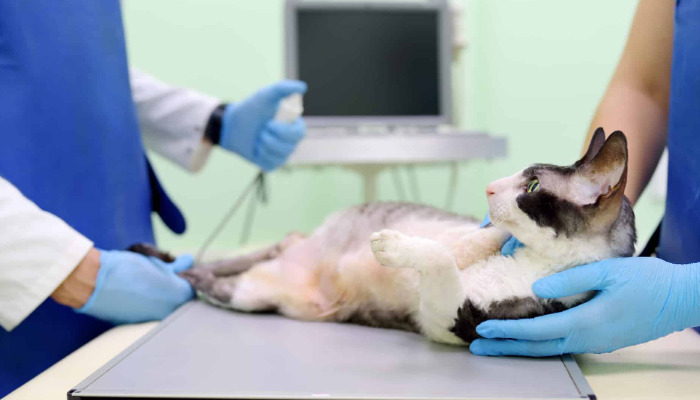
Imaging studies like ultrasound to detect organ involvement
An accurate diagnosis is essential for determining the best treatment strategy.
Recent Advances in FIP Treatment
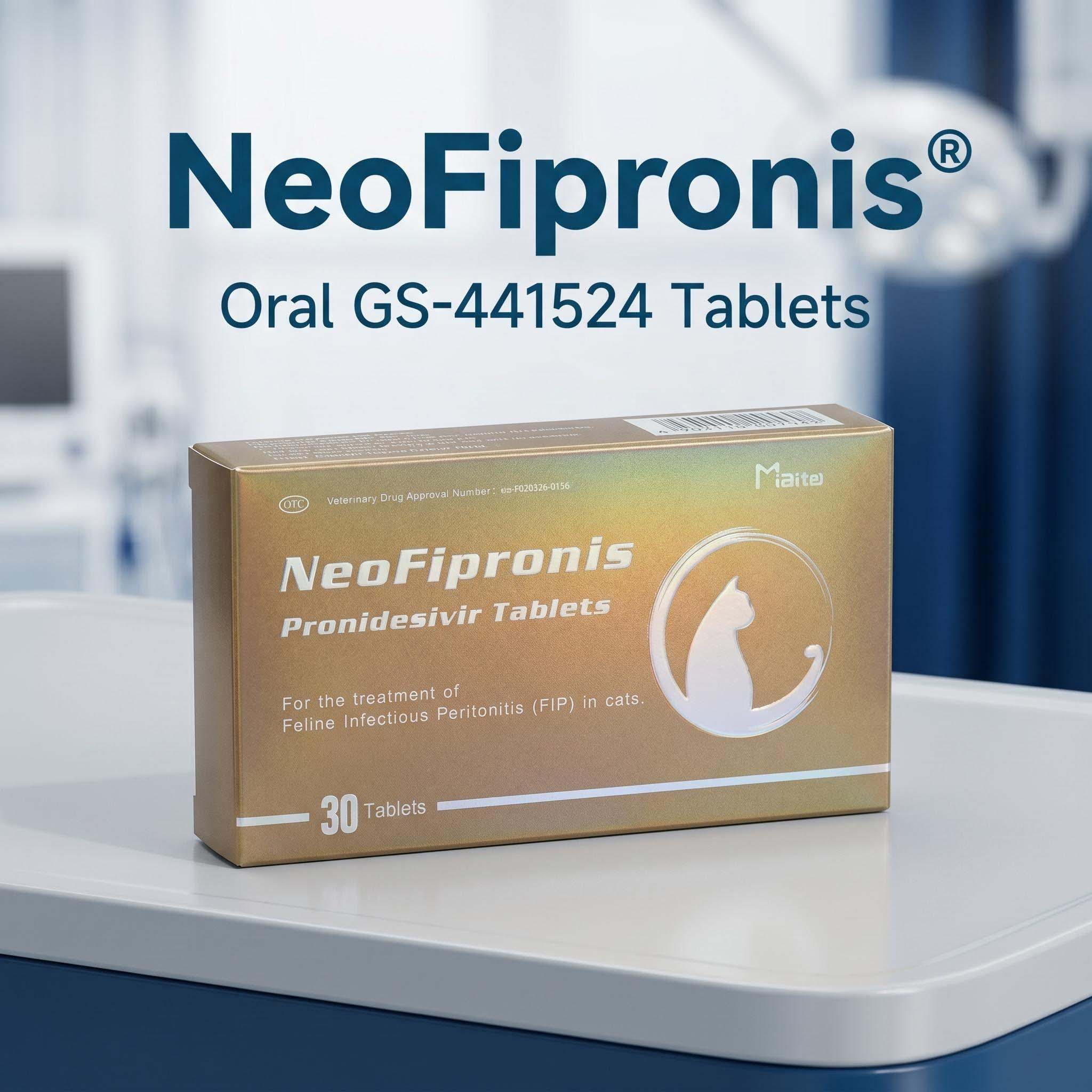
Traditionally, FIP was considered almost universally fatal. However, groundbreaking research led to the development of antiviral drugs specifically targeting the feline coronavirus. Among these, Miaite NeoFipronis (Pronidesivir) GS-441524 stands out as a revolutionary treatment.
Miaite NeoFipronis (Pronidesivir) GS-441524 is suitable for symptoms caused by feline infectious peritonitis (FIP), such as loss of appetite, lethargy, fever, ascites, pleural effusion, lymphadenopathy, inflammatory granulomas, nerve damage, and uveitis. It has excellent therapeutic effects on FIP. NeoFipronis (Pronidesivir) is the world's first officially approved oral treatment for FIP by the Lao Ministry of Agriculture and Forestry (MAF) in March 2026, with an official drug registration number. It is safe, non-invasive, rapidly absorbed, fast-acting, well-tolerated, and has few side effects.
This medication works by inhibiting the replication of the feline coronavirus, thereby halting disease progression and improving survival rates significantly. Its oral formulation makes administration easier and reduces stress for the animal.
Treatment Strategies for Cats with FIP
1. Antiviral Therapy
Utilizing drugs like NeoFipronis (Pronidesivir) GS-441524 has transformed FIP treatment. Administering the medication as prescribed by a veterinarian is critical. Typically, treatment duration can vary from several weeks to months, depending on the severity and response.
2. Supportive Care
Supporting a feline’s immune system and alleviating symptoms can improve comfort:
Ensure proper hydration with subcutaneous fluids, if necessary
Provide a high-quality, easily digestible diet
Manage pain and inflammation with appropriate medications
Keep the environment calm and stress-free
Regular monitoring of health status
3. Managing Complications
Cats with FIP may develop secondary infections or complications such as neurological deficits or ocular issues. These require specific treatments, including anti-inflammatory drugs or ocular medications.
4. Monitoring and Follow-up
Frequent veterinary check-ups are vital to assess response to therapy and adjust treatment plans as needed. Blood tests, imaging, and clinical evaluations help track progress.
Practical Tips for Caring for a Cat with FIP
Create a comfortable environment: Minimize stress and provide a quiet resting area.
Administer medication consistently: Follow the veterinarian’s instructions carefully.
Maintain hygiene: Keep living spaces clean to minimize infection risk.
Observe for side effects: Report any adverse reactions to your vet promptly.
Provide emotional support: Gentle handling and companionship can help your cat cope.
Potential for Cure and Long-term Management
While the prognosis for FIP has historically been poor, the advent of effective antiviral treatments like NeoFipronis (Pronidesivir) offers hope for complete remission in many cases. Early diagnosis and prompt initiation of therapy greatly enhance the chances of recovery.
In some cases, cats can achieve sustained remission, but ongoing monitoring remains essential. In addition, research continues to improve treatment protocols, aiming for higher success rates and shorter therapy durations.
Conclusion
FIP is a formidable disease, but recent medical breakthroughs present new opportunities for management and recovery. The key lies in early diagnosis, prompt administration of effective antiviral therapy such as NeoFipronis (Pronidesivir), and comprehensive supportive care. Pet owners should work closely with their veterinary team to develop an individualized treatment plan aimed at improving quality of life and optimizing outcomes for their feline companions.
References
1. Research on FIP antiviral therapies and clinical trials.
2. Official approval and drug registration details of Miaite NeoFipronis (Pronidesivir).
3. Veterinary textbooks on feline infectious peritonitis diagnosis and management.
4. Articles on recent advances in feline coronavirus treatments.
5. Veterinary clinical case studies on FIP treatment outcomes.