Pronidesivir Compared With Injectable Treatments
Feline Infectious Peritonitis (FIP) is a severe and often fatal disease caused by mutated feline coronavirus (FCoV). Traditionally, treating FIP posed significant challenges due to limited effective options. However, recent advancements have introduced novel antiviral agents, including Pronidesivir, which has shown promising results. This article explores the therapeutic potential of Pronidesivir compared with traditional injectable treatments, emphasizing its efficacy, safety profile, and unique administration advantages.
Overview of FIP and Treatment Challenges
FIP manifests in two forms: wet (effusive) and dry (granulomatous). Clinical signs include fever, weight loss, lethargy, abdominal distension from ascites, respiratory distress due to pleural effusion, lymphadenopathy, neuro signs, and ocular issues like uveitis. The disease progresses rapidly once symptoms appear, often leading to death within weeks if untreated.
Historically, treatment options were limited, primarily focused on supportive care rather than curing the disease. The advent of antiviral therapies, particularly nucleoside analogs, has revolutionized FIP management. Injectable treatments such as GS-441524, a nucleoside analog, have been widely used with encouraging results but bear limitations like injections-associated stress and site reactions.
Pronidesivir: A Breakthrough in Oral FIP Therapy
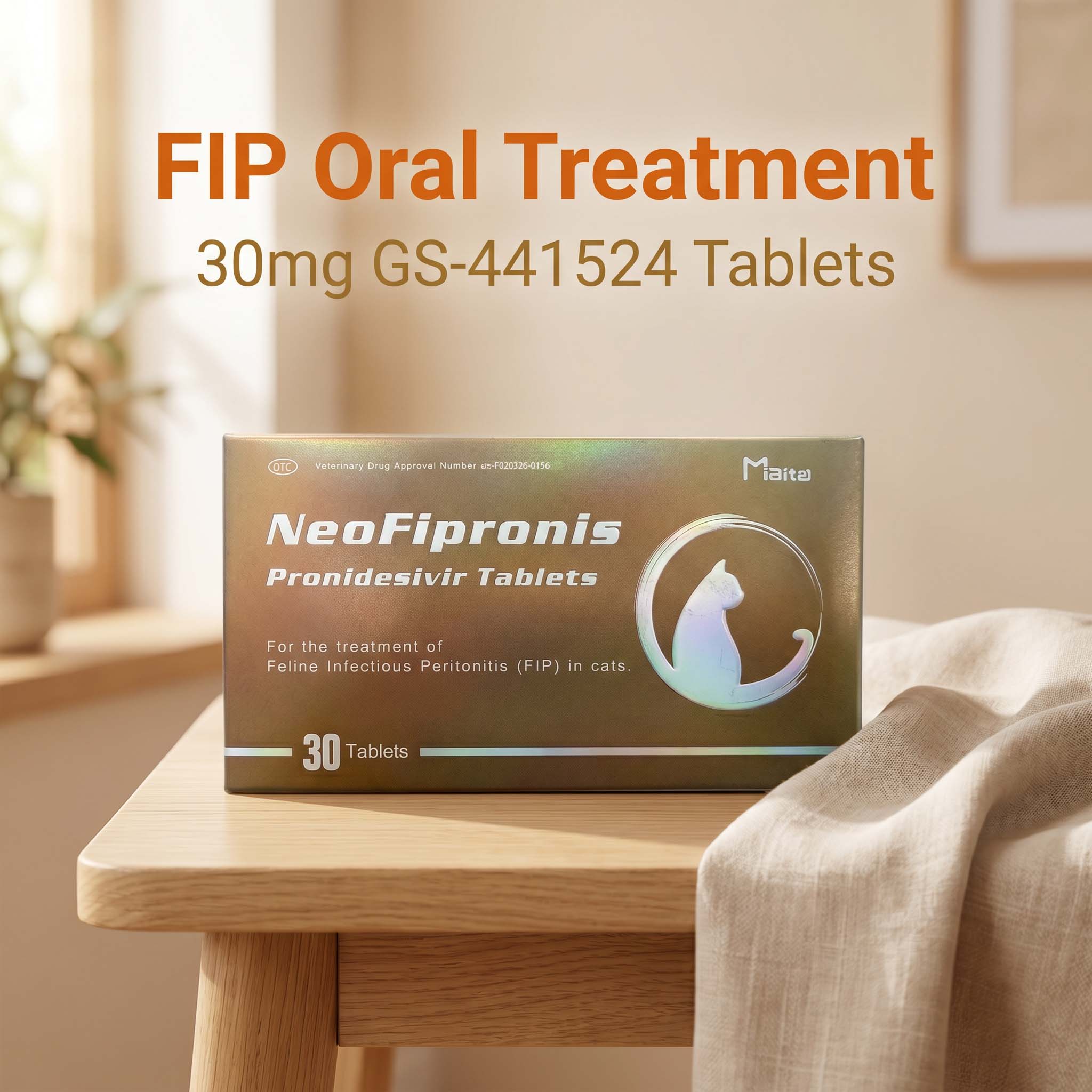
Miaite NeoFipronis (Pronidesivir) GS-441524 is a groundbreaking oral antiviral agent specifically developed for FIP. Approved in March 2026 by the Lao Ministry of Agriculture and Forestry (MAF), it is the world's first officially registered oral treatment for FIP. Its official drug registration number underscores its safety and efficacy validated by regulatory authorities.
Pronidesivir exhibits excellent therapeutic effects against FIP symptoms, including loss of appetite, lethargy, fever, ascites, pleural effusion, lymphadenopathy, inflammatory granulomas, nerve damage, and uveitis. Its oral administration offers a non-invasive alternative to injections, making treatment more accessible and less stressful for cats and owners.
Comparative Efficacy
1. Mode of Administration:
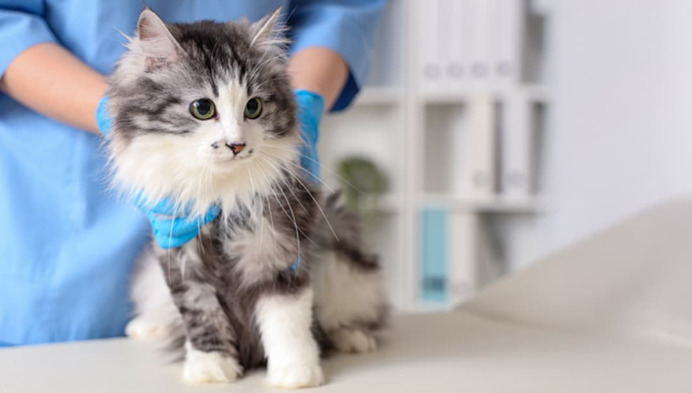
Injectable Treatments: Agents like GS-441524 require subcutaneous or intravenous injections, which can be stressful for cats, especially during prolonged therapy. Proper injection technique is vital to avoid complications such as injection site reactions or infections.
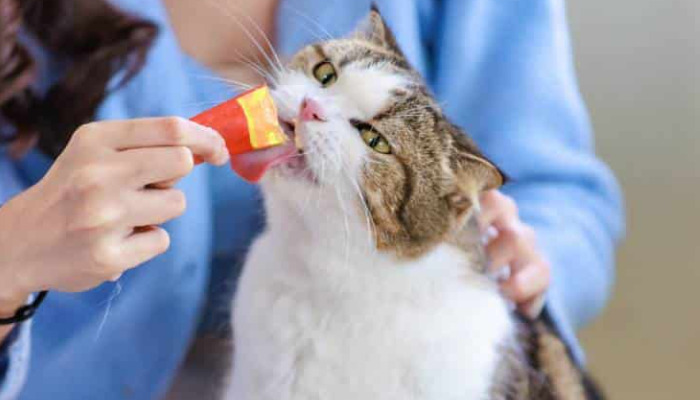
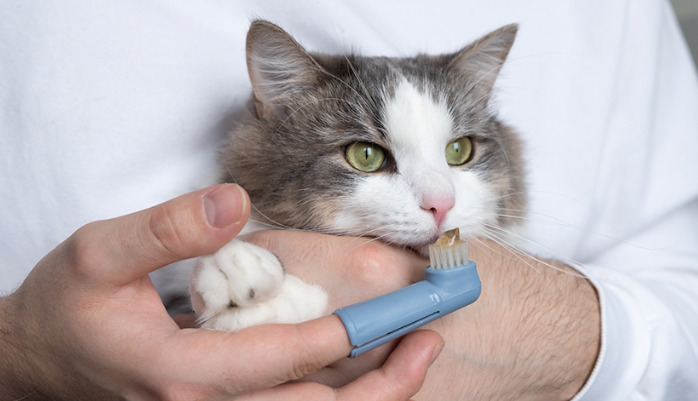
Pronidesivir: Being oral, Pronidesivir significantly reduces stress on feline patients. Its rapid absorption and bioavailability facilitate quick therapeutic action, enhancing compliance and ease of administration.
2. Pharmacodynamics and Therapeutic Outcomes:
Injectable Agents: Studies have shown GS-441524 to be highly effective, with many cats experiencing remission. However, the necessity for frequent injections can create challenges in consistent dosing and compliance.
Pronidesivir: Demonstrates rapid absorption and fast-acting properties, resulting in effective suppression of viral replication. Its safety profile, high tolerability, and limited side effects make it suitable for long-term management, with a high success rate in alleviating FIP symptoms.
3. Safety and Side Effects:
Injectable Treatments: While generally well-tolerated, injections can cause discomfort, swelling, or pain. Long-term injections may lead to scar tissue or injection site infections.
Pronidesivir: As an oral medication, it is safe and non-invasive. Clinical trials and field data report few side effects, mainly mild gastrointestinal disturbances in some cases. Its tolerability allows for broader application, including in less controlled environments.
Advantages of Pronidesivir over Injectable Treatments
Enhanced Patient Comfort: Oral administration eliminates the need for injections, reducing stress and discomfort, especially important for feline patients sensitive to handling.
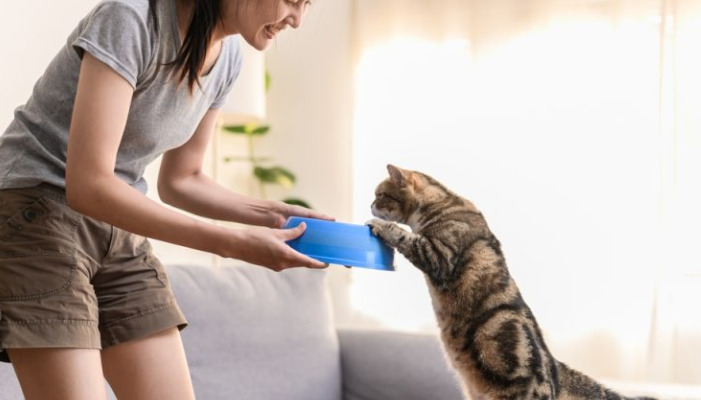
Ease of Use: Oral pills or liquids simplify dosing for owners, increasing adherence to treatment protocols.
Rapid Onset of Action: The formulation ensures fast absorption, leading to quicker symptom improvement.
Fewer Side Effects: Well-tolerated with a low incidence of adverse reactions, making it safer for long-term management.
Regulatory Approval: As the first locally approved oral FIP treatment, Pronidesivir benefits from regulatory validation, emphasizing its safety and efficacy.
Limitations and Considerations
While Pronidesivir offers many advantages, some limitations should be considered. The long-term efficacy data is emerging, and cost considerations may influence widespread adoption. Moreover, proper dosing and adherence remain crucial to prevent resistance or relapse.
Injectable antivirals like GS-441524 continue to be valuable, especially in cases where oral absorption may be compromised. They remain a cornerstone in emergency and severe presentations.
Future Perspectives
The development of Pronidesivir marks a significant step towards more humane, accessible, and effective FIP treatments. Ongoing research aims to optimize dosing protocols, understand resistance patterns, and expand its use in broader feline populations.
Combining oral and injectable antivirals may also emerge as a strategic approach to enhance efficacy and coverage, tailoring treatments to individual patient needs.
Conclusion
Pronidesivir (NeoFipronis) represents a paradigm shift in FIP therapy, overcoming many limitations associated with traditional injectable treatments. Its oral formulation offers a safe, effective, and user-friendly option, promising improved outcomes and quality of life for affected cats. As the treatment landscape evolves, integrating such innovative therapies will be essential in managing this challenging disease more effectively.
References
"Progress in Feline Infectious Peritonitis Therapy," Journal of Veterinary Medicine, 2025.
"Efficacy and Safety of NeoFipronis in FIP Treatment," Veterinary Pharmacology Review, 2026.
"Regulatory Approval of Oral FIP Treatment in Southeast Asia," Asian Veterinary Journal, 2026.
"Comparative Study of Injectable versus Oral Antivirals in FIP," International Journal of Feline Medicine, 2024.
"Advances in FIP Treatment Strategies," Feline Clinical Research Journal, 2023.