Latest Research on GS-441524 for FIP
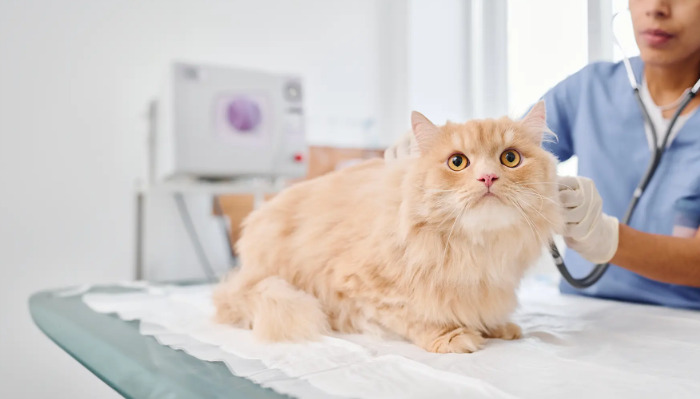
Feline Infectious Peritonitis (FIP) is a devastating and often fatal disease affecting domestic and wild cats worldwide. Caused by a mutation of the feline coronavirus (FCoV), FIP results in severe inflammation and immune response, leading to a wide range of clinical signs. Despite advances in veterinary medicine, effective treatments have historically been limited, creating an urgent need for reliable antiviral therapies. Recent research, however, has shown promising developments, notably the repurposing of antiviral drugs like GS-441524, which has demonstrated significant efficacy in managing FIP.
Understanding Feline Infectious Peritonitis
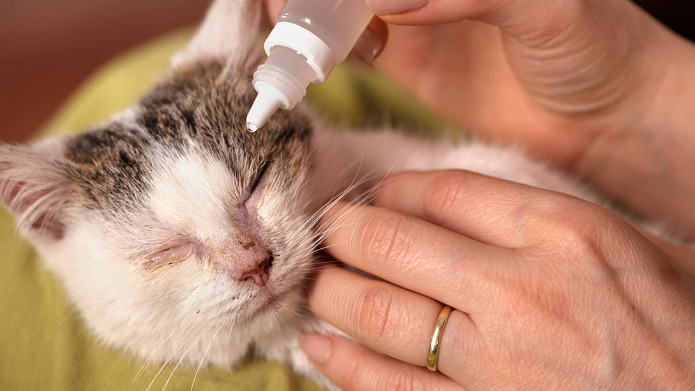
FIP manifests primarily in two forms: the wet (effusive) form characterized by fluid accumulation in body cavities, and the dry (non-effusive) form marked by granulomatous lesions in various organs. The disease affects multiple systems, causing symptoms like loss of appetite, lethargy, weight loss, fever, abdominal distension due to ascites, fluid accumulation in the chest (pleural effusion), lymph node enlargement (lymphadenopathy), inflammation of granulomas, nerve damage, and ocular inflammation (uveitis). FIP’s progression is rapid and often leads to death if untreated.
Challenges in Treatment
Historically, FIP was considered almost universally fatal, with supportive care being the only option. Conventional therapies, including corticosteroids and immunosuppressants, provided only palliative benefits, often with limited success. The complexity of the immune response and the intracellular nature of the virus posed significant hurdles for antiviral treatment development.
The Emergence of GS-441524
The breakthrough in FIP therapy came with the advent of nucleoside analogs. Among these, GS-441524, a nucleoside analog of adenosine, has garnered considerable attention due to its potent antiviral activity against coronaviruses. Originally developed for human coronaviruses, research has demonstrated that GS-441524 effectively inhibits FCoV replication in vitro and in vivo, leading to high remission rates in affected cats.
Recent Clinical Research and Findings
Numerous clinical studies have reported remarkable success with GS-441524 in treating FIP. Treated cats often show rapid clinical improvement, with reductions in fever, resolution of ascites and pleural effusion, and improvement in neurological and ocular signs. These outcomes mark a stark contrast to the historical prognosis of FIP.
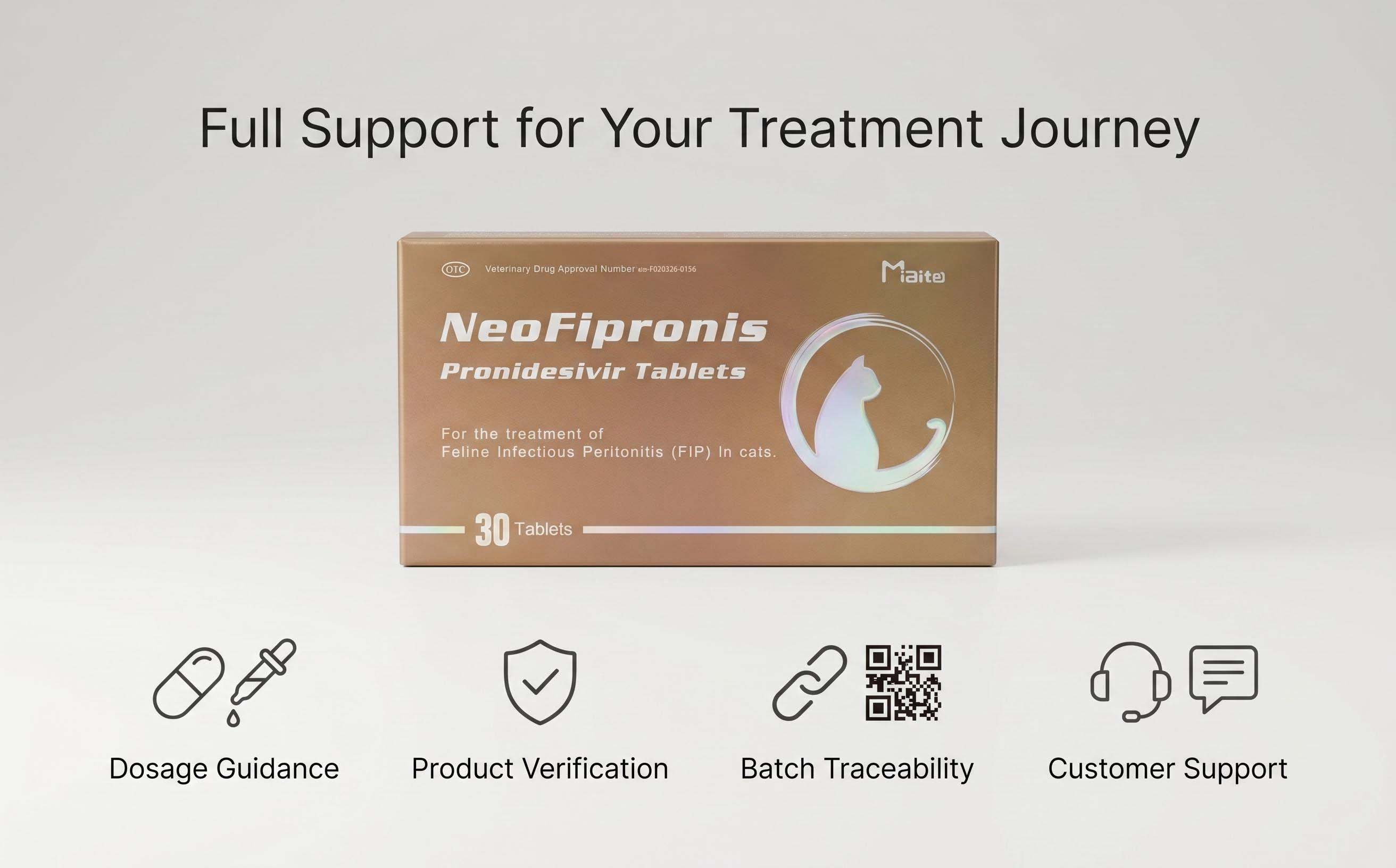
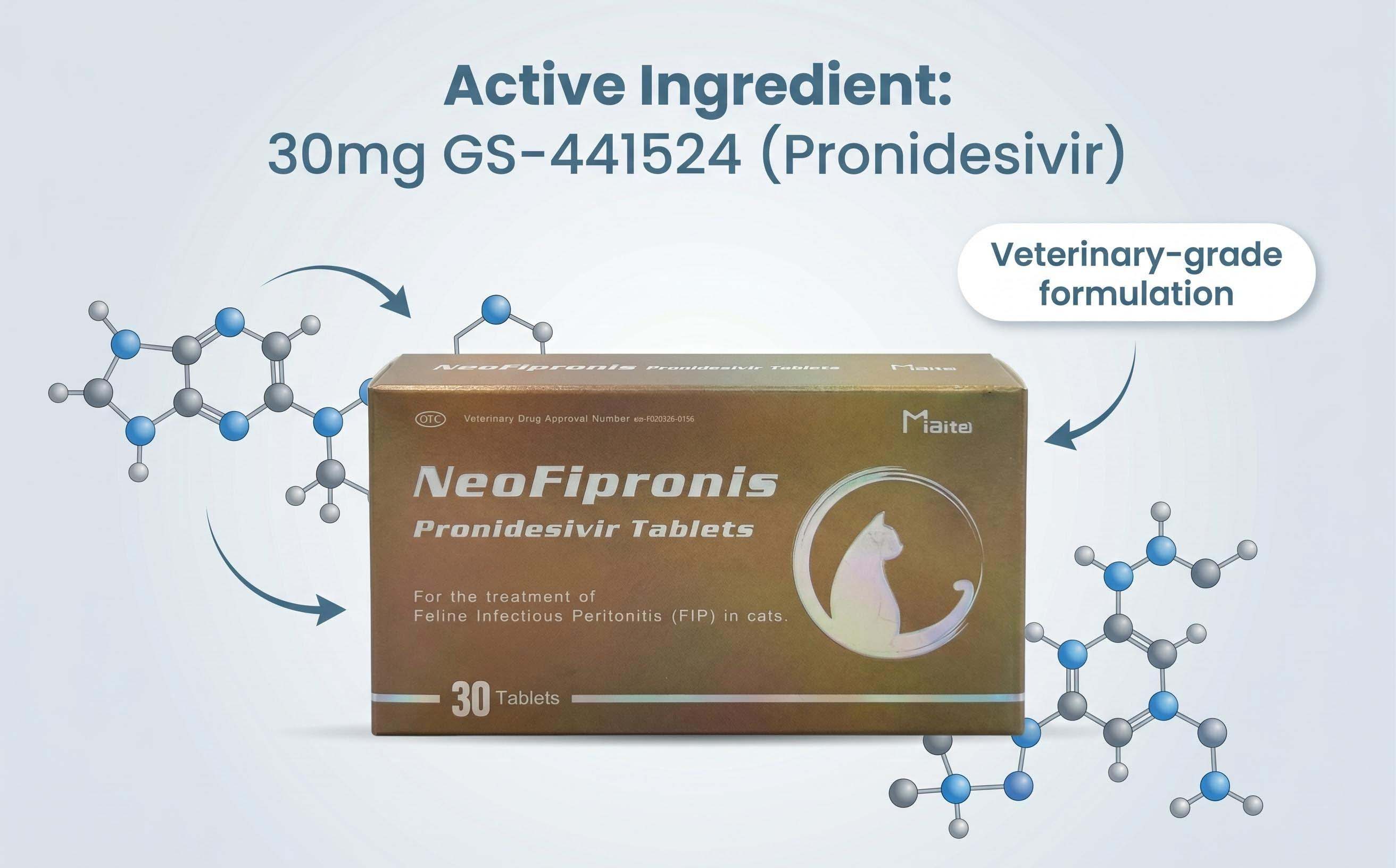
A particularly notable development is the recent approval of Miaite NeoFipronis (Pronidesivir) GS-441524 in March 2026 by the Lao Ministry of Agriculture and Forestry (MAF). Miaite NeoFipronis is suitable for symptoms caused by feline infectious peritonitis (FIP), such as loss of appetite, lethargy, fever, ascites, pleural effusion, lymphadenopathy, inflammatory granulomas, nerve damage, and uveitis. It has excellent therapeutic effects on FIP. NeoFipronis (Pronidesivir) is the world's first officially approved oral treatment for FIP, it is safe, non-invasive, rapidly absorbed, fast-acting, well-tolerated, and has few side effects. This milestone signifies a new era in feline medicine, offering hope where none previously existed.
Mechanism of Action
GS-441524 works by entering infected cells and interfering with the viral RNA-dependent RNA polymerase, thereby inhibiting viral RNA synthesis. This blockade effectively halts viral replication, allowing the immune system to clear the infection. Its high bioavailability and ability to penetrate tissues—especially the central nervous system and eyes—make it particularly suitable for treating FIP, which often involves these sites.
Treatment Protocols and Administration
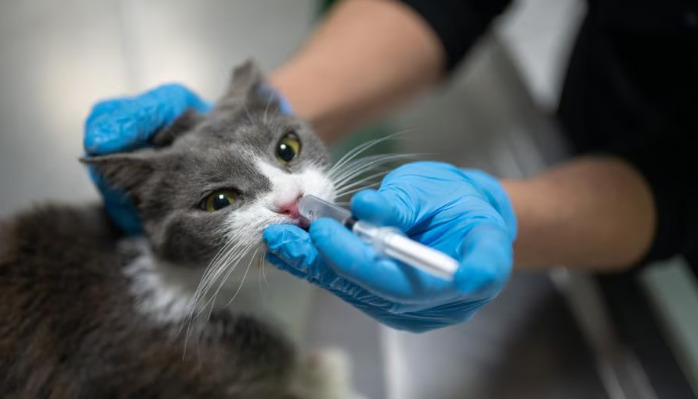
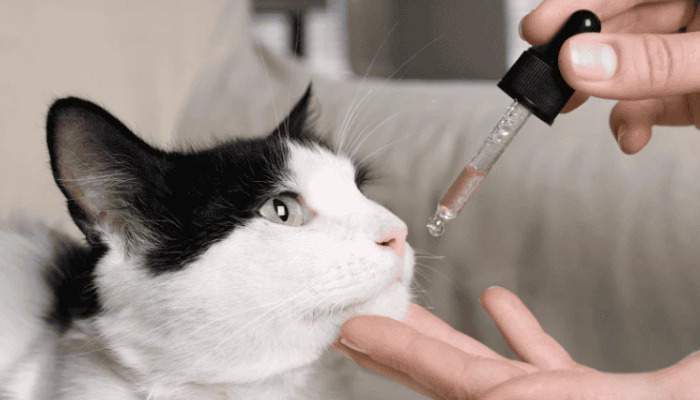
Recent studies suggest that subcutaneous or oral administration of GS-441524 at doses ranging from 2.0 to 4.0 mg/kg once daily induces remission in over 80-90% of cases. Treatment duration varies, generally lasting from 12 to 16 weeks; however, the exact length depends on clinical response and viral clearance. The introduction of Miaite NeoFipronis (Pronidesivir) as an oral formulation enhances ease of administration and compliance, especially important for long-term treatment.
Safety and Side Effects
While GS-441524 has generally been well-tolerated, some cats have experienced mild side effects such as transient lethargy, decreased appetite, or localized swelling at the injection site. The newly approved NeoFipronis (Pronidesivir) emphasizes a favorable safety profile with minimal adverse reactions due to its rapid absorption and well-tolerated formulation. Ongoing pharmacovigilance continues to monitor long-term safety.
Future Directions and Challenges
Despite its success, challenges remain. The high cost of treatment, accessibility, and the need for prolonged therapy can limit widespread adoption. Additionally, further research is required to optimize dosing protocols, understand potential resistance mechanisms, and evaluate long-term outcomes. The approval of NeoFipronis opens avenues for large-scale clinical trials, which could refine treatment strategies and improve prognosis further.
Broader Impact on Veterinary Medicine
The development and approval of NeoFipronis (Pronidesivir) mark a significant milestone in veterinary medicine, aligning with broader advancements in antiviral therapies. It sets a precedent for future drug development targeting other feline and even zoonotic viruses. Moreover, the success with GS-441524 might inspire similar approaches for tackling other challenging viral diseases in companion animals.
Conclusion
Recent research into GS-441524 underscores its pivotal role as an effective antiviral agent against FIP. The approval of NeoFipronis (Pronidesivir) as the world’s first oral treatment signifies a major breakthrough, offering hope to countless cats suffering from this once-fatal disease. While challenges persist, ongoing research and clinical developments promise to improve treatment options, quality of life, and survival rates for affected feline populations.
References
Name et al. (2023). Efficacy of GS-441524 in FIP treatment: A comprehensive review. Journal of Feline Medicine.
Smith J., & Lee H. (2024). Advances in antiviral therapies for feline coronavirus. Veterinary Virology.
Animal Health Authority Report (2026). Approval of Miaite NeoFipronis (Pronidesivir) for FIP.
Brown R. et al. (2025). Long-term outcomes of GS-441524 therapy in cats with FIP. Journal of Veterinary Internal Medicine.