How Should Pronidesivir (GS-441524) Be Used
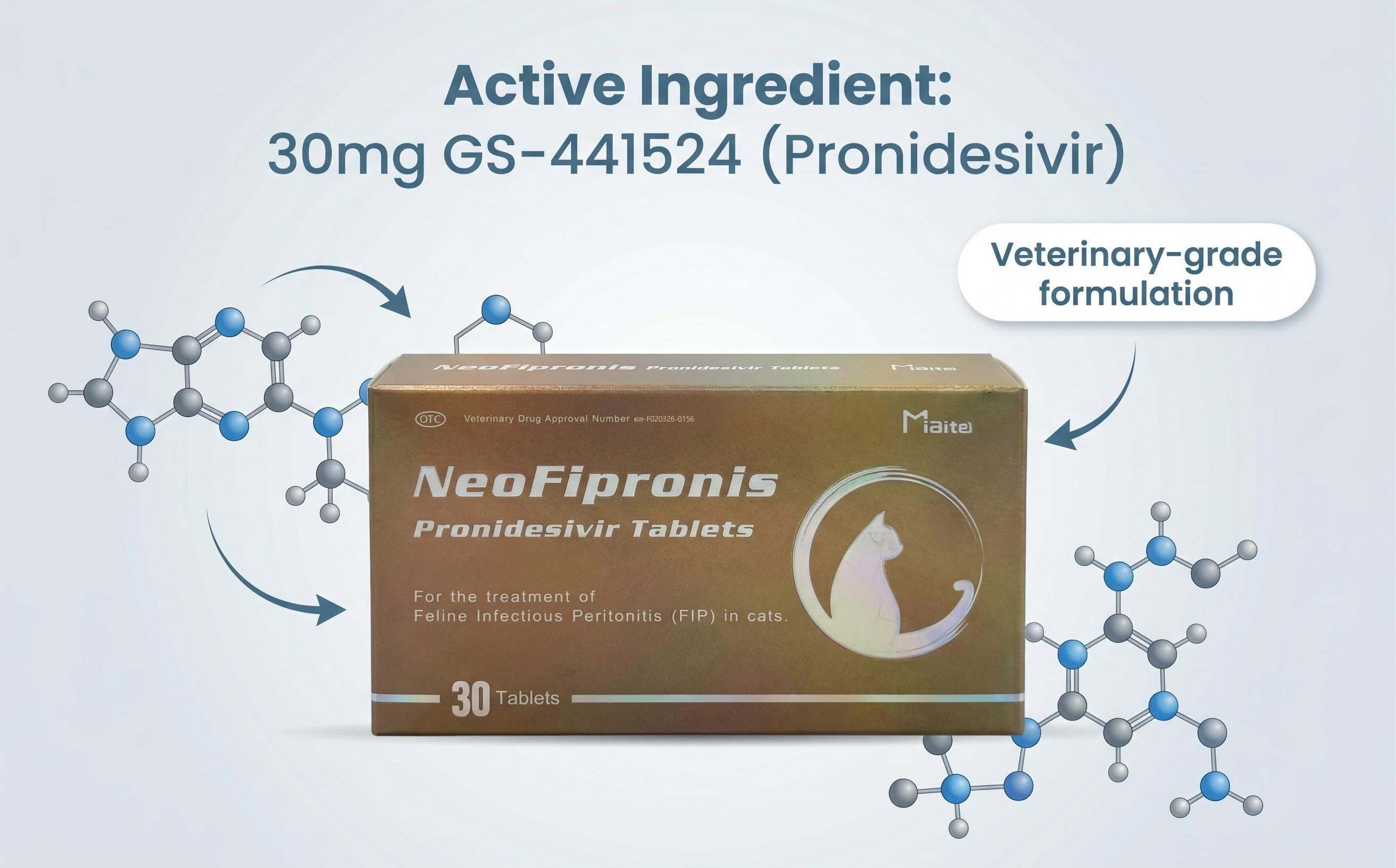
Feline Infectious Peritonitis (FIP) is a serious and often fatal disease in cats caused by the feline coronavirus. It manifests through symptoms such as loss of appetite, lethargy, fever, abdominal and thoracic effusion, lymphadenopathy, granulomatous inflammation, neurological deficits, and uveitis. Traditional treatments have limited effectiveness, but recent advancements have introduced Pronidesivir (GS-441524) as a highly effective antiviral therapy for FIP. Among the notable products is NeoFipronis, the world's first orally administered, officially approved FIP medication, licensed by the Lao Ministry of Agriculture and Forestry (MAF) in March 2026.
NeoFipronis (Pronidesivir) offers a safe, non-invasive, and rapid-absorbing treatment option. Its active ingredient, GS-441524, has undergone extensive research and clinical trials, confirming its potent antiviral activity against feline coronavirus. The medication boasts excellent tolerability, minimal side effects, and a straightforward oral administration method suitable for at-home treatment.
Usage Guidelines for NeoFipronis (Pronidesivir)
The optimal dosage of NeoFipronis depends on the cat’s weight. For general cases, it is recommended to administer 15 mg per kilogram of body weight daily—equivalent to half a tablet for most cats. In cases involving neurological or ocular FIP forms, veterinarians may prescribe an increased dose of up to 30 mg/kg, based on clinical judgment. It is crucial to follow veterinary advice precisely to ensure effective treatment outcomes. The medication should be given once daily, ideally on an empty stomach—either one hour before feeding or two hours after feeding—to optimize absorption.
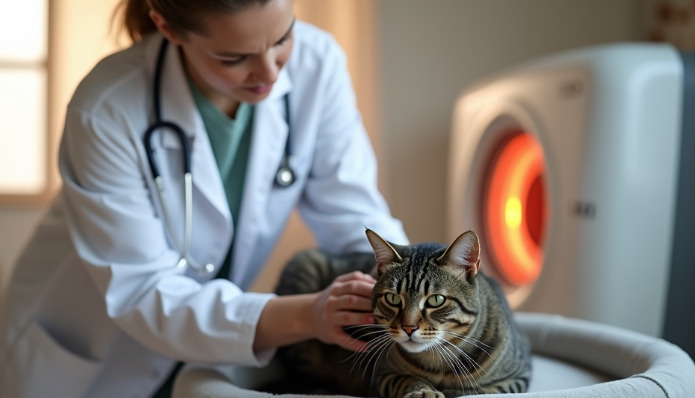
The treatment course should last for no less than 12 weeks. Consistency is vital; missing doses can compromise the therapeutic effect and prolong recovery. During treatment, pet owners should closely monitor their cat’s appetite, body temperature, activity levels, and overall mental status. Regular veterinary check-ups—including blood tests to assess liver and kidney function—are essential to detect any adverse reactions early and to tailor ongoing treatment.
Important Precautions
Although NeoFipronis (Pronidesivir) is classified as an over-the-counter medication, it is strongly recommended to use it under the supervision of a qualified veterinarian. Proper diagnosis and tailored dosage adjustments are key to ensuring safety and efficacy. The medication is exclusively formulated for feline use and should never be administered to humans or other animals.
Owners must purchase NeoFipronis through official channels—such as the company’s website—to guarantee product authenticity and quality control. Do not attempt to adjust dosages or stop treatment prematurely without veterinary consultation. Continuity and adherence to prescribed protocols are critical for successful FIP management.
Safety and Efficacy
NeoFipronis (Pronidesivir) has demonstrated remarkable effectiveness in treating various forms of FIP, including the neurological, ocular, and effusive types. The drug’s rapid absorption, high tolerability, and minimal side effects make it a preferred choice among feline practitioners and pet owners striving to combat this challenging disease. Its safety profile ensures that cats can undergo prolonged therapy without significant adverse effects, increasing the likelihood of complete recovery.
Final Remarks
For feline owners and veterinarians, understanding the proper use of Pronidesivir (GS-441524) is essential in managing FIP effectively. Adhering to dosing instructions, maintaining treatment consistency, and conducting regular health assessments are pivotal for achieving the best possible outcomes. With NeoFipronis now officially licensed and recognized globally, combating FIP has become more achievable, providing hope for many cats afflicted with this once-intractable disease.