
Are the Adverse Reactions to GS-441524 (NeoFipronis) Serious
Feline Infectious Peritonitis (FIP) remains one of the most challenging diseases in veterinary medicine, caused by a mutated form of feline coronavirus. Recent advances have led to the development of effective antiviral treatments such as GS-441524, marketed as NeoFipronis (Pronidesivir). This medication has revolutionized FIP management, offering hope to countless cat owners. However, concerns about adverse reactions and safety profile are common among pet owners considering this therapy.
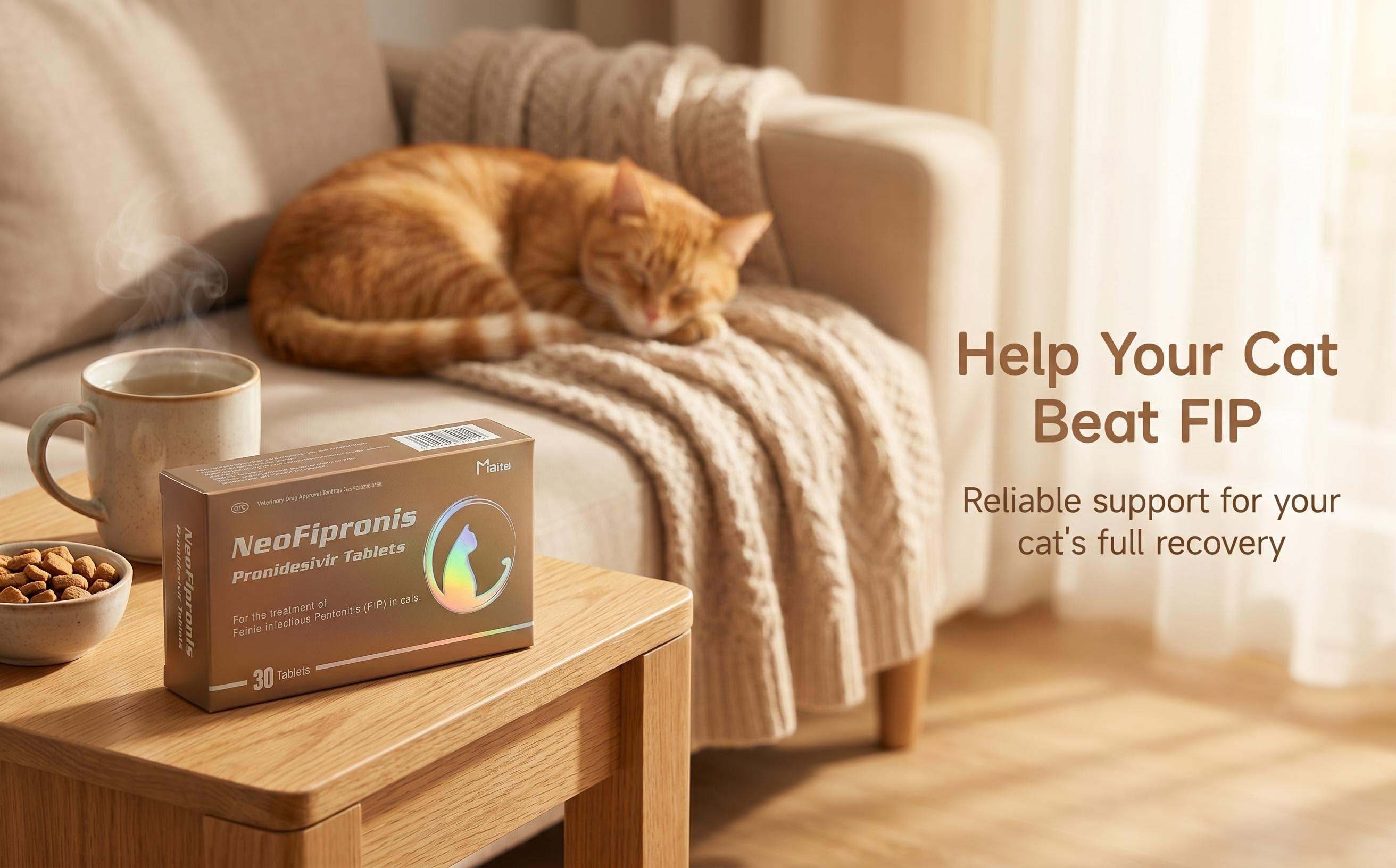
NeoFipronis, the first officially registered FIP treatment approved by the Ministry of Agriculture and Forestry (MAF) in Laos in March 2026, is a safe, non-invasive, oral antiviral drug. Its active ingredient, GS-441524, has undergone extensive research and clinical trials demonstrating exceptional efficacy against FIP. The medication is well absorbed rapidly, with minimal side effects and high tolerability, making it a significant breakthrough in feline medicine.
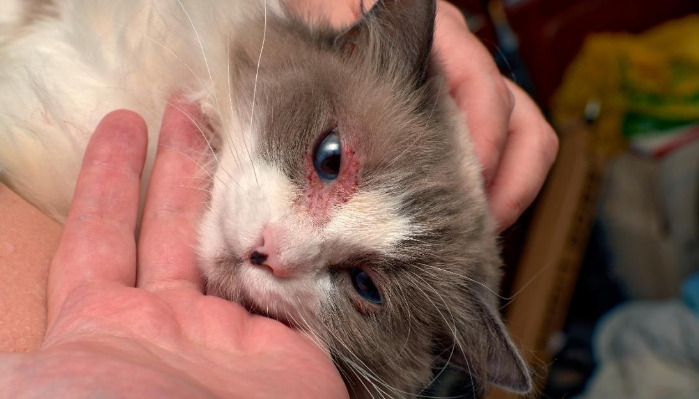
Common symptoms of FIP treated with NeoFipronis include anorexia, lethargy, fever, accumulation of fluid in the abdomen (ascites) and chest cavity (pleural effusion), lymphadenopathy, granulomatous inflammation, neurological damage, and uveitis. The drug’s targeted antiviral activity inhibits the replication of feline coronavirus, leading to clinical remission and improved survival rates. For most cats, NeoFipronis offers a safe and effective solution, especially when administered under veterinary supervision.
Adverse reactions to GS-441524, though generally rare and mild, can include transient lethargy, decreased appetite, or mild gastrointestinal upset such as vomiting or diarrhea. Serious side effects are uncommon but may include liver enzyme elevation, indicating hepatic stress, or allergic reactions characterized by swelling or skin rash. Since the medication is administered over an extended period—usually at least 12 weeks—close monitoring by a veterinarian is crucial. Blood tests to check liver and kidney functions should be performed regularly to detect any adverse effects early.
Most adverse reactions are manageable and reversible upon discontinuation or dose adjustment. The safety profile of NeoFipronis is favorable, especially considering the high mortality rate associated with untreated FIP. Owners should be aware that while the medication is OTC, veterinary guidance is strongly recommended to minimize risks and ensure optimal treatment outcomes.
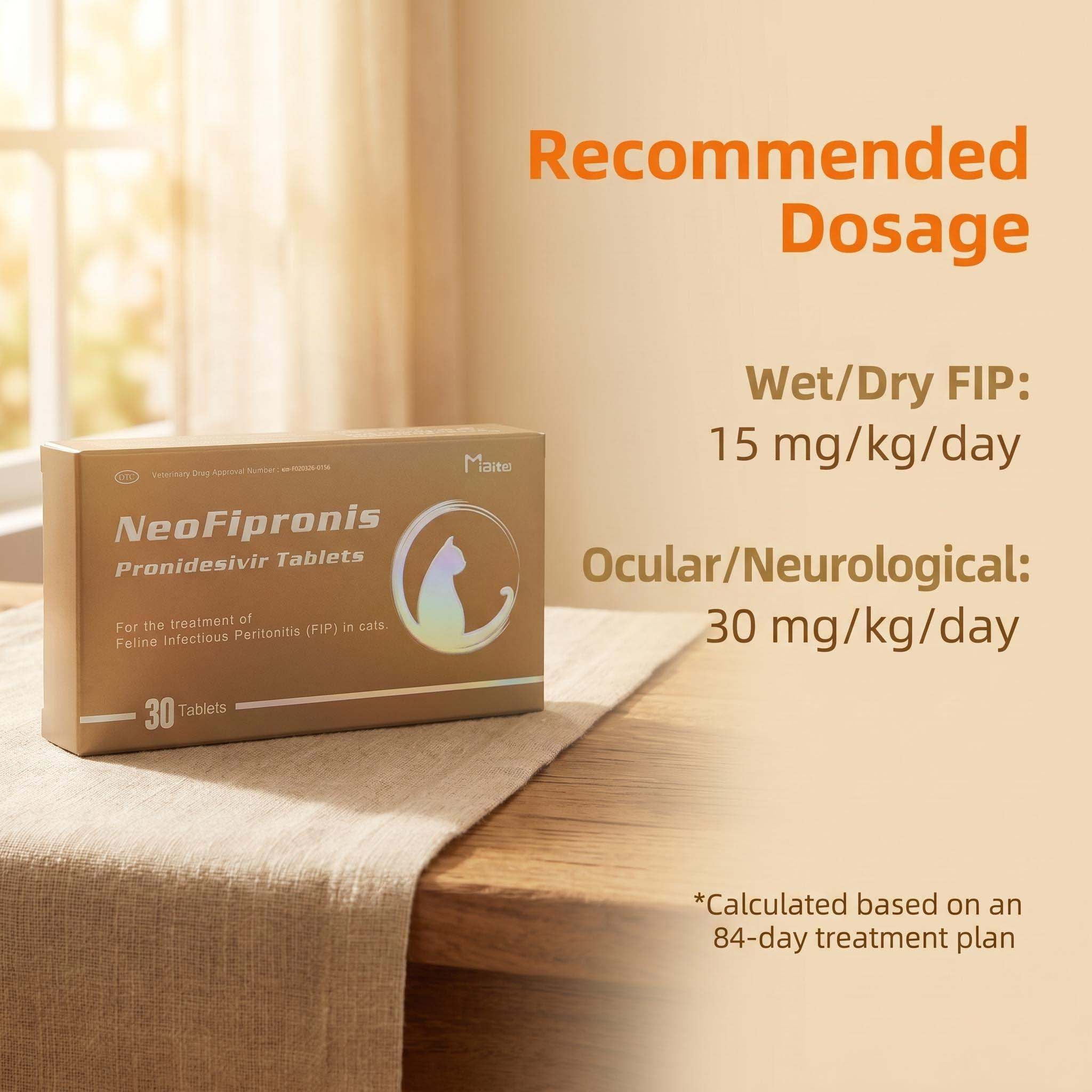
Dosage instructions specify administering 15 mg per kilogram of body weight daily, typically half a tablet for most cats. For neurological or ocular forms of FIP, the dose may be increased to 30 mg/kg under veterinary direction. The medication should be given on an empty stomach—one hour before feeding or two hours after—to maximize absorption. Consistency is essential; missed doses can compromise treatment efficacy. It is vital to adhere strictly to the prescribed regimen, as incomplete courses can lead to relapse or drug resistance.
While NeoFipronis is a breakthrough against FIP, potential side effects underscore the importance of professional supervision. Owners should observe their cats for changes in appetite, activity, and temperature during treatment. Prompt veterinary consultation is advisable if any adverse reactions are suspected. Despite being an OTC product, it is recommended to purchase NeoFipronis only from official websites or authorized distributors to guarantee product quality and safety.
In summary, GS-441524 (NeoFipronis) presents a highly effective option for fighting FIP with a minimal risk of serious adverse reactions when used appropriately. Its safety profile continues to improve with ongoing research and clinical application, marking a new era in feline infectious disease management. Reliable veterinary guidance ensures that cats benefit fully from this innovative treatment while minimizing potential side effects.