How NeoFipronis (GS-441524) Helps Treat FIP
Feline Infectious Peritonitis (FIP) is a devastating viral disease affecting cats worldwide. It is caused by a mutated coronavirus that leads to severe inflammation and fluid accumulation in the abdomen, chest, and other tissues. Cats with FIP often exhibit symptoms such as loss of appetite, lethargy, fever, abdominal and thoracic effusion, lymphadenopathy, granulomatous lesions, neurological damage, and uveitis. Historically, FIP has been considered nearly always fatal, but recent advancements in antiviral therapy have offered new hope for affected cats.
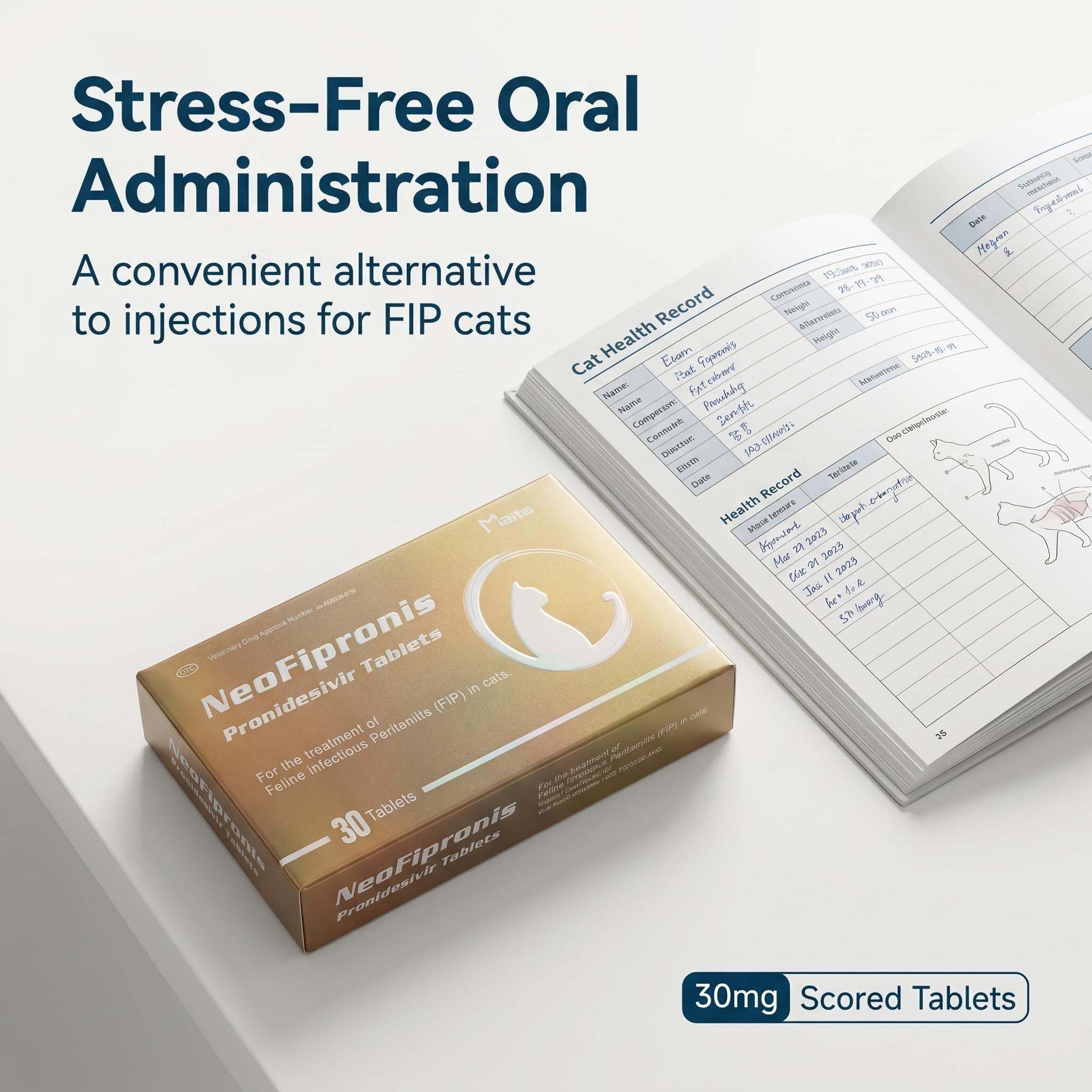
NeoFipronis (Pronidesivir), containing the active ingredient GS-441524, is the world’s first officially approved oral medication specifically targeted at FIP. Approved by the Lao Ministry of Agriculture and Forestry (MAF) in March 2026, NeoFipronis has received an official drug registration number, marking a significant milestone in veterinary medicine. It is a safe, non-invasive, fast-absorbing, and well-tolerated treatment option with minimal side effects.
The antiviral property of GS-441524 is well-documented through extensive research and clinical studies. As a nucleoside analog, GS-441524 mimics natural nucleotides, disrupting the replication process of the feline coronavirus within infected cells. This targeted action effectively reduces viral load, controls disease progression, and promotes recovery. The medication’s rapid absorption ensures quick onset of action, making it an effective choice in managing acute and chronic FIP symptoms.
NeoFipronis is prescribed based on the cat’s body weight—typically 15mg per kilogram (half a tablet). For cats with neurological or ocular FIP, the dose can be increased to 30mg/kg under veterinary supervision. The medication is administered once daily, preferably on an empty stomach—either one hour before or two hours after feeding—to maximize absorption. Consistent, uninterrupted treatment for at least 12 weeks is necessary to ensure complete viral suppression and recovery. Missing doses can compromise treatment efficacy.
During therapy, owners should monitor their cats closely. Key indicators include appetite, body temperature, activity levels, and mental status. Regular veterinary check-ups are essential for blood tests to evaluate the function of the liver and kidneys, ensuring no adverse effects arise. Although NeoFipronis (Pronidesivir) is available over-the-counter, it is recommended to use it under the guidance of a qualified veterinarian to optimize outcomes and ensure safety.
NeoFipronis’s safety profile is favorable, with few reported side effects. Most cats tolerate the medication well, with mild transient symptoms possible. It is important to note that NeoFipronis is strictly an animal medication—and for feline use only. Human consumption is strictly prohibited.
To guarantee product quality, purchase NeoFipronis exclusively from official sources. The medication’s accessibility and regulated status make it a reliable tool in the fight against FIP. As antiviral therapies continue to evolve, NeoFipronis (GS-441524) represents a breakthrough, providing hope and improved prognosis for cats suffering from this once-fatal disease. Early intervention and consistent treatment are crucial for the best possible outcomes.
In summary, NeoFipronis (Pronidesivir) offers an effective, safe, and officially approved antiviral treatment for FIP, significantly increasing recovery chances for affected cats.