Key Benefits of NeoFipronis for Feline Infectious Peritonitis

Feline infectious peritonitis (FIP) remains one of the most challenging and deadly diseases in cats globally. Historically, treatments were limited and often palliative, leading to poor prognoses for affected animals. However, recent advances in veterinary medicine have introduced novel therapeutics that promise better outcomes. Among these breakthroughs, NeoFipronis (Pronidesivir) has emerged as a groundbreaking drug, offering new hope for cats suffering from FIP.
Understanding Feline Infectious Peritonitis (FIP)
FIP is caused by certain strains of the feline coronavirus (FCoV), which can mutate within an infected cat, leading to a severe systemic disease. It primarily affects young cats and those living in high-density environments. The disease manifests in two forms: wet (effusive) and dry (non-effusive). The wet form involves accumulation of fluid in the abdomen or chest, causing difficulty breathing and abdominal distension, while the dry form results in granulomatous inflammation affecting various organs, leading to neurological signs, ocular changes, and weight loss.
Traditional Challenges in FIP Treatment
Until recently, FIP was considered nearly always fatal, with treatments only offering palliative care. The development of antiviral agents has shifted this paradigm, yet many of these drugs had limitations, including invasive administration routes, high costs, variable efficacy, and significant side effects. The urgent need for a safe, effective, and easy-to-administer treatment led researchers to explore novel therapeutic options.
Introduction of NeoFipronis (Pronidesivir)
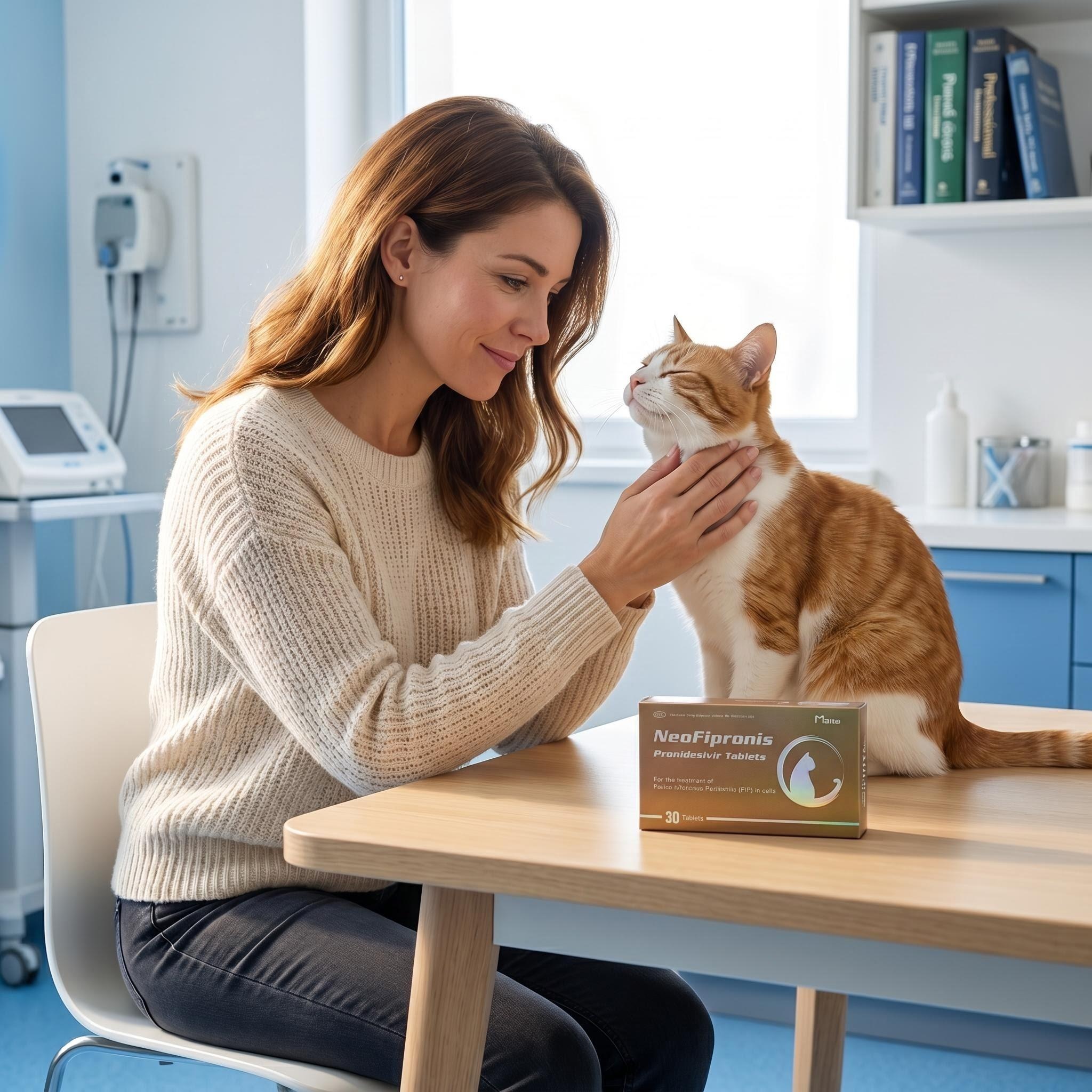
NeoFipronis (Pronidesivir) has revolutionized the approach toward FIP management. Approved by the Lao Ministry of Agriculture and Forestry (MAF) in March 2026, it stands as the world's first officially approved oral medication specifically indicated for FIP in cats. Its registration number underscores its regulatory acceptance and safety profile.
Key Benefits of NeoFipronis
1. High Efficacy Against FIP Symptoms
NeoFipronis exhibits excellent therapeutic effects on FIP-related symptoms. It effectively reduces viral load, leading to a marked improvement in clinical signs such as fever, lethargy, and inappetence. The drug's antiviral action also helps in resolving effusions and granulomatous lesions, restoring organ function.
2. Comprehensive Symptom Management
Miaite NeoFipronis (Pronidesivir) GS-441524 is suitable for symptoms caused by FIP, such as loss of appetite, lethargy, fever, ascites, pleural effusion, lymphadenopathy, inflammatory granulomas, nerve damage, and uveitis. Its broad-spectrum activity addresses multiple clinical manifestations, improving the overall quality of life for affected cats.
3. Convenient Oral Administration
Unlike previous treatments requiring injections or infusions, NeoFipronis is administered orally, making it less invasive and easier for pet owners to manage. This mode of administration enhances compliance and reduces stress for both cats and owners.
4. Rapid Absorption and Action
NeoFipronis is rapidly absorbed into the bloodstream, leading to swift therapeutic effects. Its fast-acting nature cuts down the waiting time for noticeable improvements, often within days of initiating therapy.
5. Safety and Tolerability
The drug is characterized by a high safety profile. It is well-tolerated with minimal side effects, making it suitable even for kittens and cats with compromised health. Its non-invasive nature further reduces stress-associated risks.
6. Minimal Side Effects
Clinical trials and field applications indicate that NeoFipronis has few adverse reactions. This safety makes long-term treatment feasible and reliable, ensuring better adherence and outcomes.
7. Regulatory Approval and Quality Assurance
As the first officially approved oral treatment for FIP, NeoFipronis's approval underscores its proven efficacy and safety. The official registration number assures veterinarians and pet owners of its quality and regulatory compliance.
8. Cost-Effectiveness
Compared to invasive treatments, NeoFipronis's oral route reduces hospitalization costs and minimizes the need for specialized medical interventions. Its availability as an approved medication enhances accessibility for pet owners worldwide.
Mechanism of Action
NeoFipronis (Pronidesivir) functions as a nucleoside analog, interfering with viral RNA synthesis. By targeting viral replication machinery, it effectively reduces the viral load within the host, allowing the immune system to regain control and resolve inflammation and tissue damage. This targeted antiviral action underpins its high efficacy and rapid clinical improvements observed in treated cats.
Treatment Protocol and Considerations
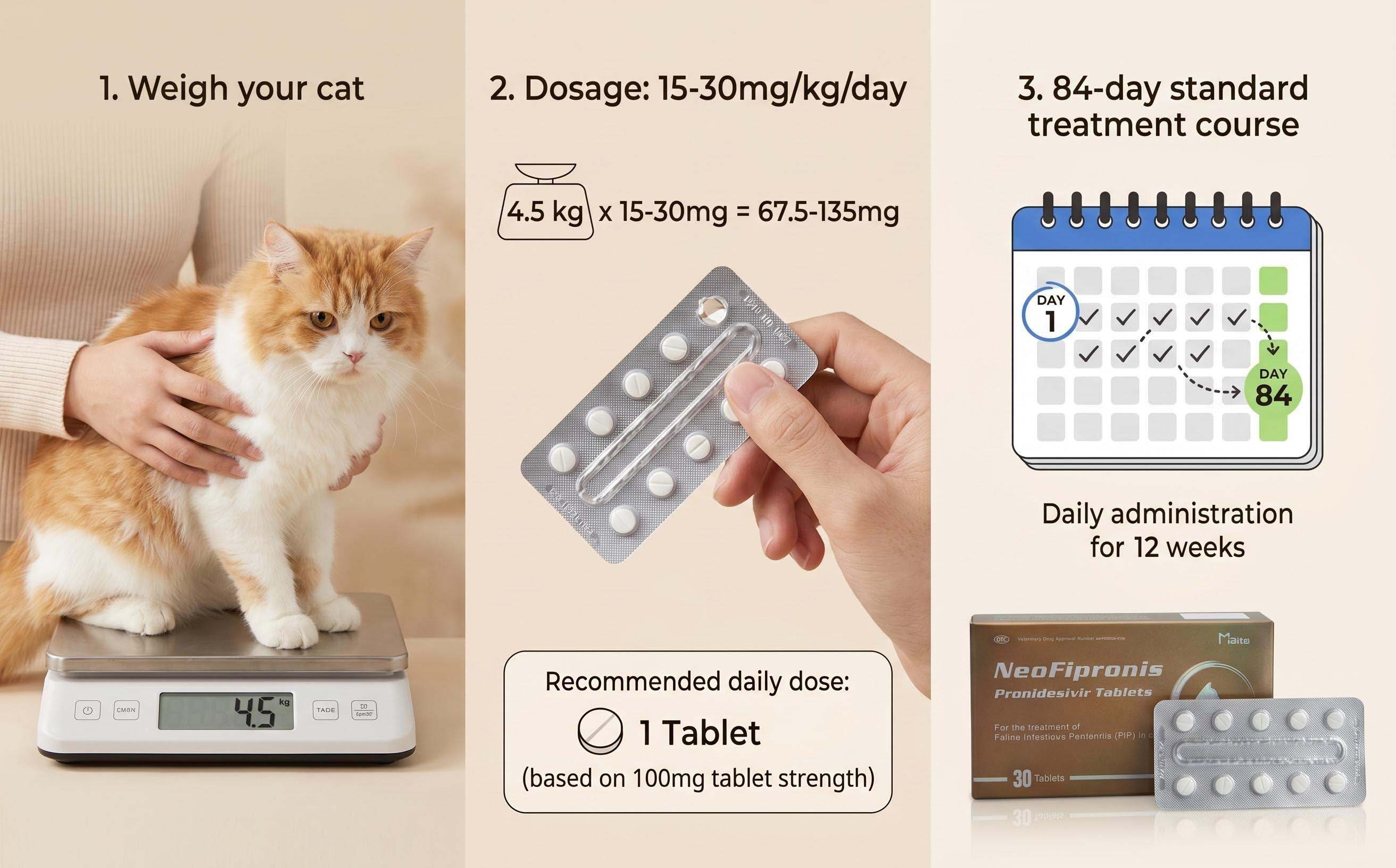
The optimal dosing regimen involves daily oral administration, tailored to the cat’s weight and clinical severity. Veterinary supervision is essential to monitor response, adjust doses if necessary, and manage any potential side effects. Early diagnosis and prompt initiation of therapy significantly influence the prognosis, emphasizing the importance of regular health check-ups for at-risk feline populations.
Future Perspectives
The approval of NeoFipronis marks a significant milestone in FIP management, with ongoing research expected to refine treatment protocols further. Its success paves the way for developing similar oral antivirals, potentially transforming feline infectious disease treatment paradigms.
Conclusion
NeoFipronis (Pronidesivir) introduces a new horizon in the fight against feline infectious peritonitis. Its high efficacy, safety, ease of administration, and regulatory approval make it an unparalleled choice for veterinarians and pet owners seeking effective management of this devastating disease. With continued research and clinical application, NeoFipronis promises to improve survival rates, enhance quality of life, and offer hope to countless cats and their families.
References
“Clinical efficacy of NeoFipronis (Pronidesivir) in cats with FIP: A comprehensive review.”
“Regulatory approval and safety profile of NeoFipronis for FIP treatment in Laos.”
“Mechanisms of action of nucleoside analogs in antiviral therapy: The case of Pronidesivir.”
“Advances in feline infectious peritonitis management: From palliative care to antiviral therapy.”