How Much Does a Course of Miaite (Pronidesivir) Treatment Cost
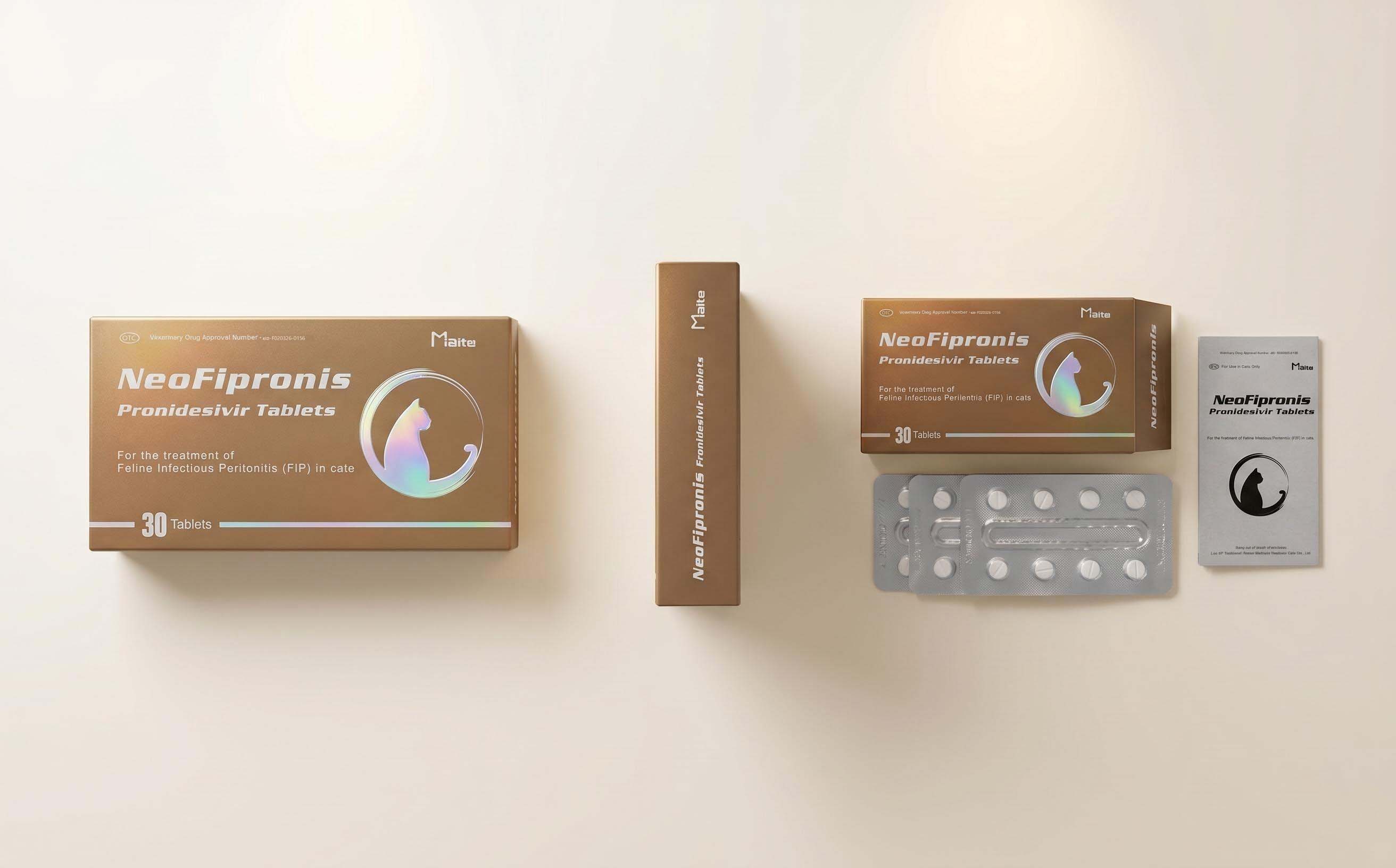
Feline Infectious Peritonitis (FIP) remains one of the most challenging viral diseases affecting cats globally. Recent advancements have introduced Miaite NeoFipronis (Pronidesivir), a groundbreaking oral antiviral medication with remarkable efficacy against FIP. Manufactured with the active ingredient GS-441524, NeoFipronis offers a safe, non-invasive treatment option for cats suffering from FIP symptoms such as loss of appetite, lethargy, fever, ascites, pleural effusion, lymphadenopathy, granulomatous inflammation, neurological damage, and uveitis.
This medication holds the distinction of being the first FIP-specific drug officially approved by the Ministry of Agriculture and Forestry (MAF) of Laos in March 2026. With its official registration number, NeoFipronis ensures quality and safety, making it accessible for veterinary use worldwide. The drug’s formulation allows rapid absorption, encouraging quick clinical improvements while maintaining high tolerability and minimal side effects.
The active component, GS-441524, has been extensively studied and validated through clinical trials and real-world applications. Its antiviral potency directly targets FIP virus replication, providing hope for many cats diagnosed with this previously incurable disease. The recommended dosage regimen is based on the cat's weight—administering 15 mg per kilogram (half a tablet per kg), with adjustments to 30 mg/kg for neuro- or ophthalmic-type FIP as advised by a veterinarian. Administration is once daily, preferably on an empty stomach—either one hour before meals or two hours after.
A critical factor influencing treatment success is adherence. NeoFipronis must be given continuously for at least 12 weeks without missing doses. This sustained therapy ensures complete viral suppression and reduces the chance of relapse. During treatment, careful monitoring of the cat’s appetite, body temperature, mental state, and overall health is essential. Regular veterinary checkups, including blood tests to evaluate liver and kidney function, are recommended to detect any adverse effects early. Although NeoFipronis is available over-the-counter in many regions, veterinary oversight is strongly advised to optimize outcomes and ensure correct dosing.
Cost of Treatment
The expense of a full course of NeoFipronis varies depending on several factors, including the cat's weight, dosage requirements, and regional drug pricing. Typically, a standard treatment course for an average-sized cat (around 4-5 kg) involves approximately 12 to 16 tablets of NeoFipronis.
In general, each tablet of NeoFipronis is priced between $20 and $50. For a 12-week course, the total cost can range from $240 to $800. This estimate incorporates the cost of medication alone and does not include veterinary consultation or blood testing fees, which are essential components of comprehensive care.
Because pricing can vary widely based on geographical location, suppliers, and whether the medication is purchased directly from authorized distributors or online platforms, prospective pet owners should verify prices before purchase. It’s crucial to acquire NeoFipronis from reputable sources—preferably through official websites or licensed veterinary pharmacies—to guarantee product authenticity and safety.
Final Insights
NeoFipronis (Pronidesivir) offers a life-changing treatment for cats diagnosed with FIP, with a proven safety profile, rapid action, and high efficacy. While treatment costs may seem significant, they are justified by the drug’s ability to significantly improve or save affected cats’ lives. Pet owners should always consult with a licensed veterinarian to determine the most appropriate treatment plan and obtain accurate cost estimates tailored to their feline’s specific needs. Proper adherence to the prescribed regimen, combined with regular veterinary care, can lead to successful recovery and a better quality of life for cats battling FIP.