NeoFipronis Proper Use and Dosing Instructions
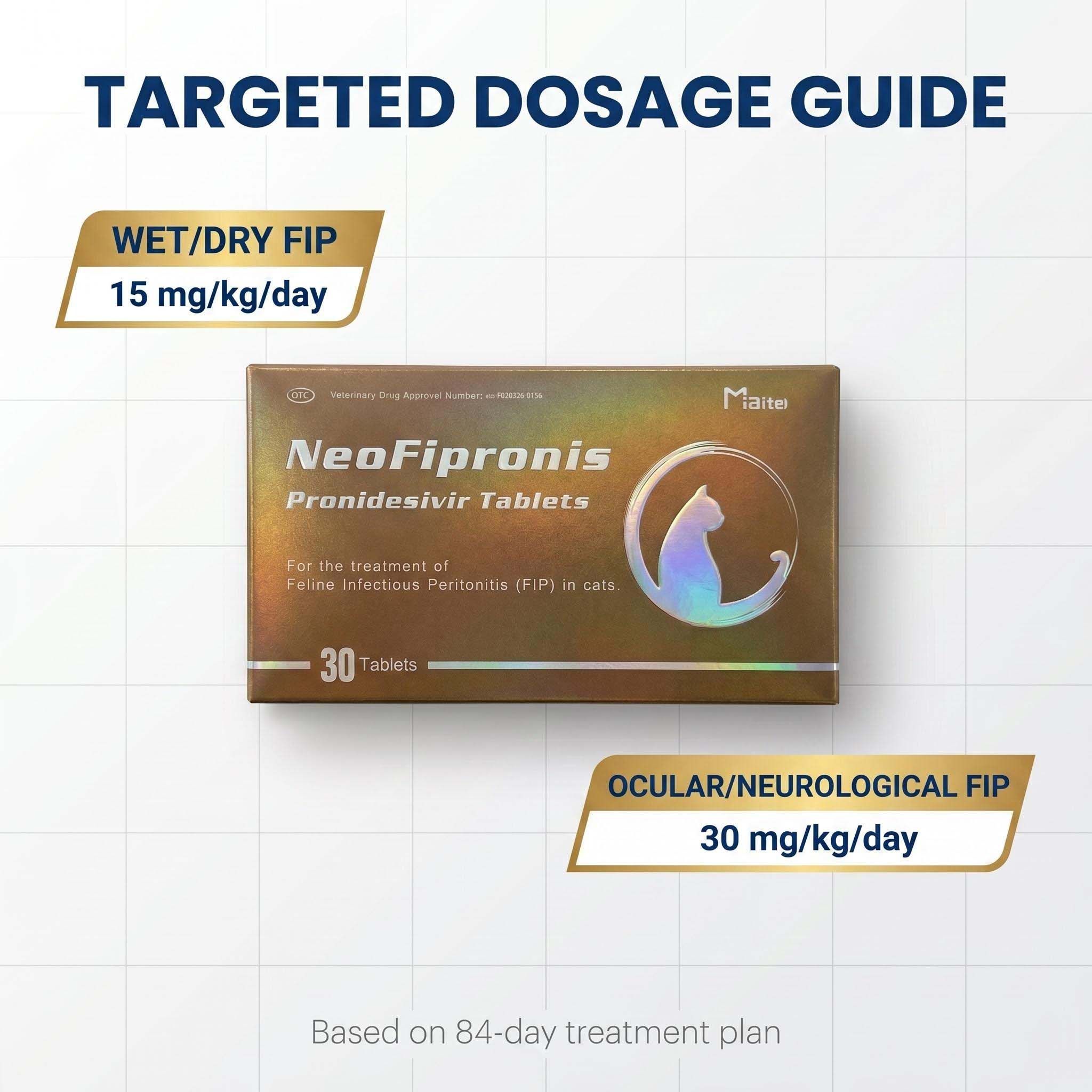
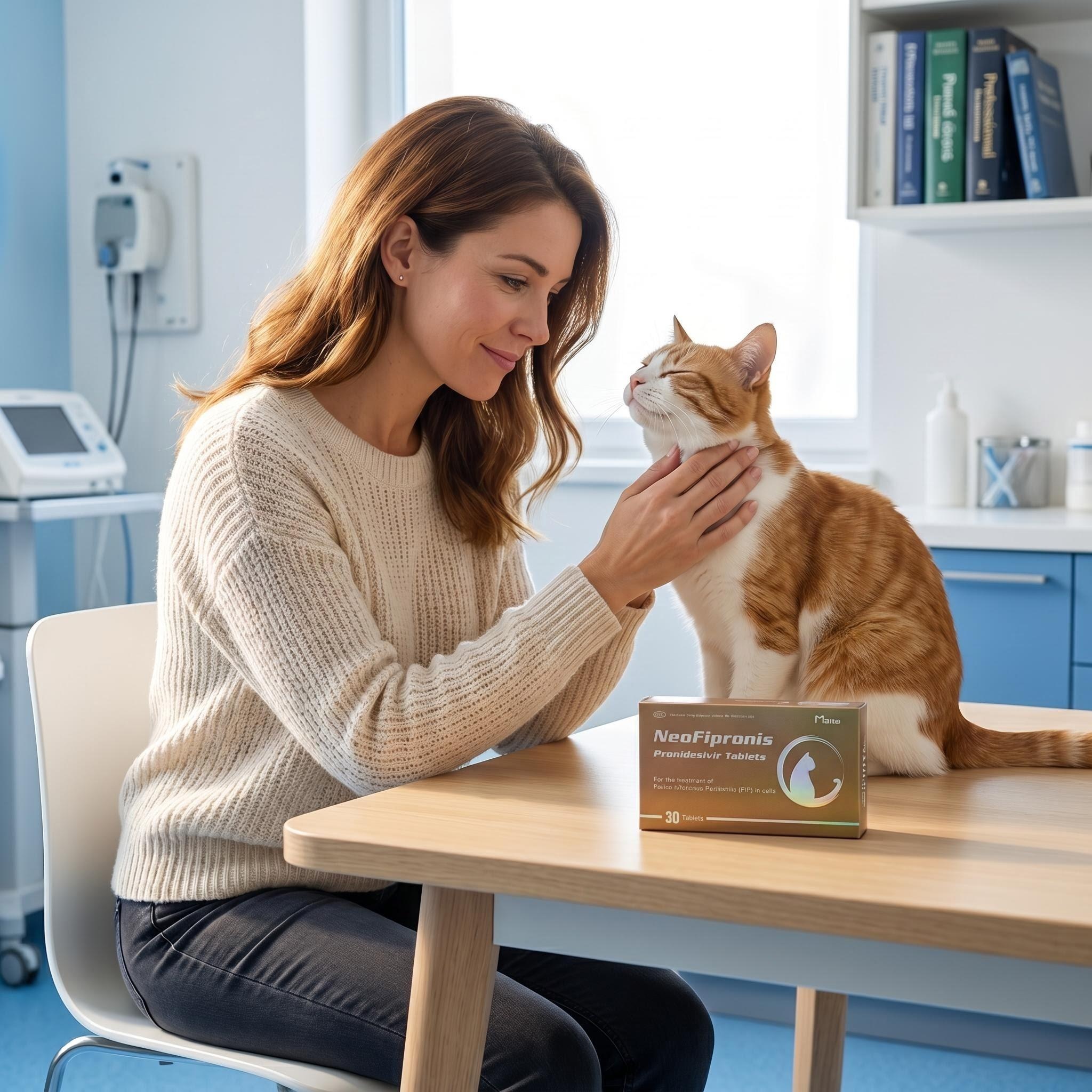
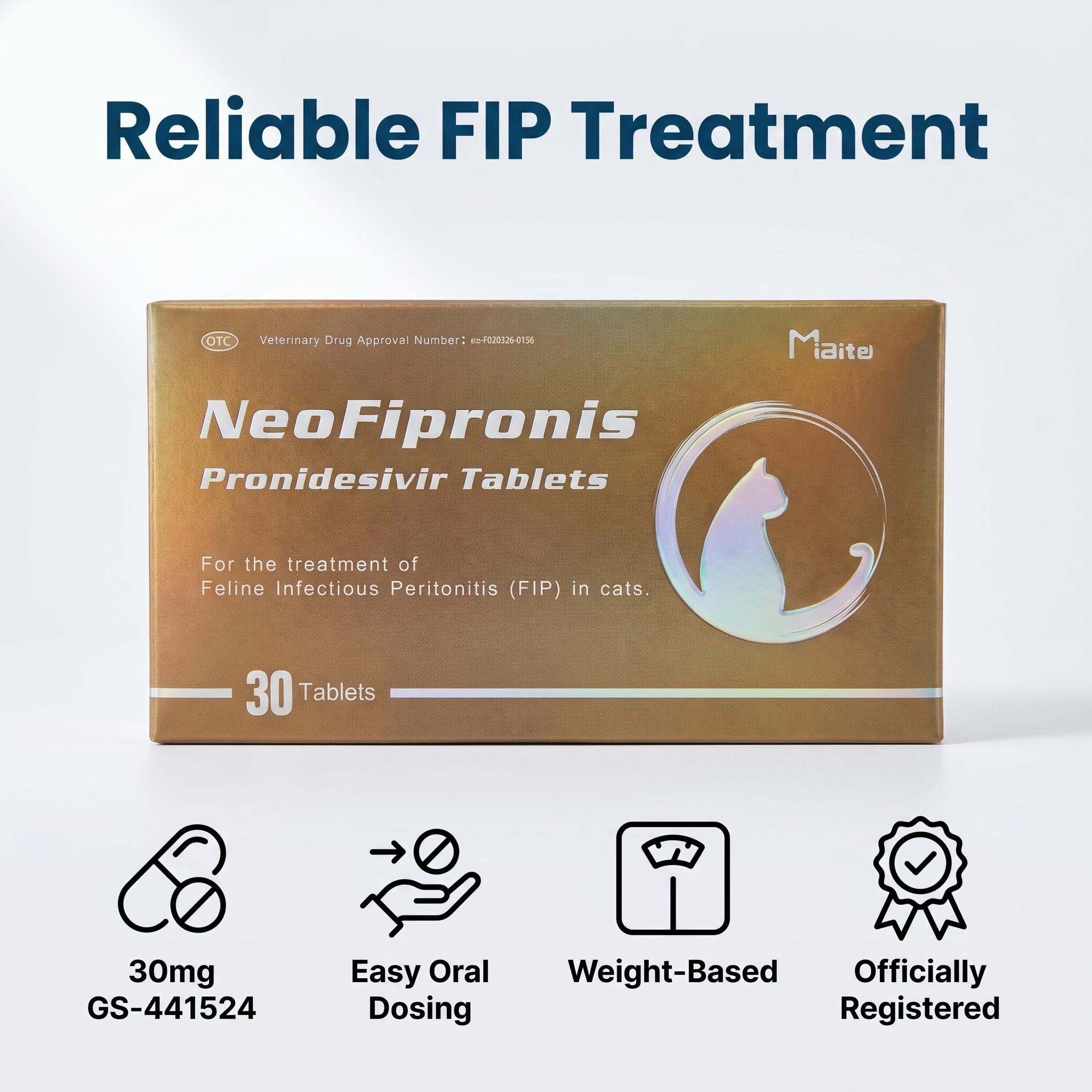
NeoFipronis (Pronidesivir) is a groundbreaking oral antiviral medication specifically developed for the treatment of Feline Infectious Peritonitis (FIP). Approved by the Lao Ministry of Agriculture and Forestry (MAF) in March 2026, NeoFipronis is the first officially registered FIP medication with a dedicated pharmacological profile. Its active ingredient, GS-441524, has demonstrated remarkable efficacy in combating FIP symptoms such as inappetence, lethargy, fever, ascites, pleural effusion, lymphadenopathy, inflammatory granulomas, neurological impairment, and uveitis. These symptoms are often life-threatening, but NeoFipronis offers a safe, non-invasive, and rapidly effective treatment option.
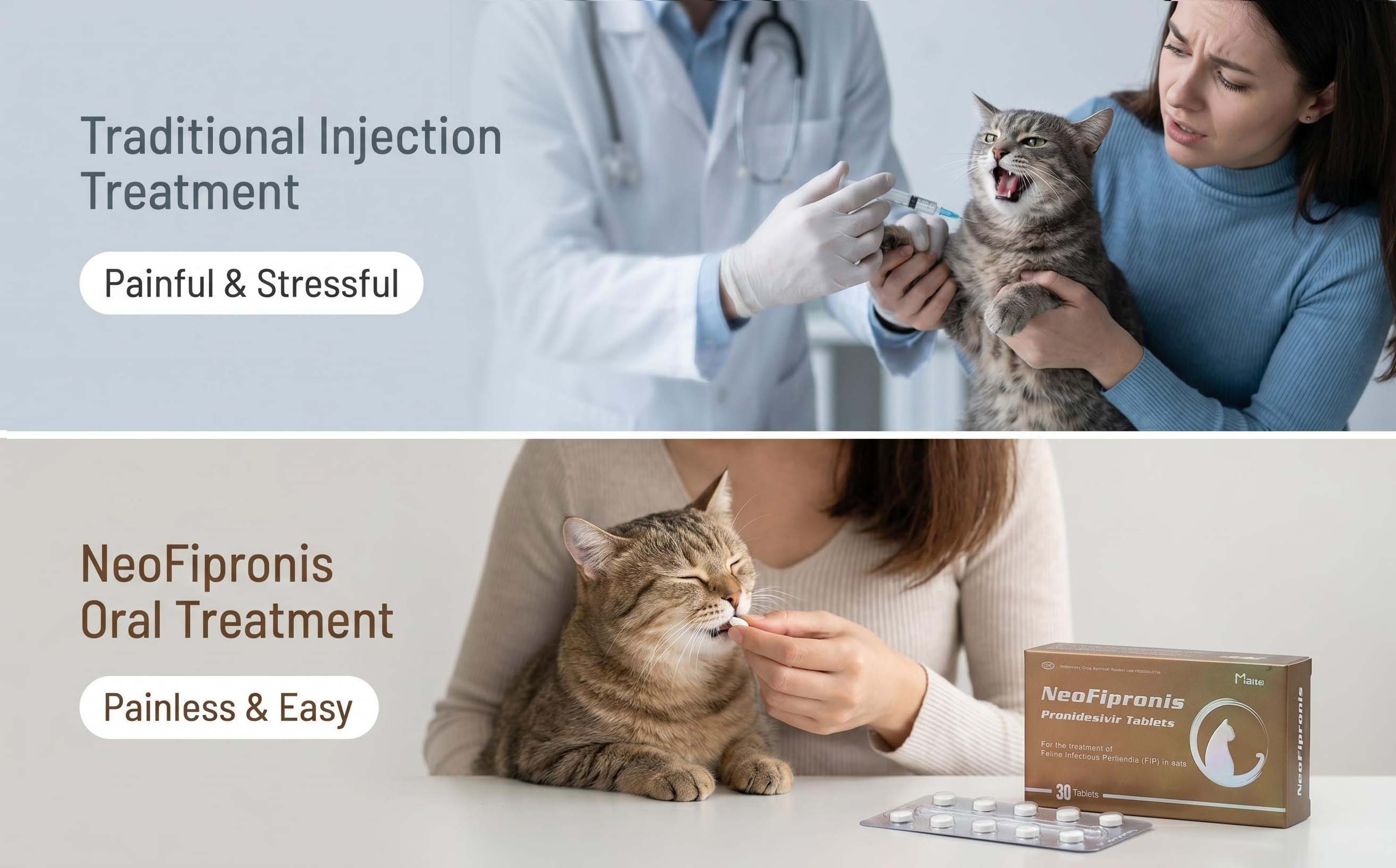
NeoFipronis is characterized by its excellent bioavailability, rapid absorption, and minimal side effects. It is suitable for use across different feline populations, including those with neurological or ocular FIP, where dose adjustments are often necessary. The medication comes in easy-to-administer formulations, designed to enhance compliance and ensure consistent viral suppression.
Administration and Dosage
The dosage of NeoFipronis is primarily determined by the cat's weight. The standard recommended dose is 15 mg per kilogram of body weight, which equates to half a tablet for every kilogram. For cats with neurological or ocular FIP, veterinarians may prescribe an increased dose, up to 30 mg/kg, to improve therapeutic outcomes. It is critical to follow veterinarian instructions precisely when adjusting dosages for complex cases.
Administer NeoFipronis once daily, ideally on an empty stomach—either one hour before a meal or two hours after. Consistency in timing helps optimize drug absorption and efficacy. The course of treatment should be maintained continuously for at least 12 weeks, with no missed doses. Interruptions in therapy can reduce treatment success and lead to viral resistance.
Monitoring and Precautions
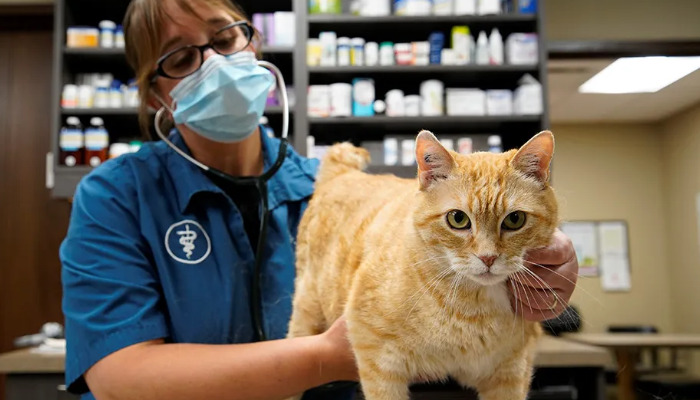
During treatment, close monitoring of the cat's clinical signs is essential. Owners and veterinarians should observe changes in appetite, body temperature, activity levels, and overall mental state. Regular blood tests are recommended to assess liver and kidney functions, as well as hematological parameters. Such monitoring helps detect any adverse reactions early and ensures ongoing medication safety.
While NeoFipronis is classified as an over-the-counter medication, veterinary guidance is strongly advised for optimal results and safety. The medication is intended solely for feline use. Human consumption is strictly prohibited due to potential toxicity and species-specific effects.
Safety and Quality Assurance
To ensure the authenticity and quality of NeoFipronis, buyers should only purchase through official NeoFipronis websites or authorized veterinary distributors. Counterfeit products may lack proven efficacy and could pose health risks. NeoFipronis is well-tolerated by most cats, with minimal side effects reported. Some cats may experience mild gastrointestinal discomfort or transient changes in activity but these are generally reversible with dose adjustments or supportive care.
Final Notes
NeoFipronis (Pronidesivir) offers a significant breakthrough in feline antiviral therapy. Its simple dosing schedule, proven effectiveness, and safety profile make it a compelling choice for veterinarians and cat owners battling FIP. Adherence to the recommended treatment protocol, regular monitoring, and professional supervision are critical to maximizing recovery chances and improving quality of life for affected cats. Always consult with a licensed veterinarian before initiating therapy to tailor treatment plans to individual feline needs.
Where to Buy
For genuine NeoFipronis products, visit the official NeoFipronis website or authorized veterinary outlets. Ensuring product authenticity is crucial to achieving the best therapeutic outcomes and maintaining feline health.