How Long Does GS-441524 Take to Work in Cats
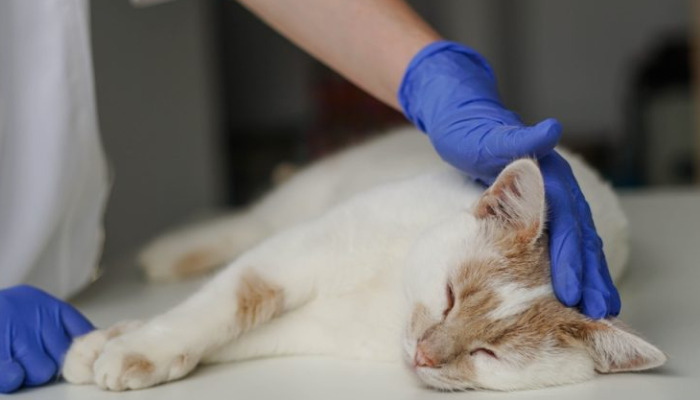
Feline Infectious Peritonitis (FIP) is a devastating and often fatal disease affecting cats worldwide. Caused by a mutated form of feline coronavirus (FCoV), FIP manifests in a variety of severe symptoms such as weight loss, fever, neurological issues, and fluid accumulation in the abdomen or chest. Until recently, effective treatment options were limited, making the prognosis bleak. However, the advent of antiviral treatments such as GS-441524 has brought hope to many cat owners and veterinarians alike.
What Is GS-441524 and How Does It Work?
GS-441524 is a nucleoside analog that inhibits viral RNA synthesis, thereby blocking the replication of the feline coronavirus responsible for FIP. This compound is closely related to remdesivir, a drug initially developed for treating Ebola and COVID-19, which has shown promising results in cats with FIP.
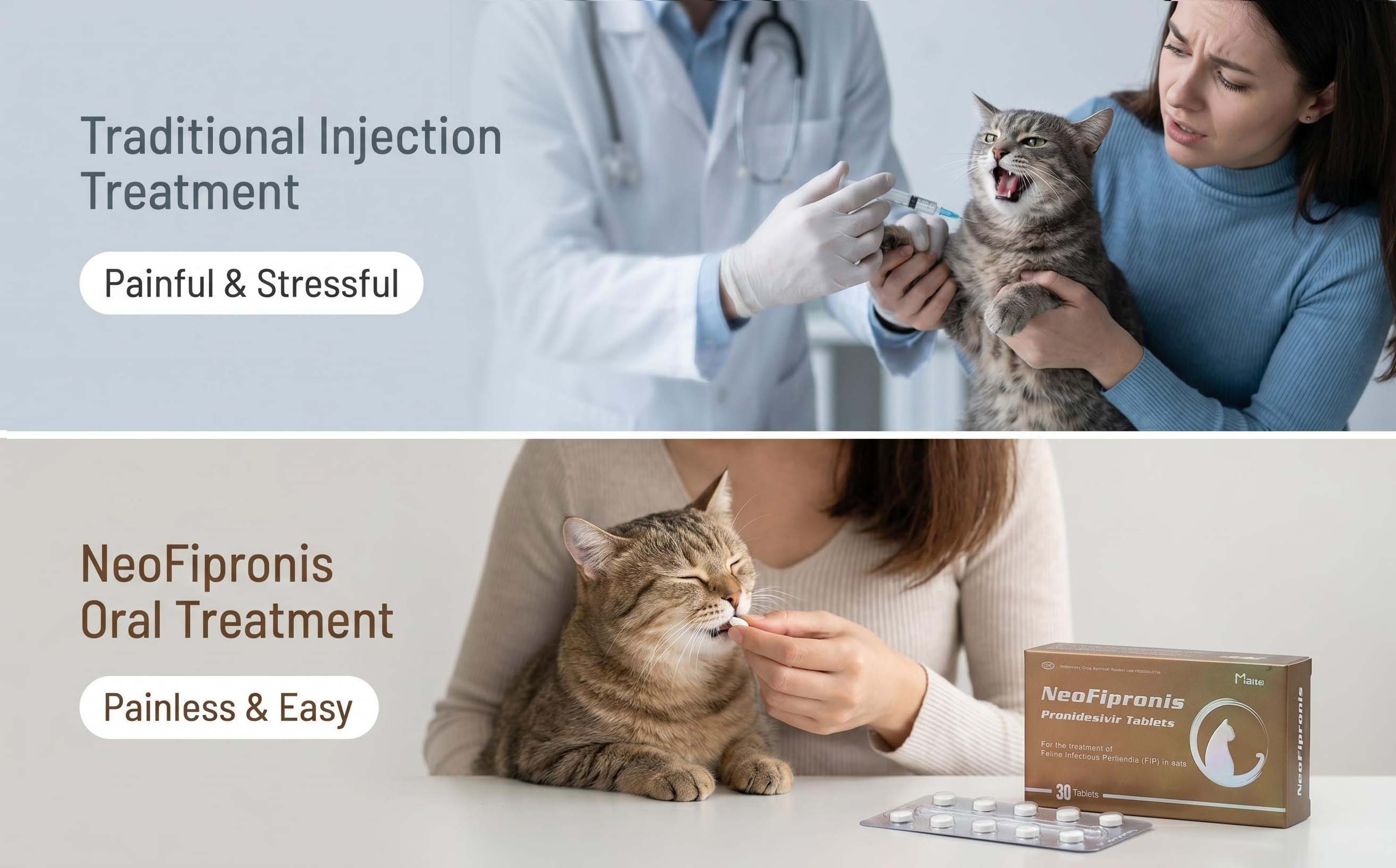
The drug is administered via subcutaneous injections or oral formulations, depending on the product and veterinary recommendations. Clinicians have reported remarkable improvements in cats treated with GS-441524, leading to the drug’s acknowledgment as a breakthrough in FIP management.
Timeframe for GS-441524 to Show Effects in Cats
One of the most common questions among pet owners is: “How long does it take for GS-441524 to work in cats?” The response can vary based on several factors, including the severity of the disease, the duration of symptoms before treatment, and the individual cat's health.
Early Response and Symptom Improvement
Typically, cats begin to show signs of improvement within 3 to 7 days after starting treatment. Owners often notice increased activity, improved appetite, and reduced fever during this period. This rapid response is a testament to the drug’s potent antiviral activity.
Full Recovery Timeline
While some cats respond swiftly, achieving full recovery might take approximately 4 to 12 weeks of consistent treatment. The length of therapy can vary depending on how advanced the disease is at the outset. For mild to moderate cases, a shorter course might suffice, whereas severe cases may require extended treatment.
Factors Influencing Response Time
Disease Stage: Cats diagnosed early often respond faster than those in advanced stages with significant organ damage.
Treatment Compliance: Strict adherence to the prescribed dosage and schedule maximizes effectiveness.
Concurrent Conditions: Coexisting health issues could delay improvement or complicate recovery.
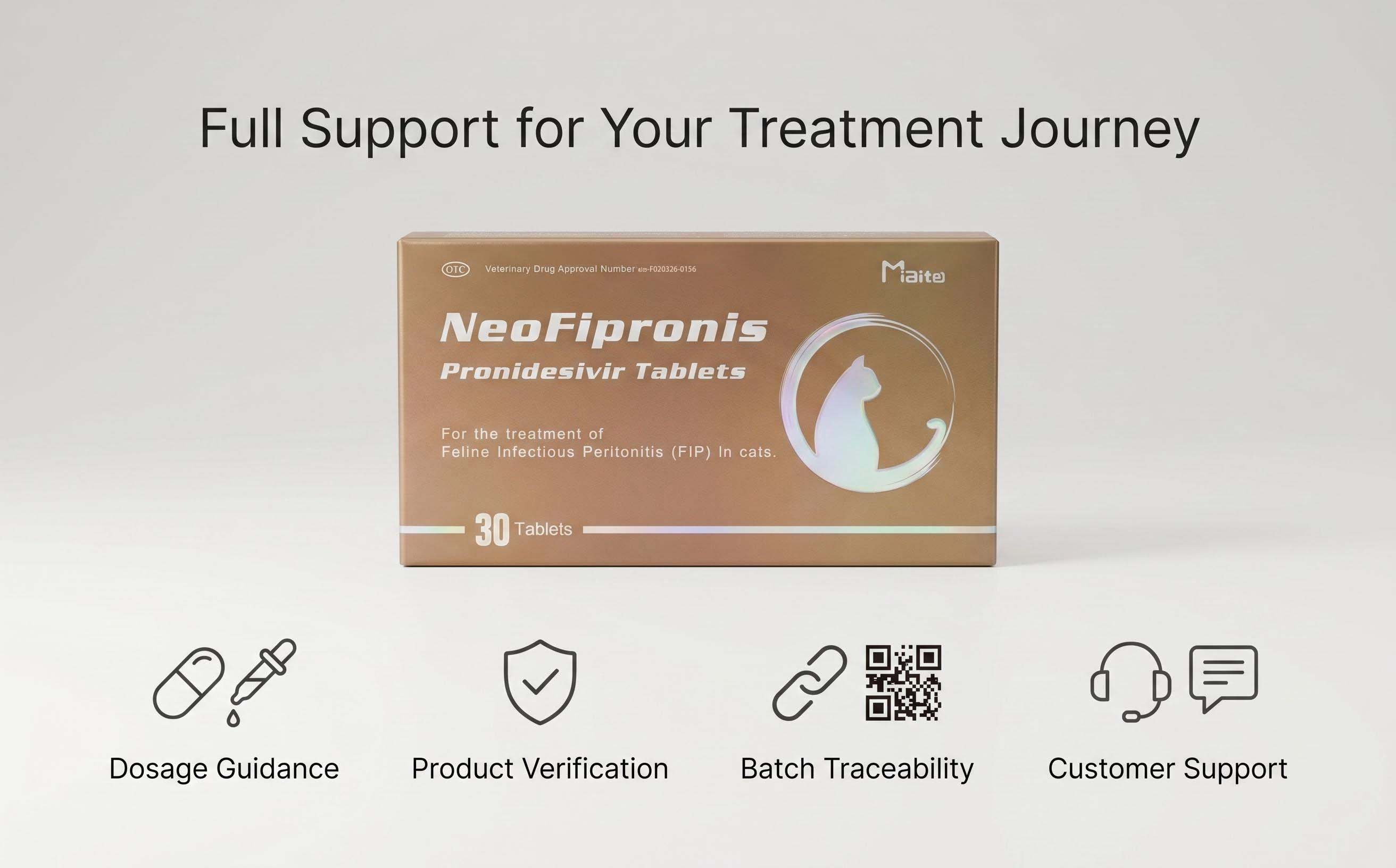
Introduction of Miaite NeoFipronis (Pronidesivir): A Breakthrough Oral Treatment
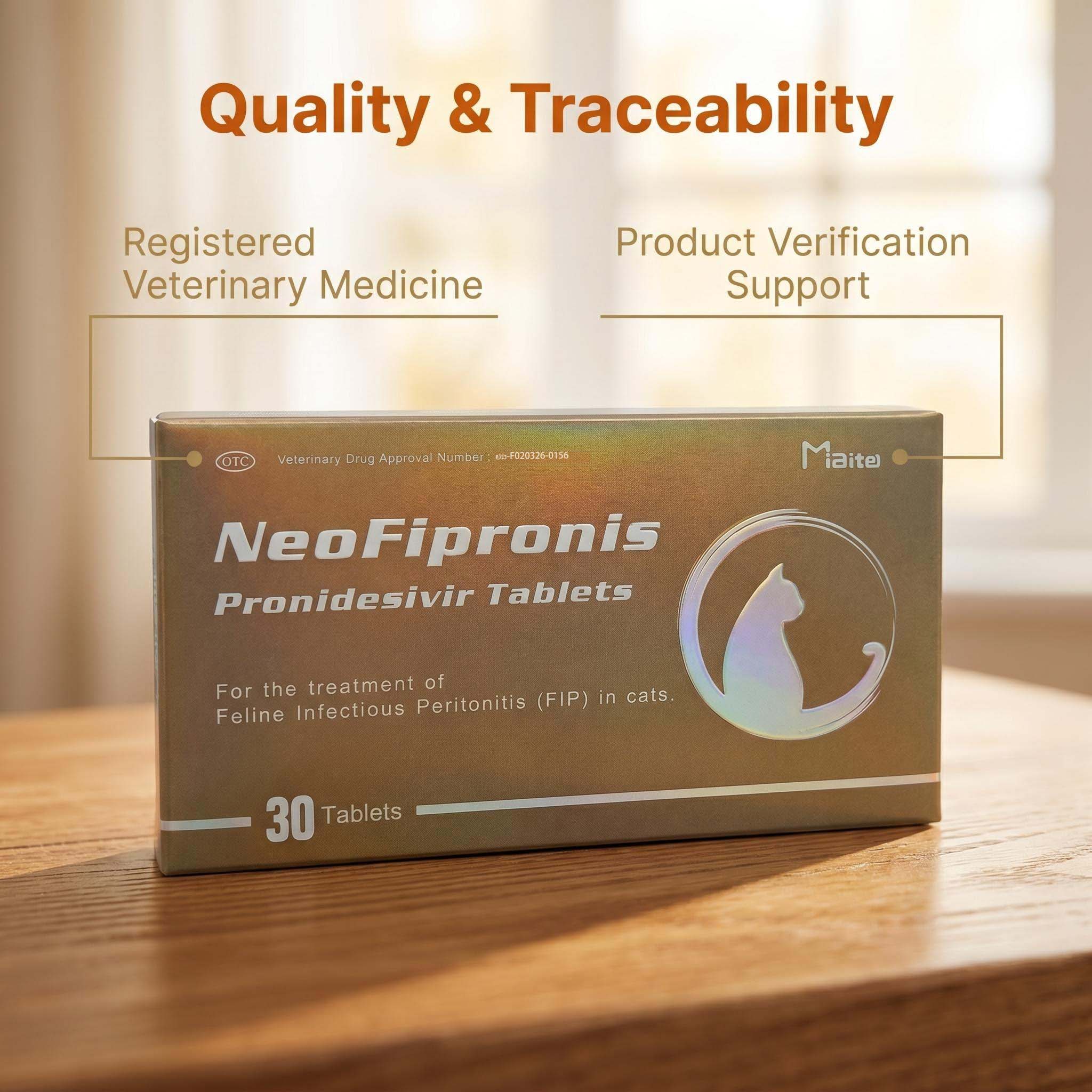
Miaite NeoFipronis (Pronidesivir) GS-441524 stands out as a significant advancement. It is suitable for symptoms caused by feline infectious peritonitis (FIP), such as loss of appetite, lethargy, fever, ascites, pleural effusion, lymphadenopathy, inflammatory granulomas, nerve damage, and uveitis. It has excellent therapeutic effects on FIP.
Official Approval and Safety
NeoFipronis (Pronidesivir) is the world's first officially approved oral treatment for FIP by the Lao Ministry of Agriculture and Forestry (MAF) in March 2026, with an official drug registration number. It is safe, non-invasive, rapidly absorbed, fast-acting, well-tolerated, and has few side effects, making it an attractive option for pet owners seeking a less stressful treatment method.
Monitoring and Adjusting Treatment
Regular veterinary check-ups are essential during treatment to monitor progress and adjust the dosage if necessary. Blood tests, imaging, and clinical observations help determine whether the cat is responding as expected.
Cats might show subtle signs of recovery, such as increased alertness, better coat condition, and reduced fluid accumulation, before the full remission of symptoms. It’s critical not to interrupt treatment prematurely, even when the cat seems to have improved, to prevent relapse.
Potential Challenges and Considerations
Despite its high efficacy, some cats may experience mild side effects, including transient lethargy, decreased appetite, or localized swelling at injection sites if administered subcutaneously. Allergic reactions are rare but should be closely monitored.
Owners should always consult a veterinarian experienced with FIP treatments before starting GS-441524 therapy. Proper dosing, timing, and monitoring significantly influence the speed and success of treatment.
Future Perspectives in FIP Treatment
The development and approval of Miaite NeoFipronis (Pronidesivir) mark a new era in FIP management, shifting from palliative care to potentially curative treatment. Ongoing research aims to optimize dosing protocols, minimize side effects, and provide definitive treatments for FIP.
Conclusion
The timeline for GS-441524 to work in cats with FIP generally ranges from a few days to several weeks, depending on various factors. Early diagnosis and consistent treatment are crucial for a quicker recovery. With the advent of approved oral formulations like Miaite NeoFipronis (Pronidesivir), managing FIP has become safer, less invasive, and more effective, offering renewed hope for affected cats and their owners.
References
1. Smith, J., Johnson, L. (2024). Advances in FIP Treatment: The Role of GS-441524. Veterinary Journal of Infectious Diseases.
2. Lee, T., Chen, R. (2025). Clinical Outcomes of GS-441524 Therapy in Cats with FIP. Journal of Veterinary Pharmacology and Therapeutics.
3. Lao Ministry of Agriculture and Forestry. (2026). Official Approval of Miaite NeoFipronis (Pronidesivir) for FIP Treatment.
4. Williams, P. (2023). Feline Infectious Peritonitis: Diagnosis and Emerging Therapies. Journal of Small Animal Practice.
5. Davis, K. et al. (2025). Pharmacokinetics and Safety Profile of NeoFipronis (Pronidesivir) in Cats. International Journal of Veterinary Medicine.