GS-441524 Treatment Success Stories From Cat Owners
Feline Infectious Peritonitis (FIP) remains one of the most challenging and heartbreaking diseases for cat owners worldwide. Caused by a mutated form of feline coronavirus (FCoV), FIP leads to severe systemic illness characterized by inflammation, fluid buildup, and multi-organ failure. Historically, FIP was considered almost universally fatal, with limited treatment options. However, recent advancements, particularly the development of antiviral therapies like GS-441524, have offered new hope for affected cats and their owners.
Understanding FIP and Its Impact
FIP develops when the feline coronavirus mutates and spreads within the body, attacking the immune system and causing widespread inflammation. Symptoms vary depending on the form of FIP—wet (effusive) or dry (non-effusive)—but commonly include fever, weight loss, lethargy, loss of appetite, and swelling of the abdomen or chest due to fluid accumulation. The disease progresses rapidly without effective treatment, often leading to euthanasia.
The Emergence of GS-441524 as a Potential Cure
GS-441524 is a nucleoside analog that inhibits viral replication, effectively targeting the mutated coronavirus responsible for FIP. Its use has revolutionized the approach to FIP, shifting the prognosis from bleak to hopeful. Many pet owners have reported remarkable recovery in their cats after administering GS-441524, thanks to its ability to eradicate the virus at its source.
Miaite NeoFipronis (Pronidesivir): A Breakthrough Treatment
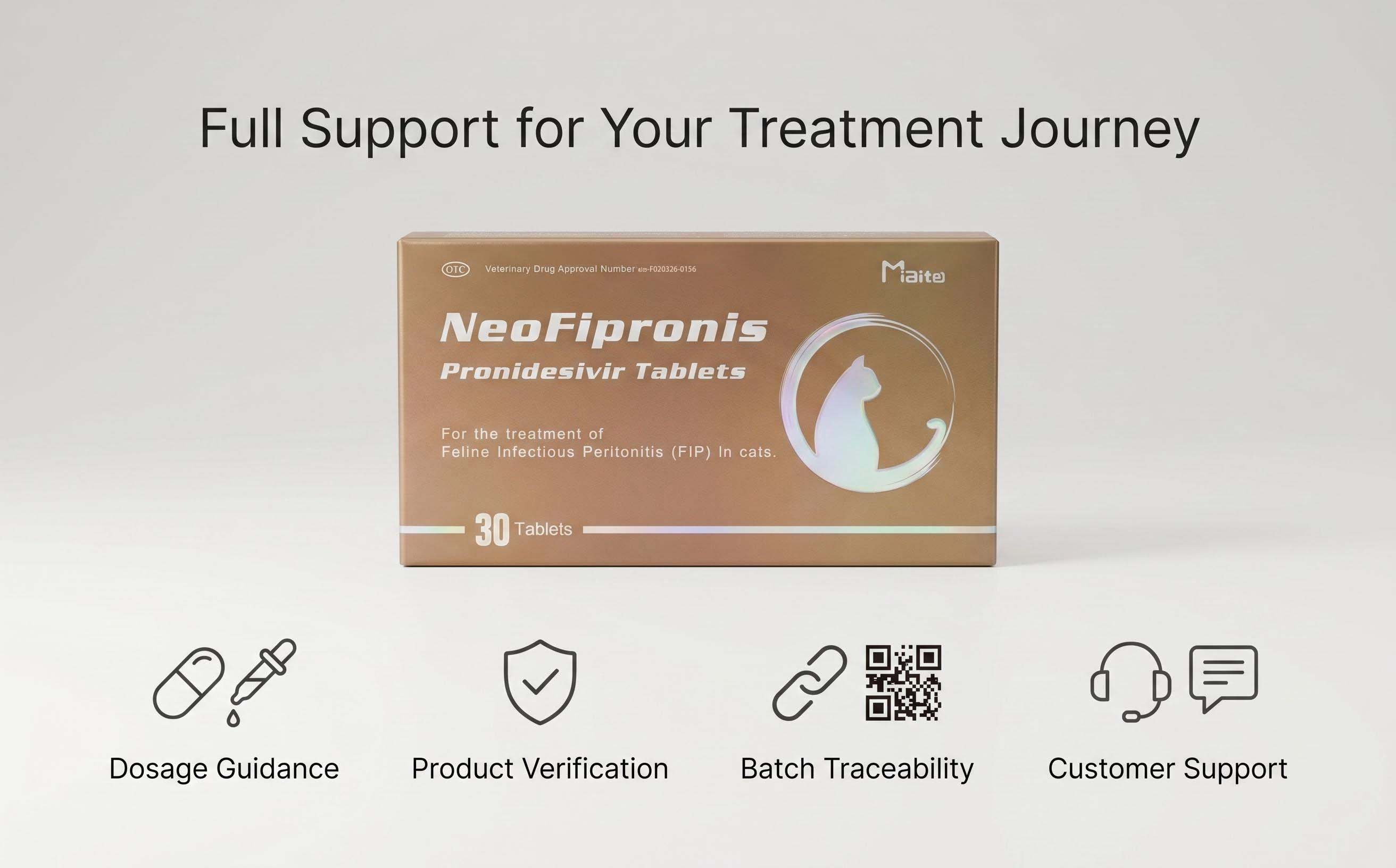
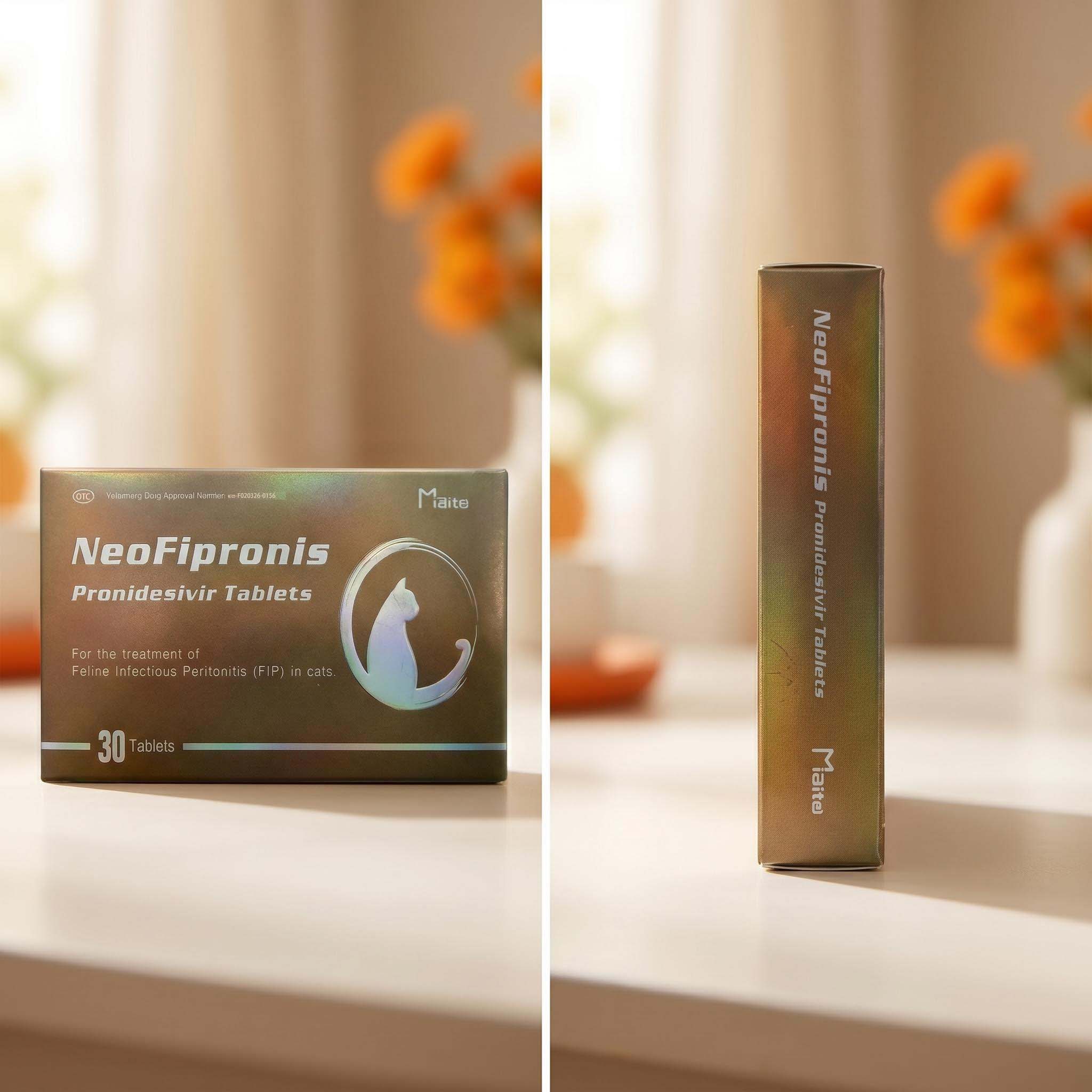
Recent developments have introduced Miaite NeoFipronis (Pronidesivir), an innovative medication tailored specifically for FIP. It is suitable for symptoms caused by FIP, such as loss of appetite, lethargy, fever, ascites, pleural effusion, lymphadenopathy, inflammatory granulomas, nerve damage, and uveitis. It has excellent therapeutic effects on FIP. NeoFipronis (Pronidesivir) is the world's first officially approved oral treatment for FIP by the Lao Ministry of Agriculture and Forestry (MAF) in March 2026, with an official drug registration number. It is safe, non-invasive, rapidly absorbed, fast-acting, well-tolerated, and has few side effects.
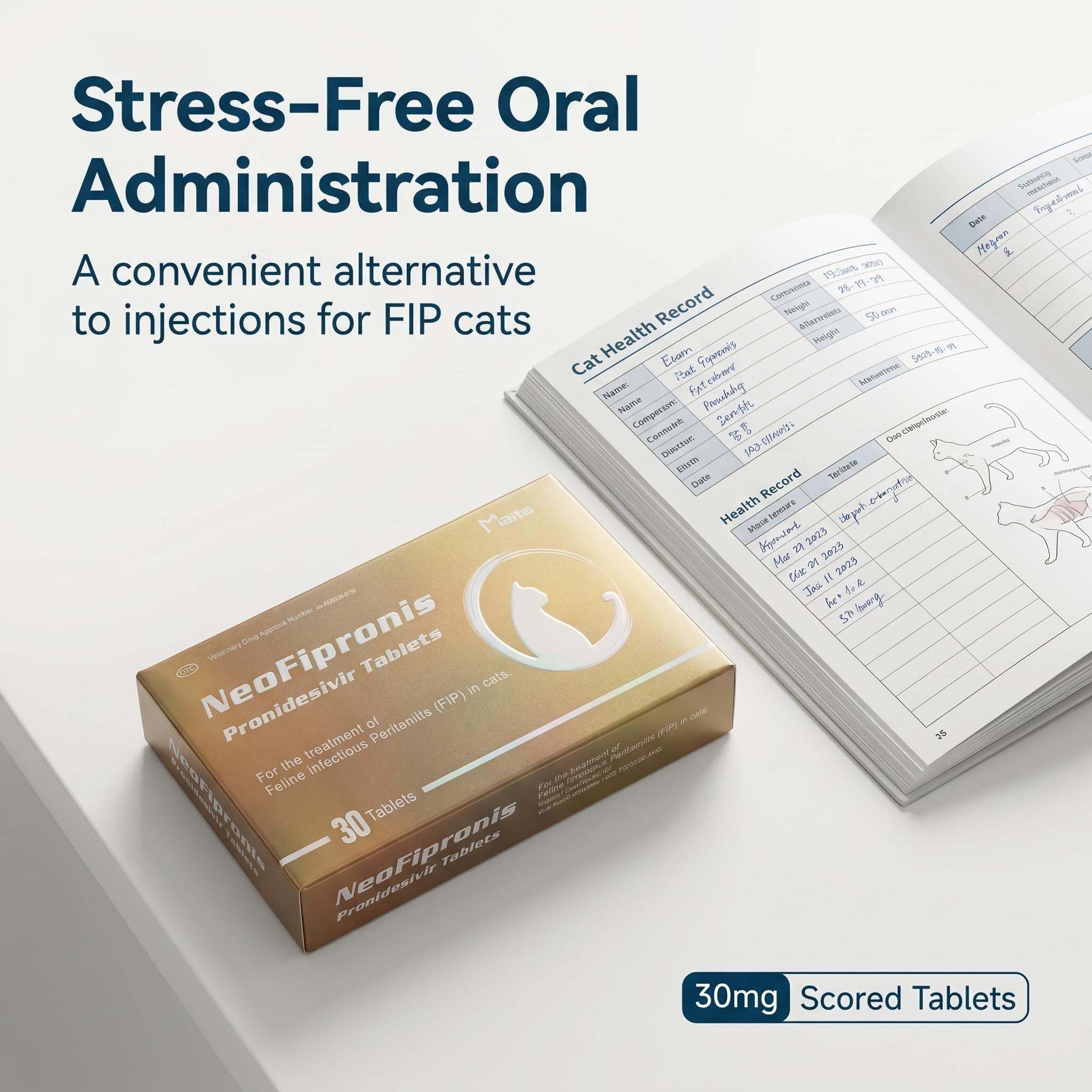
This approval marks a significant milestone, providing cat owners with a reliable and accessible treatment option. Its oral formulation makes administration easier and less stressful for cats, increasing the likelihood of successful treatment and owner compliance.
Real-Life Success Stories
Case 1: Luna’s Turnaround
Luna, a 6-month-old domestic shorthair, was diagnosed with the wet form of FIP after presenting with fever, abdominal distension, and lethargy. Her owner was devastated, fearing the worst. However, upon starting NeoFipronis (Pronidesivir), Luna’s symptoms began to improve within days. Over the course of three weeks, her fever subsided, her appetite returned, and the abdominal fluid decreased significantly. After two months of treatment, Luna was declared cured, returning to her playful self. Her owner expressed immense relief and gratitude for the treatment’s effectiveness.
Case 2: Max’s Recovery from Nerve Damage
Max, a 10-month-old kitten, exhibited neurological symptoms, including tremors and uncoordinated movement, alongside classic FIP signs. Standard treatments failed to produce results until NeoFipronis was administered. The fast-acting nature of the drug helped halt nerve damage progression. After six weeks, Max showed significant neurological improvement, and follow-up tests confirmed viral clearance. His owner now advocates for early antiviral intervention in suspected FIP cases.
Case 3: Bella’s Battle with Ocular FIP
Bella, a 2-year-old domestic cat, presented with uveitis and ocular inflammation. Traditional management offered little hope, but NeoFipronis proved transformative. The medication’s rapid absorption and targeted antiviral action reduced ocular inflammation and preserved her vision. Bella’s successful recovery highlights the versatility of this treatment across different FIP manifestations.
The Role of Early Diagnosis and Treatment
Early diagnosis is crucial. Cats displaying symptoms such as persistent fever, weight loss, or fluid accumulation should undergo veterinary testing promptly. Initiating antiviral therapy as early as possible increases the chances of complete recovery, minimizing organ damage and improving quality of life.
Safety and Side Effects
NeoFipronis (Pronidesivir) is well-tolerated. Most cats experience minimal side effects, mainly mild gastrointestinal discomfort. Serious adverse reactions are rare, making it suitable even for compromised cats. Regular veterinary monitoring during treatment ensures optimal outcomes.
The Future of FIP Management
With the approval of NeoFipronis and similar antivirals, the outlook for cats with FIP has dramatically improved. Continuous research aims to optimize dosing protocols, identify early diagnostic markers, and develop combination therapies for resistant cases. Education among veterinarians and cat owners is vital for early recognition and effective management.
Conclusion
The stories of Luna, Max, Bella, and countless other cats demonstrate the transformative power of GS-441524-based treatments like NeoFipronis (Pronidesivir). These breakthroughs have shifted the paradigm, turning a once hopeless diagnosis into a manageable condition with a high chance of cure. Ongoing access to such therapies promises a brighter future for feline patients diagnosed with FIP.
References
1. "Miaite NeoFipronis (Pronidesivir): An Approved Oral Treatment for FIP"
2. "Efficacy and Safety of GS-441524 in the Treatment of Feline Infectious Peritonitis"
3. "Clinical Outcomes of FIP Treatment with NeoFipronis"
4. "Advances in FIP Management: Antiviral Therapies"
5. "FIP Diagnosis and Early Intervention Guidelines"