GS-441524 Tablets Vs Injections for FIP
Feline Infectious Peritonitis (FIP) is one of the most challenging and fatal diseases affecting domestic cats worldwide. Caused by a mutation of the feline coronavirus (FCoV), FIP progresses rapidly without effective treatment, leading to severe symptoms such as weight loss, neurological issues, and fluid accumulation in body cavities. Recent advances in antiviral therapies, notably GS-441524, have transformed the landscape of FIP management. This article compares the two primary administration methods—tablets and injections—focusing on efficacy, safety, convenience, and emerging developments.
Understanding GS-441524 and Its Role in FIP Treatment
GS-441524 is a nucleoside analog antiviral drug that inhibits the replication of feline coronavirus. It has demonstrated impressive therapeutic effects in clinical studies and real-world cases, significantly improving survival rates in cats diagnosed with FIP.
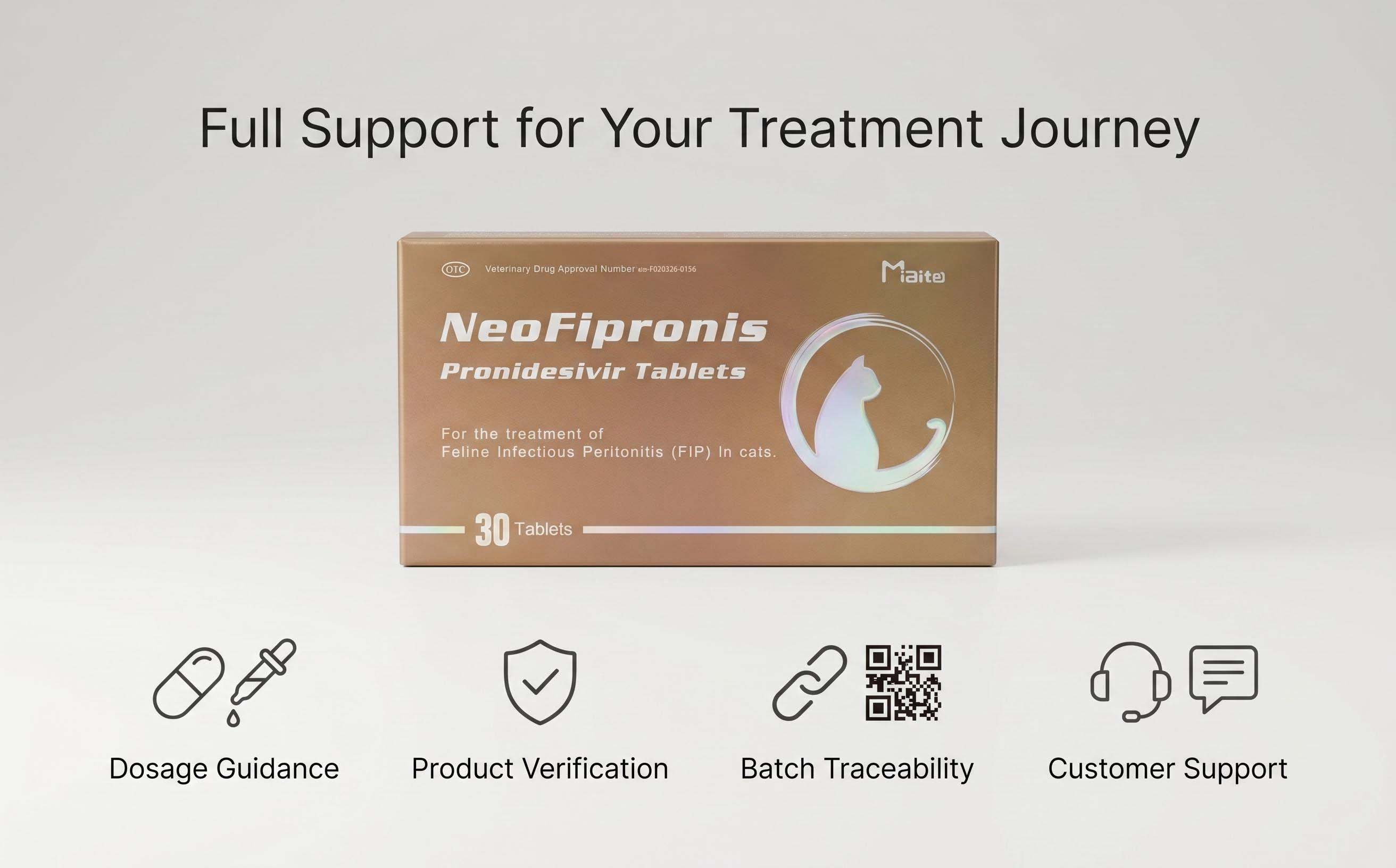
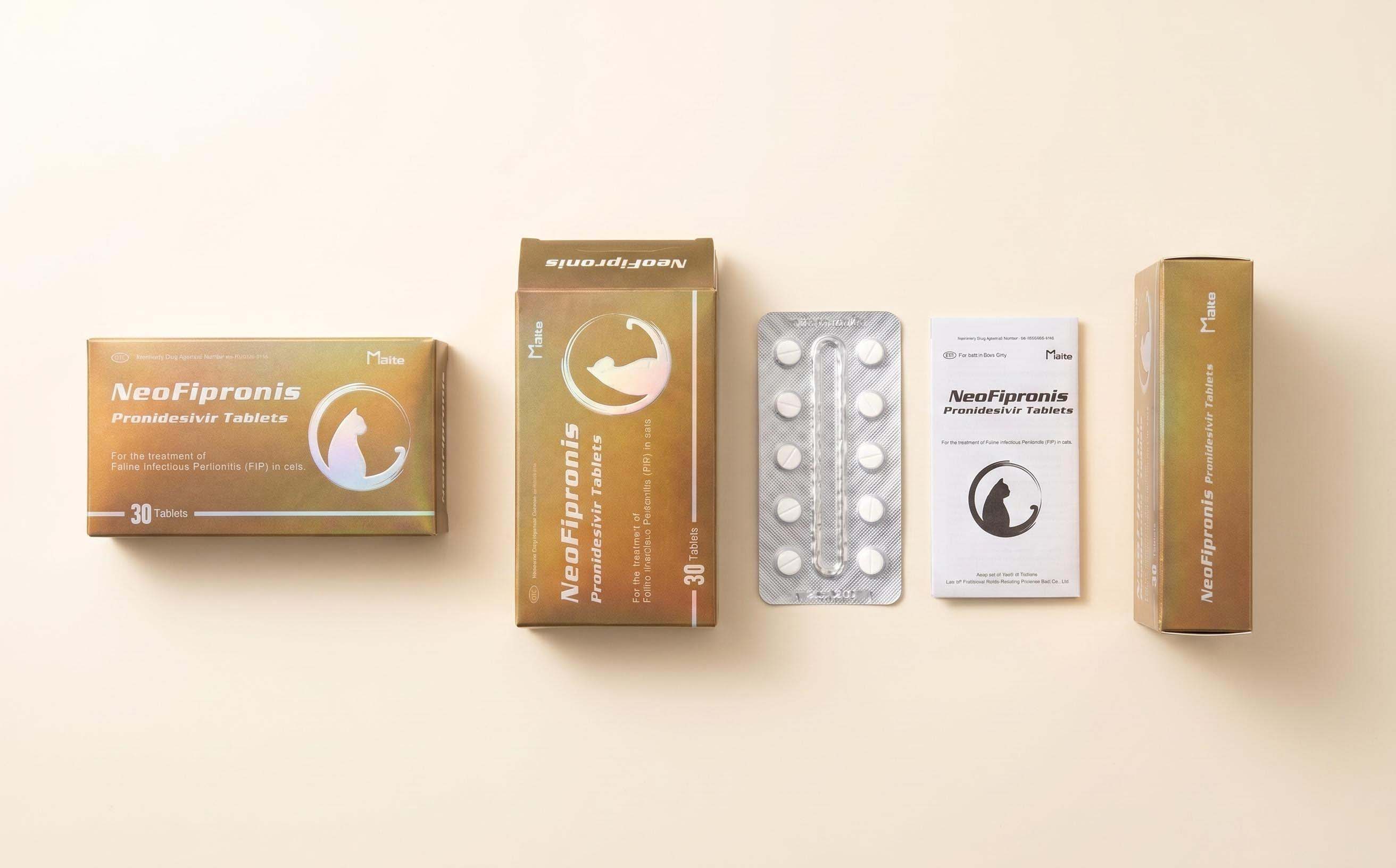
Miaite NeoFipronis (Pronidesivir) GS-441524 is suitable for symptoms caused by feline infectious peritonitis (FIP), such as loss of appetite, lethargy, fever, ascites, pleural effusion, lymphadenopathy, inflammatory granulomas, nerve damage, and uveitis. It has excellent therapeutic effects on FIP. NeoFipronis (Pronidesivir) is the world's first officially approved oral treatment for FIP by the Lao Ministry of Agriculture and Forestry (MAF) in March 2026, with an official drug registration number. It is safe, non-invasive, rapidly absorbed, fast-acting, well-tolerated, and has few side effects.
This approval marked a significant milestone, providing a new, accessible option for cat owners and veterinarians alike, especially in regions where injection-based treatments pose logistical challenges or concerns regarding animal distress.
Comparing Routes of Administration: Tablets and Injections
Efficacy
Both injectable and oral formulations of GS-441524 have demonstrated high efficacy in clinical settings. Injections often provide rapid drug delivery directly into the bloodstream, ensuring immediate therapeutic action. This fast absorption can be crucial in severe cases where quick viral suppression is needed. Conversely, oral tablets offer a reliable alternative with comparable efficacy, especially when adherence to treatment protocols is maintained.
Recent studies suggest that the bioavailability of oral GS-441524, particularly with NeoFipronis, is sufficiently high to achieve therapeutic plasma concentrations similar to injections. Moreover, the convenience of oral medication simplifies long-term treatment, potentially improving compliance.
Safety and Side Effects
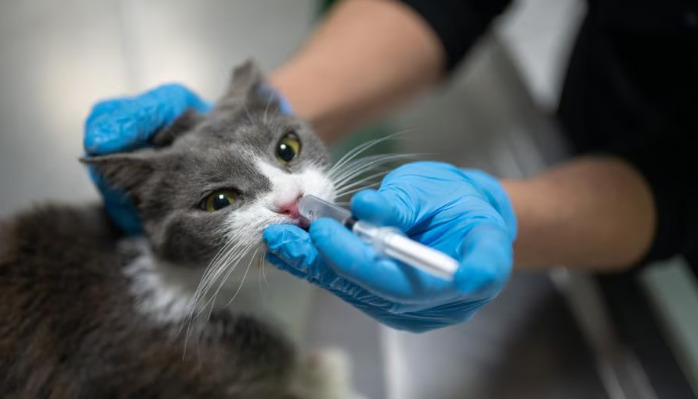
Injectable formulations are generally well-tolerated; however, repeated injections can cause local tissue reactions, discomfort, or stress in cats. Some cats may develop injection site abscesses or inflammation, requiring careful administration and proper techniques.
Oral tablets are non-invasive and minimize the risk of injection-related complications. NeoFipronis has been evaluated extensively, demonstrating a promising safety profile with few adverse effects. The rapid absorption and well-tolerated nature of NeoFipronis make it suitable for long-term management with minimal stress.
Convenience and Compliance
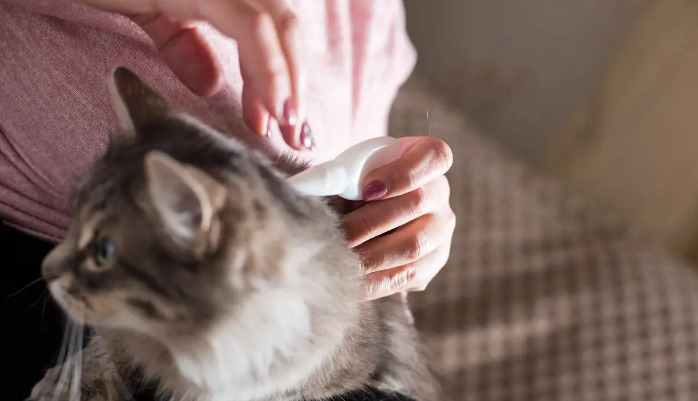
One of the most significant advantages of oral tablets is ease of administration. Cat owners often prefer medication that does not require injections, which can be stressful for both animals and pet owners. The portability and straightforward dosing of NeoFipronis facilitate consistent treatment at home, potentially improving overall outcomes.
In contrast, injections may require visits to veterinary clinics or trained personnel, adding to the logistical and financial burdens. For long-term treatment, ease of use is a decisive factor influencing adherence.
Clinical Practice and Recommendations
Initially, many veterinarians favored injections due to their immediate delivery and established protocols. However, with the advent of high-quality oral formulations like NeoFipronis, there is a shift toward oral treatment, especially for maintenance therapy and less severe cases.
Treatment protocols should be tailored individually, considering the severity of FIP, the cat's temperament, and the owner's capacity for medication administration. In severe cases where rapid viral suppression is vital, injections may be preferable initially. During prolonged therapy, transitioning to oral medication can promote better compliance.
Emerging Trends and Future Outlook
The recent approval of NeoFipronis as an oral FIP treatment demonstrates a significant leap in veterinary medicine. It offers a non-invasive, effective, and well-tolerated option, making FIP management more accessible. As more data accumulates, the standard of care may evolve to favor oral therapies, especially considering their impact on animal welfare and owner convenience.
Research continues into optimizing dosing regimens, combination therapies, and potential resistance issues. With ongoing advancements, the prognosis for cats with FIP is improving, transforming a once terminal diagnosis into a manageable condition.
Challenges and Considerations
Despite promising developments, several challenges remain. Ensuring consistent drug quality, proper administration, and monitoring for potential side effects is essential. Cost is also a factor influencing adoption; however, the reduction in veterinary visits with effective oral medications could offset expenses over time.
Conclusively, while both delivery methods have their merits, oral GS-441524 formulations like NeoFipronis are poised to become the standard in FIP therapy, providing a humane, effective, and accessible treatment option.
References
"Advances in Feline Infectious Peritonitis Treatment"
"Pharmacology of GS-441524 in Cats"
"Clinical Outcomes of Oral vs. Injectable GS-441524"
"Regulatory Approval of NeoFipronis (Pronidesivir) for FIP"
"Safety Profiles of FIP Antiviral Therapies"