GS-441524 Tablets for FIP Cats a Guide for Cat Owners
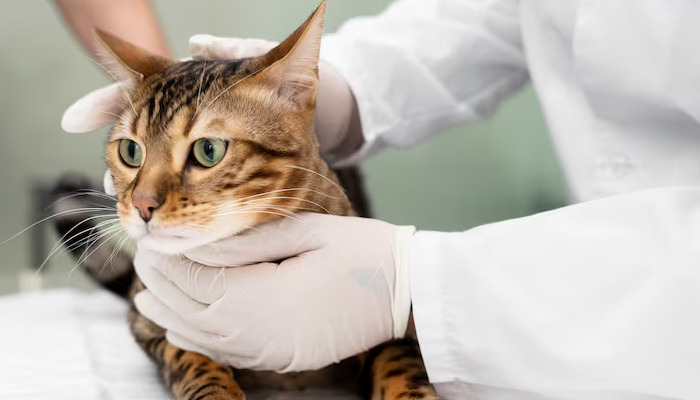
Feline Infectious Peritonitis (FIP) remains one of the most challenging and heartbreaking diseases faced by cat owners worldwide. Caused by a mutated form of the feline coronavirus, FIP can manifest in various debilitating symptoms, often leading to a poor prognosis. However, advances in veterinary medicine have introduced promising treatments, notably GS-441524 tablets, which have shown remarkable efficacy against FIP. This guide aims to provide cat owners with detailed, easy-to-understand information about GS-441524 tablets, their use, benefits, and considerations for managing FIP in cats.
Understanding FIP and Its Impact on Cats
FIP is a complex, often fatal disease affecting cats of all ages but more common in those with compromised immune systems. The disease is characterized by an abnormal immune response to feline coronavirus infection, which can lead to widespread inflammation and fluid accumulation in the abdomen (ascites), chest (pleural effusion), or both.
Clinical signs vary depending on the form of FIP:
Wet (Effusive) FIP: Rapid fluid accumulation, swelling, and difficulty breathing.
Dry (Non-effusive) FIP: Granulomas and inflammatory lesions affecting organs like the liver, kidneys, eyes, and nervous system.
Early symptoms often include loss of appetite, lethargy, fever, and weight loss. Without effective treatment, FIP has historically been considered almost uniformly fatal, making prevention and early intervention crucial.
The Role of GS-441524 in FIP Treatment
GS-441524 is an antiviral drug initially developed for Human Immunodeficiency Virus (HIV) but found to be highly effective against the feline coronavirus responsible for FIP. It works by inhibiting viral replication, thus halting the progression of the disease.
In recent years, oral formulations of GS-441524 have become available, offering a less invasive and more accessible treatment option for cats diagnosed with FIP. These tablets can be administered at home, providing a comfortable and stress-free environment for feline patients.
Introduction of Miaite NeoFipronis (Pronidesivir) GS-441524
Miaite NeoFipronis (Pronidesivir) GS-441524 marks a breakthrough in FIP management. Suitable for symptoms caused by feline infectious peritonitis (FIP), such as loss of appetite, lethargy, fever, ascites, pleural effusion, lymphadenopathy, inflammatory granulomas, nerve damage, and uveitis, NeoFipronis demonstrates excellent therapeutic effects on FIP.
Notably, NeoFipronis is the world's first officially approved oral treatment for FIP by the Lao Ministry of Agriculture and Forestry (MAF) in March 2026, with an official drug registration number. This regulatory approval underscores its safety, efficacy, and regulatory acceptance.
Advantages of NeoFipronis GS-441524 include:
Safe and non-invasive oral administration
Rapid absorption and fast-acting results
Well-tolerated with few side effects
Suitable for use in various stages of FIP
How GS-441524 Tablets Work
The mechanism behind GS-441524 involves inhibiting the RNA-dependent RNA polymerase enzyme critical for viral replication. By blocking this enzyme, the drug effectively stops the virus from multiplying within the cat's body, allowing the immune system to recover and fight off the infection.
Administered orally, GS-441524 tablets are absorbed quickly, reaching therapeutic levels in the bloodstream. The typical treatment course varies depending on the severity of the disease but often ranges from 12 to 16 weeks.
Treatment Protocols and Dosage
While specific dosages should always be prescribed by a veterinarian familiar with FIP treatment, general guidelines suggest:
Initial dosage: 2.0 mg/kg once daily
Treatment duration: 12–16 weeks, depending on response
Monitoring: Regular veterinary check-ups, blood work, and clinical assessments
Owners should strictly follow the dosage instructions provided by their veterinarian to maximize effectiveness and minimize side effects. Consistency in administration is crucial for successful outcomes.
Monitoring and Managing FIP
Regular veterinary supervision helps track the disease's progression and the treatment response. Upon beginning GS-441524 therapy, cats should undergo:
Blood tests to assess organ function
Imaging studies (ultrasound or X-rays) to evaluate fluid accumulation
Eye examinations for ocular conditions such as uveitis
Neurological assessments if nerve damage is suspected
Owners should observe their cats closely for any adverse reactions, such as loss of appetite, vomiting, or behavioral changes, and report these to their veterinarian promptly.
Potential Side Effects and Precautions
While NeoFipronis (Pronidesivir) GS-441524 is generally well-tolerated, some cats may experience mild side effects, including:
Decreased appetite
Mild gastrointestinal upset
Transient lethargy
Rarely, allergic reactions may occur. It is essential to administer the medication under veterinary supervision and report any unusual signs immediately.
Pregnant or nursing cats should consult their veterinarian before starting treatment, as safety data in these cases is limited.
The Future of FIP Treatment
The approval of NeoFipronis GS-441524 signifies a new era where FIP may no longer be considered an inevitable death sentence. Advances in antiviral therapies continue to improve survival rates and quality of life for affected cats.
Owners must stay informed and work closely with veterinary professionals to develop a customized treatment plan. Supportive care, including good nutrition, stress reduction, and parasite control, also plays vital roles in recovery.
Where to Find GS-441524 Tablets
Due to regulatory restrictions, GS-441524 tablets are often obtained through licensed veterinary pharmacies or specialized online sources. It is critical to ensure the authenticity of the medication to guarantee safety and efficacy.
Always consult your veterinarian before purchasing or administering any medication. Self-medicating can be dangerous, and proper veterinary guidance ensures the best outcomes.
Conclusion
GS-441524 tablets, particularly with the advent of Miaite NeoFipronis, offer hope to millions of cat owners battling FIP. Their ease of use, proven effectiveness, and regulatory approval mark a significant milestone in feline medicine. With proper veterinary oversight, many cats can now face FIP with renewed optimism, improving both survival rates and quality of life.
References
1. Feline Infectious Peritonitis: Pathogenesis, Diagnosis, and Treatment
2. Antiviral Therapies in Feline Medicine: GS-441524 and Beyond
3. Regulatory Approvals of NeoFipronis (Pronidesivir) GS-441524 for FIP
4. Clinical Management of FIP in Cats: Treatment Protocols and Monitoring
5. Advances in FIP Research: From Experimental Drugs to Approved Treatments