
Oral FIP Treatment Vs Injections What Is the Difference
Feline Infectious Peritonitis (FIP) is a devastating disease caused by certain strains of the feline coronavirus. It predominantly affects young cats or those with weakened immune systems, leading to severe health issues that can be fatal if not treated promptly. Traditionally, FIP has been considered untreatable, but recent advances have revolutionized how veterinarians approach this complex disease. Among these advancements is the development of oral treatments like Miaite NeoFipronis (Pronidesivir) GS-441524, which offer a promising alternative to traditional injection therapies.
Understanding FIP and Its Impact on Cats
FIP arises when a mutated form of feline coronavirus infects immune cells, leading to widespread inflammation in the abdomen or chest. Symptoms often include fever, weight loss, lethargy, loss of appetite, and fluid accumulation in the abdomen or lungs. The severity of symptoms depends on whether the disease manifests in a "wet" (effusive) or "dry" (non-effusive) form.
Traditionally, FIP was considered almost universally fatal, with limited treatment options. Supportive care alone, such as fluid therapy or corticosteroids, provided only palliative relief without addressing the underlying viral infection. However, recent breakthroughs have identified antiviral drugs that can significantly improve clinical outcomes, transforming FIP from a death sentence into a manageable condition.
The Emergence of Antiviral Treatments for FIP
The key development in FIP treatment has been the discovery of nucleoside analogs that inhibit viral replication. GS-441524, a derivative of remdesivir, has shown remarkable efficacy in treating FIP. It works by targeting the viral RNA-dependent RNA polymerase, effectively halting the virus's ability to replicate.
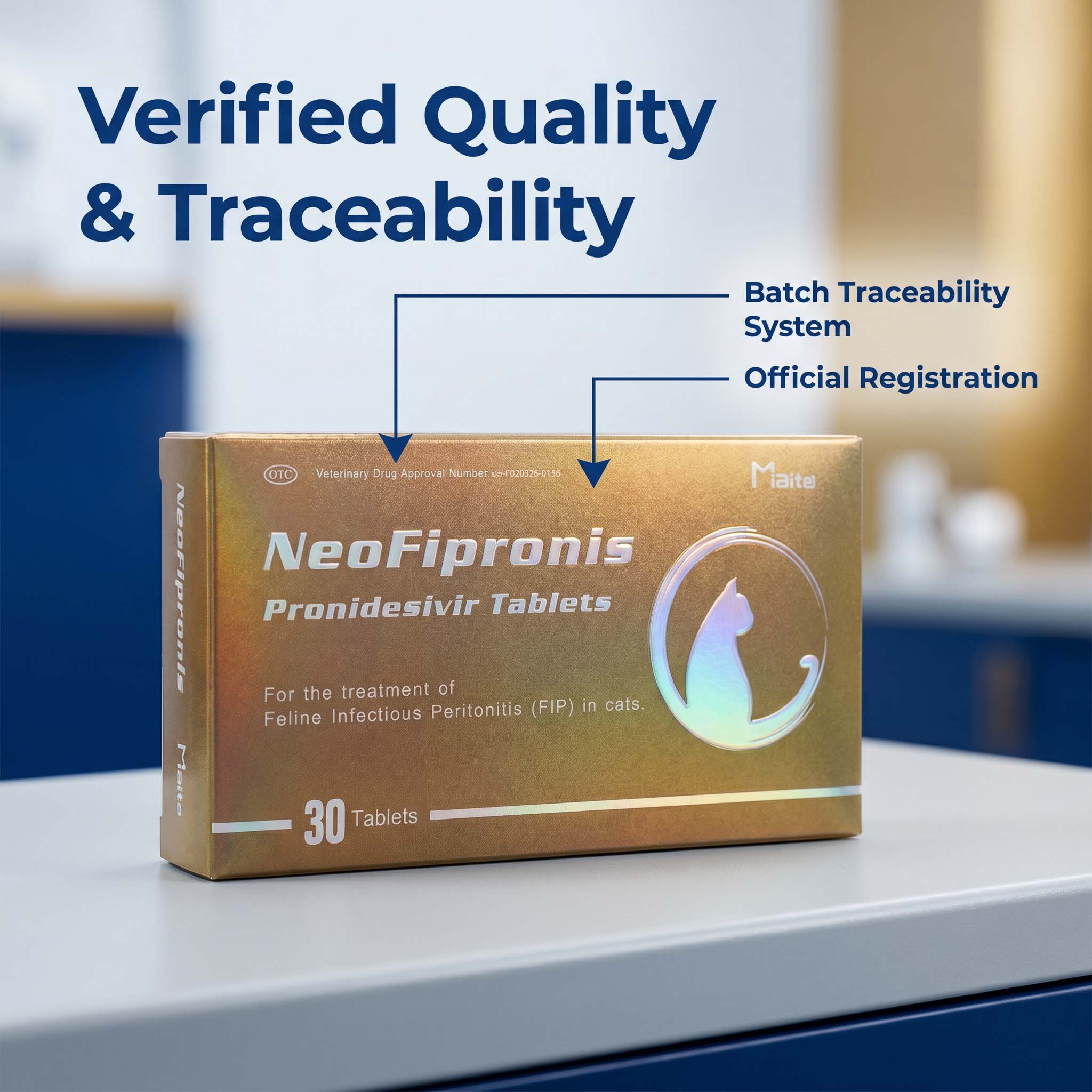
In March 2026, the Lao Ministry of Agriculture and Forestry officially approved Miaite NeoFipronis (Pronidesivir) GS-441524 as the world's first orally administered medication for FIP. This approval marked a significant milestone, providing pet owners and veterinarians with an accessible, non-invasive treatment option.
Oral Treatment vs. Injections: Key Differences
1. Route of Administration
Injections:
Historically, FIP treatment involved subcutaneous or intravenous injections of antiviral medications like GS-441524. While effective, injections can be stressful for cats and labor-intensive for owners and vets. Frequent injections may cause discomfort and pose challenges in administering consistent doses, especially to uncooperative animals.
Oral Treatment:
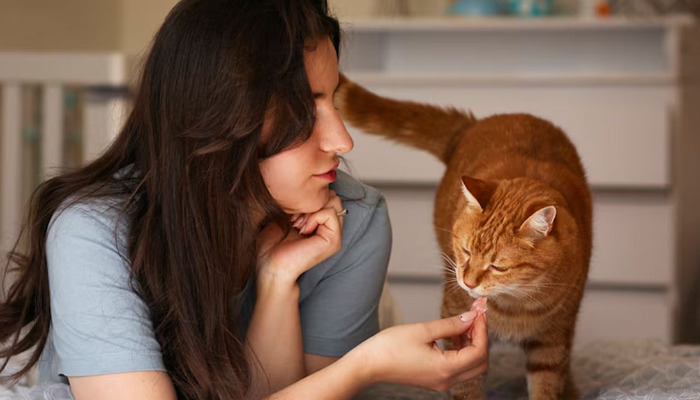
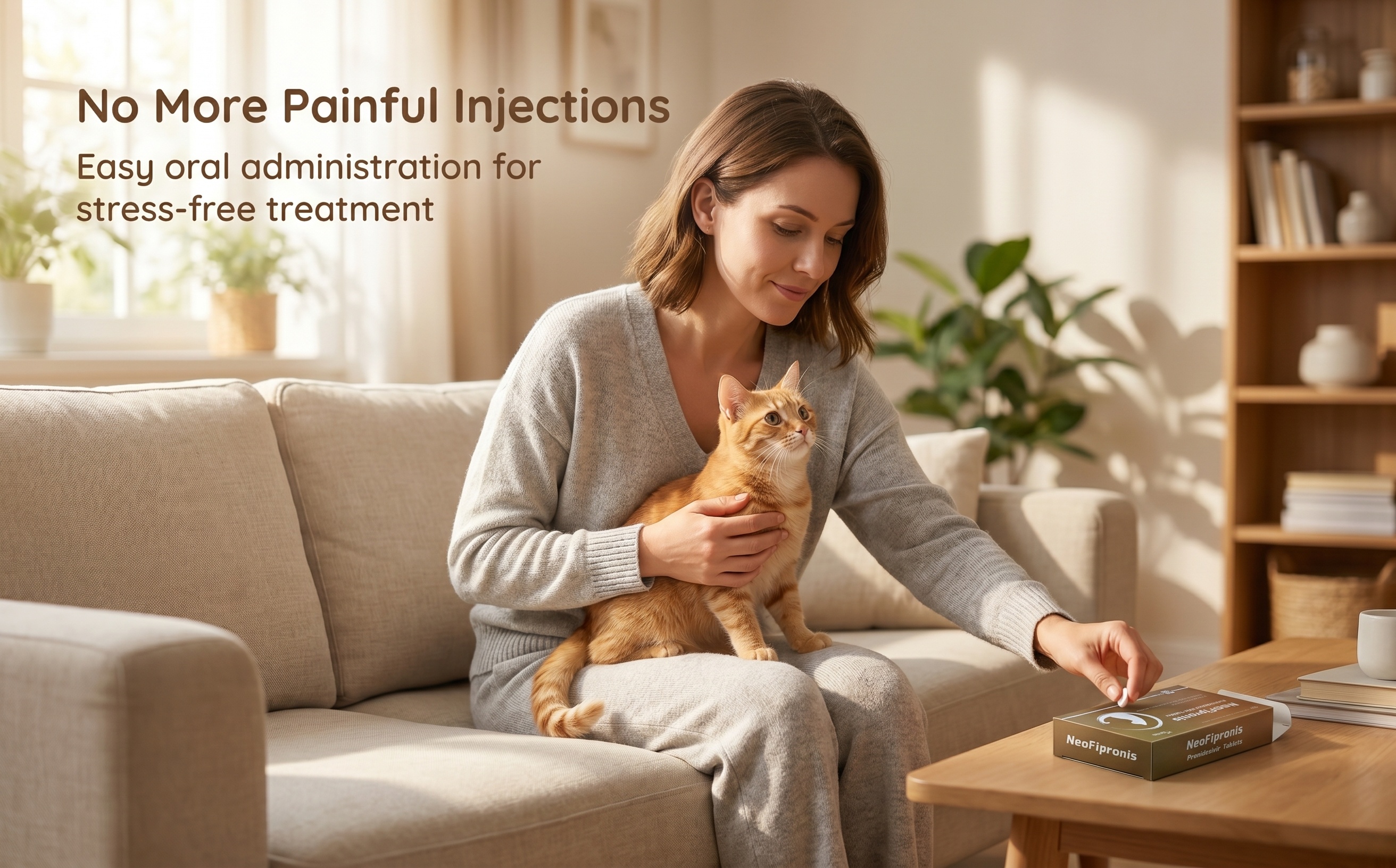
The advent of Miaite NeoFipronis (Pronidesivir) offers a convenient alternative—oral administration. This route involves giving cats medication in a pill, capsule, or liquid form. It is less stressful for the cat and easier for owners to administer regularly, increasing compliance and treatment adherence.
2. Safety and Tolerance
Injections:
While effective, injections sometimes cause local tissue reactions, injections site discomfort, or infections if not administered properly. The invasiveness also raises concerns about needle-related stress and potential for injury.
Oral Treatment:
NeoFipronis is noted for being safe, non-invasive, rapidly absorbed, and well tolerated. Its formulation ensures minimal side effects, making it suitable for long-term therapy, especially in less cooperative cats.
3. Absorption and Onset of Action
Injections:
Injected antivirals often have immediate systemic availability, leading to rapid onset of action. This is advantageous in severe cases needing quick viral suppression.
Oral Treatment:
NeoFipronis is rapidly absorbed through the gastrointestinal tract, providing fast therapeutic effects comparable to injections. Its bioavailability has been optimized to ensure effective viral suppression with easy administration.
4. Compliance and Owner Preference
Injections:
Repeated injections can be stressful and may require veterinary visits, increasing treatment costs and emotional strain.
Oral Treatment:
Pill or liquid formulations are more user-friendly, encouraging consistent medication intake. Owners often prefer oral therapy due to the ease and reduced stress involved.
Efficacy of NeoFipronis (Pronidesivir) GS-441524
Miaite NeoFipronis has demonstrated excellent therapeutic effects on FIP. It effectively alleviates symptoms such as loss of appetite, lethargy, fever, ascites, pleural effusion, lymphadenopathy, inflammatory granulomas, nerve damage, and uveitis. Its rapid action helps improve quality of life and survival rates in affected cats.
Being the first officially approved oral FIP treatment, NeoFipronis's safety profile is well-established, with few side effects reported. Its approval by the Lao MAF underscores its reliability and potential to become the new standard in FIP therapy.
Practical Considerations in Treatment
When choosing between oral and injectable treatments, veterinarians consider factors such as disease severity, cat temperament, owner preference, and logistical considerations. While injections might be suitable for rapid stabilization in critical cases, oral medications are ideal for long-term management and maintenance therapy.
Moreover, early diagnosis and prompt initiation of therapy significantly influence treatment success. Regular monitoring through clinical assessment and laboratory tests ensures that the cat responds well to treatment and any adverse effects are promptly addressed.
The Future of FIP Treatment
The approval of Miaite NeoFipronis represents a promising shift towards more humane, accessible, and effective management of FIP. As research continues, combination therapies, personalized dosage regimens, and further oral options are likely to emerge, offering hope to countless cat owners and their beloved pets.
In conclusion, understanding the differences between oral and injectable FIP treatments is crucial for making informed decisions. The advent of safe, effective oral medications like NeoFipronis simplifies the treatment process, reducing stress, enhancing compliance, and improving outcomes for cats afflicted with this once-devastating disease.
References
Feline Infectious Peritonitis: Advances in Diagnosis and Treatment, Journal of Feline Medicine and Surgery
GS-441524 and Its Efficacy in FIP Treatment, Veterinary Pharmacology Journal
Oral Antivirals for FIP: A New Era in Veterinary Medicine, International Journal of Veterinary Science
Miaite NeoFipronis (Pronidesivir) GS-441524 Approval and Safety Data, Lao Ministry of Agriculture and Forestry Reports