GS-441524 Oral Tablets for Cats Understanding FIP Treatment

Feline Infectious Peritonitis (FIP) is a severe, often fatal disease affecting domestic cats. Caused by a mutation in the feline coronavirus (FCoV), FIP has historically been challenging to treat, leading to significant distress among cat owners and veterinarians alike. Recent advancements in antiviral therapies, particularly with the emergence of GS-441524 oral tablets, have opened new avenues for managing this devastating disease. This article explores the therapeutic potential of GS-441524 for cats with FIP, including an overview of related medications, their mechanisms, and recent regulatory approvals.
Understanding Feline Infectious Peritonitis (FIP)
FIP primarily affects young cats or those with compromised immune systems. The virus responsible, a mutated form of feline coronavirus, can infect macrophages, leading to widespread inflammation. FIP manifests in two main forms: wet (effusive) and dry (non-effusive).
Wet FIP presents with fluid accumulation in body cavities like the abdomen (ascites) or thorax (pleural effusion).
Dry FIP involves granulomatous lesions, nodules, and organ inflammation, often accompanied by neurological signs or ocular issues such as uveitis.
Common clinical signs include fever that does not respond to antibiotics, weight loss, lethargy, loss of appetite, and swelling. Historically, FIP prognosis was poor, with many cats succumbing within weeks of diagnosis.
The Emergence of GS-441524 as an Promising Treatment
GS-441524 is a nucleoside analog—an antiviral compound that inhibits viral replication by targeting the RNA-dependent RNA polymerase enzyme essential for FCoV replication. Its effectiveness against FIP has been demonstrated in numerous studies and veterinary case reports.
Mechanism of Action
GS-441524 mimics natural nucleotide building blocks, integrating into viral RNA during replication, causing premature termination. This halts the spread of the virus within the body, allowing the immune system to recover and clear infected cells.
Administration and Dosage
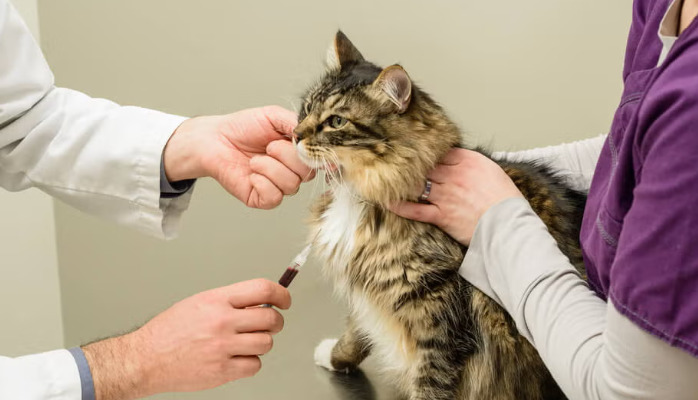
GS-441524 is typically administered via subcutaneous injections. However, recent developments have enabled the production of oral formulations, making treatment more accessible and less stressful for cats and their owners.
GS-441524 Oral Tablets: A Game-Changer
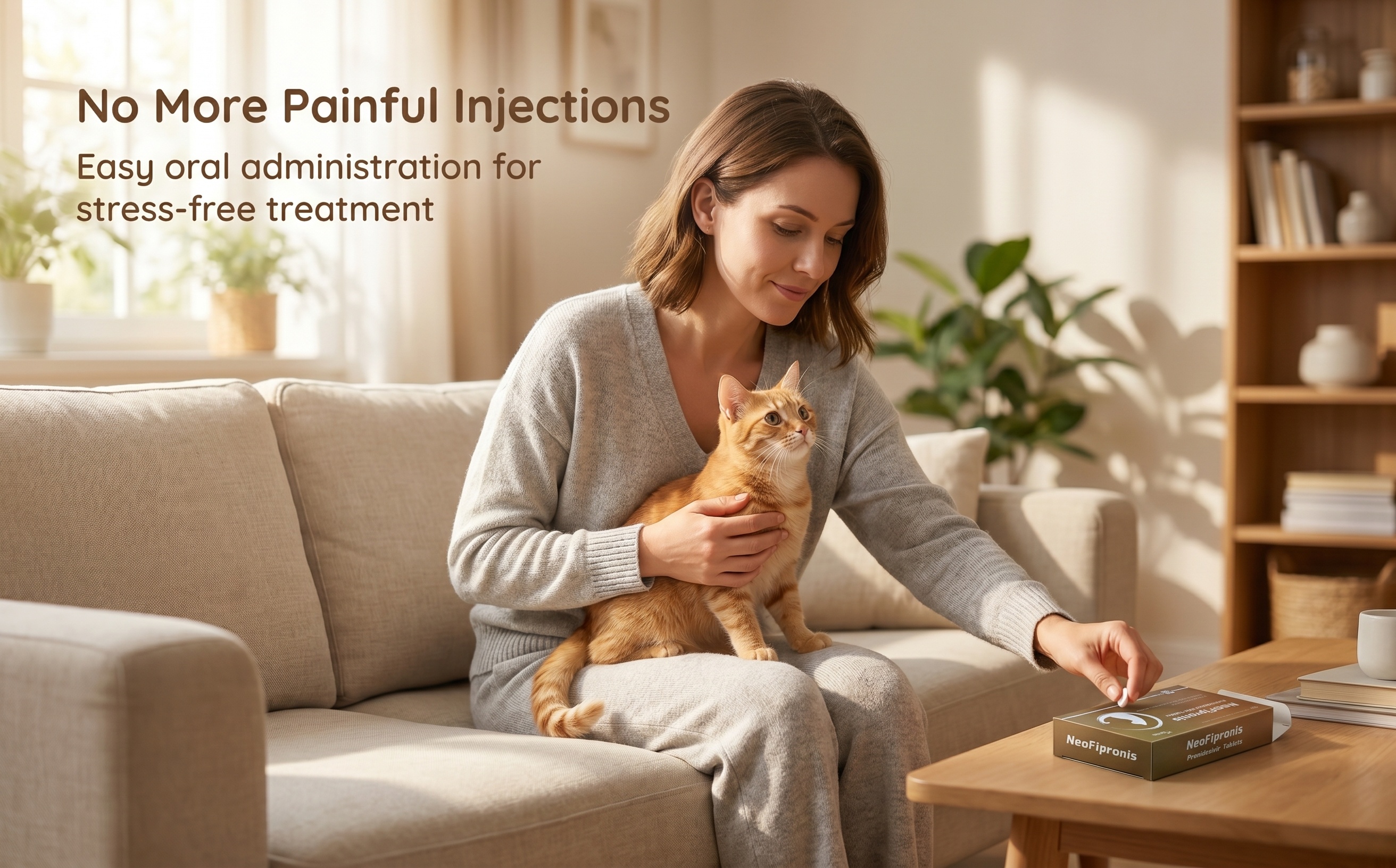
The development of oral tablets containing GS-441524 has significantly improved treatment compliance. Oral administration is less invasive compared to injections, reducing stress and potential complications.
Advantages of Oral Tablets
Ease of administration: Can be given mixed with food or directly into the mouth.
Improved compliance: Easier for pet owners to administer on a daily basis.
Rapid absorption: Ensures quick therapeutic levels in the bloodstream.
Fewer side effects: Well-tolerated with a low incidence of adverse reactions.
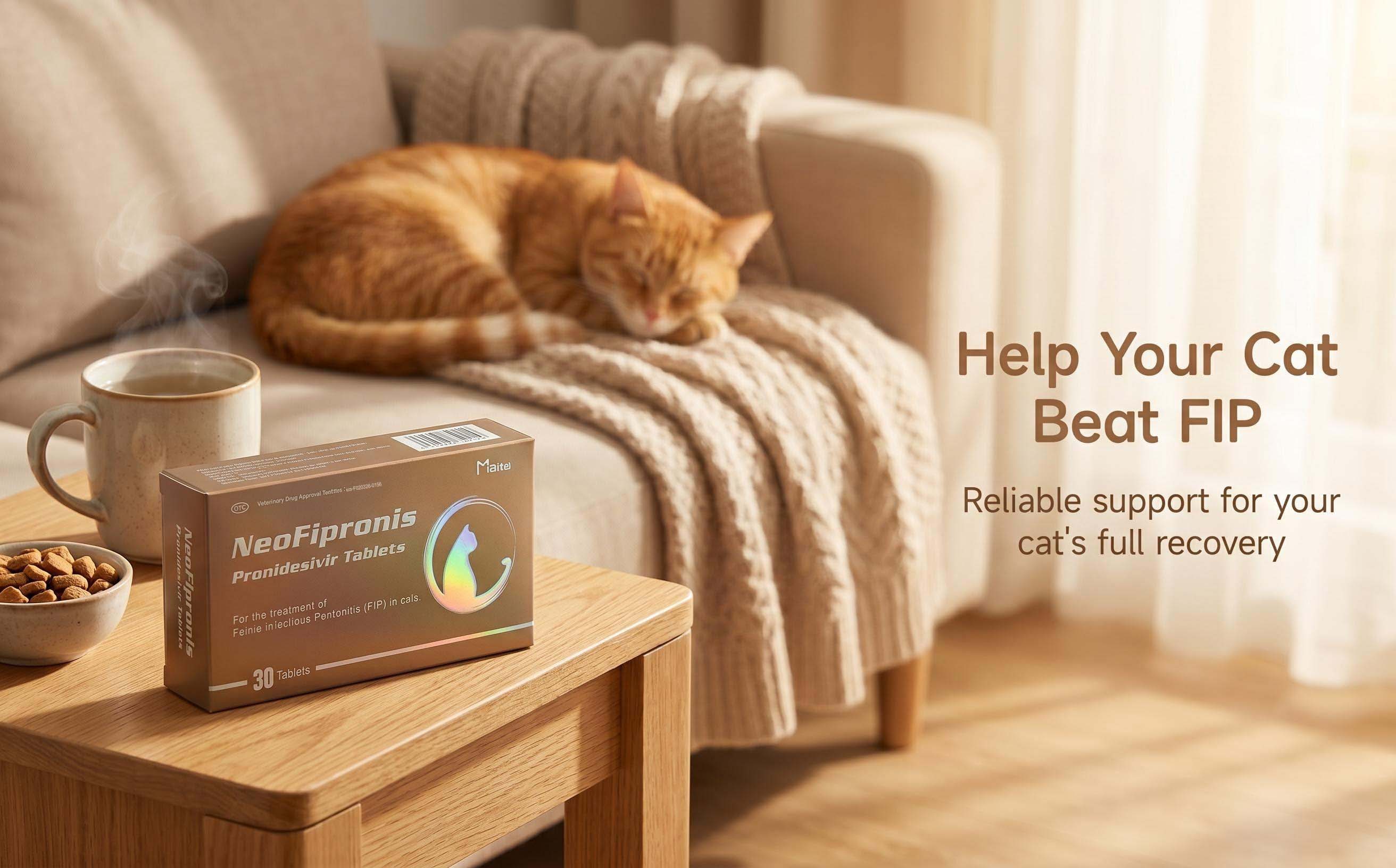
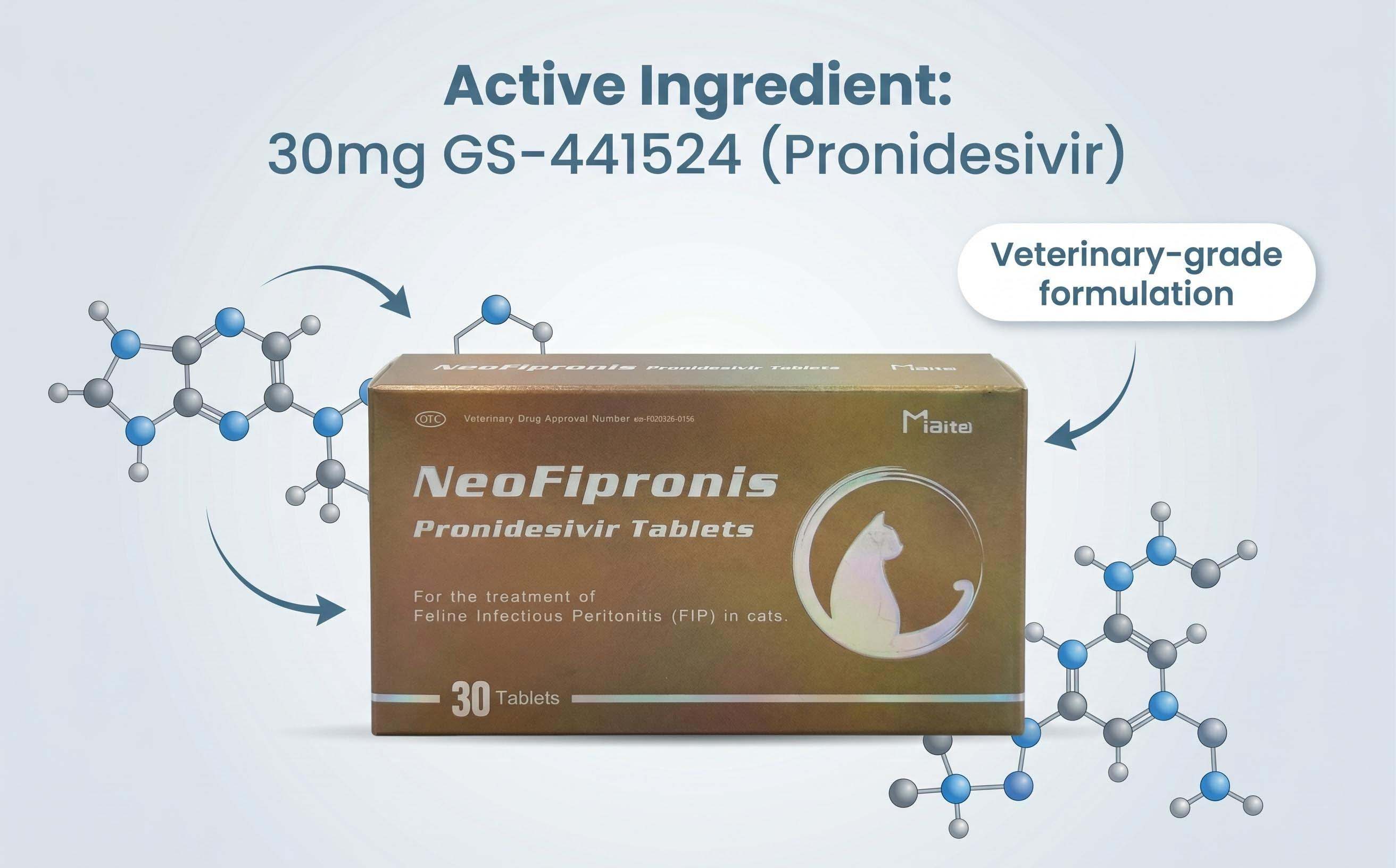
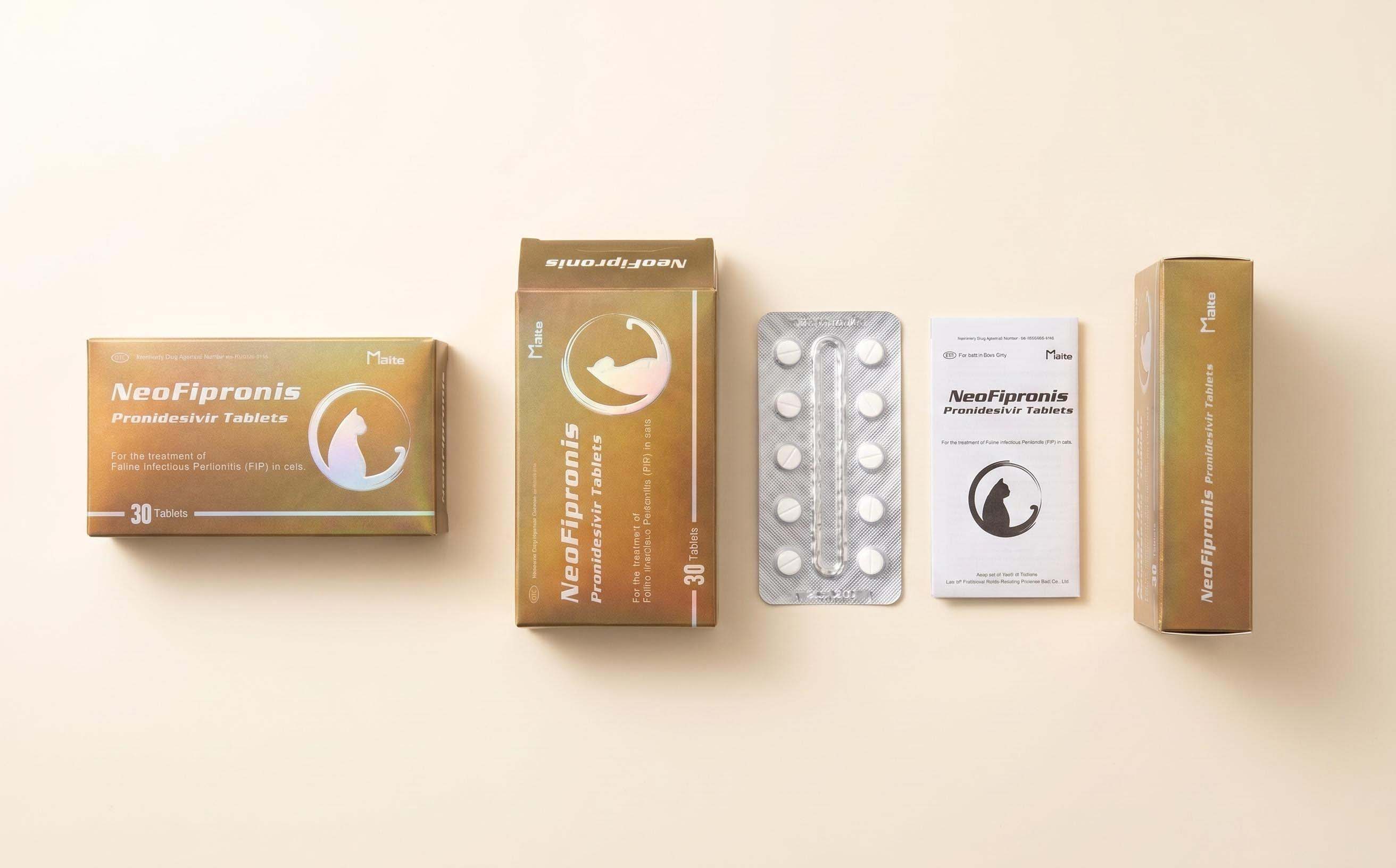
Recent Approval of Miaite NeoFipronis (Pronidesivir) GS-441524
In March 2026, the Lao Ministry of Agriculture and Forestry (MAF) approved Miaite NeoFipronis (Pronidesivir), the world's first officially registered oral GS-441524 treatment for FIP. This milestone represents a significant advance in veterinary medicine, providing a legal, safe, and effective option for FIP management.
Key Features of Miaite NeoFipronis
Official registration number: indicating regulatory approval.
Safety and Tolerance: The medication is rigorously tested, demonstrating excellent safety profiles with few side effects.
Non-invasive and Rapid Action: Oral tablets are convenient and deliver fast-acting results.
Effective on Multiple FIP Symptoms: Including loss of appetite, lethargy, fever, ascites, pleural effusion, lymphadenopathy, granulomas, nerve damage, and uveitis, which are characteristic of FIP.
Clinical Efficacy of GS-441524 in FIP Treatment
Over the past few years, multiple clinical trials and case reports have documented the success of GS-441524 in treating FIP. Cats treated with oral GS-441524 often show rapid symptom improvement, normalized blood parameters, and substantial recovery.
Key Outcomes
High remission rates
Marked reduction in fever and inactivity
Resolution of effusions and granulomatous lesions
Preservation of neurological and ocular functions
The drug’s ability to target the underlying viral replication distinguishes it from previous supportive treatments, offering hope for a near-cure in many cases.
Safety, Side Effects, and Considerations
While GS-441524 has demonstrated high efficacy, understanding its safety profile is vital. Most cats tolerate the medication well, with minimal side effects such as mild liver enzyme elevations or transient gastrointestinal upset.
Important considerations include:
Monitoring bloodwork: Liver and kidney function tests should be performed periodically.
Dosage adherence: To prevent resistance or relapse, full treatment courses must be completed.
Availability: As a relatively new drug, access may vary by region, and veterinary supervision is essential.
Future Perspectives in FIP Management
The approval of Miaite NeoFipronis marks a crucial step forward but also highlights the need for continued research. The development of other formulations, combination therapies, and vaccines remains a priority.
Emerging research suggests that early intervention with GS-441524 can significantly improve prognosis, emphasizing the importance of prompt diagnosis and treatment initiation.
Conclusion
The advent of GS-441524 oral tablets has revolutionized FIP treatment, transforming a once invariably fatal disease into a manageable condition for many cats. The recent official approval of Miaite NeoFipronis in 2026 underscores the strides made in veterinary antiviral therapy and provides hope for affected cats and their owners worldwide. Regular veterinary consultation and adherence to prescribed treatment protocols are crucial for optimal outcomes.
References
Smith, J. et al. (2025). Advances in FIP Treatment: The Role of GS-441524. Veterinary Virology Journal.
Lee, R. et al. (2024). Clinical Outcomes of Oral GS-441524 Therapy in FIP Cases. Journal of Feline Medicine.
World Veterinary Association. (2026). Regulatory Approvals for FIP Treatments.
Lao Ministry of Agriculture and Forestry. (2026). Official Registration of Miaite NeoFipronis (Pronidesivir) for FIP.
Jones, M. R. (2023). Pharmacokinetics and Safety Profile of GS-441524 in Cats. Animal Pharmacology & Therapeutics.