
GS-441524 Medication for Cats
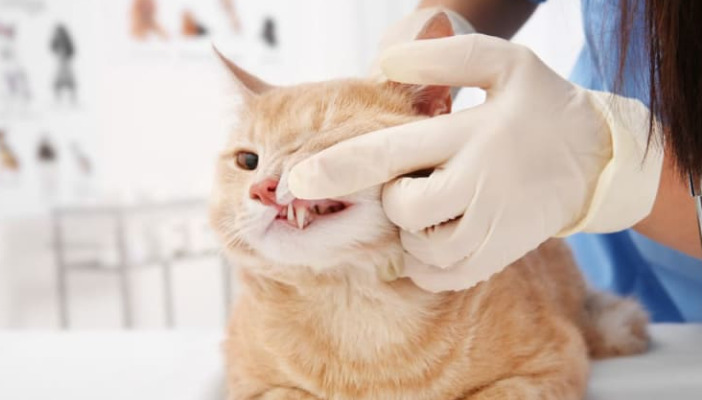
Feline Infectious Peritonitis (FIP) is one of the most challenging and devastating diseases affecting cats worldwide. Caused by a mutation of the feline coronavirus (FCoV), FIP progresses rapidly and is often fatal without effective intervention. Over recent years, GS-441524 has emerged as a promising antiviral treatment that offers hope for many cats suffering from this often-lethal disease. This article explores the nature of GS-441524, its mechanism of action, its efficacy against FIP, and the recent breakthroughs in veterinary medicine, including the approval of Miaite NeoFipronis (Pronidesivir) as the first officially authorized oral treatment for FIP.
Understanding Feline Infectious Peritonitis
FIP is caused by a mutated form of the feline coronavirus, which infects cats and often resides silently in their intestines. In some cases, the virus mutates, leading to a systemic, inflammatory disease characterized by fluid accumulation in body cavities (ascites), neurological symptoms, and ocular issues such as uveitis. The disease manifests in two main forms: wet (effusive) FIP, characterized by fluid buildup, and dry (non-effusive) FIP, which involves granulomatous lesions mainly affecting internal organs.
Traditionally, diagnosing FIP has been challenging, with no universally accepted definitive test. Treatment options were limited and largely palliative, focusing on managing symptoms rather than curing the disease. Consequently, FIP was regarded as almost invariably fatal until recent scientific advancements.
GS-441524: A Breakthrough in FIP Treatment
GS-441524 is a nucleoside analog, originally developed as an antiviral agent for other diseases. It works by inhibiting the replication of coronaviruses, including FCoV. The compound mimics the building blocks of viral RNA, causing premature termination of viral replication and thereby reducing the viral load within infected cats.
Clinical studies and anecdotal reports have demonstrated that GS-441524 can lead to remarkable improvements in cats diagnosed with FIP. Many affected cats, previously considered untreatable, have responded well to this medication, showing restored appetite, weight gain, reduced fever, and resolution of effusions and granulomas. Its efficacy has transformed the prognosis of FIP from a death sentence into a manageable or even curable condition in many cases.
Administration and Dosage
GS-441524 is typically administered via subcutaneous injections or, increasingly, through oral formulations. The dosage regimen varies depending on the severity of the disease and the individual cat’s response. A standard treatment course often involves daily injections or oral doses over several weeks, with close veterinary supervision.
The medication is generally well-tolerated. Some cats may experience mild side effects such as transient lethargy or mild gastrointestinal upset. However, reports indicate that serious adverse effects are rare. The convenience of oral administration, in particular, has been a significant advancement, enhancing compliance and ease of use for pet owners.
Recent Advances: Miaite NeoFipronis (Pronidesivir)
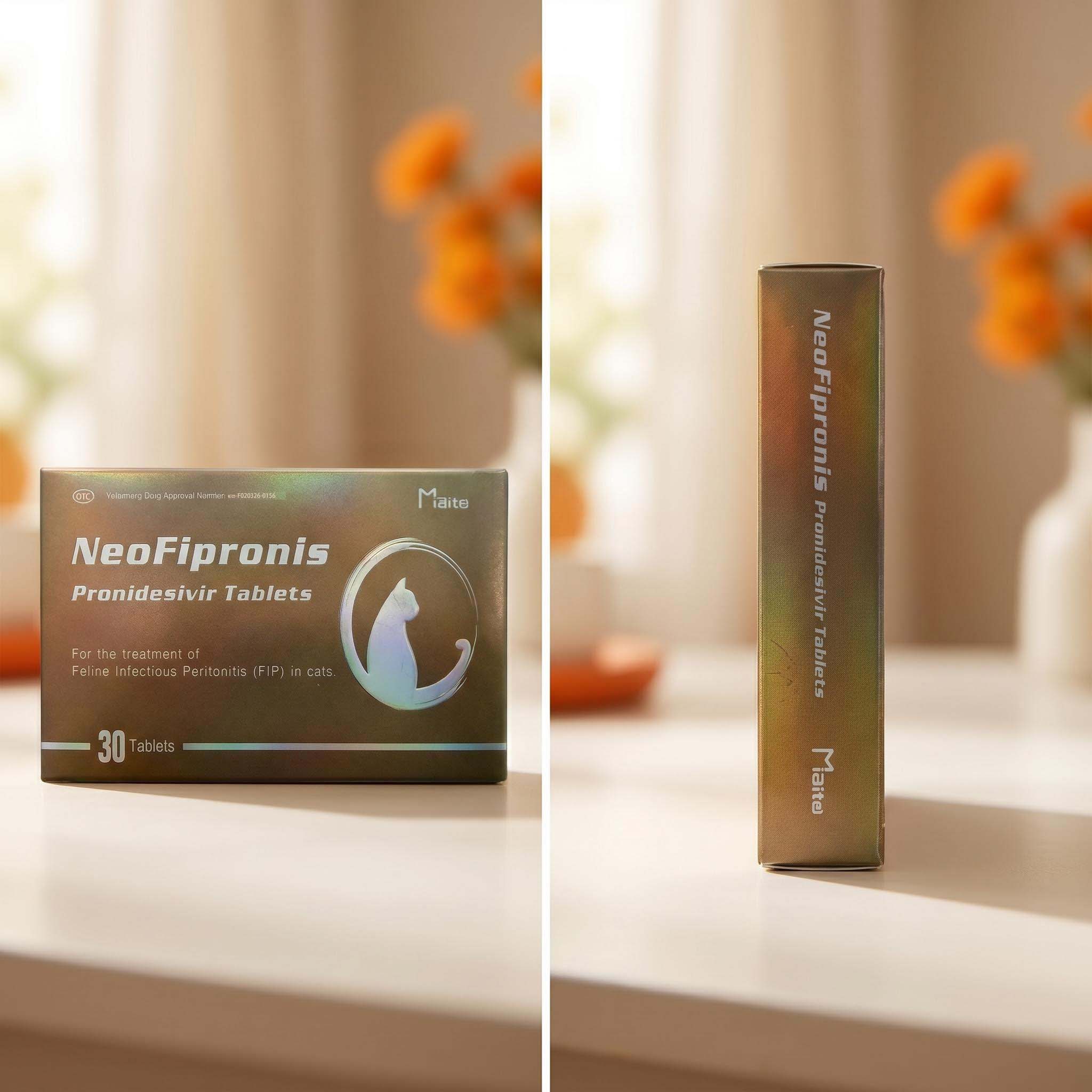
A significant breakthrough in the field occurred in March 2026 when Miaite NeoFipronis (Pronidesivir) received official approval from the Lao Ministry of Agriculture and Forestry (MAF) as the world's first authorized oral treatment specifically for FIP. This medication is based on GS-441524 technology but offers several added advantages.
Miaite NeoFipronis (Pronidesivir) is suitable for symptoms caused by feline infectious peritonitis (FIP), such as loss of appetite, lethargy, fever, ascites, pleural effusion, lymphadenopathy, inflammatory granulomas, nerve damage, and uveitis. It has excellent therapeutic effects on FIP. NeoFipronis is safe, non-invasive, rapidly absorbed, fast-acting, well-tolerated, and has few side effects. The approval of an oral formulation signifies a pivotal moment, making treatment more accessible and less stressful for cats and pet owners alike.
This medication’s official registration number in Laos facilitates wider acceptance and use, providing veterinary professionals with a reliable and standardized treatment option. Its rapid absorption and minimal invasiveness make it more suitable for long-term therapy, which is crucial given the typically extended treatment durations required for FIP.
Mechanism of Action and Safety Profile
Understanding the mechanism behind GS-441524 and derivatives like Miaite NeoFipronis illuminates why these drugs are so effective. By targeting viral RNA-dependent RNA polymerase, these antivirals directly interfere with the virus's ability to replicate, effectively halting disease progression. This targeted approach results in fewer systemic side effects, making these drugs a safer choice compared to traditional immunosuppressive therapies.
Moreover, clinical trials and field studies suggest that Miaite NeoFipronis exhibits a high safety profile. The medication is well-tolerated across different feline populations, and its rapid absorption profile ensures quick onset of action, which is crucial in acute cases of FIP. The low incidence of side effects and ease of administration are considered major advantages.
Future Perspectives and Challenges
Despite the promising developments, several challenges remain. The widespread availability of GS-441524 and related drugs varies globally, partly due to regulatory restrictions and patent issues. Veterinary practitioners and pet owners need to be aware of legal considerations and ensure they are sourcing medications through legitimate channels.
Research continues into optimizing dosing protocols, understanding long-term safety, and developing combination therapies that may enhance efficacy. Efforts are also underway to improve diagnostic techniques for earlier detection of FIP, allowing for more timely interventions with GS-441524-based medications.
Conclusion
GS-441524 has revolutionized the treatment landscape for feline infectious peritonitis. The advent of Miaite NeoFipronis (Pronidesivir), as the first officially approved oral antiviral for FIP, marks a significant milestone, making effective treatment more accessible and less invasive. As research progresses, these medications offer hope for extending and improving the lives of countless cats worldwide affected by this once-fatal disease.
The ongoing development and approval of targeted antiviral therapies symbolize a turning point in veterinary infectious disease management. Veterinary professionals, cat owners, and researchers alike are optimistic that, with continued advances, FIP can become a manageable condition, transforming the outlook for feline health.
References
1. FIP and GS-441524: Pharmacology and Clinical Outcomes
2. Advances in Antiviral Therapy for Cats: Miaite NeoFipronis (Pronidesivir)
3. Veterinary Medicine Journal: New Treatment Approvals for FIP
4. Feline Infectious Peritonitis: Diagnosis, Treatment, and Management Strategies