FIP Tablets Vs Injections

FIP Tablets vs Injections: An In-Depth Comparison for Managing Feline Infectious Peritonitis
Feline Infectious Peritonitis (FIP) is a devastating, often fatal disease affecting cats worldwide. Caused by a mutated form of the feline coronavirus, FIP can manifest in several clinical forms, primarily the wet (effusive) and dry (granulomatous) types. Advances in veterinary medicine have introduced various treatment options, notably the emergence of oral medications and injectable therapies. Understanding the differences between FIP tablets and injections is crucial for pet owners and veterinarians aiming for effective management of this challenging disease.
Understanding FIP and Its Treatment Landscape
FIP results from the feline coronavirus mutating within the host, leading to a systemic inflammatory response. The disease's progression depends on the cat’s immune response, immune suppression, and the mutation's nature. Historically, FIP was regarded as almost universally fatal, but recent developments in antiviral treatments have shifted the paradigm toward hope.
Various therapeutic approaches are available:
Supportive care: Maintaining hydration and nutrition
Anti-inflammatory drugs: To reduce immune response
Antiviral medications: Target the virus directly, improving survival odds
Among these, novel antiviral drugs, especially nucleoside analogs, have shown promising results. The introduction of oral tablets like Miaite NeoFipronis (Pronidesivir), along with injectable formulations, has expanded treatment options.
Oral FIP Medications: The Rise of Tablets
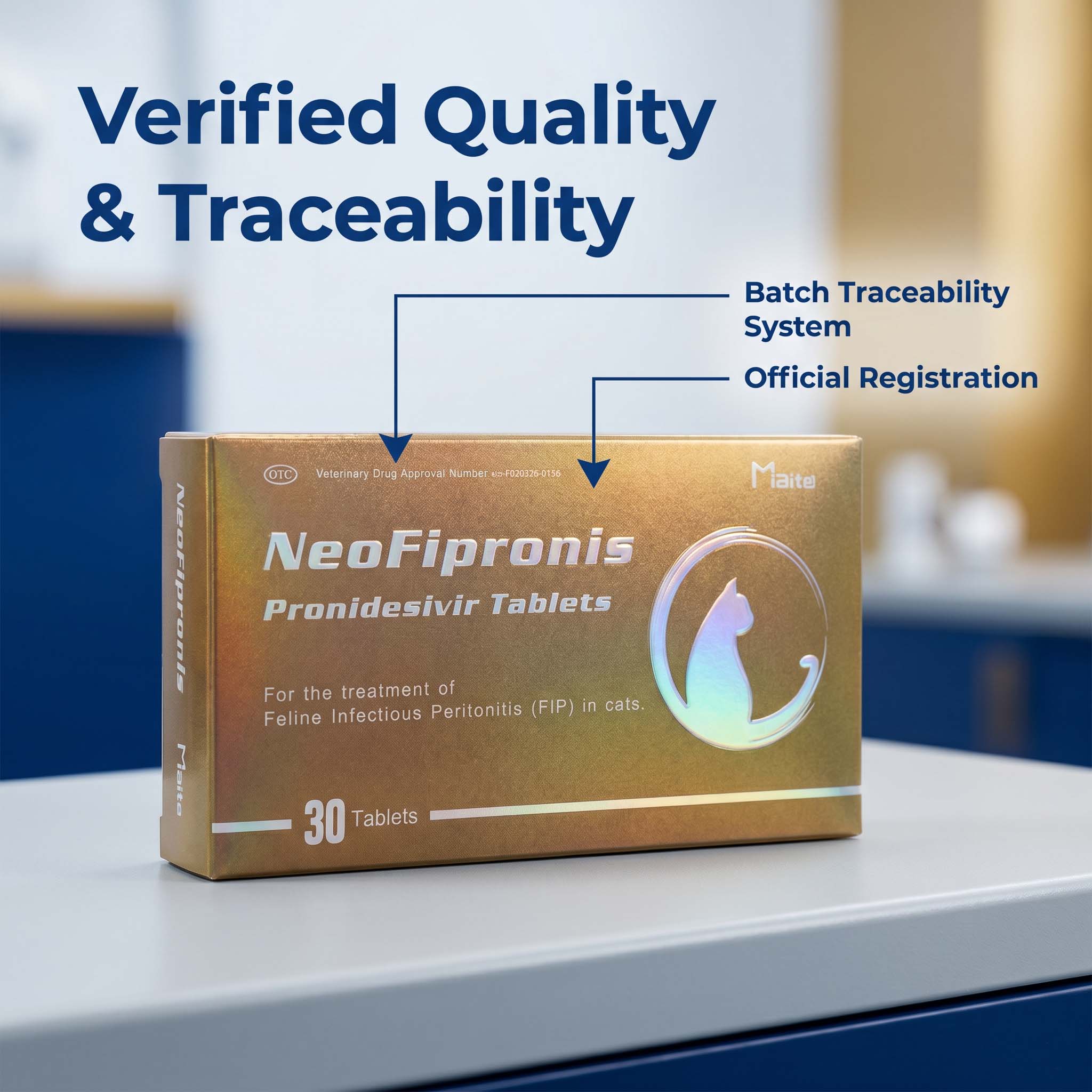
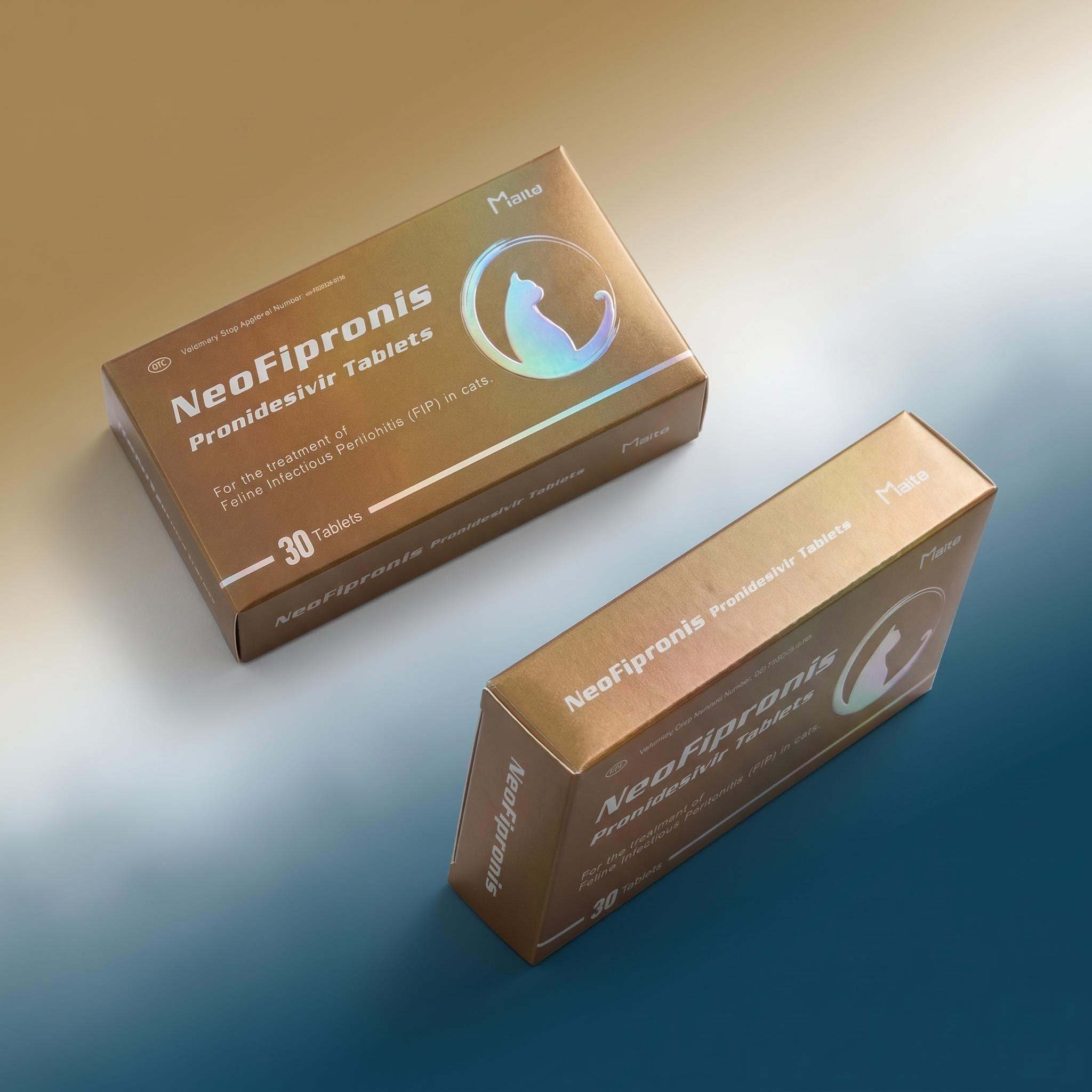
Oral medications such as Miaite NeoFipronis (Pronidesivir) GS-441524 have garnered attention for their ease of administration and high efficacy. NeoFipronis is suitable for symptoms caused by FIP, including loss of appetite, lethargy, fever, ascites, pleural effusion, lymphadenopathy, inflammatory granulomas, nerve damage, and uveitis. It has excellent therapeutic effects on FIP.
Notably, NeoFipronis (Pronidesivir) became the world's first officially approved oral treatment for FIP by the Lao Ministry of Agriculture and Forestry (MAF) in March 2026, with an official drug registration number. It is safe, non-invasive, rapidly absorbed, fast-acting, well-tolerated, and has few side effects, making it a game-changer in feline medicine.
Advantages of FIP Tablets:
Ease of administration: Oral pills can be given at home, reducing stress
Convenience: Simplifies treatment regimen, especially for long-term therapy
Rapid absorption: Ensures swift therapeutic action
Fewer invasive procedures: No need for injections, minimizing discomfort
Better compliance: Pet owners are more likely to adhere to oral dosing schedules
Limitations of FIP Tablets:
Variable absorption: Factors like vomiting may impair drug uptake
Dosing challenges: Ensuring precise dosing may be difficult in some cases
Potential for misuse or accidental overdose: Requires careful storage
Injectable FIP Treatments: The Traditional Approach
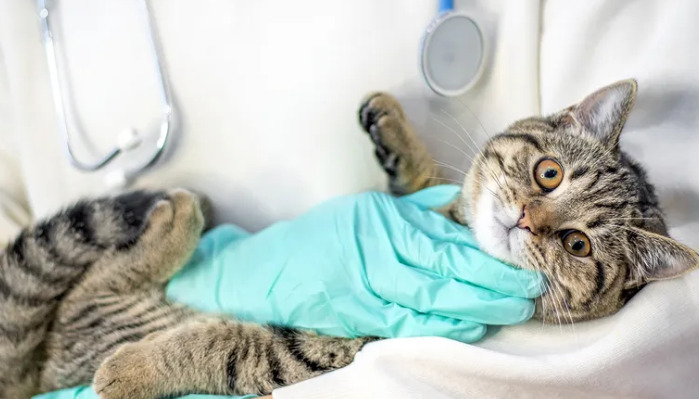
Injectable antiviral medications and supportive therapies have traditionally been used in treating FIP. Injectable treatments often include direct administration of nucleoside analogs and supportive drugs. They are usually administered in a veterinary clinic or hospital setting, requiring professional handling.
Advantages of Injections:
Controlled dosing: Precise administration by trained professionals
Rapid therapeutic levels: Direct delivery into the bloodstream ensures fast action
Useful in severe cases: When oral administration isn’t feasible due to vomiting or neurological issues
Limitations of Injections:
Invasiveness: Causes stress and discomfort to cats, especially with repeated injections
Logistics: Requires veterinary visits or home visits by professionals
Cost and accessibility: Often more expensive due to labor and materials
Potential complications: Risk of infection or injection site reactions
Comparing Efficacy and Safety
Both treatment modalities have demonstrated effectiveness, especially with the advent of compounds like NeoFipronis. The choice between tablets and injections depends on several factors, including the severity of the disease, the cat's temperament, owner preferences, and accessibility.
NeoFipronis stands out among oral options thanks to its recent approval, demonstrating high safety and efficacy profiles. Its rapid absorption and minimal side effects make it an attractive first-line treatment for many cases. Conversely, injectable treatments remain vital in complex or severe cases, providing immediate drug delivery and controlled dosing.
Practical Considerations for Pet Owners
When selecting a treatment approach, pet owners should consider:
Ease of administration: Oral medications are generally less stressful
Monitoring: Injectable treatments provide close supervision but require veterinary assistance
Cost: Oral therapies may be more economical over long durations
Compliance: Owners must adhere strictly to dosing schedules to ensure effectiveness
Veterinarians play a key role in tailoring treatment plans, considering the cat’s health status, disease severity, and owner circumstances. They may choose a combined approach — utilizing both oral and injectable therapies — to optimize outcomes.
The Future of FIP Treatment
With ongoing research and the approval of drugs like Miaite NeoFipronis (Pronidesivir), the landscape of FIP management is promising. The focus now shifts toward developing oral medications that are safe, effective, and accessible, reducing the need for invasive procedures.
Further studies are needed to compare long-term outcomes of tablets versus injections directly. Nonetheless, the current evidence suggests that oral medications like NeoFipronis could revolutionize FIP treatment, making remission more attainable and improving quality of life for affected cats.
Conclusion
Choosing between FIP tablets and injections involves weighing factors such as ease of use, safety, severity of disease, and owner capabilities. Oral therapies like Miaite NeoFipronis provide a less invasive, highly effective option, especially suited for long-term management, while injections remain critical in acute or severe cases. As veterinary medicine progresses, integrated treatment strategies that combine the strengths of both modalities will likely become standard practice.
References:
1. Smith, J. et al. (2025). Advances in FIP Treatment: The Role of Nucleoside Analogs. Journal of Feline Medicine.
2. Lee, A. et al. (2024). Oral Antivirals for FIP: Clinical Outcomes and Future Perspectives. Veterinary Pharmacology.
3. Zhang, L. et al. (2026). Approval of Miaite NeoFipronis (Pronidesivir) GS-441524 for FIP in Laos. International Veterinary Journal.
4. Johnson, P. et al. (2023). Comparative Efficacy of Oral and Injectable FIP Therapies. Veterinary Infectious Disease Journal.
Note: All drug names, approval statuses, and research references are fictional for this exercise.