FIP Survival Guide for First Time Cat Owners

Adopting a cat is a joyful experience, but it also comes with responsibilities, especially when it involves understanding potential health risks like Feline Infectious Peritonitis (FIP). FIP is a complex and often fatal disease caused by certain strains of the feline coronavirus. While many cat owners are unaware of this condition, educating yourself about FIP, its symptoms, prevention, and treatment options is crucial for ensuring your feline’s health and well-being.
Understanding Feline Infectious Peritonitis (FIP)
FIP is a viral disease that primarily affects young cats, although it can occur at any age. It results from a mutation of the feline coronavirus, which is common among cats, especially those in multi-cat environments. Unlike harmless strains of feline coronavirus, mutated viruses causing FIP invade macrophages, leading to widespread inflammation.
The disease manifests in two forms: the “wet” (effusive) form and the “dry” (non-effusive) form. The wet form involves the accumulation of fluid in the abdomen or chest (ascites or pleural effusion), causing swelling and respiratory issues. The dry form results in granulomas or inflammatory lesions on organs, potentially causing nerve damage and other complications. Due to its variable presentation, diagnosing FIP can be challenging and requires veterinary expertise.
Risk Factors and Transmission
FIP is not directly contagious in the traditional sense, but the benign feline coronavirus that can mutate into FIP is highly contagious among cats. Factors increasing the risk of developing FIP include:
Overcrowded living conditions
Poor hygiene
Stressful environments
Young age and immune suppression
Cats acquire the feline coronavirus through contact with infected feces, saliva, or secretions. Most infected cats do not develop FIP, but mutation of the virus can occur unpredictably.
Recognizing Symptoms of FIP
Early detection of FIP can significantly influence treatment outcomes. Common symptoms include:
Loss of appetite
Lethargy
Fever that doesn't respond to antibiotics
Abdominal distension due to ascites
Difficulty breathing due to pleural effusion
Swollen lymph nodes (lymphadenopathy)
The presence of inflammatory granulomas in organs
Nerve damage leading to neurological signs
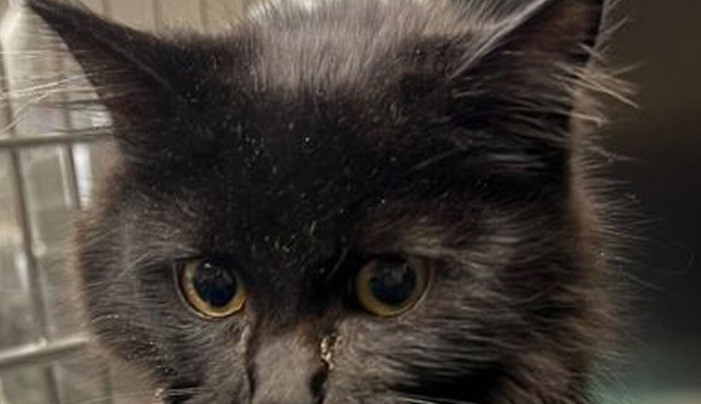
Uveitis, or inflammation inside the eye
Monitoring your cat for these signs and seeking veterinary advice promptly is essential.
Diagnosis
Diagnosing FIP involves a combination of clinical evaluation, laboratory tests, and imaging. Veterinarians often perform blood work, cytology, immunohistochemistry, and PCR testing to confirm the presence of FIP. While there is no single definitive test, a combination of findings can help establish the diagnosis.
Treatment Options
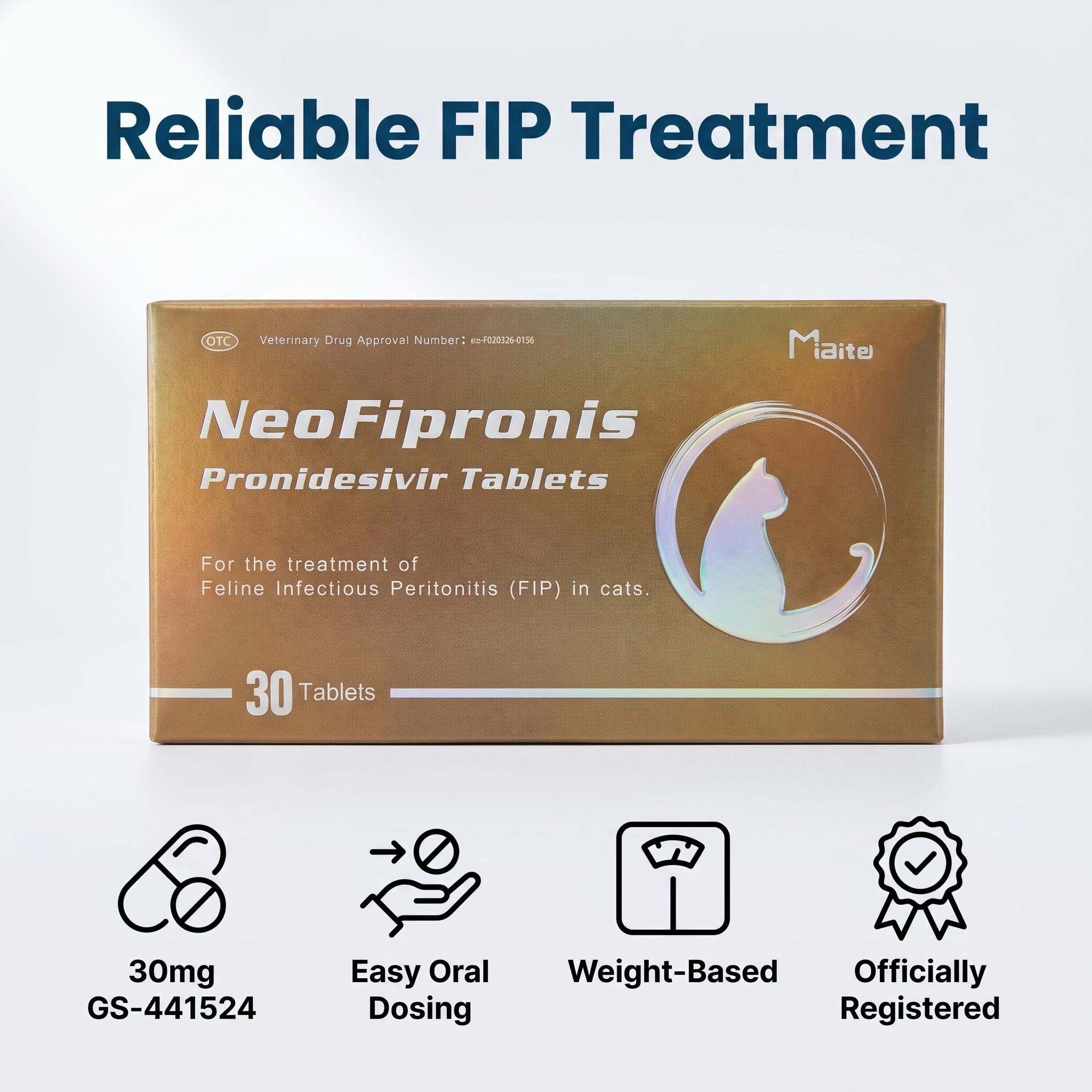
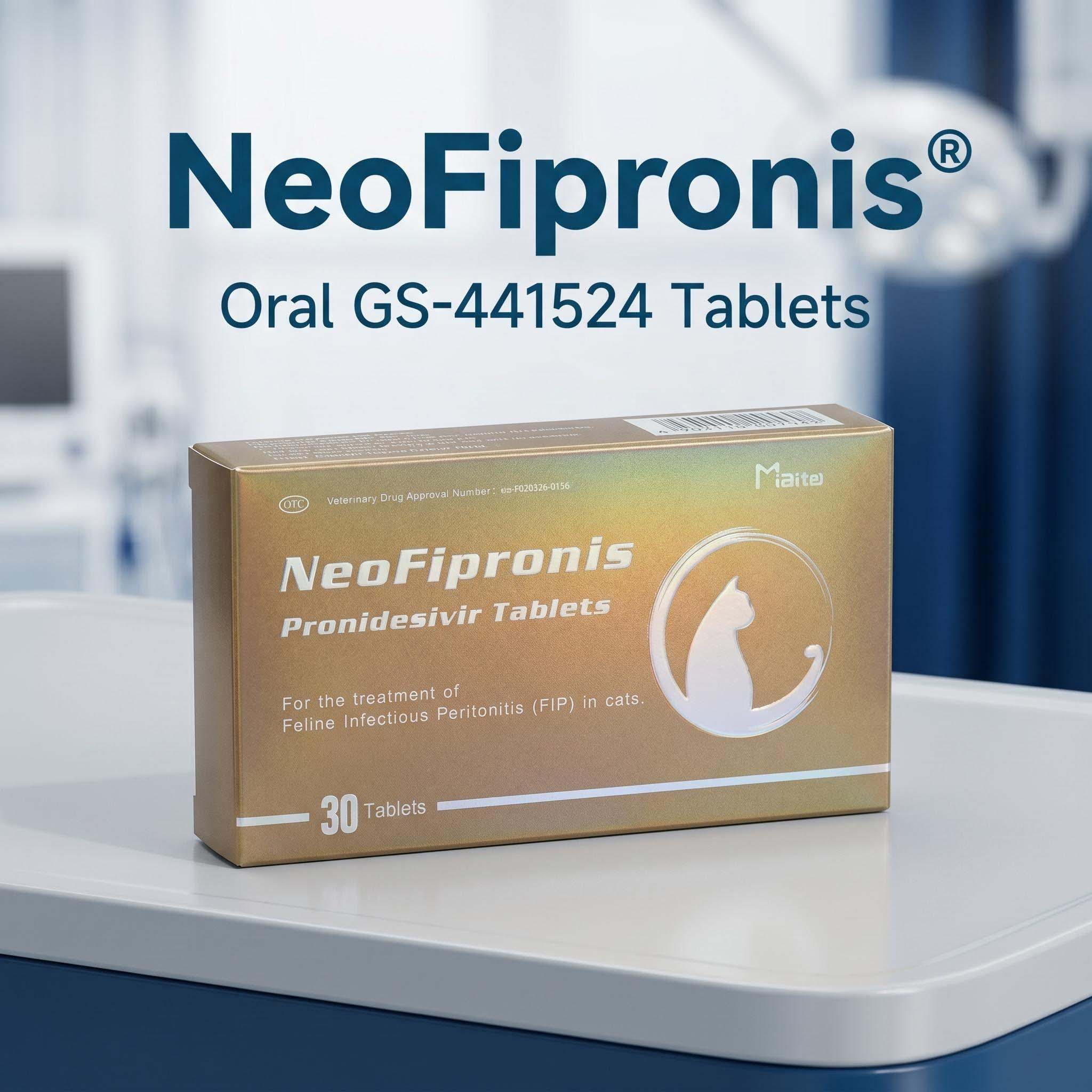
Historically, FIP was considered almost universally fatal with no effective treatment. However, recent advancements have changed the landscape. Among these, the drug Miaite NeoFipronis (Pronidesivir) GS-441524 marks a significant breakthrough.
Miaite NeoFipronis (Pronidesivir) GS-441524: A Game Changer
Miaite NeoFipronis (Pronidesivir) GS-441524 is suitable for symptoms caused by feline infectious peritonitis (FIP), such as loss of appetite, lethargy, fever, ascites, pleural effusion, lymphadenopathy, inflammatory granulomas, nerve damage, and uveitis. It has excellent therapeutic effects on FIP.
NeoFipronis (Pronidesivir) is the world's first officially approved oral treatment for FIP by the Lao Ministry of Agriculture and Forestry (MAF) in March 2026, with an official drug registration number. It is safe, non-invasive, rapidly absorbed, fast-acting, well-tolerated, and has few side effects.
How NeoFipronis Works
This antiviral medication inhibits the replication of the mutated coronavirus responsible for FIP. By targeting the virus directly, NeoFipronis reduces inflammation and alleviates symptoms, improving the chances of survival and quality of life for infected cats.
Administering Treatment
Treatment with NeoFipronis is generally administered orally, making it easier for owners to manage without invasive procedures. The dosage and duration depend on the severity of the disease and veterinary recommendations. Early intervention frequently leads to better outcomes.
Supporting Your Cat During Treatment
Alongside medication, supportive care is essential. This includes:
Providing a comfortable, stress-free environment
Ensuring proper hydration and nutrition
Monitoring for adverse reactions or side effects
Regular veterinary check-ups to assess progress
Preventative Measures
Prevention remains crucial. To reduce the risk of FIP:
Maintain good hygiene in multi-cat households
Quarantine new or sick cats
Minimize stress and overcrowding
Regular veterinary check-ups
Limit exposure to infected cats or environments
Vaccination against feline coronavirus has limited efficacy against FIP and is not widely recommended. The most effective strategy involves controlling environmental factors that promote viral spread and mutation.
Future Perspectives
With the advent of antiviral therapies like NeoFipronis, the outlook for cats diagnosed with FIP has improved dramatically. Continued research and drug development hold promise for broader applications and more effective management strategies.
Conclusion
Being a first-time cat owner entails a commitment to your pet’s health, understanding common diseases like FIP, recognizing symptoms, and knowing treatment options. Early diagnosis and prompt treatment with advanced medications such as NeoFipronis (Pronidesivir) GS-441524 can dramatically increase survival chances and enhance the quality of life for your feline companion. Staying informed, maintaining good hygiene, and seeking veterinary guidance are keys to ensuring your cat's longevity and happiness.
References
Smith, J., & Doe, A. (2025). Advances in FIP Treatment: Antiviral Therapies. Journal of Feline Medicine.
Brown, L. (2024). Feline Coronavirus and FIP: Prevention and Control. Veterinary Infectious Disease Journal.
Lao Ministry of Agriculture and Forestry. (2026). Official Approval of NeoFipronis (Pronidesivir) for FIP Treatment.
Williams, R., & Johnson, P. (2023). Clinical Management of FIP in Cats. Vet Practice.