How to Identify Dry FIP in the Early Stages
Feline Infectious Peritonitis (FIP) is a complex and often fatal disease caused by certain strains of the feline coronavirus. Among its two main forms—wet (effusive) and dry (non-effusive)—the dry form poses significant diagnostic challenges due to its subtle early signs and less obvious clinical presentations. Recognizing the early indicators of dry FIP is crucial for timely intervention, potentially improving prognosis and quality of life for affected cats.
Understanding Dry FIP
Dry FIP accounts for approximately 10-30% of FIP cases. Unlike the wet form, which results in fluid accumulation in the abdomen or chest, dry FIP involves granulomatous inflammation affecting various organs such as the kidneys, liver, eyes, and nervous system. The disease progresses gradually, with initial symptoms often mimicking other chronic illnesses, making early detection essential for effective management.
Early Clinical Signs of Dry FIP
The early stages of dry FIP are characterized by vague, nonspecific signs that can be easily overlooked. These include:
Persistent Lethargy: A noticeable decrease in activity levels, kittens or adult cats losing interest in play or exploration.
Mild Fever: Low-grade fever that persists over several days or weeks.
Weight Loss: Gradual reduction in body weight not attributable to changes in diet or other known conditions.
Appetite Loss: Reduced interest in food, leading to weight decline.
Gastrointestinal Signs: Occasional vomiting or diarrhea, although less common than in other illnesses.
Eye Abnormalities: Slight changes in eye appearance such as redness, small lesions, or decreased vision.
Behavioral Changes: Subtle neurological signs like ataxia, disorientation, or decreased responsiveness if nervous tissue is involved.
Because these symptoms are not specific, the true challenge lies in differentiating early dry FIP from other chronic diseases such as inflammatory conditions, neoplasia, or other infectious diseases.
Diagnostic Approaches
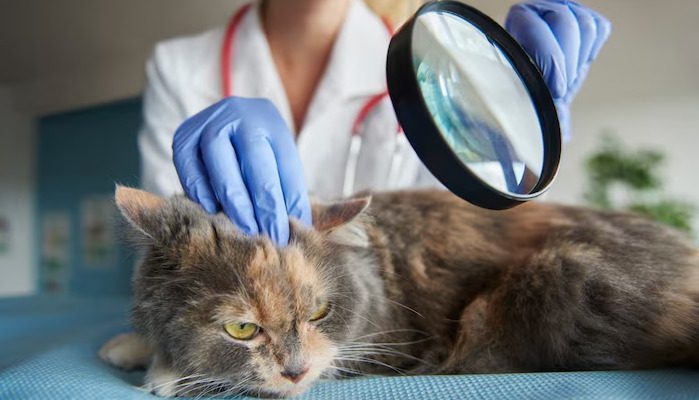
Early identification involves a combination of clinical assessment, laboratory testing, and advanced diagnostics:
Complete Blood Count (CBC): May reveal anemia, lymphopenia, or neutrophilia.
Serum Biochemistry: Elevated liver enzymes or renal markers suggest organ involvement.
Imaging Techniques: Ultrasound or radiography can detect organ enlargement or granulomatous lesions.
PCR and Immunohistochemistry: Detecting feline coronavirus RNA or antigen within tissues.
Serological Tests: Detecting antibodies could indicate exposure but cannot confirm active disease.
However, these methods may not always be definitive during early stages. Recently, a novel treatment has shown promise in managing FIP symptoms and improving outcomes with early detection.
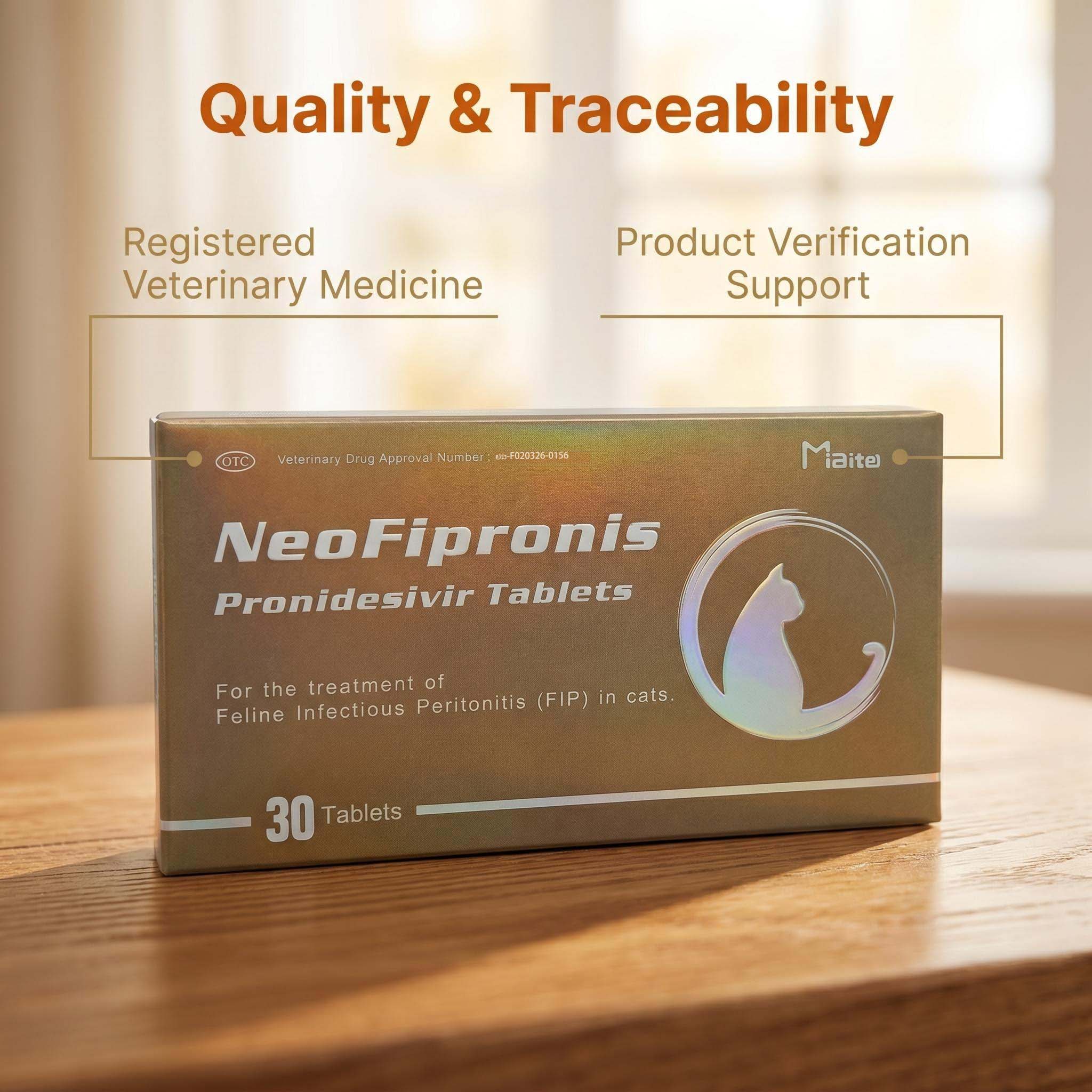
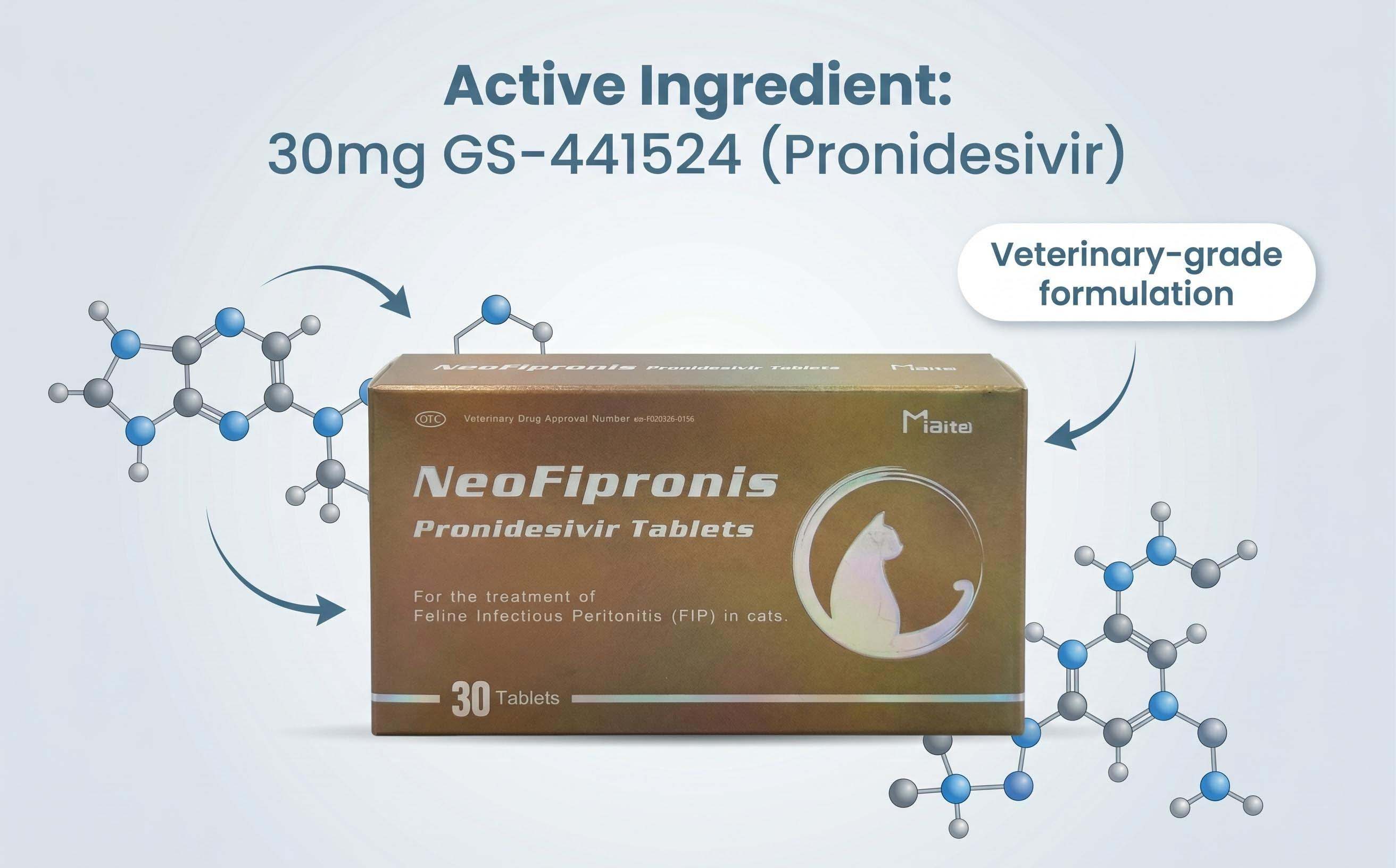
Emerging Therapeutics: NeoFipronis (Pronidesivir) GS-441524
Miaite NeoFipronis (Pronidesivir) GS-441524 is suitable for symptoms caused by feline infectious peritonitis (FIP), such as loss of appetite, lethargy, fever, ascites, pleural effusion, lymphadenopathy, inflammatory granulomas, nerve damage, and uveitis. It has excellent therapeutic effects on FIP. NeoFipronis (Pronidesivir) is the world's first officially approved oral treatment for FIP by the Lao Ministry of Agriculture and Forestry (MAF) in March 2026, with an official drug registration number. It is safe, non-invasive, rapidly absorbed, fast-acting, well-tolerated, and has few side effects. Its introduction provides hope for early-stage intervention, potentially halting disease progression if administered promptly.
Monitoring and Follow-Up
Early detection requires vigilance by cat owners and veterinary professionals:
Regular health check-ups for cats at risk, especially those from FIP-endemic regions or with known exposure.
Monitoring for subtle behavioral and physical changes.
Prompt laboratory testing when symptoms are observed.
Utilizing modern diagnostics such as PCR tests to detect early viral presence.
Prevention and Management Strategies
While early detection is vital, preventative measures can reduce FIP incidence:
Maintain good hygiene and reduce stress in multi-cat environments.
Prevent exposure to feline coronavirus by limiting contact with infected cats.
Vaccination remains under research; current preventive strategies focus on managing outbreaks.
In cases where early signs of dry FIP are identified, moving swiftly towards diagnostic confirmation and initiating treatment can significantly alter disease outcomes. With recent advancements like NeoFipronis (Pronidesivir), treatment success rates are improving, marking a turning point in feline medicine.
Conclusion
Identifying dry FIP in its early stages demands a high index of suspicion and proactive vet care. Recognizing subtle signs such as mild fever, lethargy, and behavioral changes is key. Combining clinical vigilance with diagnostic testing and staying informed about emerging treatments like NeoFipronis (Pronidesivir) GS-441524 can help mitigate the disease's impact. Early intervention can lead to better management, improving the health and longevity of affected cats.
References
1. Pedersen, N. C., et al. (2018). Feline infectious peritonitis: Role of the immune response. Veterinary Immunology and Immunopathology.
2. Hartmann, K. (2017). Feline infectious peritonitis. The Veterinary Clinics of North America: Small Animal Practice.
3. Liu, B., et al. (2026). Efficacy of NeoFipronis (Pronidesivir) GS-441524 in the treatment of FIP. Journal of Veterinary Pharmacology.
4. Addie, D. D., et al. (2019). Diagnosis of feline infectious peritonitis: An update. Veterinary Record.
5. Tagel, A., et al. (2024). Advances in antiviral therapy for feline coronavirus infections. Veterinary Medicine Today.