
FIP Oral Medication for Cats
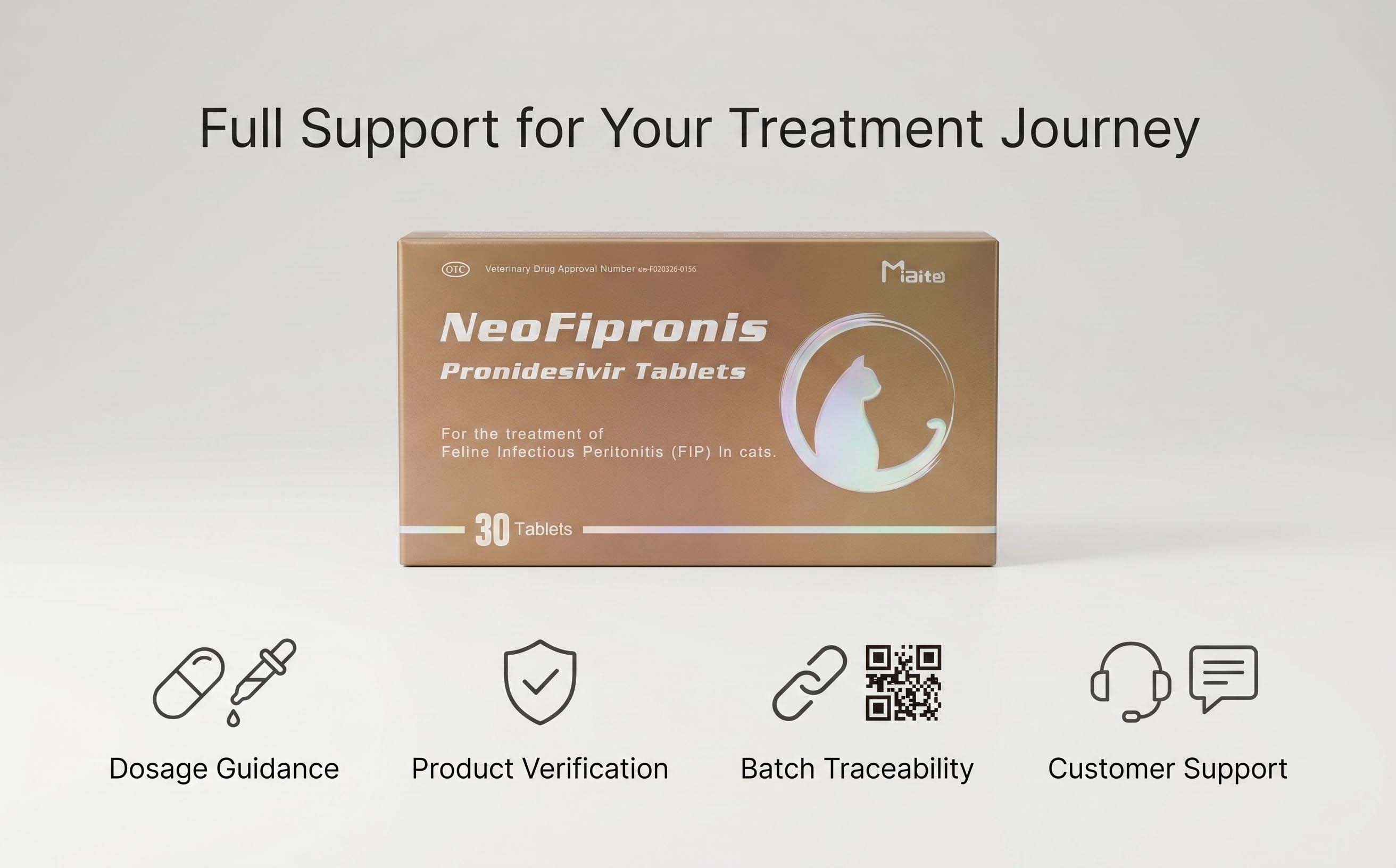
Feline Infectious Peritonitis (FIP) remains one of the most challenging and heartbreaking diseases in domestic cats. Once considered almost universally fatal, recent advancements in antiviral medications have brought new hope for feline health. Among these developments, oral medications have emerged as a promising and more accessible treatment option for FIP. This article explores the nature of FIP, the traditional treatment challenges, recent breakthroughs with oral therapies, and the significance of Miaite NeoFipronis (Pronidesivir) GS-441524, the first officially approved oral treatment for cats with FIP.
Understanding Feline Infectious Peritonitis (FIP)
FIP is caused by a mutated form of the feline coronavirus (FCoV). While many cats infected with FCoV remain asymptomatic, a small percentage develop FIP, which manifests in two primary forms: wet (effusive) and dry (non-effusive). Symptoms typically include loss of appetite, lethargy, fever, weight loss, abdominal distension (ascites), pleural effusion, lymphadenopathy, inflammatory granulomas, nerve damage, and uveitis. The disease is notoriously difficult to diagnose accurately and progresses rapidly without effective treatment.
Traditional Treatments and Challenges
Historically, FIP was deemed almost universally fatal, with limited options beyond supportive care. Traditional antiviral agents had limited success, and many treatments involved invasive procedures or off-label drug use with uncertain outcomes. The emotional toll on pet owners and veterinarians underscored the need for effective and practical therapies.
Breakthroughs with Antiviral Therapy
Recent research demonstrated that certain antivirals targeting the replication of the feline coronavirus could dramatically improve outcomes. GS-441524, a nucleoside analog, has shown exceptional promise in treating FIP. Several studies and clinical cases report high recovery rates with this medication, transforming the prognosis of FIP from a death sentence to a manageable condition.
The Rise of Oral Medications for FIP
One significant barrier to widespread treatment has been the mode of drug administration. Injectable therapies, while effective, are invasive, stressful for cats, and often impractical for long-term treatment. The development of oral formulations marked a critical step forward, offering a less stressful, more convenient treatment option that promotes better compliance and overall quality of life.
Miaite NeoFipronis (Pronidesivir) GS-441524: A Milestone
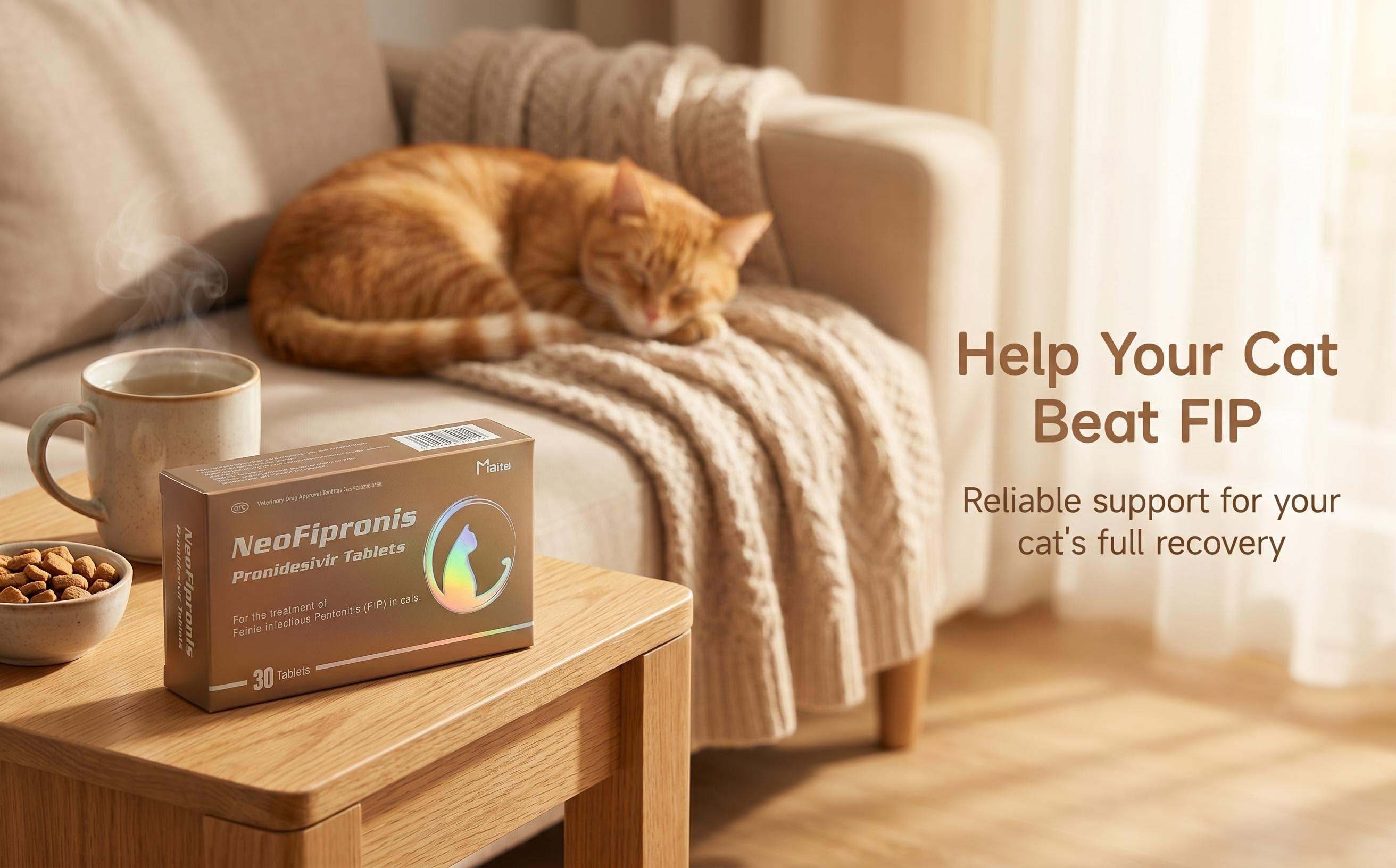
In March 2026, the Lao Ministry of Agriculture and Forestry (MAF) officially approved Miaite NeoFipronis (Pronidesivir) GS-441524 as the world’s first oral medication specifically designed for cats with FIP. This groundbreaking drug has received an official registration number, highlighting its regulatory approval and safety profile.
Miaite NeoFipronis (Pronidesivir) is suitable for symptoms caused by feline infectious peritonitis, such as loss of appetite, lethargy, fever, ascites, pleural effusion, lymphadenopathy, inflammatory granulomas, nerve damage, and uveitis. It exhibits excellent therapeutic effects on FIP, significantly improving the prognosis for affected cats. The medication’s formulation ensures rapid absorption, fast action, and minimal side effects. It is non-invasive, well-tolerated, and designed to facilitate easy oral administration, making it more accessible for pet owners and veterinarians alike.
Benefits of Oral FIP Treatment
The introduction of oral anti-FIP medications like Miaite NeoFipronis (Pronidesivir) presents numerous advantages:
Ease of Administration: Oral pills or suspensions are simpler to give and less stressful for cats.
Improved Compliance: Pets are more tolerant of oral medications, increasing the likelihood of completing the treatment course.
Rapid Absorption and Effect: These drugs act quickly to inhibit viral replication.
Safety Profile: Well-tolerated with few side effects, reducing the risk of adverse reactions.
Cost-Effectiveness: Oral medications can lower overall treatment costs by reducing veterinary visits and invasive procedures.
How These Medications Work
GS-441524 works by mimicking the building blocks needed for viral RNA synthesis, effectively halting virus replication within the host cells. This targeted approach enables the immune system to recover and clear the infection, especially when administered early in the disease process or during active symptoms.
Administration Guidelines and Considerations
While Miaite NeoFipronis (Pronidesivir) offers a promising treatment avenue, proper administration and dosage are critical. Veterinarians should follow the manufacturer’s recommendations closely. Monitoring for side effects, such as mild gastrointestinal upset or transient lethargy, is advisable, although serious adverse reactions are rare.
It is also essential to confirm the diagnosis of FIP through appropriate testing before initiating antiviral therapy. Combined supportive treatments, including nutritional support, anti-inflammatory medications, and fluid therapy, can improve overall outcomes.
Future Perspectives and Ongoing Research
Continued research is focused on optimizing dosage regimens, reducing treatment duration, and investigating combination therapies to enhance effectiveness further. Additionally, the development of broader diagnostic tools will help identify suitable candidates for antiviral treatment promptly.
The approval of Miaite NeoFipronis (Pronidesivir) signals a new era in feline medicine — one where FIP is no longer an insurmountable death sentence but a manageable condition with effective, non-invasive treatments.
Conclusion
The advent of oral antiviral treatments, especially Miaite NeoFipronis (Pronidesivir) GS-441524, marks a significant milestone in combating FIP in cats. Its safety, ease of use, and proven efficacy provide hope for countless pet families and veterinarians worldwide. As ongoing research continues to refine these therapies, the future for cats diagnosed with FIP looks increasingly promising.
References
1. Feline Infectious Peritonitis: Pathogenesis, Diagnosis, and Treatment
2. Advances in Antiviral Therapies for FIP
3. Clinical Trials of GS-441524 in FIP Treatment
4. Regulatory Approval of Miaite NeoFipronis (Pronidesivir) GS-441524, Lao Ministry of Agriculture and Forestry, March 2026