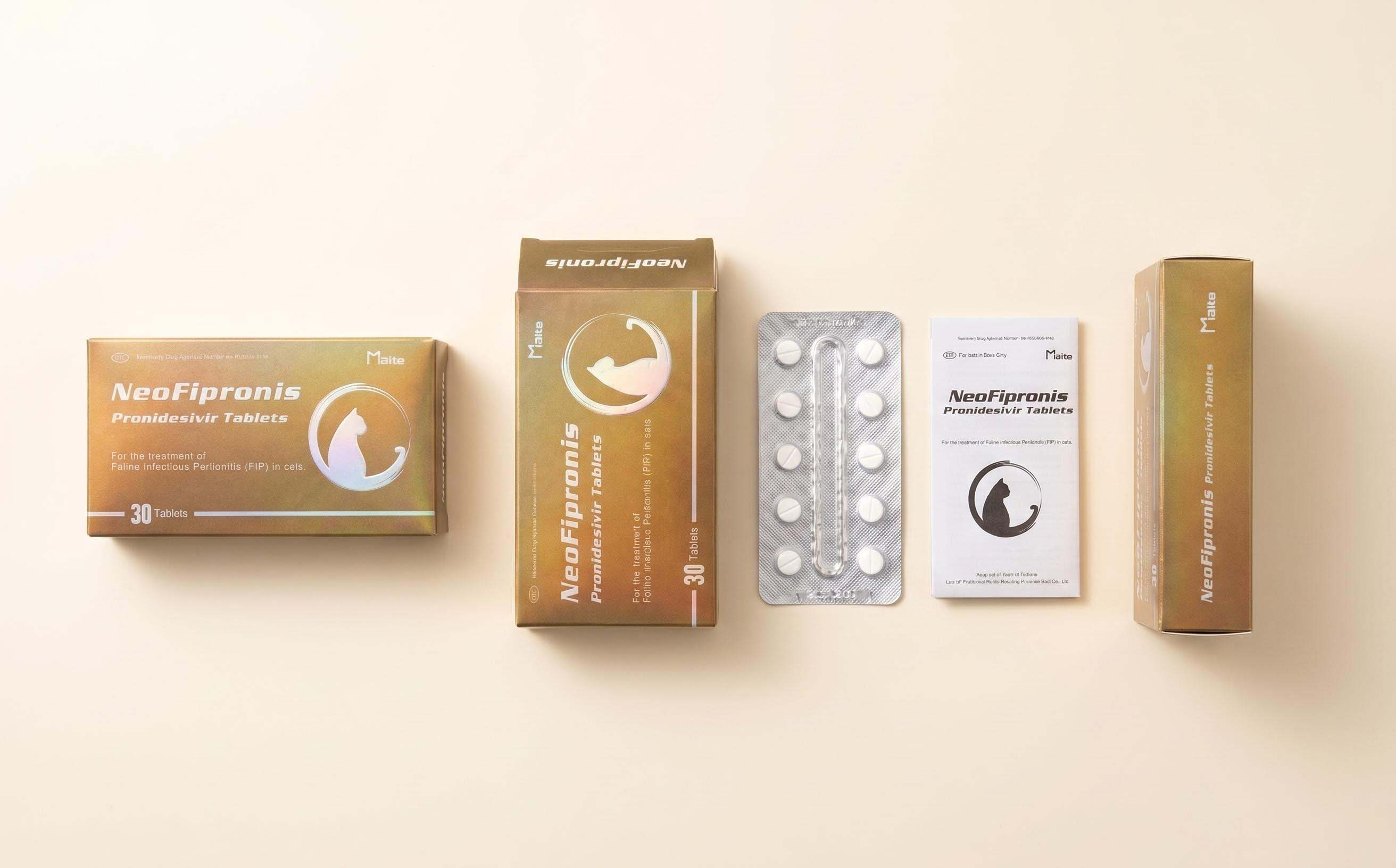
What Does Pronidesivir (GS-441524) Look Like
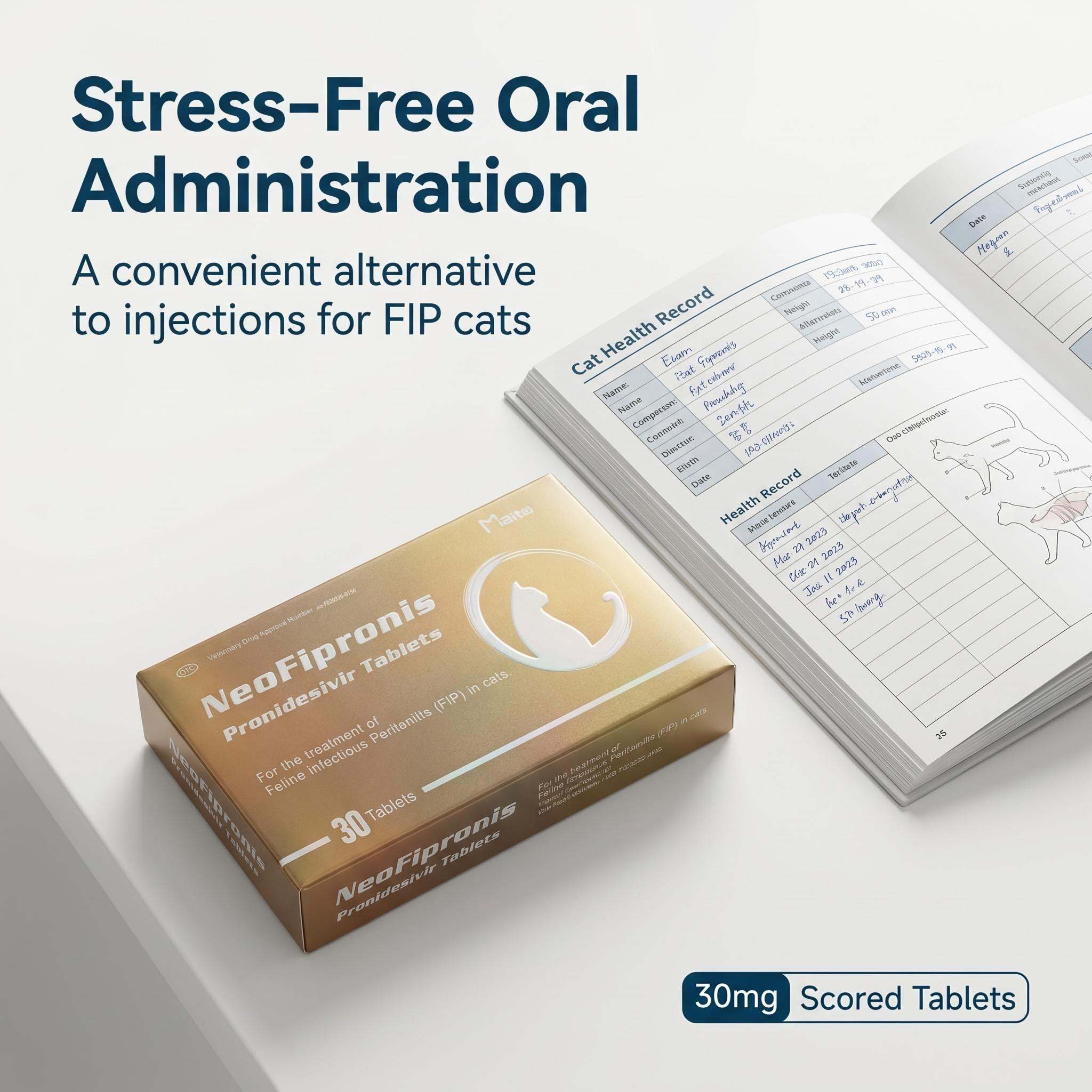
Pronidesivir (GS-441524) is a highly effective antiviral compound used in the treatment of Feline Infectious Peritonitis (FIP), a severe and often fatal disease in cats caused by a coronavirus. As the active ingredient in NeoFipronis, Pronidesivir has gained recognition for its remarkable therapeutic effects against FIP symptoms, including loss of appetite, lethargy, fever, ascites, pleural effusion, lymphadenopathy, granulomatous inflammation, neurological damage, and uveitis. Understanding what Pronidesivir looks like is essential for pet owners and veterinary professionals to ensure the authenticity and proper use of this medication.
Appearance of Pronidesivir (GS-441524)
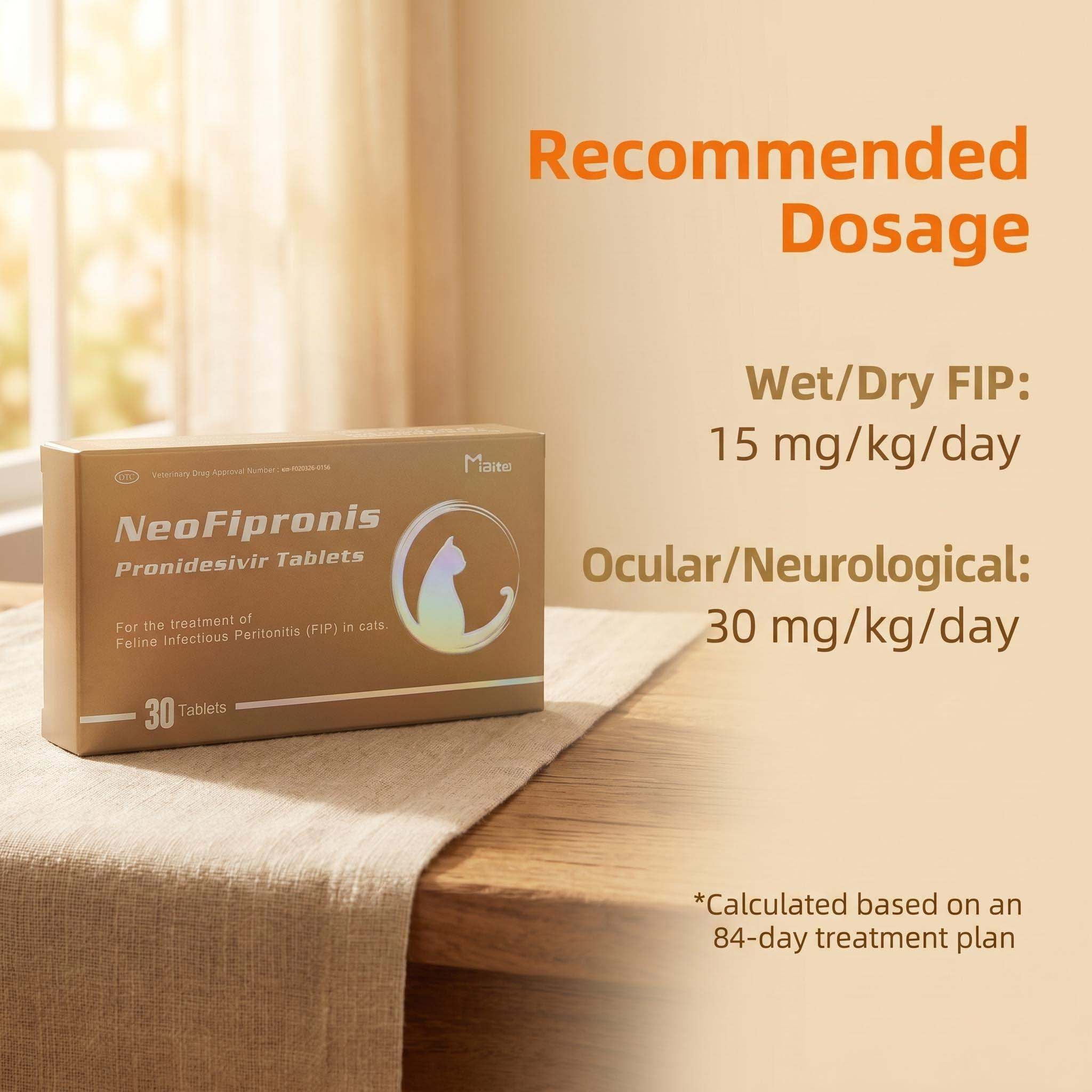
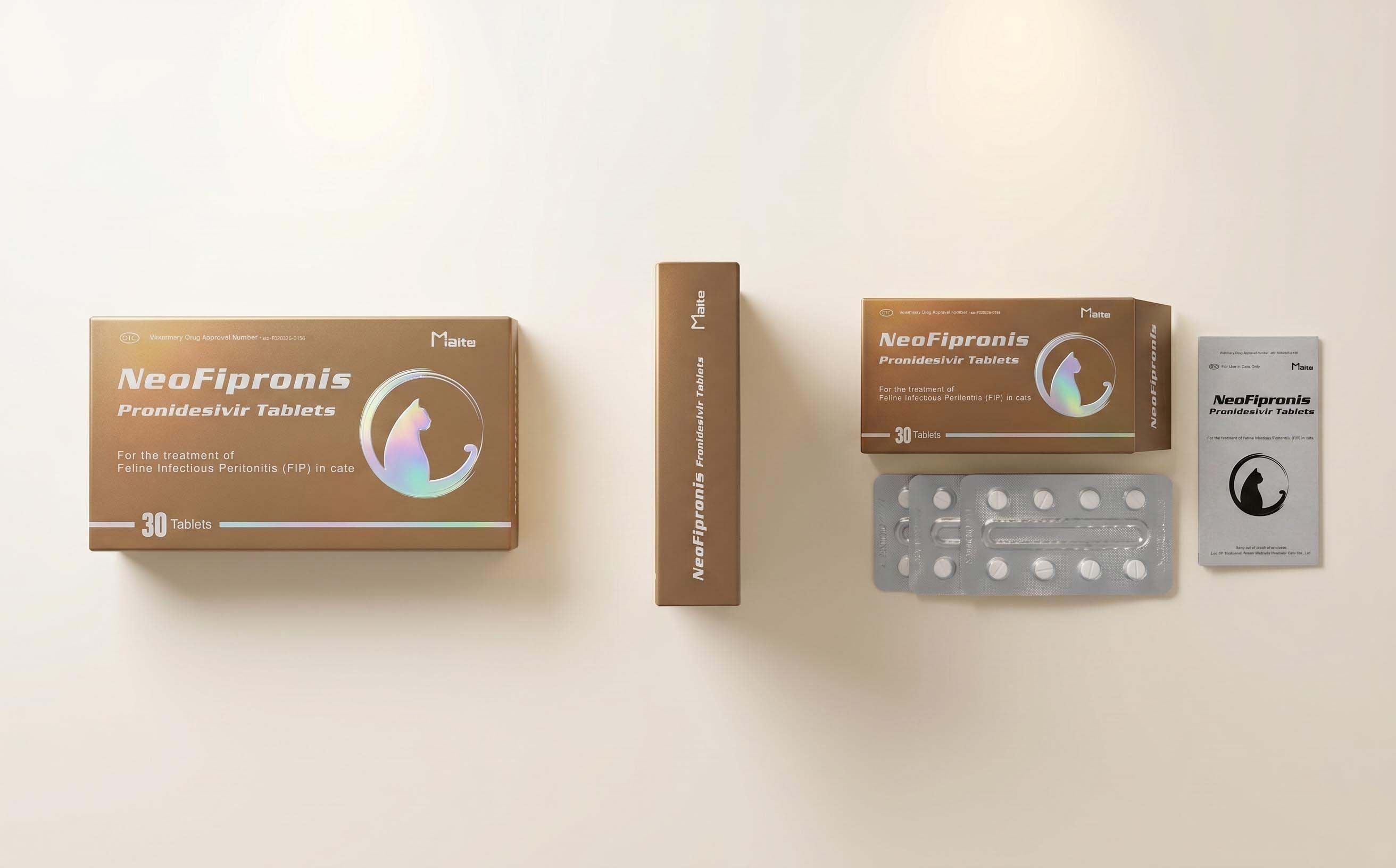
Pronidesivir (GS-441524) typically exists in a few pharmaceutical forms, including oral capsules, tablets, and solutions. The specific appearance depends on the formulation provided by the manufacturer. In its marketed form as NeoFipronis, it is often presented as small, precisely dosed oral tablets or capsules designed for easy administration to cats. These dosage forms are usually color-coded and labeled clearly with dosage information for accurate administration.
The tablets or capsules are generally small, round, and scored for easy splitting if necessary. The color varies depending on the brand and manufacturer but often includes neutral tones such as white, light yellow, or beige. Packaging is designed to ensure stability and protection from moisture, light, and contamination, with sealed blister packs or bottles.
Visual Identification and Packaging
When purchasing NeoFipronis or Pronidesivir, it’s important to verify packaging integrity and authenticity. Officially registered products display the registration number issued by Laos’ Ministry of Agriculture and Forestry (MAF), making them distinguishable from counterfeit drugs. The packaging usually bears the product name, active ingredient (GS-441524), dosage instructions, manufacturing date, and expiry date.
Mechanism and Composition
Pronidesivir is a nucleoside analog that interferes with coronavirus RNA replication, effectively halting the virus's ability to multiply within the host’s cells. Its molecular structure is characterized by a modified nucleoside backbone, making it highly selective for viral RNA polymerase. This specificity underpins its antiviral efficacy and favorable safety profile. The raw compound itself is a crystalline or powdered substance used in the manufacturing of finished dosage forms.
Usage and Formulation Details
NeoFipronis (Pronidesivir) is administered orally, with dosage carefully calculated based on the cat’s weight. The standard dosage is 15 mg per kilogram of body weight once daily—roughly half a tablet for most cats. For neurological or ocular FIP cases, the dose may be increased to 30 mg/kg as per veterinarian advice. The medication is best given on an empty stomach, either an hour before feeding or two hours after.
Storage and Precautions
Proper storage of Pronidesivir is critical to maintaining its potency. It should be kept in a cool, dry place away from direct sunlight. While NeoFipronis is considered safe and well-tolerated, continuous monitoring of the cat’s health status, including appetite, temperature, and behavior, is recommended during treatment. Regular blood tests to monitor liver and kidney functions are advised throughout the course of therapy, which lasts at least 12 weeks.
Availability and Safety
NeoFipronis (Pronidesivir) is the first officially registered FIP treatment approved by the Laos MAF in March 2026. Despite being available as an over-the-counter medicine, veterinary guidance is strongly recommended to ensure correct dosing and monitoring during treatment. Pet owners should always purchase NeoFipronis from verified sources or the official website to guarantee authenticity and safety.
Conclusion
Pronidesivir (GS-441524) appears as small, precise oral dosage forms, predominantly tablets or capsules, with consistent physical characteristics depending on manufacturing. Its vital role in combating FIP makes understanding its appearance important for safe administration. With ongoing clinical validation, Pronidesivir continues to offer hope for cats suffering from this devastating disease while providing a safe, effective, and accessible treatment option when used under veterinary supervision.