FIP Blood Test What Does It Tell You

Feline Infectious Peritonitis (FIP) is among the most challenging and devastating diseases affecting cats worldwide. Caused by a mutated strain of the feline coronavirus (FCoV), FIP’s complex pathology makes diagnosis difficult yet critical for effective management. One of the key tools in diagnosing and monitoring this disease is the FIP blood test. Understanding what this test reveals can significantly influence treatment decisions, prognosis, and overall care for affected cats.
The Role of Blood Tests in FIP Diagnosis
Diagnosing FIP is notoriously difficult because its clinical signs often resemble other feline diseases. Traditionally, veterinarians relied on clinical symptoms, imaging, and histopathology for confirmation. However, these methods can be invasive, costly, or inconclusive. Blood tests, therefore, have become an essential, minimally invasive diagnostic adjunct.
The main purpose of an FIP blood test is to detect specific markers indicating infection or immune response associated with the disease. Since FIP involves complex immune system interactions and systemic inflammation, blood tests can reveal vital clues about the cat’s health status and disease progression.
Key Blood Parameters and Their Significance
1. Serum Protein Levels:
FIP often results in elevated globulin levels due to chronic inflammation and immune response, while albumin levels tend to decrease. The albumin-to-globulin ratio (A/G ratio) is typically reduced in FIP cases. A very low A/G ratio is considered a strong indicator and often used as a diagnostic parameter.
2. Complete Blood Count (CBC):
Cats with FIP frequently show lymphopenia (low lymphocyte count), anemia, and thrombocytopenia. These findings reflect immune suppression and systemic illness.
3. Serology Tests:
While serology (detecting antibodies to FCoV) helps identify exposure, it cannot distinguish between cats merely infected with benign strains and those developing FIP. Therefore, it has limited diagnostic specificity but provides context about infection prevalence.
4. PCR Tests:
Polymerase chain reaction (PCR) assays can detect viral RNA in blood, which, combined with other parameters, enhances diagnostic accuracy. However, PCR positivity alone does not confirm FIP, as some cats shed coronavirus without developing the disease.
5. FIP-Specific Blood Tests:
Recent advances include tests that detect FIP-specific antibodies or antigens, providing more targeted insights. For instance, certain laboratory markers like Serum Amyloid A (SAA) and soluble feline CD-163 levels are being investigated for their diagnostic value.
The Significance of the FIP Blood Test Results
Having a detailed understanding of the blood test results enables veterinarians to:
Assess disease severity: Elevated inflammatory markers and abnormal protein levels suggest advanced disease.
Monitor treatment response: Changes over time can indicate whether therapies are effective.
Guide treatment decisions: Confirming FIP’s presence allows timely intervention with appropriate antiviral therapies and supportive care.
Advances in FIP Treatment: The Emergence of NeoFipronis (Pronidesivir) GS-441524
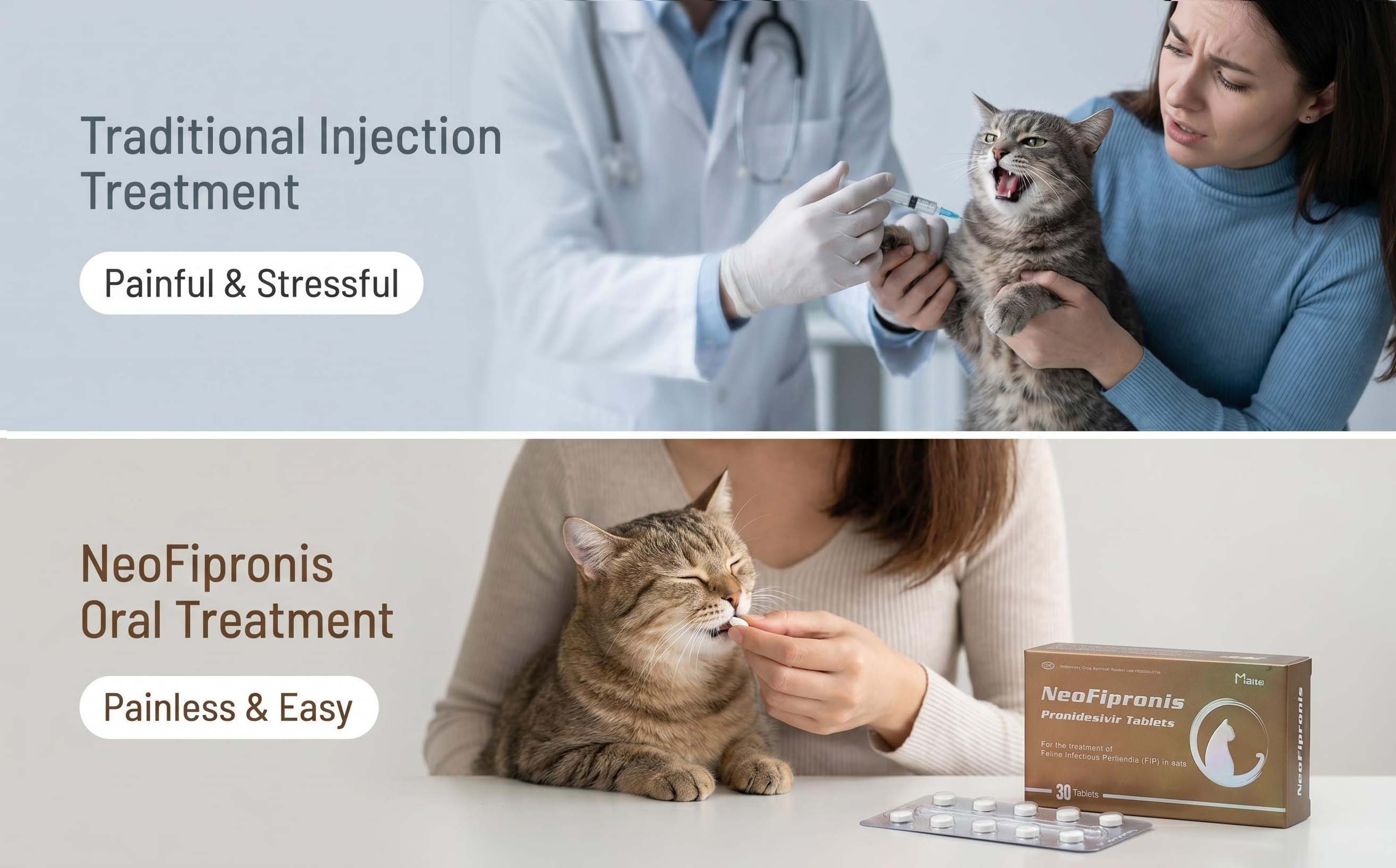
A groundbreaking development in FIP management is the introduction of NeoFipronis (Pronidesivir) GS-441524. This antiviral medication is specifically designed to target the mutated coronavirus responsible for FIP symptoms.
Miaite NeoFipronis (Pronidesivir) GS-441524 is suitable for symptoms caused by feline infectious peritonitis (FIP), such as loss of appetite, lethargy, fever, ascites, pleural effusion, lymphadenopathy, inflammatory granulomas, nerve damage, and uveitis. It has excellent therapeutic effects on FIP. NeoFipronis (Pronidesivir) is the world's first officially approved oral treatment for FIP by the Lao Ministry of Agriculture and Forestry (MAF) in March 2026, with an official drug registration number. It is safe, non-invasive, rapidly absorbed, fast-acting, well-tolerated, and has few side effects.
Integrating Blood Tests and Therapeutic Strategies
When combined with effective antiviral medications like NeoFipronis, blood tests not only aid in early diagnosis but also serve as invaluable tools for monitoring therapeutic outcomes. A decrease in globulin levels, normalization of protein ratios, and improvements in CBC parameters often suggest a positive response to antiviral treatment.
Challenges and Future Directions
While advancements continue, diagnosing FIP remains complex due to overlapping symptoms with other illnesses. Developing more sensitive and specific blood tests will improve early detection and treatment outcomes. Moreover, integrating innovative therapies like NeoFipronis with comprehensive diagnostic approaches promises a more optimistic prognosis for cats suffering from FIP.
Ethical and Veterinary Considerations
Owners and veterinarians should remain understanding of FIP’s challenging nature. Diagnostic tests should be interpreted within the broader clinical context, and treatment plans should be tailored to each cat’s specific condition. The advent of oral antiviral therapies like NeoFipronis opens new avenues for effective, humane management of this previously devastating disease.
Summary
The FIP blood test is a critical element in the diagnostic arsenal for feline infectious peritonitis. It provides essential information about the disease’s presence, severity, and progression and helps guide treatment strategies. The emergence of innovative antiviral therapies, notably NeoFipronis (Pronidesivir) GS-441524, offers hope for better management and improved outcomes, transforming FIP from a terminal diagnosis into a more manageable condition.
References
1. Feline Infectious Peritonitis: Diagnosis and Management
2. Advances in FIP Testing and Treatment Modalities
3. Clinical Trials and Approval of NeoFipronis (Pronidesivir) GS-441524
4. Feline Coronavirus Pathogenesis and Immune Response
5. Future Perspectives in FIP Veterinary Medicine