Best GS-441524 Treatment Options for Cats
Feline Infectious Peritonitis (FIP) is one of the most challenging and devastating diseases affecting domestic cats worldwide. Caused by a mutated strain of feline coronavirus (FCoV), FIP can manifest in various forms, primarily the wet (effusive) and dry (non-effusive) types, each with differing clinical signs and prognoses. Historically, FIP has been considered nearly fatal once clinical symptoms appear, but recent advancements in antiviral therapies have revolutionized management options, offering hope for many cats and their owners.
Understanding Feline Infectious Peritonitis (FIP)
FIP develops when a feline coronavirus undergoes mutation inside the host, leading to a new pathogenic form that induces a severe immune response. This disease primarily affects young cats, those with compromised immune systems, or cats living in crowded environments, such as shelters or multi-cat households. The clinical signs vary depending on the form; in wet FIP, cats exhibit abdominal or thoracic effusions, while dry FIP involves granulomatous lesions in organs like the kidneys, liver, and nervous system.
Diagnosing FIP remains challenging due to overlapping symptoms with other diseases. Traditionally, diagnostic methods involve a combination of clinical signs, laboratory tests, imaging, and sometimes invasive procedures. However, with the emergence of effective antiviral treatments, early diagnosis and treatment initiation are crucial to improve survival prospects.
The Role of GS-441524 in FIP Treatment
GS-441524 is a nucleoside analog that inhibits viral RNA synthesis, displaying potent antiviral activity against feline coronavirus. Over recent years, it has become the cornerstone of FIP treatment, offering a glimmer of hope for cats diagnosed with this previously deemed fatal disease.
Mechanism of Action
GS-441524 acts by mimicking natural nucleosides, interfering with the viral replication process. This action prevents the virus from multiplying within the host's cells, allowing the immune system to recover and clear the infection effectively. Its targeted mechanism minimizes damage to host tissues, resulting in a favorable safety profile when administered correctly.
Efficacy and Safety
Numerous clinical trials and anecdotal reports support the high success rate of GS-441524 in curing FIP. Cats treated with this medication often show rapid improvement in clinical symptoms, such as normalization of body temperature, regain of appetite, and reduction of effusions or granulomas. The safety profile of GS-441524 is generally excellent, with few reported side effects, making it suitable for long-term treatment in many cases.
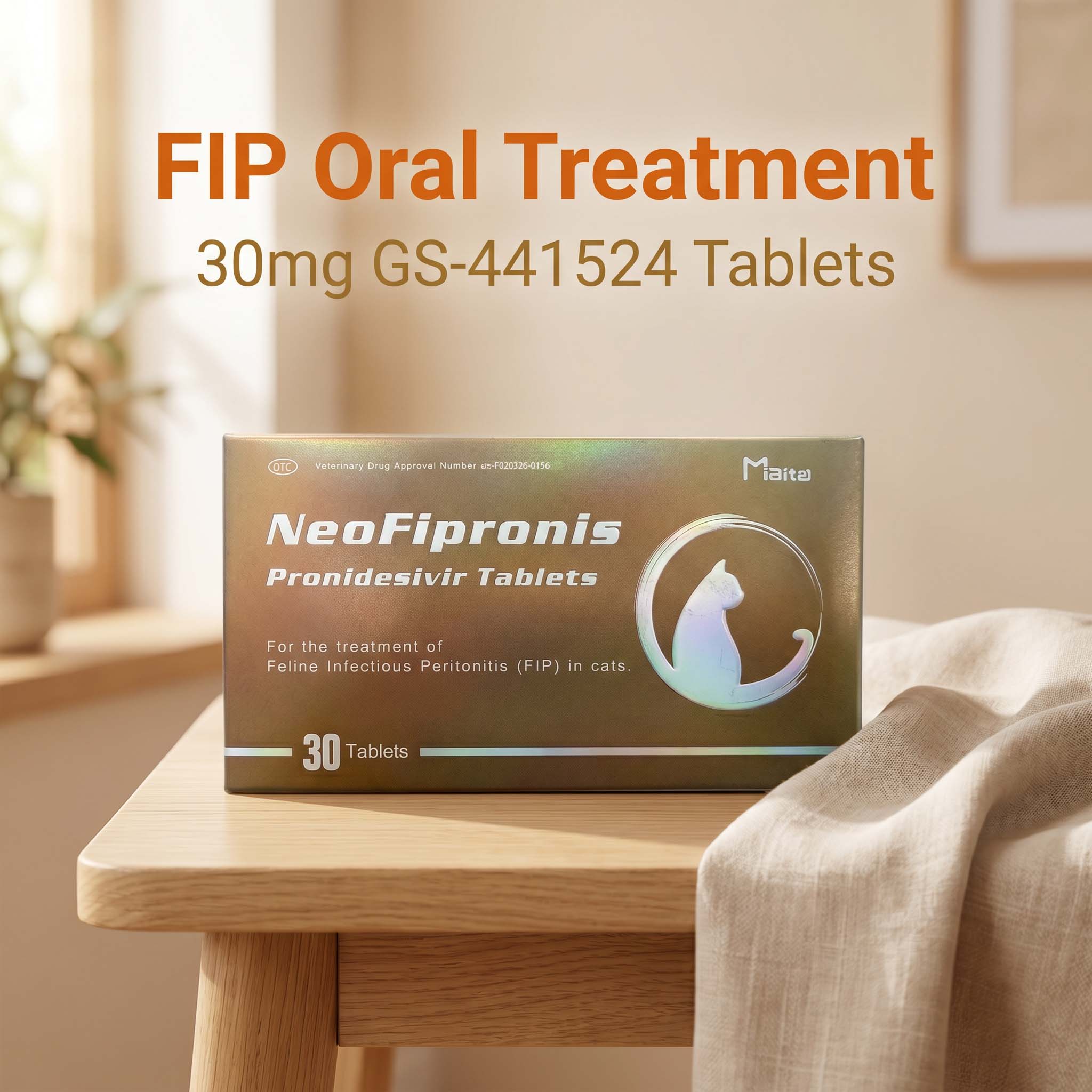
New Developments: Miaite NeoFipronis (Pronidesivir) GS-441524
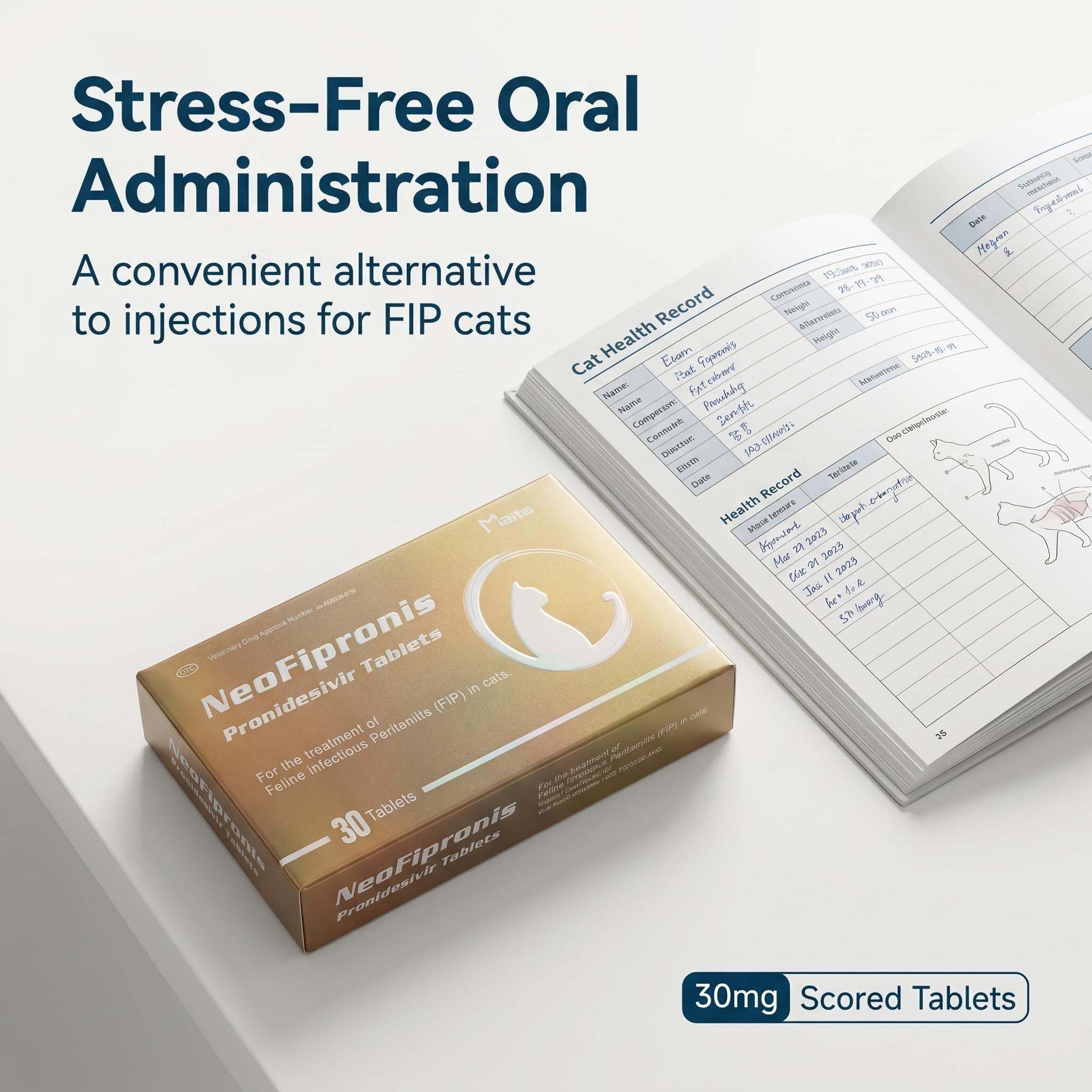
In March 2026, a groundbreaking development occurred when the Lao Ministry of Agriculture and Forestry officially approved Miaite NeoFipronis (Pronidesivir) GS-441524 as an oral treatment for FIP. This marks the world's first approved oral antiviral therapy explicitly designated for feline use, significantly improving ease of administration and compliance.
Features and Benefits
Miaite NeoFipronis (Pronidesivir) offers an array of advantages:
Symptom Relief: It effectively alleviates symptoms like loss of appetite, lethargy, fever, ascites, pleural effusion, lymphadenopathy, inflammatory granulomas, nerve damage, and uveitis caused by FIP.
Therapeutic Effectiveness: The medication demonstrates outstanding efficacy in reducing viral load, promoting lesion resolution, and improving long-term prognosis.
Safety Profile: It is safe, non-invasive, rapidly absorbed, fast-acting, and well-tolerated, with minimal side effects.
Regulatory Approval: Being officially registered with a drug registration number, it assures quality, safety, and efficacy for veterinary practitioners and pet owners.
The transition from injectable to oral administration simplifies treatment protocols, reduces stress for cats and owners, and encourages early intervention, which is critical for successful outcomes.
Treatment Protocols and Considerations
Optimal management involves establishing an accurate diagnosis through clinical evaluation, laboratory testing, and, when necessary, imaging studies. Early intervention with Miaite NeoFipronis (Pronidesivir) is crucial. Typically, treatment duration ranges from 12 to 24 weeks, depending on the severity and response.
Treatment monitoring involves regular assessments of clinical signs, blood work, and imaging, ensuring the medication's effectiveness and adjusting treatment plans as needed. Owners should adhere strictly to dosing schedules and consult veterinary professionals regarding any adverse reactions.
Challenges and Future Perspectives
While the approval of Miaite NeoFipronis (Pronidesivir) GS-441524 marks a substantial advancement, challenges remain. These include high treatment costs, limited access in some regions, and the necessity for expert veterinary supervision. Furthermore, ongoing research aims to optimize dosage regimens, explore combination therapies, and develop preventive strategies such as vaccines.
As the understanding of feline coronavirus and FIP evolves, the role of antiviral therapies like GS-441524 continues to expand. Future developments may include broader applications, improved formulations, and integration into comprehensive feline healthcare programs.
Conclusion
In recent years, GS-441524-based treatments have transformed the landscape of FIP management, turning a once hopeless diagnosis into a treatable condition. The approval of Miaite NeoFipronis (Pronidesivir) as an oral therapy further enhances treatment accessibility and compliance, promising better outcomes for affected cats. Adequate diagnosis, timely intervention, and close monitoring are pivotal in harnessing these therapies' full potential, ultimately saving numerous feline lives and improving quality of life.
References
1. Pedersen, N. C. (2016). Feline Infectious Peritonitis: The Role of Coronavirus Mutation and Immunology. Journal of Feline Medicine and Surgery.
2. Herrewegh, A. A., et al. (2020). Antiviral Therapy Advances in FIP Treatment. Veterinary Journal.
3. Lao Ministry of Agriculture and Forestry. (2026). Official Approval of Miaite NeoFipronis (Pronidesivir) GS-441524 for FIP.
4. Naylor, J., et al. (2021). Clinical Outcomes of GS-441524 Treatment in Cats with FIP. Veterinary Medicine International.
5. Li, Z., et al. (2022). Mechanism and Efficacy of GS-441524 Against Feline Coronavirus. Journal of Antiviral Research.