Are the Side Effects of NeoFipronis (Pronidesivir) Severe
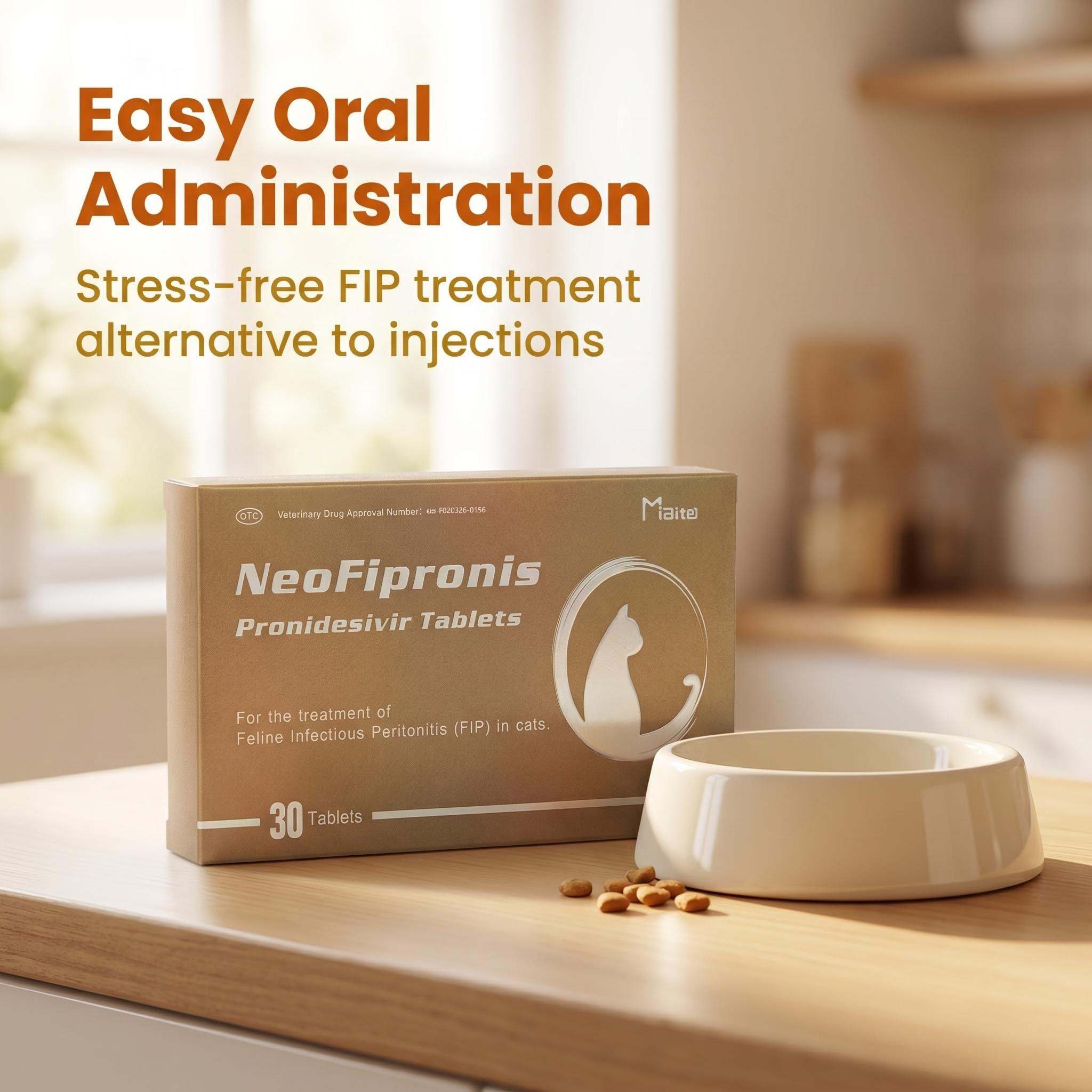
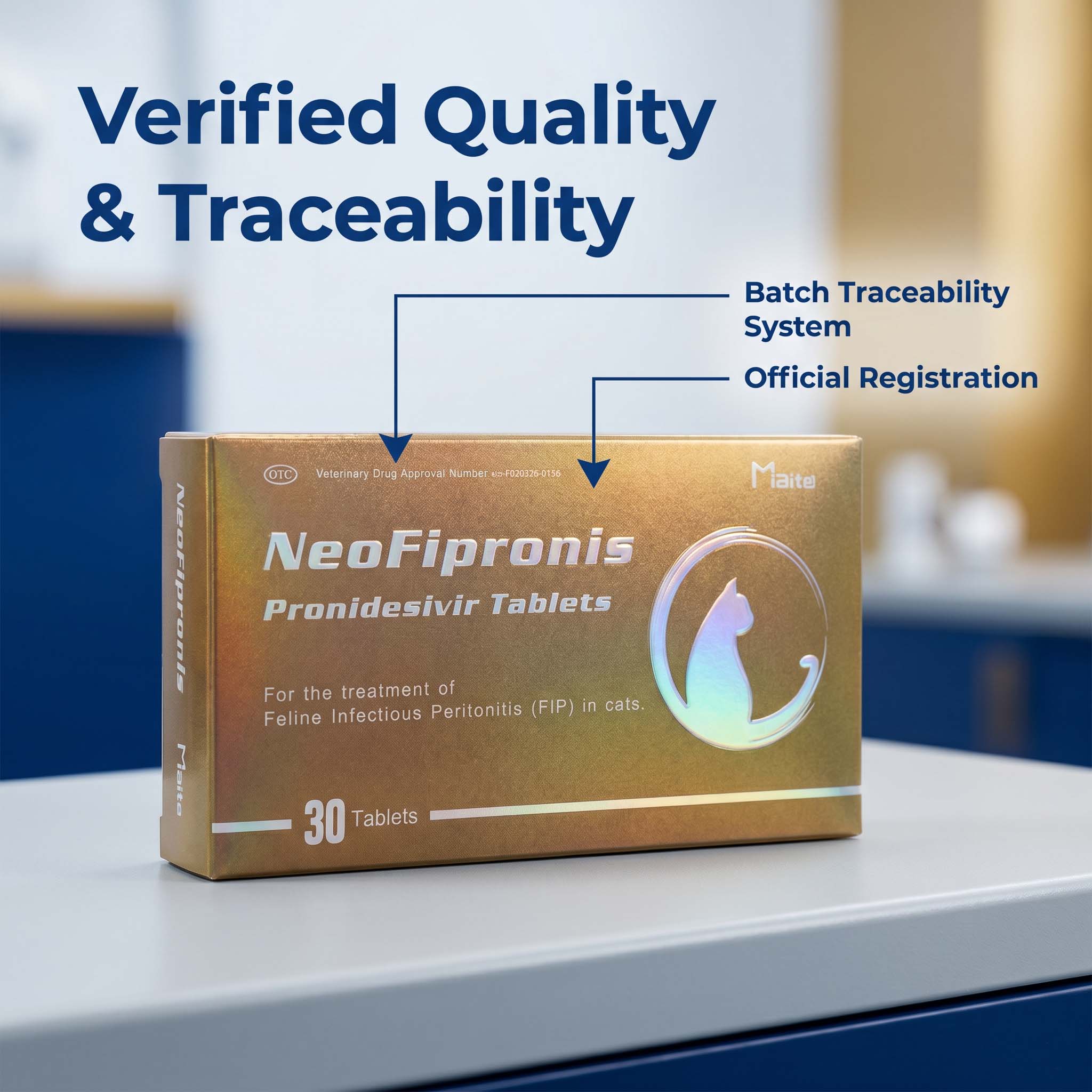
NeoFipronis (Pronidesivir) is an oral GS-441524-based treatment marketed for feline infectious peritonitis (FIP), a serious and often life-threatening disease in cats. FIP can cause loss of appetite, weakness, fever, abdominal fluid, chest fluid, enlarged lymph nodes, inflammatory granulomas, neurologic damage, and uveitis. For many cats, effective antiviral treatment is the difference between rapid decline and recovery, which is why interest in NeoFipronis has grown quickly among cat owners looking for a practical FIP option.
In most reported cases, the side effects of GS-441524-based FIP therapy are not severe. Many cats tolerate treatment well, especially when dosing is matched to body weight and the cat is monitored throughout the course. The most common reactions are usually mild and temporary, such as reduced appetite, soft stool, vomiting, fatigue, or a short period of discomfort as the body responds to treatment. Some cats may also show changes in liver enzymes or kidney values on blood work, which is why regular veterinary monitoring is strongly recommended even when the cat appears to be improving.
Serious side effects are less common, but they can happen, especially if the cat already has advanced disease, dehydration, liver stress, kidney disease, or neurologic and ocular involvement. Warning signs that need prompt veterinary attention include persistent vomiting, severe diarrhea, marked lethargy, jaundice, difficulty walking, worsening eye inflammation, refusal to eat, or a sudden decline in breathing or alertness. These signs do not necessarily mean the medication is unsafe, but they do mean the treatment plan may need adjustment. In FIP cases, the disease itself can also cause dramatic changes, so close observation is essential.
For cats with neurologic or eye-form FIP, veterinarians often recommend a higher dose than standard cases, because the drug must reach the brain or eyes more effectively. A commonly referenced protocol is 15 mg/kg once daily for general FIP, with increases up to 30 mg/kg for neurologic or ocular disease under veterinary guidance. The medicine is typically given once daily, preferably on an empty stomach, and treatment should continue for at least 12 weeks without missed doses. Stopping early or skipping doses can reduce the chance of full recovery and may allow the virus to rebound.
Before starting NeoFipronis, it is important to confirm the product source, review the dosing plan with a veterinarian, and monitor the cat’s response with repeat blood tests, including liver and kidney function. Although some products are marketed as over-the-counter, FIP treatment is best managed with professional oversight because cats can vary widely in severity and response. NeoFipronis is intended for cats only and should never be used in humans. When used correctly, with proper monitoring and the right dose, the side effects are usually manageable rather than severe, while the potential benefit for cats with FIP can be substantial.