Can NeoFipronis (Miaite) Cause Adverse Reactions
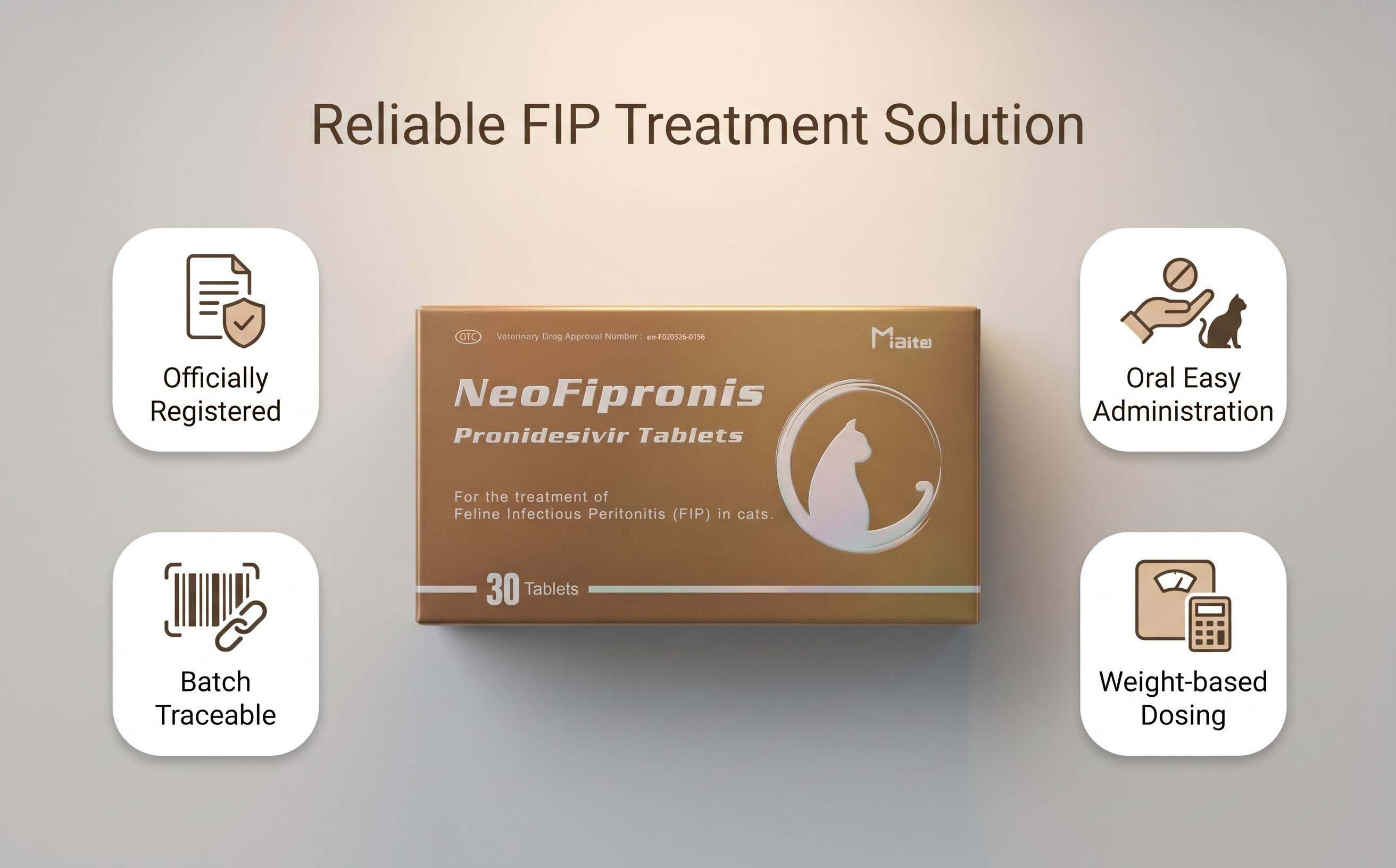
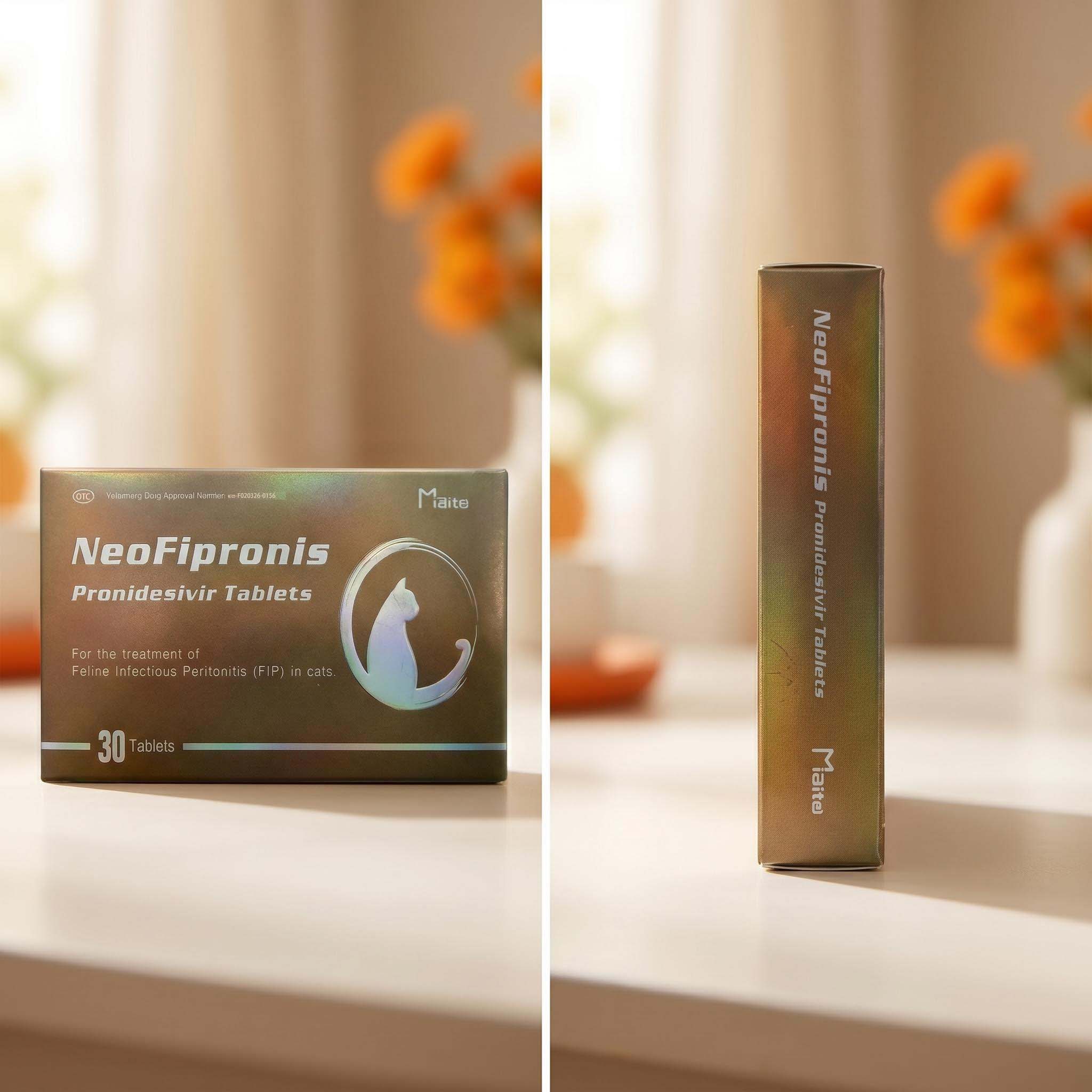
NeoFipronis (Pronidesivir), a groundbreaking oral medication for Feline Infectious Peritonitis (FIP), has revolutionized treatment options for cats suffering from this devastating disease. With its active ingredient, GS-441524, NeoFipronis offers effective antiviral therapy, targeting symptoms such as inappetence, lethargy, fever, ascites, pleural effusion, lymphadenopathy, granulomas, neurological damage, and iridocyclitis. Approved by the Lao Department of Agriculture and Forestry (MAF) in March 2026, NeoFipronis stands as the first officially registered FIP medication in the world, providing pet owners and veterinarians a safe, non-invasive, and rapid-acting treatment alternative.
The efficacy of NeoFipronis (Pronidesivir) lies in its ability to inhibit the replication of the feline coronavirus responsible for FIP. Clinical studies and extensive research have demonstrated its remarkable antiviral capabilities, significantly improving survival rates and quality of life in infected cats. The medication’s rapid absorption and good tolerability make it a preferred choice, with minimal side effects reported in the majority of cases.
However, as with any pharmacological intervention, concerns about adverse reactions are valid. While NeoFipronis has a high safety profile, some cats may experience minor side effects. These can include transient gastrointestinal disturbances such as vomiting or diarrhea, mild liver enzyme elevations, or occasional changes in appetite and activity levels. Serious adverse reactions are rare, but vigilant monitoring during treatment is essential to ensure optimal outcomes.
The recommended dosage of NeoFipronis is based on the cat’s weight, typically 15 mg per kilogram (roughly half a tablet). In cases of neurological or ocular FIP, veterinarians may increase the dose to 30 mg/kg as clinically needed. The medication is administered once daily, preferably on an empty stomach—either one hour before feeding or two hours after—to maximize absorption. Treatment duration should be maintained for no less than 12 weeks; discontinuation earlier may compromise efficacy.
Monitoring during therapy involves regular assessment of the cat’s appetite, body temperature, mental state, and overall behavior. Blood tests, including liver and kidney function tests, should be performed periodically to detect any potential toxicity. Although NeoFipronis (Pronidesivir) is classified as an over-the-counter drug, veterinary oversight is strongly recommended to manage dosage adjustments and observe for adverse reactions.
Despite its status as an OTC medication, potential adverse reactions underline the importance of professional guidance. Some cats may exhibit allergic reactions such as skin irritation or swelling, though these are uncommon. Users should discontinue treatment immediately and consult a veterinarian if any unusual symptoms occur.
Given that NeoFipronis is formulated specifically for feline use and is not intended for humans, caution should be exercised when handling or administering the medication. Pet owners are advised to purchase NeoFipronis exclusively through official channels and verified sources to ensure product quality and safety.
In conclusion, NeoFipronis (Pronidesivir) offers a highly effective solution for managing FIP, with a generally favorable safety profile. While adverse reactions are uncommon and usually mild, careful monitoring and veterinary supervision are essential elements of successful treatment. With appropriate use, this innovative medication significantly enhances the prospects for cats battling FIP, improving their prognosis and well-being.