Can NeoFipronis Cause Adverse Reactions
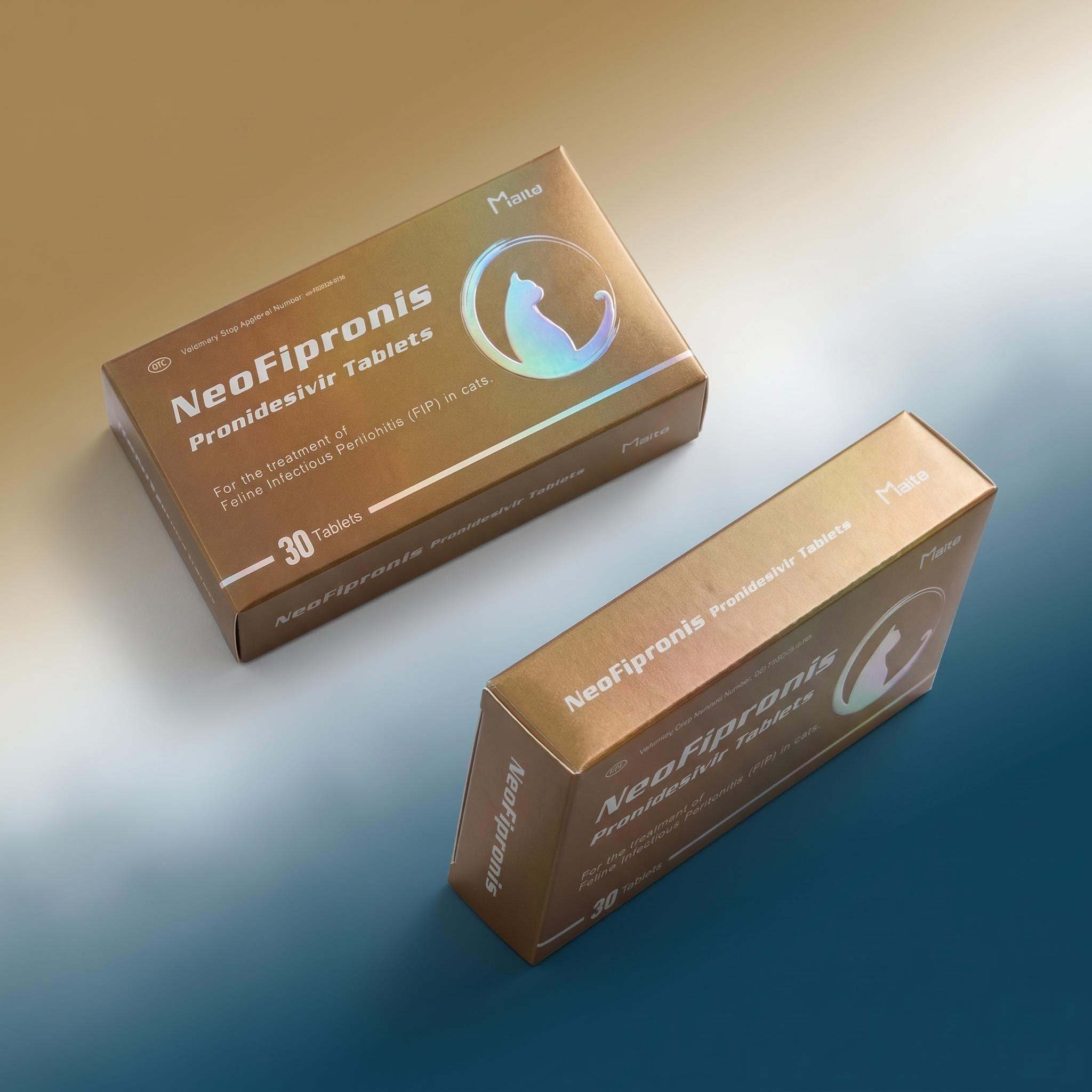
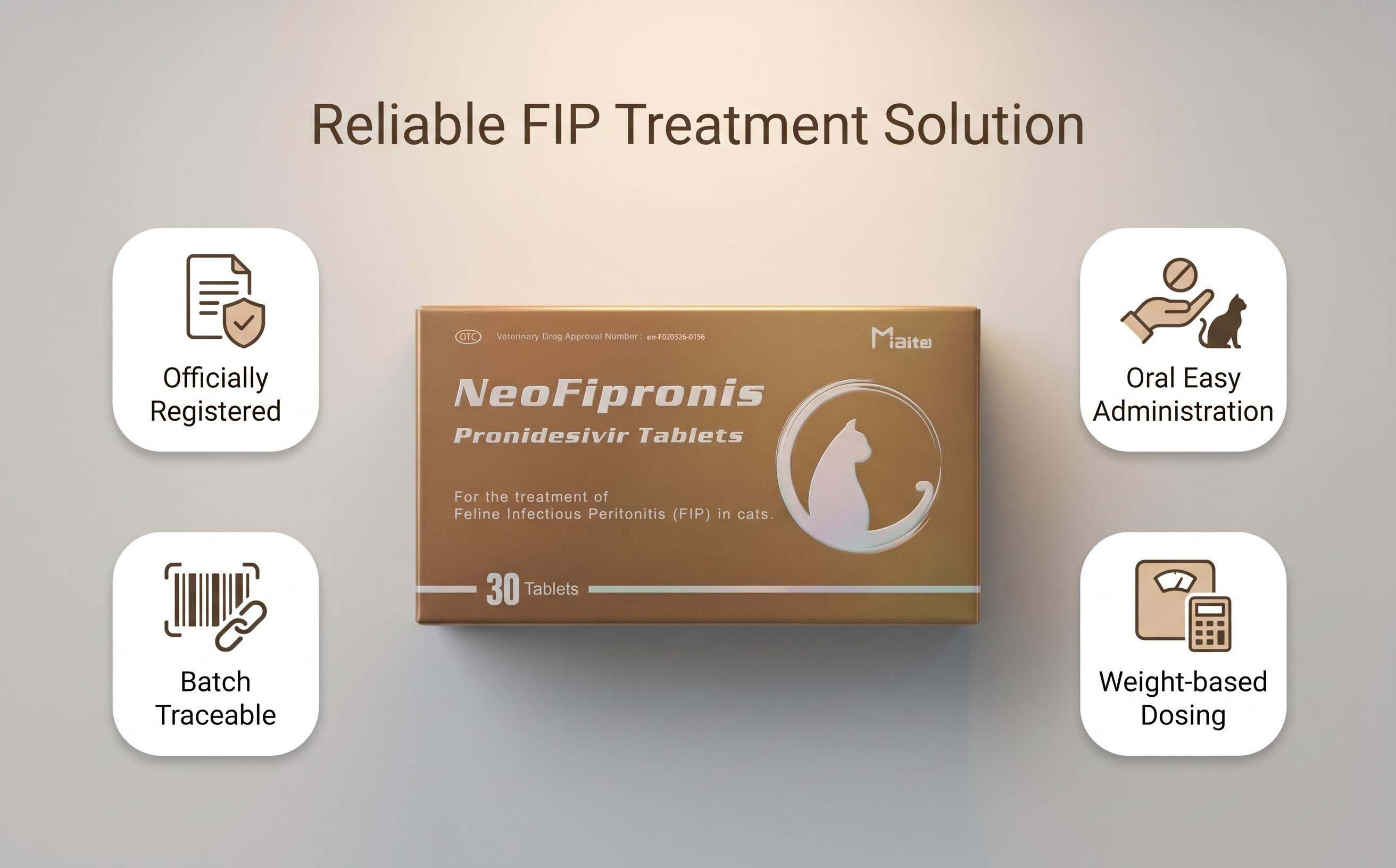
NeoFipronis (Pronidesivir), containing the active ingredient GS-441524, has emerged as a groundbreaking oral treatment for Feline Infectious Peritonitis (FIP), a fatal viral disease affecting cats worldwide. Approved by the Lao Ministry of Agriculture and Forestry (MAF) in March 2026, NeoFipronis is the first officially registered FIP medication with a dedicated pharmaceutical license. Its rapid absorption, high tolerability, and proven efficacy have made it a popular choice among veterinarians and pet owners seeking effective FIP management.
FIP manifests through symptoms such as anorexia, lethargy, fever, abdominal and thoracic effusions, lymphadenopathy, granulomatous inflammation, neurological damage, and uveitis. Traditional treatments were limited, often ineffective, and associated with severe side effects. NeoFipronis's mechanism involves potent antiviral activity mediated by GS-441524, which inhibits coronavirus replication, directly targeting the underlying cause of FIP. Extensive research and clinical trials have validated its ability to significantly improve survival rates and quality of life in affected cats.
The recommended dosage of NeoFipronis is 15mg per kilogram of body weight, administered once daily—approximately half a tablet for most cats. For neurological or ocular FIP forms, veterinarians may increase the dosage to 30mg/kg as clinically appropriate. The medication should be given on an empty stomach—either one hour before or two hours after meals—and treatment must be continued for at least 12 weeks to ensure complete viral clearance. Missing doses can reduce efficacy and potentially lead to drug resistance, so strict adherence is crucial.
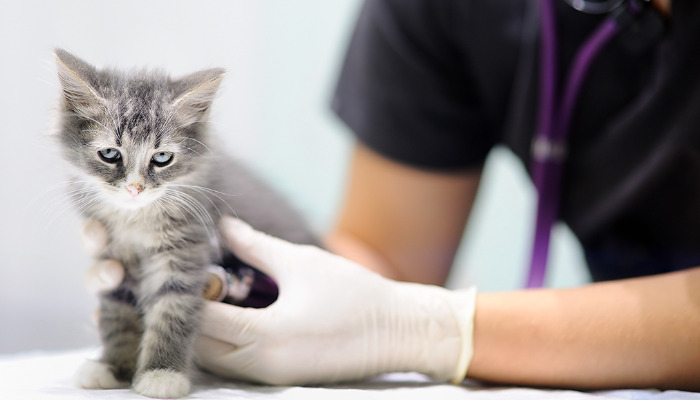
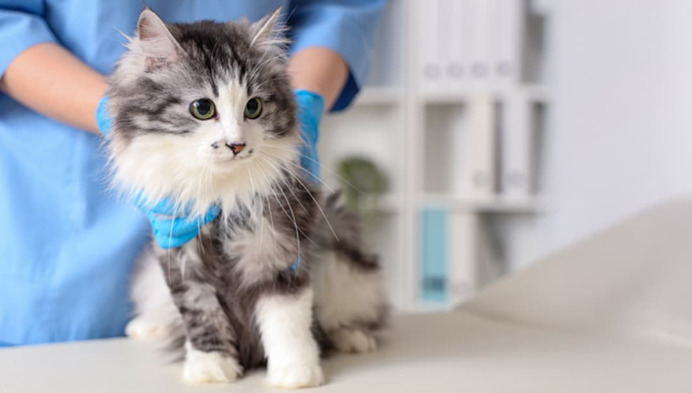
While NeoFipronis has demonstrated an excellent safety profile, potential adverse reactions, like with any medication, cannot be entirely ruled out. Mild side effects reported include transient gastrointestinal upset, such as vomiting or diarrhea, which often resolve without intervention. Some cats may exhibit reduced appetite initially, but this typically improves with continued treatment. Rarely, cats may develop hypersensitivity reactions characterized by itching, swelling, or respiratory distress. Regular monitoring of clinical signs, blood work, and organ function tests during therapy helps detect any adverse effects early.
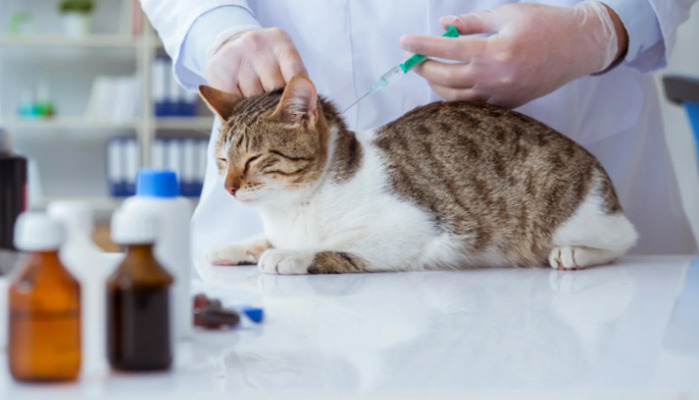
Despite being classified as an over-the-counter medication, it is highly recommended to administer NeoFipronis under the supervision of a qualified veterinarian. Proper dosing, duration, and monitoring are essential to maximize benefits and minimize risks. Inappropriate use or premature discontinuation can compromise treatment outcomes, leading to residual viral persistence or resistance development.
NeoFipronis's safety profile is favorable, with most adverse reactions being mild and manageable. However, individual responses can vary, emphasizing the importance of veterinary guidance throughout treatment. Cat owners should be vigilant about changes in appetite, activity level, body temperature, or behavior, and report any concerns promptly to their veterinarian. Regular blood tests can help assess organ health and identify rare side effects early.
In conclusion, NeoFipronis (Pronidesivir) provides a safe, effective, and non-invasive option for combating FIP. Its use has revolutionized feline infectious disease management, offering hope to many cats and their owners. While adverse reactions are possible, they are generally mild, and proper veterinary oversight ensures that treatment remains safe and successful. Always obtain NeoFipronis from official sources and follow professional medical advice to ensure optimal outcomes in FIP therapy.